Maldives Luxury Tourism Soars as Ozen Mansion Manhattan Unveils Exclusive Oceanfront Villas

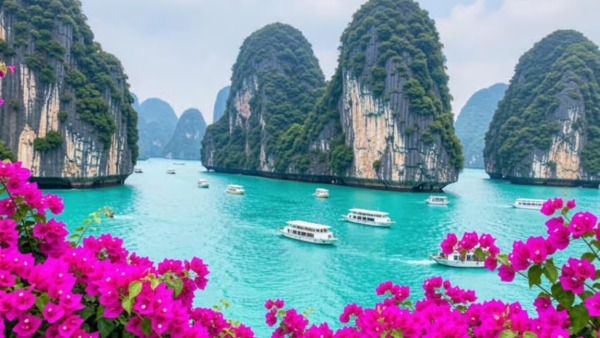
The Maldives travel sector is capturing worldwide attention after the emergence of Ozen Mansion Manhattan, a massive ultra-luxury island resort concept located on Bolifushi Island in the Maldives. The property, operated under THE OZEN COLLECTION, is redefining high-end tourism with giant oceanfront villas, premium all-inclusive experiences, and dramatic modern architecture designed for elite international travelers. The resort has rapidly become one of the most discussed developments in the Indian Ocean hospitality market as global luxury tourism demand continues to surge. Official destination information from Visit Maldives confirms the Maldives remains one of the world’s leading premium travel destinations. The growing attention surrounding the resort highlights a major transformation inside the Maldives travel industry, where luxury hospitality brands are racing to build larger, more exclusive, and visually spectacular island properties. Tourism authorities in the Maldives continue supporting high-value tourism investments that strengthen the nation’s global tourism appeal and economic growth. According to the Maldives Ministry of Tourism and Environment, tourism remains a critical economic pillar for the island nation, attracting visitors from Europe, Asia, the Middle East, and North America. The new resort is dramatically different from traditional tropical island properties commonly associated with rustic wooden villas and minimalist beach aesthetics. Instead, Ozen Mansion Manhattan presents a sophisticated blend of sleek modern design, oversized interiors, expansive glass architecture, and premium luxury finishes inspired by upscale metropolitan living.

Read more

India to Launch Bengaluru–Mumbai Superfast Train with Faster Travel and Modern Comforts

India is poised to transform long-distance rail travel with the much-anticipated launch of the Bengaluru-Mumbai Superfast Train by the end of June. This groundbreaking service will significantly reduce travel time between two of the country’s largest cities, offering an innovative route that bypasses congested corridors and enhances connectivity. Passengers can expect cutting-edge facilities and unmatched comfort, with modern, fully air-conditioned coaches, ergonomic sleeping berths, and an advanced suspension system for a smooth journey. By introducing this high-speed, efficient service, India is setting new standards in rail travel, making it faster, more comfortable, and more accessible for commuters. Travel between Bengaluru and Mumbai, two of India’s most important business and cultural hubs, has long been a time-consuming endeavor. Traditionally, travelers relied on the Udyan Express, the only direct train linking these cities, covering a distance of 1,136 kilometers in about 20 hours. But this is set to change with the launch of the Bengaluru-Mumbai Superfast train. Announced in September of last year, this new train service promises to revolutionize travel, significantly reducing the journey time and offering a faster, more efficient means of transport. Expected to be launched by June, this new route is anticipated to reduce travel time to just 14 to 16 hours, making it a more convenient option for both business and leisure travelers. The introduction of the Bengaluru-Mumbai Superfast train is expected to cut travel time dramatically, from over 20 hours to just 14 to 16 hours. This marks a significant improvement for travelers who often found the long journey tedious. The new service is set to make commuting between two of India’s largest cities far more efficient.

Read more

Vietnam and India Deepen Tourism and Cultural Ties with New Bilateral Initiatives

In a landmark move to deepen their bilateral relationship, Vietnam and India have launched a series of comprehensive initiatives aimed at promoting two-way tourism, enhancing cultural exchange, and advancing the shared Buddhist heritage between the two nations. This collaboration, which includes the signing of key agreements during the recent state visit by Vietnam’s President To Lam, seeks to foster stronger people-to-people ties while contributing to economic growth. By focusing on cultural diplomacy and the promotion of the Buddhist Circuit in India, alongside increasing tourism opportunities, the two countries are not only strengthening their historical bonds but also paving the way for more sustainable and inclusive growth in both cultural and tourism sectors. In a significant diplomatic development, President To Lam, General Secretary of the Communist Party of Viet Nam and President of the Socialist Republic of Viet Nam, arrived in India for a state visit from May 5 to 7, 2026. The visit, which was initiated at the invitation of Prime Minister Narendra Modi, marked a major milestone in strengthening bilateral relations between the two nations, reflecting their shared vision for mutual cooperation across diverse sectors. This official engagement witnessed the exchange of key agreements aimed at enhancing cultural exchanges, tourism, and people-to-people connections, along with commitments to improve air and civil aviation connectivity. The visit of President To Lam to India is viewed as a crucial step in furthering the longstanding ties between the two countries. Both leaders emphasized the strong foundation of their relationship, grounded in mutual respect, trust, and shared interests across a broad spectrum of fields. During the visit, President To Lam held detailed bilateral discussions with Prime Minister Modi, highlighting the transformative shifts in both the global and regional landscape. These talks set the stage for a fresh chapter in the India-Vietnam relationship.

Read more

Nepal Simplifies Cross-Border Travel for Indians with New Vehicle Registration System

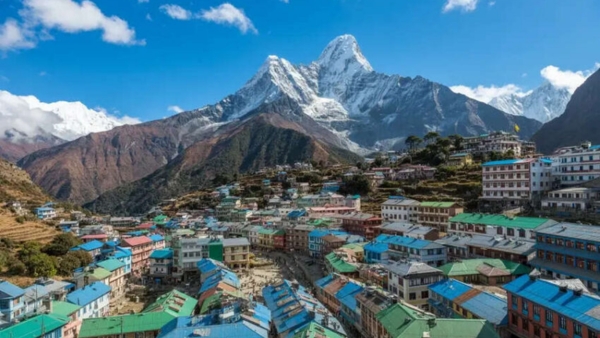
Nepal has introduced a new vehicle registration system aimed at making cross-border road travel easier for Indian tourists. The initiative is designed to simplify entry procedures for private vehicles and improve overall travel convenience. The updated system reflects Nepal’s ongoing efforts to strengthen tourism connectivity with India. It also supports smoother movement across busy border points where road tourism is steadily increasing.Officials indicate that the new system reduces administrative steps and helps create a more structured and efficient travel process for foreign-registered vehicles entering Nepal. Focus on Smooth Cross-Border Mobility The India-Nepal border has long been one of the most accessible international land crossings for tourists in South Asia. Many Indian travelers prefer road trips due to short distances and scenic routes.

Read more

South Korea’s Retail Tourism Boom: Why Shoppers Are Flocking in 2026

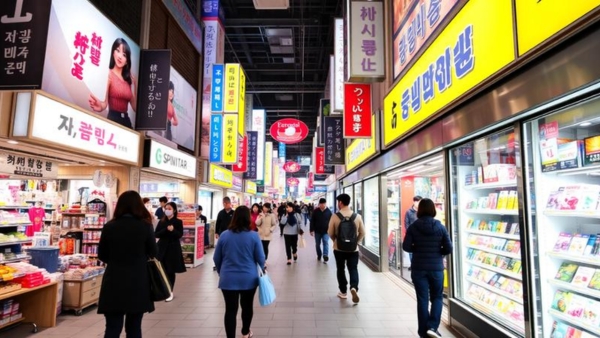
South Korea is strengthening its position as a global hub for retail tourism in 2026. International travelers are increasingly visiting the country not only for culture and entertainment but also for shopping experiences. Retail activity is now closely tied to tourism growth. Shopping districts are becoming essential stops in travel itineraries across Seoul and other major cities.The country’s retail landscape continues to evolve with modern infrastructure, luxury offerings, and tourism-friendly services. This transformation is reshaping how visitors experience South Korea as a destination. Shopping Becomes a Core Part of Travel Planning In previous years, shopping was often a secondary activity for tourists visiting South Korea. However, this pattern has changed significantly in recent times.Retail experiences are now a major reason travelers choose the destination.Visitors often plan entire days around shopping districts, malls, and branded outlets.Seoul remains the center of this transformation.Areas such as Myeongdong, Gangnam, and Dongdaemun continue to attract global tourists looking for fashion, beauty, and lifestyle products.

Read more

Dark Sky Tourism Rises as Ladakh, Spiti, and More Redefine Night Travel in India

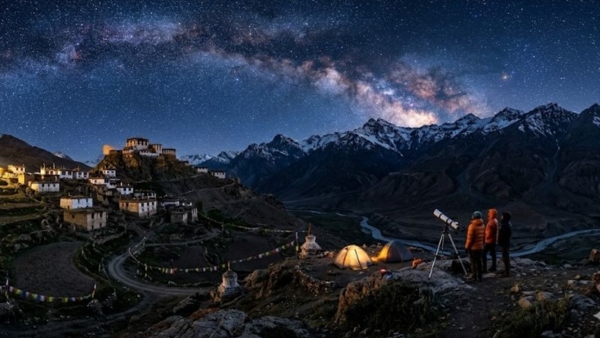
India’s astro-tourism movement has been described as a powerful and evolving force that is steadily reshaping how travellers experience the night. The rise of astro-tourism in India has reflected a remarkable shift in global travel trends, where travellers have increasingly begun seeking dark skies, cosmic encounters, and truly peaceful travel escapes. Moreover, it has been observed that this fascination with the night sky has encouraged people to move away from overcrowded, brightly lit cities. Instead, they have been drawn toward remote landscapes where stars appear brighter, clearer, and more immersive. As a result, astro-tourism travel has been transitioning from a niche concept into a mainstream global movement. This transformation has influenced not only domestic tourism patterns but has also begun reshaping international travel behaviour. Consequently, India has been recognised as a rising force in night sky tourism, offering extraordinary stargazing experiences that are redefining modern travel itself. It was concluded that astro-tourism had come to represent a rare and compelling fusion of nature, science, and serenity, creating a travel experience unlike any other. Travellers were said to be increasingly drawn to the breathtaking visual spectacle of the night sky, where countless stars appeared to stretch endlessly across the horizon. It was further explained that the appeal extended far beyond what could be seen. The experience was described as deeply emotional and introspective, offering travellers a chance to pause and reflect. Under vast, unpolluted skies, individuals were believed to find a sense of stillness that was difficult to achieve in everyday life. It was also suggested that this form of travel had encouraged a renewed connection with the universe, fostering curiosity and wonder. As interest continued to grow, it was anticipated that astro-tourism would play a defining role in shaping the future of global travel experiences, influencing not only destinations but also the way travel itself was perceived.

Read more