
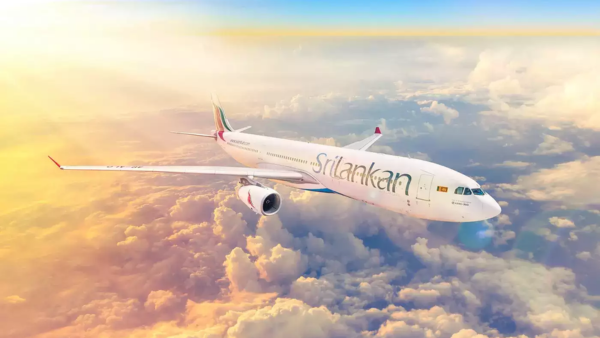
SriLankan Airlines to fly double dail to Mumbai
- Dec 05,2023
- The Economic Times
The new double daily service to Mumbai will not only give a 50 per cent boost to SriLanka capacity on its Mumbai route, but will also strengthen the airline’s already vast network I India, the airline said. India is the only country with nine cities featured in SriLankan Airline network. The new double daily service to Mumbai will not only give a 50 per cent boost to SriLankan’s capacity on its Mumbai route, but will also strengthen the airline’s already vast network in India, the airline said. Passengers travelling out of Mumbai on SriLankan Airlines will now have more flight options to Colombo and convenient connections via Colombo to popular destinations in the Far East, Europe and Australia including Singapore, Kuala Lumpur, Bangkok, London, Frankfurt, Paris, Melbourne and Sydney. According to the information shared by the airline, flights UL 142 and UL 144 will depart daily from Mumbai to Colombo at 3:10 hrs and 20:45 hrs, respectively. Flights UL 141 and UL 143 from Colombo to Mumbai will depart at 23:45 hrs and 17:10 hrs, respectively “The Indian market has been incredibly important to SriLankan Airlines since the get-go, and with India fast becoming one of the world’s largest outbound travel markets, we are only happy to expand our operations in one of India’s most celebrated cities and make travel between Mumbai and Colombo extra seamless,” said Dimuthu Tennakoon, Head of Worldwide Sales and Distribution of SriLankan Airlines. “Our frequency increase comes on the heels of Sri Lanka announcing free visa for Indian visitors and we hope that these positive developments will encourage more travellers from Mumbai to stop by Sri Lanka,” he stated. India is the only country with nine cities featured in SriLankan Airlines’ network. This includes Delhi, Bangalore, Hyderabad, Kochi, Trivandrum, Chennai, Trichy and Madurai in addition to Mumbai, to which altogether SriLankan operates close to 100 flights every week.
Read more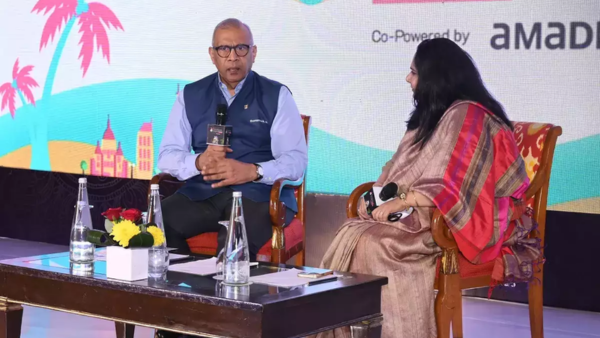
Industry overview: Thomas Cook India's Madhavan Menon discusses travel industry's resilience & future prospects
- Dec 05,2023
- The Economic Times
Regarding domestic tourism, Madhavan Menon emphasised the growth across various fo including road transport, cruises, and resorts. He noted the success of cruises, citing a significant increase in people driving to resorts. Menon highlighted that new destination including Kashmir and the Northeast, are witnessing increased tourism due to improved accessibility. Executive Chairman of Thomas Cook India, shared insights and reflections on the travel industry during a recent industry overview cum fireside chat on the sidelines of the 2nd ET Travel & Tourism Annual Conclave & Awards in New Delhi on November 30. Menon expressed optimism about the industry's ability to transform challenges into opportunities over the last two years. In the retrospective view, Menon emphasised that the disruption caused by the pandemic had served as an opportunity for the travel industry. Despite the challenges, travel companies showcased outstanding performance by reengineering costs and adapting to changing circumstances. "I think we've come up with as an industry, despite all the challenges, despite everything, if you look at the performance of the travel companies, it has been outstanding," he mentioned. Opportunity in disruption Menon acknowledged that the industry now faces a new set of challenges, including disruptions in the supply chain, resulting in higher costs, geopolitical issues, and other unforeseen obstacles. However, he highlighted a McKinsey study, indicating a positive outlook for tourism, predicting a significant rebound despite the challenges. Consumer behavior & sustainable travel Menon discussed the shift in consumer behavior, moving from revenge travel to sustainable travel. He noted the sustained growth in the number of people traveling, emphasizing the long-term trend. Menon also pointed out the positive impact of consumer behavior changes on the industry, contributing to its recovery "These are numbers that sort of things inspire us to believe that this is a long-term trend, that we go back to the India growth story and talk of whether we were altered and memoving towards the USD 5 trillion economy number," he mentioned while talking about rising demand despite rising prices and other challenges. Domestic tourism & new destinations Regarding domestic tourism, Menon emphasised the growth across various forms, including road transport, cruises, and resorts. He noted the success of cruises, citing a significant increase in people driving toresorts. Menon highlighted that new destinations, including Kashmir and the Northeast, are witnessing increased tourism due to improved accessibility. Inbound tourism recovery While inbound tourism faced challenges earlier in the year, Menon expressed optimism about its recovery. He attributed the rebound to India's visibility on the global stage, benefiting from the G20 and the positive perception of India as a tourist destination. Menon acknowledged the collaboration between the travel industry and the government but emphasized the different objectives. He suggested that while the government could focus on attracting tourism into India, the industry's role is to ensure sustainability and visibility to maintain growth. In conclusion, Menon highlighted the sustained trend in the travel industry, driven by changes in consumer behavior and a focus on sustainability. He stressed the importance of continued efforts to ensure the industry's growth and sustainability. Published On Dec 5, 2023 at 03:04 PM IST Advt
Read more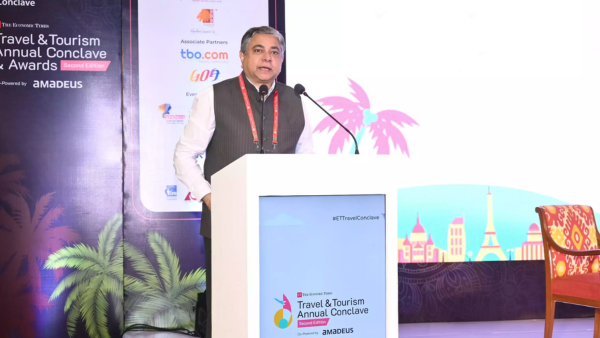
India’s travel & tourism the most resilient sector; to generate 1.6 mn jobs in 2023: Arvind Singh
- Dec 05,2023
- The Economic Times
During the ET Travel & Tourism Conclave, Arvind Singh, Former Tourism Secretary & AAI Chairman highlighted India's tourism growth, projecting a INR 16.5 trillion contribution to economy in 2023, a mere 3.5 per cent dip from pre-pandemic 2019 figures. Singh also discussed global tourism's outlook, foreseeing a 23.3 per cent surge in Travel and Tourism GDP, nearing USD 9.5 trillion for 2023. According to Former Secretary of Tourism, Arvind Singh, despite the pandemic's widespread impact, India's travel and tourism sector has showcased resilience and is contributing significantly to the country's economy and employment landscape. Highlighting India's remarkable trajectory within the global travel and tourism industry during the 2nd edition of ET Travel & Tourism Conclave & Awards, Singh shared that the sector is expected to contribute INR 16.5 trillion to the economy in 2023, just 3.5 per cent below the prepandemic 2019 levels. “This resurgence is set to generate 1.6 million jobs, nearly restoring the workforce to its previous bandwidth. Such growth is expected to mean that approximately one in 13 workers in India will be part of the travel and tourism sector,” he added, citing the recent report.This, he indicated, will contribute INR 36.8 trillion to the GDP by 2033, employing over 58.2 million workers, equating to one in 10 in the sector. Within the India market, domestic tourism took the lead in 2022 marking 1.96 billion trips. “Spending on transportation takes precedence in domestic travel, with accessibility being a key factor in shaping the quality of travel choices. The influence of recommendations from friends and family holds significant weight, underscoring the crucial role of positive destination reputations,” he underlined the trends. Besides this significant increase, a surge in foreign tourists arriving in India during January to June, marked a 106 per cent increase from the previous year, reiterated Singh. Also, outbound trips, especially to newer destinations in the Middle East saw a surge too. The trips to newer destinations will continue fuelled by the expanding middle class desire to explore diverse destinations, Singh added. Both domestic and outbound tourism expenditures also grew in India in 2022, pointed Singh, with transportation dominating domestic travel spending and recommendations from friends and family playing a crucial role in destination choices.Additionally, India's hosting of the G20 Presidency worked as a catalyst for the sector, continued Singh. “Events like these have not only showcased the country's robust convention facilities but also its capacity and accommodations with requisite facilities. The successful hosting demonstrated India's potential to host international events on a large scale, underlining its strength and capability in the tourism sector, especially MICE,” he added. Under the umbrella of the G20 presidency in India, the Ministry of Tourism hosted four G20 Tourism Working Group Meetings in different Indian states. Overall, there were about 200 meetings held across 60 locations nationwide throughout the presidency year.“Going forward, the growth of both India's outbound and inbound markets is expected to play a pivotal role in driving future advancements across the Asia Pacific region in the coming months,” Singh stressed. Global tourism GDP to grow by 23.3 %; APAC to see full recovery of lost tourism jobs by 2024 Moving beyond India's success story, Singh, while presenting a holistic industry review, outlined the broader global trends in the travel and tourism industry post-pandemic. “The global travel industry took a substantial hit during the pandemic, with Travel and Tourism contributing 10.4 per cent to global GDP and supporting 334 million jobs before the crisis. Despite challenges, the the sector experienced a 22 per cent growth in 2021, valued at USD 7.7 cent behind the 2019 peak. “China's reopening is expected to contribute to this growth, with Latin and North America seeing full recovery. Challenges such as conflicts, economic uncertainties, labour shortages, and the climate crisis call for enhanced capacity and joint action within the sector,” he suggested. Shifting focus to the Asia Pacific, Singh shared that the region faced a 50 per cent decline in 2022 compared to the 2019 peak, largely due to challenges in China and Japan. However, a forecast of a 16 per cent recovery is expected by the end of 2023, reaching over USD 2.6 trillion. Despite employing 155 million people, a shortfall was observed, but a full recovery of lost jobs is anticipated by the end of 2024. Recovery rates vary across countries, with South Asia experiencing only a 5 percent decline in Q4, driven by restored international seat capacity, particularly in India, said Singh. “Despite positive trends, challenges in air connectivity persist in the Asia Pacific due to reduced flight frequency and increased airfares, impacting travel affordability and duration, limiting inbound tourists. However, the “Amidst the ongoing transformation phase in tourism, there's a collective endeavour to rebuild, reboot, and reconsider the industry's landscape. This has led to various significant trends emerging globally postpandemic,” Singh said. The surge in last-minute bookings has led to increased impulse travel, necessitating dynamic pricing policies. Additionally, the prevalence of online agencies and algorithm usage underscores the need for flexible cancellation policies. Another emerging trend is multi-generational travel, where families seek personalized activities. This, said Singh, calls for specific accommodation facilities to meet these demands. “The rise of solo travellers, staycations, workations, and digital nomads blending work and leisure is also reshaping infrastructure needs. This includes the highspeed internet and flexible check-in/check-out options,” he added. Singh pointed out that over-tourism too stands out prominently among the key challenges, evident in certain regions and cities overburdened with the tourist rush. This has prompted a shift towards exploring less crowded destinations during off-peak times, requiring crucial education Amidst these, sustainability remains a pressing concern too. Singh shared that focus on collective emphasis on sustainable experiences, avoiding deceptive travel practices, and pursuing relevant responsible tourism certifications will help pave a long way for the sector. Education and collaborative efforts are deemed crucial to ensure a harmonious balance between tourism, the environment, local communities, and the economy, Singh said.
Read more
Goa: ‘Safe swim’ and ‘no selfie’ zones set up at beaches for safety of visitors
- Dec 04,2023
- timestravel
As per the latest news reports, Goa, through a government-appointed entity, has demarcated ‘no selfie’ and ‘safe swim’ zones at beaches. This move comes in the wake of ensuring beach safety along the beaches amid tourist rush. If reports are to go by, the agency that is responsible for daily monitoring of weather and sea conditions, takes proactive measures in setting up these ‘safe swim’ and ‘no selfie’ zones on the beaches. Lifesavers from the agency consistently oversee and monitor these zones to maintain the safety of beach goers. Referring to this, an official in the know how informed that till date, Drishti Marine's lifesavers have successfully rescued 392 individuals from drowning incidents along the state's beaches this year. This initiative is great for tourists visiting the state mainly for beaches, which act as a magnet for visitors. It’s likely that this will help prevent untoward incidents in future.Well, the allure of Goa beaches lies in a harmonious blend of sun, sand, and sea, creating an idyllic coastal haven. With more than 30 beaches, each possessing its unique charm, Goa offers an unparalleled coastal experience. The golden stretches of sand framed by the azure Arabian Sea provide the perfect backdrop for relaxation and rejuvenation. Water enthusiasts revel in the multitude of water sports, from parasailing to jet-skiing, while those seeking tranquility find solace in the gentle lull of the waves.Goa's vibrant beach culture, infused with music, dance, and eclectic beach shacks, adds an electrifying dimension. The annual celebration of sun-soaked festivals, coupled with the warmth of the locals, creates an inviting atmosphere. Moreover, Goa's beaches are not just a visual feast; they are a treasure trove of biodiversity. Nestled between the Western Ghats and the Arabian Sea, these coastal gems harbor unique flora and fauna, attracting nature lovers and wildlife enthusiasts.
Read more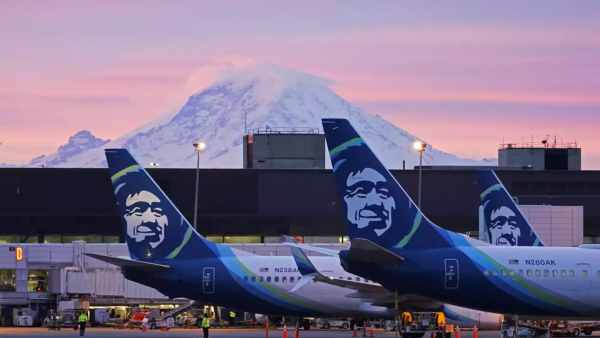
Alaska Air to buy peer Hawaiian for USD 1.9 billion
- Dec 04,2023
- The Economic Times
The deal is bound to attract antitrust scrutiny as US regulators challenge JetBlue Airways Corp's proposed USD 3.8 billion acquisition of Spirit Airlines Inc in court. Antitrust enforce have been suspicious of mergers between small airlines despite 80% of the US aviation see controlled by four players: United Airlines, American Airlines, Delta Air Lines and Southwe Airlines . They were successful in getting JetBlue in July to abandon a three-year-old allia with American Airlines. Alaska Air Group Inc said on December 3 it would acquire Hawaiian Holdings Inc for USD 1.9 billion, including debt, placing a bet on a troubled airline with lucrative routes as US antitrust regulators fight consolidation in the sector. Alaska Air said it would pay USD 18 per share in cash, close to four times Hawaiian's closing price on December 1. The whopping premium reflected how battered Hawaiian's shares were. The Maui wildfires, high fuel costs and jet engine recall issues at some of Hawaiian's Airbus SE planes contributed to heavy losses and a 65% share price drop in the last 12 months The deal is bound to attract antitrust scrutiny as US regulators challenge JetBlue Airways Corp's proposed USD 3.8 billion acquisition of Spirit Airlines Inc in court.Antitrust enforcers have been suspicious of mergers between small airlines despite 80% of the US aviation sector controlled by four players: United Airlines, American Airlines, Delta Air Lines and Southwest Airlines . They were successful in getting JetBlue in July to abandon a three-year-old alliance with American Airlines. The tie-up with Hawaiian would give Alaska Air, valued at USD 5.1 billion, control of more than 50% of the market for Hawaii flights, to one of the world's most popular tourist destinations. "This is where people want to come spend time and vacation and have weddings and anniversaries. This is something that we believe that will remain strong for years to come," Alaska Air CEO Ben Minicucci said inan interview. He expressed confidence that regulators would approve the deal by the end of 2024 because the two airlines overlap in just 12 of the 1,400 flights they collectively operate. Alaska Air also defended its 270% premium offer as a bargain, noting that the deal values Hawaiian at 0.7 times its annual revenue, far below the industry average of 1.7 times. It added it expected a minimum of USD 235 million in annual savings.Alaska Air approached Hawaiian to discuss a potential tie-up over the summer, people familiar with the matter said. Hawaiian posted a net loss of USD 159.3 million in the first nine months of 2023, smaller than the USD 189.9 million in the year-ago period. The Maui wildfires led to lower air traffic, a 4% spike in jet fuel costs is weighing on its losses, and issues with engines made by RTX Corp's Pratt &Whitney grounded some of its Airbus A321neo fleet. In an investor presentation, Alaska Air noted Hawaiian's long history of profitability prior to those issues, with operating margins fluctuating in mid-teen percentages between 2010 and 2019 The combined company will operate a mixed fleet for now, Minicucci said, without ruling out future rationalization. It will be based in Seattle under his leadership, and Honolulu will become a key Alaska Airlines hub. The International Association of Machinists and Aerospace Workers (IAM), a trade union representing 600,000 manufacturing and aerospace employees, said it will take all steps to protect the rights of members at both carriers.
Read more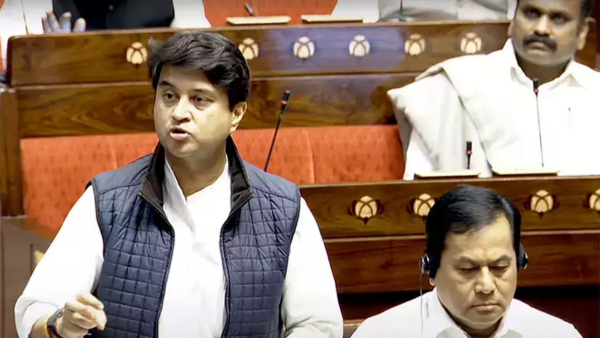
Passenger safety and security our priority: Jyotiraditya Scindia in Parliament
- Dec 04,2023
- The Economic Times
"Safety and security is the priority of our ministry. For security, our institute BCAS (Bureau Civil Aviation Security) keeps a keen watch on all airports and for safety DGCA issues CAR (Civil Aviation Rule) so that the safety of the passengers is kept in mind. Whenever any ai or airport is found guilty, a penalty is imposed on them by the ministry,' the minister said speaking in Hindi. Union Civil Aviation Minister Jyotiraditya Scindia on Monday said the safety and security of air passengers was the top priority of his government. Replying to a question in Rajya Sabha during the Question Hour on the very first day of the winter session of Parliament, Scindia said his ministry takes immediate action, including imposing penalty, as and when any airline or airport is found guilty. "Safety and security is the priority of our ministry. For security, our institute BCAS (Bureau of Civil Aviation Security) keeps a keen watch on all airports and for safety DGCA issues CAR (Civil Aviation Rule) so that the safety of the passengers is kept in mind. Whenever any airline or airport is found guilty, a penalty is imposed on them by the ministry,' the minister said speaking in Hindi. The Union minister was responding to a question posed by his fellow parliamentarian Kartikeya Sharma. Sharma asked whether the ministry was considering taking any step to safeguard the rights and the interests of the passengers taking into consideration some of the reported incidents when passengers were mistreated. Sharma also asked the minister whether his ministry was looking at increasing pilot training institutes in the country. The minister, without getting into specifics, apprised the House of the mega aircraft orders placed by Indigo and Air India, and also assured of making the civil aviation sector the "backbone" of the overall transportation sector. Speaking about the UDAN scheme, he apprised that as many as 517 routes are currently. The UDAN scheme was initiated in October 2016 to fulfil the aspirations of the common citizen, with an enhanced aviation infrastructure and air connectivity in tier II and tier III cities.The government had approved the 'Revival of unserved and underserved airports' scheme for the revival and development of 100 unserved and under-served airports, helipads and water aerodromes by 2024. It is an ongoing scheme where bidding rounds are conducted occasionally to cover more destinations or stations and routes. Later during the Question Khan, a Rajya Sabha member from the Nationalist Congress Party, Fauzia Khan, asked the minister about the operational status of Nanded airport and problems emanating in bidding for routes "Providing connectivity to Nanded is our priority not just because it is a prominent place in Maharashtra. The place is also important for our Sikh community. The difficulty is not on the airline side, but it is more on the airport side. The Maharashtra government had awarded this airport to a private sector entity, and it is owned by the state government...," said Scindia. "During the UDAN 5.0 round bidding, routes such as Nanded-Pune, Bengaluru, Nagpur, Hyderabad, Goa, Patna, and Adampur were awarded. I am in touch with the state government and our thought is such that the state government should take back the airport under its fold and run its operations. Then shall we be able to start routes in Nanded," Scindia further said. Meanwhile, the central government has 21 Bills on its agenda for the winter session, including the bills to replace the IPC, the Indian Evidence Act and the CrPC.
Read more