Singapore Emerges as a Key Driver of Malaysia’s Tourism Growth with Visa-Free Travel Boost

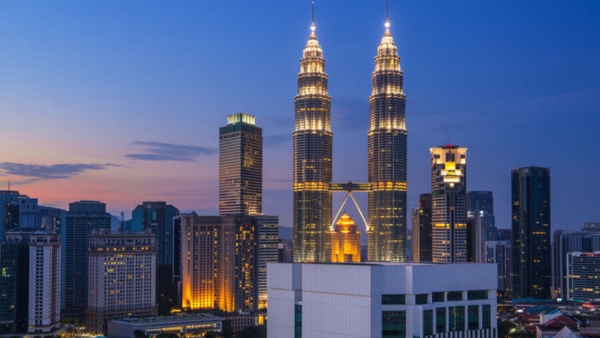
Singapore overtakes China, Australia, India, Thailand, Indonesia, Japan, and more Asian countries in accelerating Malaysia tourism in 2026, thanks to its strategic geographic proximity, strong economic ties, and seamless connectivity. As Malaysia embarks on its bold Visit Malaysia Year 2026 (VM2026) campaign, Singapore’s dominance as the top tourism source market plays a pivotal role in driving record visitor numbers. Alongside Singapore, other countries such as China, India, Indonesia, Thailand, Australia, Japan, and more are also contributing significantly, each enhancing Malaysia’s tourism landscape through increased air connectivity, visa facilitation policies, and targeted promotional efforts. The combined efforts from these markets are not only boosting Malaysia’s tourism figures but also creating economic opportunities and supporting long-term industry growth. Malaysia’s tourism industry is undergoing a major transformation in 2026, propelled by the success of the Visit Malaysia Year 2026 (VM2026) campaign. With an aggressive strategy that targets the highest number of international visitors in its history, Malaysia has seen a major surge in arrivals, especially from countries across Asia and beyond. Leading the charge is Singapore, followed by China, India, Indonesia, Thailand, Australia, Japan, and other key global markets, each contributing significantly to the country’s tourism boom.

Read more

Japan’s Tourism Future: Smart Travel, Digital Borders, and Premium Experiences

Japan is moving steadily toward a future where travel is no longer defined solely by destinations and experiences, but by systems, data, and algorithms. As the country refines its tourism and residency frameworks, a new model is emerging—one in which mobility is governed as much by digital intelligence as by traditional visa processes. This transformation represents a profound shift in how people move across borders. Travel is becoming more efficient, but also more selective. The ease of movement will increasingly depend on a traveler’s ability to meet digital, legal, and economic criteria. Japan’s trajectory offers a glimpse into what global tourism may look like in the coming decades—a landscape where technology shapes every stage of the journey.

Read more

Thailand’s 2026 Tourism Overhaul: New Insurance Rules, Visa Changes, and Entry Requirements

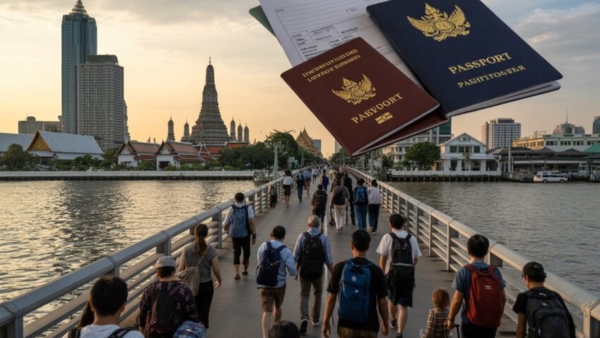
Thailand’s government is currently considering sweeping changes to travel rules that could significantly impact international tourists planning to visit the Southeast Asian nation in 2026. The policy shift under review includes a proposal requiring all foreign visitors, including tourists and short‑term travellers, to purchase valid health insurance before entry — a first in the country’s modern travel regulatory history. The proposed rule aims to address rising concerns about foreign travellers leaving unpaid medical bills and placing a financial burden on Thailand’s public health infrastructure. Public Health Minister Pattana Promphat has publicly stated that the policy is designed both to safeguard travellers and mitigate strain on the nation’s healthcare delivery systems. Foreign visitors who fall sick or have accidents during overseas travel typically access medical services that can lead to high treatment costs. In Thailand, where state and public hospitals often provide emergency care regardless of nationality, unpaid medical expenses by international travellers have reportedly risen, leading policymakers to explore mandatory insurance as a preventative solution. The Public Health Ministry has emphasised that affordability will be a core principle of any compulsory insurance scheme. Officials are reportedly reviewing premium ranges and coverage requirements to avoid pricing out budget travellers — who make up a large share of tourism arrivals.

Read more

Vietnam Tops Southeast Asia’s Luxury Travel Scene with Phu Quoc in the Spotlight

Vietnam has emerged as Southeast Asia’s premier luxury resort destination, surpassing countries like South Korea, China, Malaysia, Thailand, Taiwan, and India, with Phu Quoc standing out as the ultimate travel hotspot. This rapid rise is fueled by the island’s breathtaking landscapes, pristine beaches, and an influx of luxury resorts and world-class amenities, making it a magnet for affluent travelers. Phu Quoc’s blend of natural beauty and authentic Vietnamese charm, coupled with significant investments in infrastructure and tourism development, has placed it at the forefront of the region’s luxury tourism boom. As Vietnam enhances its offerings and attracts global attention, Phu Quoc’s transformation into a top-tier destination highlights the country’s growing dominance in high-end travel across Southeast Asia. Vietnam is undergoing a remarkable transformation, emerging as a leading tourism powerhouse in Southeast Asia. With an array of stunning landscapes, a rich cultural heritage, and an ever-growing luxury resort scene, the country is fast becoming a favorite destination for travelers around the world. Particularly, Phu Quoc Island has gained global attention as the crown jewel of Vietnam’s tourism sector, surpassing other regional players such as South Korea, China, Malaysia, Thailand, Taiwan, India, and more. Phu Quoc has positioned itself as Southeast Asia’s ultimate luxury travel hotspot, attracting high-end travelers seeking both relaxation and adventure.

Read more

Shimla Sees Tourist Surge as Rains Offer Relief from Heatwave

Shimla, India, has become a sought-after sanctuary as a result of a dramatic shift in weather, with torrential rain bringing a welcome break from the extreme heatwave that has gripped much of northern and central India. As temperatures in the plains soar past 40°C, the hill station’s cool, misty atmosphere has lured a significant increase in tourist arrivals. The sudden rainfall not only provides a refreshing respite but also enhances Shimla’s appeal, making it the perfect escape for travelers yearning for relief from the oppressive summer heat. With an orange alert issued for more rain and hailstorms, tourists are flocking to Shimla, eager to enjoy the cooler, serene environment it offers. Shimla, the picturesque hill station nestled in the foothills of the Himalayas, has once again become a sanctuary for those seeking refuge from the oppressive summer heat. On Tuesday, a sudden and heavy rainfall swept across the region, providing a welcome break from the soaring temperatures that have plagued much of northern and central India. With the India Meteorological Department (IMD) issuing an orange alert for the next 48 hours, the coming days could see more rainfall and even hailstorms, further enhancing Shimla’s appeal as an escape destination for travelers seeking cooler climes. The intense heatwave gripping the plains of India has pushed temperatures to a record-breaking 40°C to 45°C in several states. As the scorching sun continues to bake cities like New Delhi, Chandigarh, and Jaipur, the cooling showers in Shimla have provided an unexpected but much-needed respite. For the residents of Shimla, the rainfall has not only brought relief from the summer swelter but has also added an element of charm to the hill station’s natural beauty.

Read more

Airlines Roll Out High-Speed Inflight Wi-Fi, Transforming Global Travel Connectivity

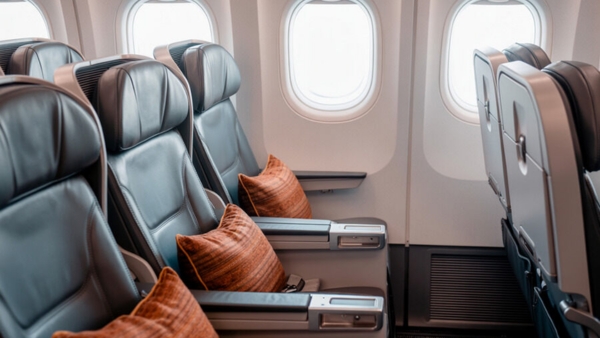
Singapore Joins Qatar, Southwest, SAS, WestJet, Air France, Flydubai, and More Airlines in Boosting Travel with High-Speed Inflight Wi-Fi as the global aviation industry accelerates towards enhanced connectivity. With travelers demanding faster and more reliable internet access while in the air, airlines worldwide are turning to Starlink, SpaceX’s innovative satellite network, to meet these expectations. Singapore Airlines’ upcoming partnership with Starlink, set to launch in 2027, will follow in the footsteps of industry leaders like Qatar Airways, Southwest Airlines, SAS, and Air France, who are already rolling out or planning to introduce high-speed Wi-Fi on their fleets. This shift promises to revolutionize the passenger experience, offering seamless connectivity that mirrors the speeds and reliability people expect on the ground. In the world of air travel, a new wave of change is sweeping across the skies. The global airline industry is embracing a new level of in-flight connectivity, thanks to Starlink, the satellite internet service developed by SpaceX. Singapore Airlines has recently joined the ranks of aviation giants like Qatar Airways, Southwest Airlines, SAS, WestJet, Air France, Flydubai, and several others to enhance the passenger experience by rolling out high-speed inflight Wi-Fi, expected to begin in 2027.

Read more