
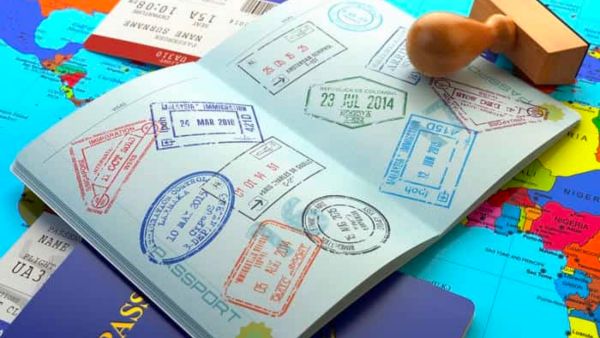
Visa Applications In India This Year Set To Surpass 2019 Record
- Sep 19,2023
- Travel Biz
The number of visa applications filed in India this calendar year is all set to cross pre-pandemic 2019 levels. This despite the continuing crunch for two major destinations, the US and Schengen states, which have long interview wait times and appointment count capping, respectively, and sky-high airfares. VFS Global, which manages visa applications for more than 50 countries, says it has from January to June 2023 processed well over 30 lakh visa applications in India as opposed to 60 lakh in 2019, which had faced none of the challenges currently being seen. Incidentally, 2019 was a record year for visa lodgements in India, which 2023 is now all set to better. “We are expecting to surpass pre-pandemic visa application volumes by the end of this calendar year. There has been a robust rebound in outbound travel sentiments. Despite initial scepticism, the level of bounce-back has resulted in a demand-supply gap,” said Prabuddha Sen, VFS Global COO (South Asia) . International airfares have refused to drop after the 2021-22 reopening of borders globally. It is not uncommon to find what once used to be return fare is now just the one-way price. Despite this crunch, the demand is back.
Read more
India became the first nation to surpass pre-pandemic levels of travel to Australia
- Sep 19,2023
- Business Out Reach
According to Australia’s High Commissioner to India, Philip Green, people are the living bridge between the two nations, and India is the first to return to and surpass pre-pandemic levels of travel to Australia. According to him, the number of direct flights between the two nations has virtually quadrupled.“People are the living bridge between Australia and India. Australian PM @AlboMP was one of 100,000 Australians to visit India this past year, double the number before COVID-19. India is the first country to return to (and beat) pre-pandemic levels of travel to Australia. Direct flights have nearly tripled! #dosti,” the Australian High Commissioner tweeted on Monday. Earlier, the Australian envoy on the Hindi Diwas posted a video on ‘X’, stating, “Hindi is popular not only in Australia but also among our diplomats based in Delhi. Today, on the occasion of #HindiDiwas, our diplomats are sharing with you their favorite Hindi proverbs that inspire them.“ Responding to his message, PM Modi took to his social media platform ‘X’ and said, “These couplets and idioms of yours are mesmerizing! This attachment of Australian diplomats towards Hindi is very interesting.” “I start as Australia’s 22nd High Commissioner to #India. I am looking forward to advancing ties – as PM @narendramodi has said, these are based on mutual trust & respect. #dosti@SenatorWong,” he captioned the video posted on X, formerly Twitter. According to the Australian High Commissioner to India, approximately a million individuals of Indian descent now reside in Australia, forming a “vital” and expanding connection between our two great countries. “This is a relationship brimming with opportunity from the security sphere where Australia and India have new levels of alignment of interest to the economic opportunity with the vibrancy of the Indian economy and the great underlying endowments of Australia present a perfect match and the human bridge,” he added. “Prime Minister Modi and Prime Minister Albanese have given me a very clear signal. We want to grow this relationship as far and as fast as we can. That is my objective,” Green said.
Read more
Tips to avoid viral and bacterial infections in public transport
- Sep 18,2023
- Times of India
01/10Millions commute to workplaces using public transport mode Public transportation is an essential part of urban life, providing convenience and accessibility for millions of people worldwide. However, it gets risky to travel in one as it is also a breeding ground for germs and infections, especially in densely populated areas. As we continue to navigate the challenges posed by infectious diseases, it's crucial to take precautions when using public transport services. Let’s discuss different ways you can keep yourself free from infections while taking public transport services. 02/10Wear a mask everytime you step in a crowded bus or metro Wearing a mask is one of the most effective ways to reduce the transmission of respiratory infections. It helps contain your respiratory droplets and protects you from inhaling potentially contaminated air. Make sure your mask covers your nose and mouth securely and replace it if it becomes damp or soiled during your journey. 03/10Maintain physical distancing When possible, maintain a safe distance from other passengers. Many public transport systems have designated seating arrangements or floor markers to help with this. Staying at least six feet away from others can significantly reduce the risk of airborne transmission. 04/10Use hand sanitizer Carry a small bottle of hand sanitizer and use it frequently. Apply sanitizer to your hands after touching surfaces like handrails, door handles, or ticket machines. Make it a habit to sanitize your hands before touching your face, especially your eyes, nose, and mouth. 05/10Avoid touching your face or mouth Touching your face with unwashed hands is a common way to introduce germs into your body. Be mindful of this habit, and resist the urge to touch your face during your journey. If you need to scratch an itch or adjust your mask, use a tissue or the inside of your elbow. From diet to sleep, reverse aging secrets of the man who says his biological age is 26 06/10Avoid eating or drinking in bus or metro While it's tempting to grab a snack or a drink during your commute, doing so can increase your chances of infection. Eating or drinking in a confined space like public transportation might require removing your mask, exposing you to potential risks. It's best to wait until you've reached your destination. 07/10Opt for contactless payment Whenever possible, opt for contactless payment methods such as mobile apps or prepaid cards. This minimizes the need to handle cash, tickets, or touch payment terminals, which can harbor germs. 08/10Wear gloves If you're particularly concerned about contact with surfaces, you can consider using disposable gloves. However, be cautious with their use, as improperly removing gloves can also lead to contamination. Dispose of them properly after use and sanitize your hands immediately. 09/10Clean your personal belongings Regularly clean and disinfect items you bring with you on public transportation, such as your phone, wallet, or bag. These items can pick up germs from surfaces and contribute to the risk of infection. Factcheck: Can Nipah virus spread from human to human like COVID? 10/10Do not travel in bus or metro if you are not well If you're feeling unwell, experiencing symptoms of illness, or have been in close contact with someone who tested positive for a contagious disease, it's best to avoid using public transport altogether. Stay home, seek medical advice, and consider alternative transportation options if necessary.
Read more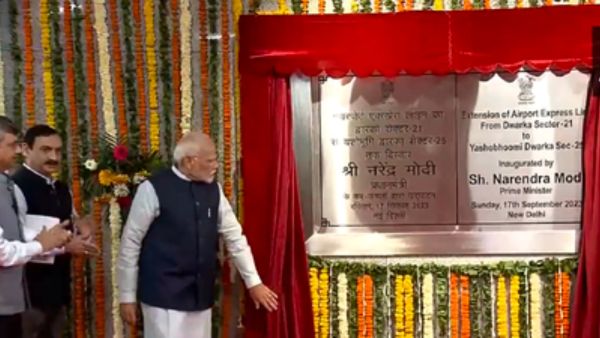
PM Modi inaugurates extension of Delhi Airport Metro Express line, trains to travel at 120 kmph
- Sep 18,2023
- Times of India
The two-kilometre extension of the Airport Express line is from Dwarka Sector 21 to a new metro station ‘YashoBhoomi Dwarka Sector 25’."Passenger operations on this new extension will be started from 3 pm on Sunday. With the addition of this section, the total length of the Airport Express line from New Delhi to YashoBhoomi Dwarka Sector-25 will become 24.9 kilometres," the Delhi Metro Rail Corporation (DMRC) said. Watch: PM Modi inaugurates extension of Airport Express Line. Key things to know The new station will enhance urban connectivity in Dwarka and facilitate travel to the IICC from central Delhi, the officials said. Metro passengers will now be able to reach IGI Airport from the New Delhi station in just 15 minutes and 30 seconds. First Look: What is YashoBhoomi that PM Modi will inaugurate in Delhi on his birthday The operational speed of trains on Airport Express Line is set to increase to 120kmph, which will make it the fastest metro corridor in the country. At present, it takes 19 minutes to travel between the airport and the New Delhi station. “This historic increase in speed of India’s fastest metro corridor, gradually from 90 kmph to 120 kmph, has been made possible by meticulous planning and time-bound implementation by Delhi Metro Rail Corporation’s engineers in consultation with a number of other government agencies and domain experts,” said Anuj Dayal, principal executive director, corporate communications, DMRC.
Read more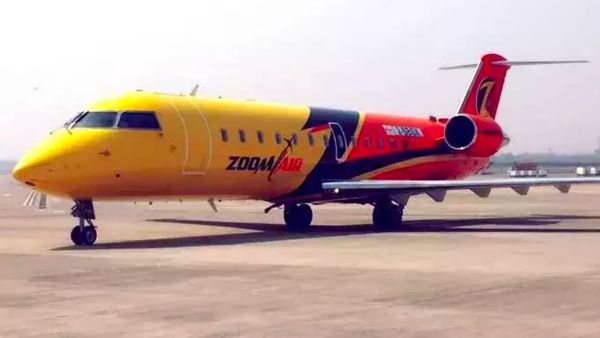
DGCA gives nod to Zooom airlines commence operations
- Sep 18,2023
- INFRA
The Directorate General of Civil Aviation (DGCA) has given its nod to Zooom airlines to commence commercial passenger operations in India. Zooom airlines or Zexus Air, initially established in April 2013, acquired its first aircraft, a Bombardier CRJ200. However, it only commenced operations in February 2017. Despite its efforts, the airline struggled to draw significant air passenger traffic. Due to safety concerns, the DGCA suspended its air operator certificate in July 2018 for a period exceeding a year. "Receiving the Air Operator Certificate is a testament to our unwavering commitment to safety and operational excellence. We are grateful to our dedicated team for helping us reach this significant milestone. With our AOC in hand, we are looking forward to providing passengers with a topnotch travel experience that combines convenience, efficiency, and comfort," said Zooom Airlines CEO Atul Gambhir. "Our CRJ 200 aircraft will provide domestic travellers with unprecedented speed on each route. We wish to cater to the growing number of domestic travellers who take frequent flights and expect comfortable travel with reliable speed," said Gambhir. "Indian domestic aviation is growing, and customers are looking for the most cost-effective, safe, and convenient solutions. We are confident in our ability to carve out a niche by offering a unique and innovative travel experience."
Read more
INDIA OUTBOUND MICE TOURISM MARKET WORTH US$ 13.4 BILLION BY 2031|DPI RESEARCH
- Sep 18,2023
- Breaking Travel News
According to the latest research study 2023, India Outbound Meetings, Incentives, Conferences and Exhibitions (MICE) tourism market size is expected to reach US$ 13.4 billion by 2031. The Indian Outbound Tourism (MICE) is experiencing significant growth due to a combination of economic factors, government support, infrastructure development, and increasing awareness among businesses and individuals of the benefits of attending international MICE events. As India continues to expand its global business presence, the outbound MICE tourism market is likely to continue its growth trajectory. The growth of India’s outbound MICE (Meetings, Incentives, Conferences, and Exhibitions) tourism market is influenced by several key factors. MICE tourism is a significant segment of the overall travel industry, and India’s increasing participation in this market can be attributed to the following factors: Economic Growth: India’s expanding economy has resulted in a larger disposable income for businesses and individuals. This has led to increased corporate spending on MICE activities, including international events, conferences, and exhibitions. Globalization of Businesses: Indian businesses are increasingly going global, which necessitates international meetings, collaborations, and networking opportunities. This drives the demand for outbound MICE tourism. Infrastructure Development: The growth of the outbound MICE tourism market is closely tied to the development of infrastructure, including modern convention centers, hotels, and transportation. India has been investing in improving these facilities to attract international events and conferences. Government Support: The Indian government has been actively promoting tourism and has introduced initiatives to facilitate outbound MICE travel. This includes visa liberalization, simplified regulations, and financial incentives for hosting international conferences in India. Rising Education and Skill Development: India’s education and skill development sector is booming, and students and professionals are increasingly seeking international exposure through conferences, workshops, and educational events. This drives outbound MICE tourism, particularly in the education sector. Diverse Business Sectors: India is home to a wide range of industries, including IT, pharmaceuticals, finance, and manufacturing. These industries frequently participate in international trade shows, exhibitions, and conferences, contributing to outbound MICE tourism. Corporate Incentive Programs: Many Indian companies use outbound MICE tourism as part of their employee incentive programs. This encourages employees to achieve targets and participate in international conferences and events. Increasing Connectivity: Improved air connectivity and more affordable international flights have made it easier for Indian travelers to explore international MICE destinations. Growing Awareness: There is a growing awareness among Indian businesses and organizations about the benefits of participating in international MICE events. Networking, knowledge sharing, and business opportunities are significant incentives. Destination Diversity: Indian travelers are increasingly looking for diverse destinations, both popular and emerging, to host MICE events. This diversification of destinations adds to the growth of outbound MICE tourism. Technology Advancements: The use of technology, such as virtual and hybrid meetings, has made it easier for Indian companies to participate in international MICE events, even during challenging times like the COVID-19 pandemic. Industry Collaboration: Collaboration between various stakeholders in the travel and MICE industry, including event organizers, travel agencies, and hotels, has played a vital role in promoting outbound MICE tourism. India outbound MICE tourism market is a comprehensive study and presentation of drivers, restraints, opportunities, demand, market size, insights, forecast and trends for the period 2015 – 2031. In addition, the report provides historical market data from 2015 to 2022 and forecasts to 2031. The report uses data and analysis to discuss potential lucrative opportunities, current and future trends related to Indian outbound MICE tourism flow, spending and key target markets. The report provides a clear insight into the current and future tourism developments in the Indian outbound MICE tourism market. In addition, this report uses country-specific analysis to study the India outbound MICE tourism market. A detailed country-specific analysis of the market is presented, covering a total of 30 countries. The driving forces and restraints are studied in detail to better understand the market and identify future growth opportunities in the market. After a thorough study of the historical and current growth parameters, the growth prospects of the Indian outbound MICE tourism market are determined with utmost precision.
Read more