After months of closure due to heavy snowfall and harsh winter conditions, the Bhaderwah-Chamba interstate road has officially reopened, offering vital connectivity between Jammu and Kashmir and Himachal Pradesh. The reopening of this crucial route, which serves as a lifeline for both locals and tourists, marks the end of a long winter hiatus and ensures smoother travel ahead of the peak tourist season.
Key Route Reopened for Traffic
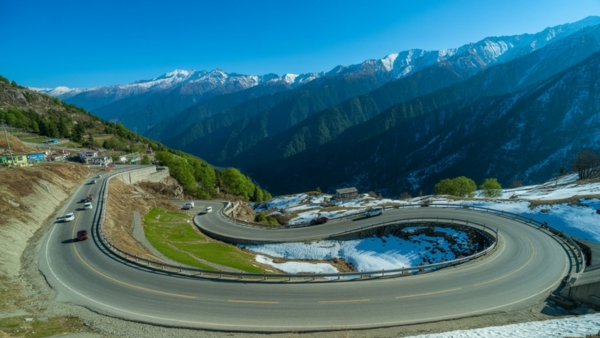
The Bhaderwah-Chamba road, a vital interstate route connecting the town of Bhaderwah in Jammu and Kashmir to Chamba in Himachal Pradesh, has been cleared of snow and debris, allowing vehicles to once again pass through the area. The road had been closed for the winter months due to dangerous weather conditions, including snow accumulation and icy terrain. On April 18, local authorities officially announced the reopening of the 100-kilometer stretch, which is crucial for both economic and tourism activities in the region.
Impact on Tourism and Local Economy
The reopening of the road is expected to significantly boost tourism in the region. Bhaderwah, often referred to as “Chhota Kashmir,” is known for its picturesque landscapes and serene environment, attracting tourists from across the country. Similarly, Chamba, famous for its historic temples and lush green valleys, sees a spike in tourist traffic in the summer months. The restored road ensures tourists can now visit both regions with ease, increasing business for hotels, local restaurants, and transport services. The road’s accessibility will also aid local businesses by facilitating the smoother transportation of goods across state borders.
Read more