Munich Expands Airport Capacity with New Terminal Pier
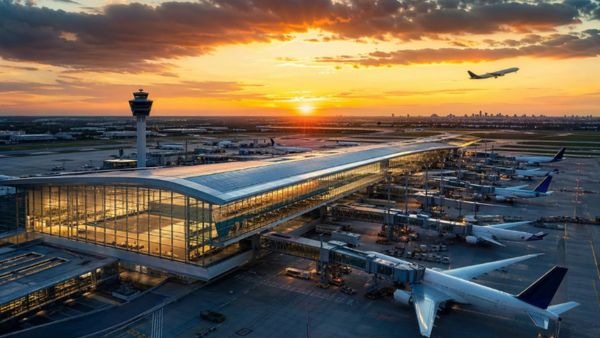
Munich’s position as one of Europe’s most critical aviation gateways has taken a decisive leap forward with the launch of a newly developed pier at Terminal 1, a move that is already reshaping travel dynamics across Germany and the broader European network. The development comes at a time when international travel demand continues to surge, placing renewed pressure on infrastructure that must now evolve rapidly to meet both passenger expectations and operational complexity. This expansion is not simply cosmetic. It represents a fundamental shift in how non Schengen travel is handled, especially for long haul and transatlantic routes that have historically faced congestion and inefficiencies within older terminal modules.
For years, Terminal 2 at Munich Airport has been associated with modern design and streamlined operations, while Terminal 1 carried the weight of legacy infrastructure. The opening of the new pier changes that narrative dramatically, injecting advanced capacity and efficiency into a section of the airport that is now poised to play a much larger role in global connectivity.
Transatlantic Travel Gains Momentum As Airlines Activate New Routes
The operational debut of the pier has already been marked by high profile long haul movements, signaling its immediate relevance in global aviation networks. The arrival of an American Airlines flight from Charlotte and the departure of a Delta Air Lines service to Detroit illustrate how the facility is being deployed to handle high demand intercontinental routes with precision and efficiency. These routes are critical not only for tourism but also for business travel, linking Bavaria directly with major economic centers in North America.
The presence of advanced widebody aircraft, including modern fuel efficient jets such as the Airbus A350, reinforces the pier’s design focus. The infrastructure has been purpose built to accommodate next generation aircraft, ensuring faster boarding processes, optimized turnaround times, and improved passenger comfort. This is particularly significant as airlines continue transitioning toward more efficient fleets to meet sustainability targets outlined by European and German aviation authorities.