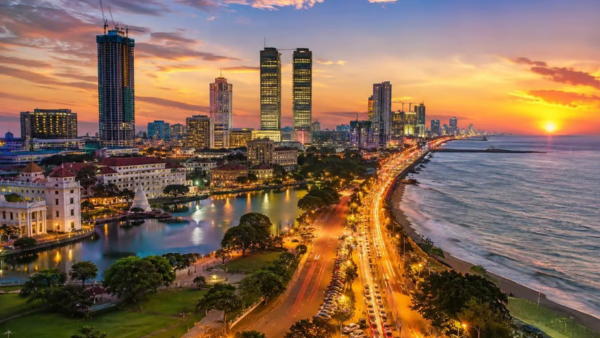
Asian Travelers Shift to Safer, Affordable Regional Destinations Amid Airfare Hikes and Flight Disruptions
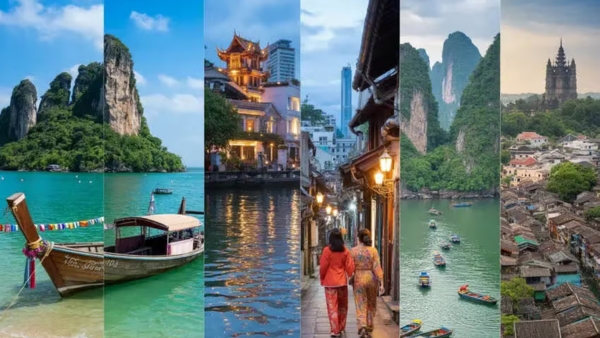
Thailand Joins China, Japan, Vietnam, India, and Malaysia in driving unprecedented growth in emerging destinations as travelers adjust their plans in response to Iran war flight disruptions, rising airfares, and increasing travel costs. Secondary cities and lesser-known locations are being favored for their safer, more affordable intra-regional options, offering easier access, cultural richness, coastal retreats, and heritage experiences. These destinations are increasingly becoming the preferred choice for both domestic and regional travelers seeking value, convenience, and immersive experiences away from traditional, crowded tourist hubs.
Summer 2026 is witnessing a significant pivot in travel patterns across the Asia-Pacific region. Global travelers are increasingly opting for secondary and less congested cities, prompted by rising costs, ongoing geopolitical tensions, and flight disruptions caused by the Iran war. Traditional tourist hubs are seeing a relative decline, while emerging destinations are experiencing unprecedented growth. Hotels, investors, and tourism authorities are adjusting strategies to meet this changing demand, marking a notable shift in regional travel trends.
The ongoing trend has been influenced heavily by domestic preferences and intra-Asia travel. Travelers are increasingly cautious of international routes passing through conflict-prone regions, opting instead for destinations closer to home.