Sissu Emerges as India’s Hidden Mountain Escape
The high-altitude travel market is witnessing a deep change in how humans explore remote landscapes. This massive transformation began when a brilliant engineering masterpiece pierced through the steep mountain walls of Himachal Pradesh. This vital artery, widely celebrated as the Atal Tunnel, completely altered the accessibility of the far north. Historically, heavy winter snows blocked this valley for nearly half the calendar year, creating a long period of complete isolation. Today, this modern connection facilitates a steady, year-round flow of global travelers into areas that were once entirely unreachable.
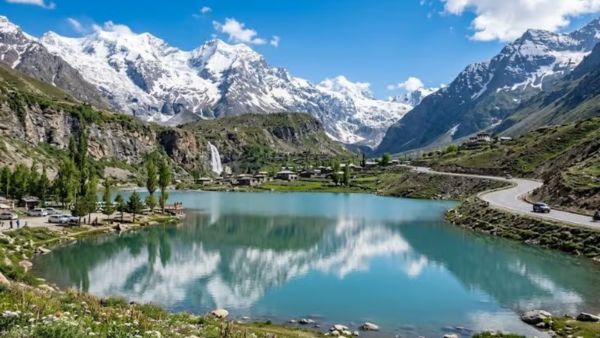
When explorers step out of this long mountain transit passage, they arrive at the scenic outskirts of Sissu village. Because of its strategic geographic location, this beautiful settlement naturally became the most famous initial stop right after crossing the Atal Tunnel into this majestic terrain. This entry point quickly fills with eager holidaymakers, transient sightseers, and active roadside setups during peak weekends. However, forward-thinking travelers shouldn’t end their journey there. The spectacular Lahaul Valley features several stunning, less-crowded destinations further along the route.
These incredible, untouched mountain sanctuaries hold immense potential to completely reshape local economies and uplift remote indigenous communities. Industry research confirms that strategically dispersing heavy foot traffic away from congested entry points protects fragile environments from severe ecological degradation. Furthermore, this deliberate movement of visitors deeper into the interior creates a highly resilient, sustainable business model for remote homestays, transport providers, and adventure outfitters operating across the region. This intentional, long-term geographic expansion secures the economic viability of the entire highland hospitality sector for generations to come.