Singapore Opens New Opportunities for Hotel Development in Heritage Districts
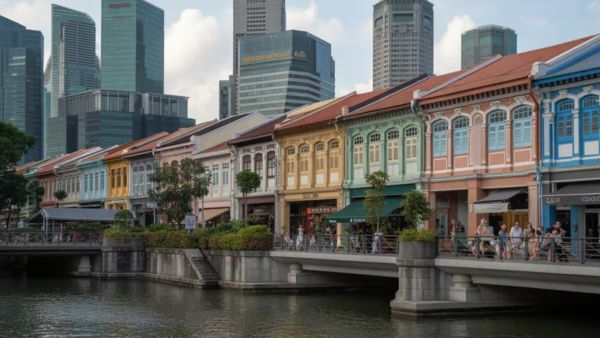
Singapore has introduced a significant policy shift affecting tourism development and urban planning, as authorities move to relax long-standing restrictions on new hotel developments within selected heritage precincts. The decision is aimed at strengthening tourism capacity, improving visitor experiences, and supporting the adaptive reuse of historically significant districts while maintaining their cultural identity. The updated framework applies primarily to key central districts in Singapore, including areas near the Singapore River, such as Boat Quay and Upper Circular Road, as well as parts of the Beach Road precinct. These locations are known for their architectural heritage, dense urban activity, and strong tourism appeal, making them strategic zones for controlled hospitality expansion.
The government’s decision marks a transition from a highly restrictive approach toward a more flexible urban planning model. Previously, new hotels, hostels, and serviced apartment developments were largely restricted in these heritage zones to prevent excessive commercialisation and preserve the historical character of the neighbourhoods. Under the revised framework, authorities will allow carefully assessed development proposals for accommodation projects. This change reflects a broader strategy to balance heritage conservation with economic vitality, ensuring that historic districts remain active, relevant, and economically sustainable. Urban planning agencies in Singapore, including national development and planning authorities, have emphasised that the updated approach will still prioritise heritage preservation while enabling selected areas to accommodate modern tourism infrastructure.