Vietnam’s Culinary Tourism Boom Is Redefining Travel Experiences Across Asia
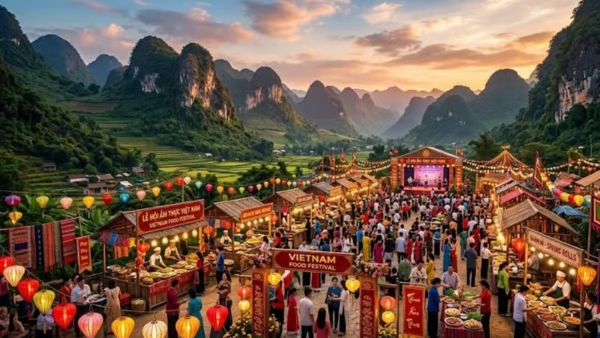
The international landscape of tourism in 2026 is witnessing an extraordinary metamorphosis, as Ho Chi Minh City firmly establishes itself as a central pillar of global interest. This profound change has been catalyzed by the visionary strategies of Vietnam, which has dedicated significant resources to transforming Saigon into a world-class epicenter for gastronomic exploration. Consequently, the traditional concept of a holiday is evolving away from superficial sightseeing and toward deep, sensory immersion. Today, the travel industry recognizes that sustainability is no longer merely a trend but the essential foundation of how a modern city interacts with the global community.
Travelers are now vocally demanding more than just a quick visit to famous landmarks; they are seeking a profound connection to the history, the people, and the specific flavors that define a regional culture. By prioritizing high-quality and authentic experiences, the local hospitality sector is setting an entirely new global standard for excellence. This movement reflects a broader international trend where the travel industry must adapt to a more conscious and discerning audience. Transitioning successfully into this era requires an intricate balance between protecting ancient heritage and embracing modern innovation to ensure long-term economic growth and cultural integrity.
The current state of international exploration suggests that the year 2026 represents a historical pivot for Southeast Asia, particularly as Vietnam redefines the parameters of visitor engagement. It was explained that the authorities have moved beyond basic tourism metrics to focus on high-value, qualitative growth. Analysts have noted that the city of Saigon is no longer just a stopover for backpackers but a primary destination for the global elite and cultural connoisseurs.