India finally paying attention to business brought in by festival tourism: Sanjoy K Roy
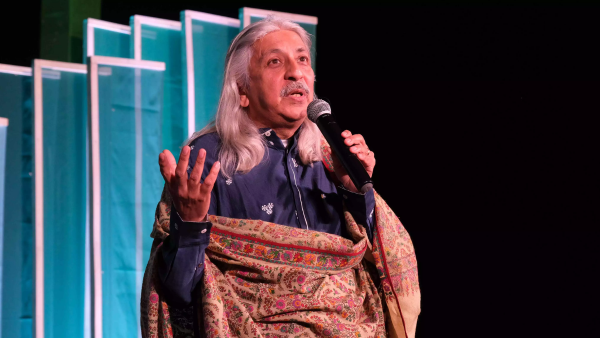
“The minute you start investing within an economy in control of creative industry, or sector space, you are upskilling the gig economy. And the gig economy, because of the nature of the beast that it is, it trickles. The impact of trickling down is huge,” said Sanjoy K Roy, Managing Director, Teamwork Arts in an interview with ETTravelWorld.
If it were the traditional fairs at
one point that attracted community participation with underlined
business prospects, organised festivals that aim to draw the youth and
specific interest groups are beginning to gain attention and grow in
terms of scale in recent times.
Corporate support to such events has been an important factor in
promoting culture as well and boosting tourism growth. Curated festivals
like Mahindra Kabira that is held on the ghats of River Ganga in Varanasi
or The Sacred Amritsar or even Jaipur Literature Festival (also put
together by Teamworks Arts) are only case in point of an opportunity to
combine cultural immersion with tourism prospects.
“There’s a huge opportunity here. If you marry built heritage with
cultural tradition and bring in a sense of hospitality, food, etc, it is only
automatic that tourism will grow. The minute you bring in people from
anywhere else into a city or a place, you are contributing to the local
economy,” said Sanjoy K Roy, Managing Director, Teamwork Arts.
Recently, the Mahindra Kabira Festival concluded its seventh immersive
and experiential two-day sojourn on the historic ghats of Varanasi. The
gathering of delegates from across the world were treated to a
programme of classical, folk and fusion music and insightful discourse
inspired by Kabir, heritage walks, temple visits, Ganga Arati, boat rides,
and a range of food curated daily with signature local Banarasi dishes.
“For Mahindra Kabira, as many as 400 people flew in from different
places. Once they reached, beyond attending the festival, they sought
retail therapy, explored local foods and the city, used local
transportation, including boats at the ghats. So at the very grassroot, you
are contributing and giving back to the economy,” he said.
And once the wheel is set rolling comes upskilling driven by quality.
This is followed by investment in doing it differently, he added. “The
minute you start investing within an economy in the control of creative
industry, or sector space, then you are upskilling the gig economy. And
the gig economy, because of the nature of the beast that it is, it trickles.
The impact of trickling down is huge,” he said, adding, “Which is the
reason there was a study which said for every million dollars of
investment into the built economy, you create nine to 11 jobs. For every
million dollars of investment into the creative industries or sector, you
create 111 to 117 jobs. So the impact is huge.”
In terms of revenue generated, according to Roy, a festival such as this
brings in an additional revenue of INR 10-15 cr over the five days to the
city, over and above that generated through tourism.
Teamwork Arts organises 33 odd festivals in as many 72 cities, shared.
In terms of government participation, Roy said the festivals need not
necessarily be inspired or subsidised by the government but are
definitely supported by the local economy. This is where the role of the
corporates comes in. A healthy support from the corporates allows one to
create much larger and interesting ecosystems, he shared.
Commenting on the corporate versus the government support to such
large-scale cultural events, Roy said the ideal situation is when you have
all three coming together – the government, locals and the corporates.
“The government is responsible for good policies to be able to enhance
this. So whether it is at the taxation level, or the city planning level, or
whether just in the cleaning up of the city or the streets, it would all
make a difference,” he said.
Citing the example of political will, he shared that a noticeable shift in
the experience can be seen from after PM Narendra Modi took over the
task of cleaning up Varanasi. “We have seen a complete transformation
over the last 10 years. The Prime Minister had a specific person
appointed from the city who ensured that the place remains clean even
after the event is over. This speaks volumes of the will of the authority to
encourage such events and the concurrent development,” he said.
Listing out the challenges, Roy pressed the need for a proper policy
especially when it comes to permissions. A lot of which, he said, in the
current scenario, relied on the administrative support and will.