The era of 'bleisure' travel: Remote and hybrid work trends inspire a fusion of business and leisure on work trips
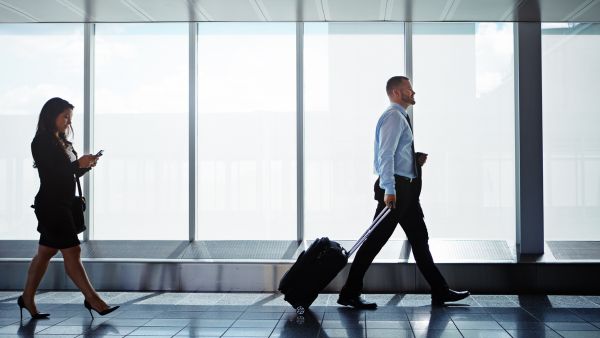
The landscape of work has undergone a significant transformation with the rise of remote and hybrid models, causing a ripple effect across various industries. Remote and hybrid work has affected many industries, from commercial real estate to downtown restaurants. And it has impacted how many workers, unfettered by office attendance requirements, plan their travels. Some call it “ bleisure travel,” “laptop lugging,” “workations” or simply “blended travel.” The gist is the same: Remote and hybrid employees extend work trips to include leisure activities or work during their leisure trips. Whatever it’s called, it could upend the traditional divide between leisure and business travel.
The travel lodging industry is already seeing the trend’s impact. Because bleisure travelers’ needs differ from those of traditional vacationers or work trippers, existing lodging options — particularly hotels — can fall short. This has created an opportunity and appears to be fueling a boom among short-term vacation rentals such as Airbnb. Quarterly demand growth for short-term rentals has outpaced that for hotels since the first quarter of 2022, when travel began to fully rebound from the pandemic, according to a 2023 report from AirDNA and STR/CoStar, hospitality industry analytic services. This shift reflects changing traveler preferences and the ability of short-term rental hosts to react swiftly to these changes.
“We saw more and more people looking to convert their homes to short-term rentals,” says Jamie Lane, chief economist at AirDNA. “So supply could be added in an instant. It takes 10 minutes to create a listing, while building a hotel can take years.” Indeed, the year-over-year growth in supply of short-term rentals has exceeded 15% in every quarter from the first quarter of 2022 through the second quarter of 2023, compared with below 5% growth for hotels, according to the report.
More short-term rentals are available and more travelers are choosing them. How does “bleisure” travel factor in?
A NEW KIND OF TRAVEL — AND TRAVELER
Vacations used to be something that employees squeezed between long periods of work. That’s no longer the paradigm for many office workers with more flexible schedules. Far from being a pandemic-only trend, the popularity of bleisure travel is increasing. For instance, more than a third of workers plan to do some work on holiday season trips this year (up from 26% during the 2022 holiday season), according to a fall 2023 survey by consulting firm Deloitte.
Importantly, remote employees who planned to work during their holiday trips expected to extend their trips by nine days due to increased schedule flexibility. That is, bleisure travelers are taking much longer trips than they would have if they had to rush back to the office. This has profound implications for the lodging industry.