No e-pass required to travel to Himachal from July 1

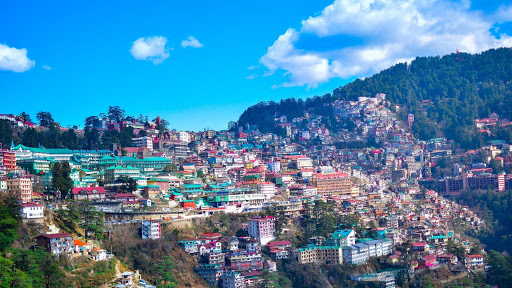
Himachal Pradesh has decided to put an end to the e-paas system for entry in the state from July 1. The decision to discontinue the e-pass was taken by the Himachal state cabinet meeting on June 23. The government has also allowed inter-state buses to operate with 50 percent capacity. Also, all the temples in the state will also reopen from July 1 with COVID protocol in place. Just a few days back, the Himachal Pradesh government announced that no RT-PCR test reports would be required to enter the state. Soon after the announcement, an overwhelming number of vehicles created a massive jam in the Parwanoo region, bordering Himachal and Haryana. The pictures of the jam went viral on social media. As per the SOPs issued by the Department of Language, Art and Culture, Himachal Pradesh, a notice said that the state has also allowed the religious spots to reopen but devotees need to follow all the requisite social distancing norms. But no kirtan, bhajan, jagratas etc. shall be permissible. As far as social gatherings are concerned, only 50 percent of the total indoor capacity with maximum 50 people will be allowed. For outdoor gatherings, a maximum of 100 people would be allowed. The shops in the state would remain open from 9 AM to 8 PM and restaurants would be allowed to operate till 10 PM. The decision to discontinue the e-pass comes as a relief for the state’s hospitality sector and hoteliers, who were struggling with the COVID-19 lockdown.

Read more

Andhra tourist places to open from Today

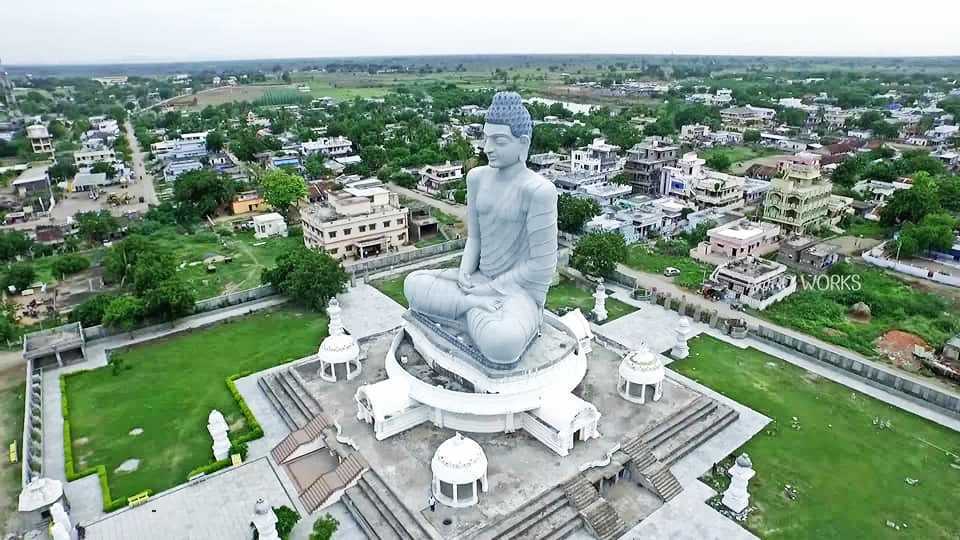
Andhra Pradesh is all set to reopen tourist attractions in the state from Today. “All tourist places in the state should reopen from Thursday,” said Tourism Minister Mutthamsetty Srinivas on Wednesday after reviewing the tourism sector at the Secretariat. The Minister called for popularizing the prominence of AP tourist attractions across major cities in India through roadshows. According to Srinivas, the tourism department’s Blue Bay hotel at Rushikonda in Visakhapatnam will be developed with Rs 164 crore. Likewise, the minister said that there should be no room for corruption in the tourism department.

Read more

Travel industry likely to reach 35-40 pc revenue of pre-pandemic level this fiscal: Report

The travel and tourism industry is likely to reach 35-40 per cent revenue of the pre-pandemic level in the current financial year, according to a report. With states beginning to ease restrictions and vaccination rates expected to improve, we see domestic travel picking up slowly from the second quarter. However, segments such as international holidays and inbound travel may see recovery only in the second half, and that too only if travel restrictions are eased in foreign countries,” Crisil Ratings Senior Director Manish Gupta said. He also noted that with meetings and events shifting to the online mode, corporate travel is expected to remain under pressure. “Overall, therefore, revenue this fiscal year may reach only a little over a third of the pre-pandemic level, that is 35-40 per cent, he added. The Crisil Ratings report further stated that while companies have raised capital last fiscal and will continue with cost-control measures to cut cash losses, therefore, a significant decline in travel and continued uncertainty about the pandemic will weigh negatively on their credit profiles. Tours and travel operators provide services such as air or bus ticketing, hotel packages for both leisure and corporate travel within India and overseas. These companies’ revenues declined to Rs 2,300 crore last fiscal, which was only 20 per cent of FY20 levels, after the nationwide lockdown and other restrictions led to a sharp reduction in travel, it said. The industry was brought to a standstill in the first quarter of last fiscal the peak travel season because of summer holidays which eroded revenue 95 per cent year-on-year. However, there was a gradual turnaround thereafter, with improving air traffic and demand for short domestic holidays lifting revenue to 55 per cent of the pre-pandemic level by the fourth quarter, the report said. Then the second wave set in and under its impact, the first quarter of this fiscal is expected to be almost a washout once again, this time because of state-level lockdowns, it added. In FY22, too, the industry is expected to post operating cash losses of around Rs 150-200 crore, which is significantly lower than last year, mainly on account of improved bookings and continued control of costs. Moreover, the report stated that the travel operators have limited dependence on debt as their working capital cycle is typically negative because of high customer advances and creditors compared to low receivables. Further, companies raised capital last fiscal amid near-term uncertainties, which boosted their cash balance to over Rs 4,300 crore, against modest debt repayments of Rs 85 crore due this year, it pointed out. The silver lining for the industry is people’s fundamental urge to travel may not have diminished as multiple European countries, including France, Italy and Spain, began opening up their borders over the last two months to bring back tourists and the US is expected to soon follow suit, Crisil Ratings Associate Director Naveen Vaidyanathan said. “However, uncertainties continue in the Indian context, including an improvement in vaccination rates, opening up of international borders for Indian travellers, and how corporate travel actually shapes up in the post-pandemic world. These uncertainties, along with continued losses, drive our negative outlook on the sector and are also key monitorables, he added.

Read more

Puri Rath Yatra 2021 to be held on July 12; details inside

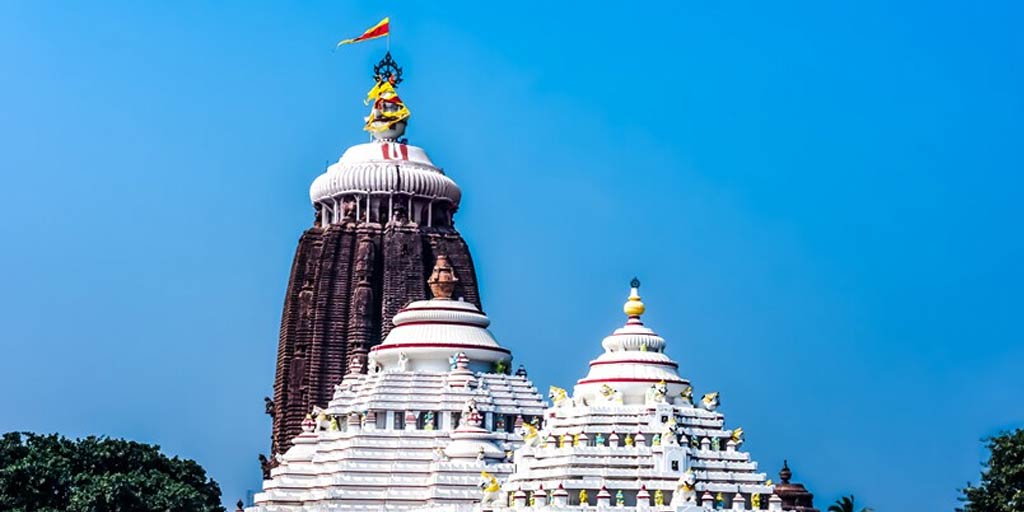
Shree Jagannath Temple Administration (SJTA) has finalised the date for the revered and famous Puri Rath Yatra 2021. This year, the yatra will be held on July 12 in the town of Puri, Orissa with COVID-19 protocols in place. The schedule was finalised on Sunday by the SJTA. In the meeting, it was also decided that everyone, including servitors involved in the rituals, will have to undergo RT-PCR tests or must have taken both the jabs of Coronavirus vaccines. Due to the current pandemic situation, devotees will not be allowed during all the temple events, and only servitors and temple officials will be a part of the holy rituals. On the auspicious day of Snan Yatra (the holy bathing festival of the deities), prohibitory order under Section 144 of CrPC will be imposed around the temple. The festival involves bathing of the three deities, namely the trinity Lord Jagannath, Lord Balabhadra and Devi Subhadra. As per authorities, the famous Jagannath Temple would be open to the public from July 25. Puri Temple ritual schedule: 1) June 24: Snan Purnima will begin with the walking procession of the deities at 1 AM and end by 4 AM. 2) Sweeping of the bathing place by Dibyasingh Deb, the titular king of Puri will start at 10.30 AM. 3) After that, deities will be decorated with elephant attire between 11 AM and 12 noon. 4) The trinity lords will then be taken to the Anasara Ghar (sick room). It is believed that after taking the bath, the gods fall sick. 5) Return procession of the deities from the bathing pandal to the sick room to take place from 5 PM to 8 PM. 6) Anasara rituals will go on for the next 15 days. 7)July 12: Rath Yatra procession will begin at 8:30 AM. Chariot pulling will start at 4 PM. 8) Suna Besha ritual (golden attire) will be held between 4 PM to 11 PM on July 21. 9) On July 23, Niladri Bijee ritual, which is the return of the trinity to the main temple, will be held. The procession will begin at 4 PM and end at 10 PM.

Read more

Thailand greenlights quarantine-free travel for Phuket amid Covid

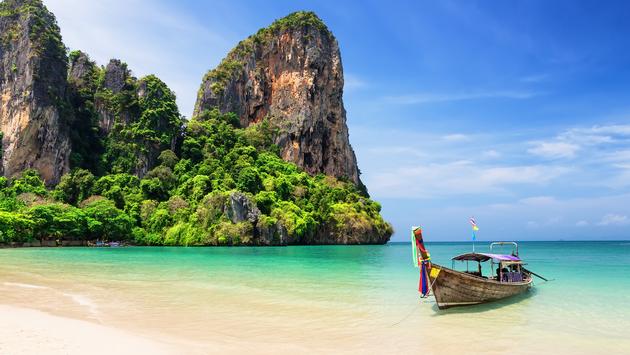
Thai authorities on Tuesday greenlighted a pilot model for quarantine-free travel to ultra-popular beach destination Phuket, a first step towards the tourist-hungry kingdom's goal of resuscitating its pandemic-battered economy. Thailand has imposed strict restrictions on visitor arrivals in order to stem the coronavirus, but discouraging visitors has led to its economy recording the worst performance since the 1997 Asian financial crisis. The hugely important tourism industry has been on tenterhooks since March, when the government floated the so-called "Phuket sandbox" scheme, which would have allowed vaccinated tourists to enter the country without undergoing the usual two week's quarantine. But after a third wave of Covid infections engulfed the country in April, the scheme appeared to be on the back burner, thanks to muddy messaging from authorities. Tourism officials and members of Thailand's Covid taskforce announced Friday the sandbox scheme was set to begin on July 1. On Tuesday -- eight days before its launch -- government spokesman Anucha Burapachaisri said the cabinet of Prime Minister Prayut Chan-O-Cha had officially given the scheme its blessing. Besides Phuket, the other destinations include Koh Samui, Koh Phangan and Koh Tao -- all sun-soaked islands renowned for clear waters and sandy beaches. But tricky caveats to ensure the sandbox goes ahead without any disruptions include keeping infection rates low -- in Phuket the number of weekly Covid cases cannot exceed 90. "As of today, the number of (infection cases) in Phuket can still ensure that the Phuket sandbox scheme will go on," said Covid-19 taskforce spokesman Taweesin Visanuyothin on Tuesday. Thailand's tentpole tourism industry previously made up almost 20 percent of its national income. Its losses have reverberated through other sectors including restaurants, transportation and the service industry. PM Prayut has come under vociferous criticism for his handling of the pandemic -- from the start-stop process in instating restrictions and the lack of state support for impacted sectors to the procurement of vaccines. The premier announced last week that he plans for Thailand to fully reopen to foreign visitors by October -- a vow that would require his administration to hit the target of innoculating 50 million Thais in four months, he said.

Read more

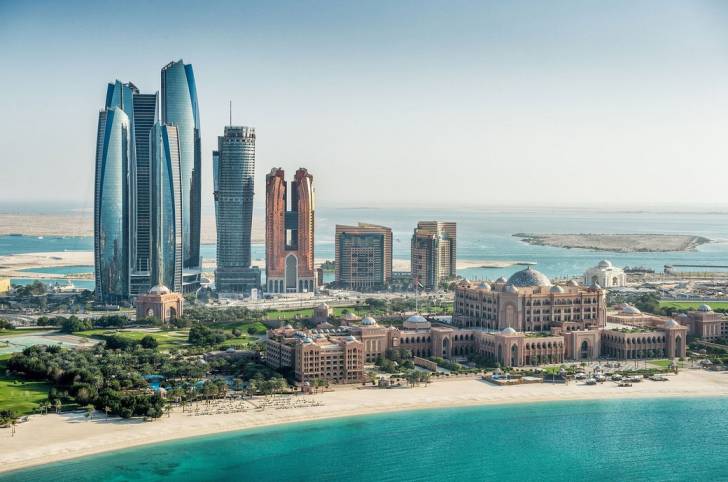
UAE capital Abu Dhabi offers free Covid-19 vaccines to tourists

Abu Dhabi, the capital of the United Arab Emirates, is offering tourists free Covid-19 vaccinations that were previously restricted to UAE citizens and residency visa holders. There is no indication that the change applies to Dubai, the most populous emirate, or the other five emirates that make up the UAE. Visitors with visas issued by Abu Dhabi and passport holders eligible for tourist visas when they arrive in the UAE through Abu Dhabi can book free vaccines, according to information provided by the Abu Dhabi Health Services Company (SEHA), which operates the emirate's public health infrastructure. Holders of expired residency or entry visas are also eligible for free vaccinations, Abu Dhabi Media Office said on June 11. Job losses and travel restrictions during the pandemic mean some people's residency visas have expired or have been cancelled when they were made redundant. UAE Health authorities said this month nearly 85% of the eligible population had received at least one vaccine dose, but did not say how many had had two doses. Infections have risen in the UAE in the past month, and Abu Dhabi still has restrictions on entry, including home quarantine and PCR testing at intervals after arrival. People driving from other emirates are tested to show they are not infected. Travellers from 27 countries including China, Germany and the United States can enter without quarantine on arrival. SEHA offers Covid-19 vaccines by China's state-owned drugmaker Sinopharm and by Pfizer/BioNTech in Abu Dhabi. Dubai Media Office did not immediately respond to a request for comment on whether eligibility criteria was to change. Dubai Health Authority information says vaccines are given only to citizens and holders of valid Dubai residency visas.

Read more