Saudi Tourism to launch ‘Journeys in Arabia’ in India

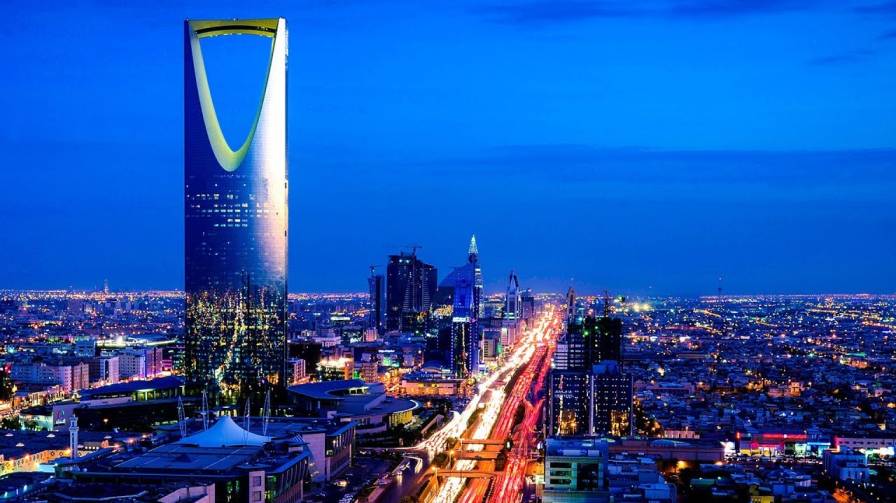
Saudi Tourism Authority (STA), the department responsible for promoting tourism to the Kingdom of Saudi Arabia, is set to organise its first-ever webinar for the Indian market, announcing the launch of ‘Journeys in Arabia: Opportunities Saudi’. This by-invitation launch webinar will be held on February 17, 2021 from 4:00 pm to 5.30 pm, and will offer a glimpse into the largest country in the Middle East, and the fourth most populous in the MENA region. The Kingdom of Saudi Arabia is a country of natural beauty, great diversity and hidden treasures. Saudi’s tourism offering focuses on delivering authentically Arabian adventure, culture and heritage underpinned by remarkable hospitality. It is the Kingdom’s unique natural attributes and its authenticity as the home of Arabia that will attract and enthral travellers. Saudi opened its doors to the world of leisure tourism in September 2019 with the launch of our tourism e-visa service. STA is confident that Saudi will emerge as a new must-see destination for adventurers and cultural explorers from all around the world. Fahd Hamidaddin, CEO, STA, will deliver the keynote address at the webinar. The webinar will witness a panel discussion on 'Opportunities for Tourism from India to Saudi Arabia', with Haitham Mattar, Chief Commercial Office, STA; Sheema Vohra, MD, Sartha Global Marketing; Benazir Nazar, CEO, Akbar Travels; Deep Kalra, Founder & Group Executive Chairman, MakeMyTrip; Madhavan Menon, CMD, Thomas Cook Group and Rakshit Desai, MD - India, FCM, shedding light on the authentic Arabian experiences Indian travellers can enjoy in Saudi Arabia. The opening up of doors to leisure tourists by the Kingdom is a historic milestone and a key step in implementation of Vision 2030, the Kingdom's economic diversification programme, aiming to connect Saudi Arabia to the world, build bridges between cultures and create prosperity for the future. The Saudi e-Visa process, launched in September 2019, is a completely digital process. The Kingdom offers multiple-entry e-Visa valid for a year, allowing tourists to stay for up to 90 days per visit, and up to 180 days per year. The e-Visa costs cost SAR 440 plus VAT, and is inclusive of mandatory health insurance. Tourists from eligible countries can apply for a tourist visa online through e-Visa portal (https://visa.visitsaudi.com) ahead of their trip, or upon arrival in Saudi Arabia through visa kiosks at immigration. Tourists from other countries should apply for a consulate visa through Saudi embassies and consulates abroad. Visitors from any country can gain a tourism visa-on-arrival if they have an activated and valid US, UK or Schengen visa and are travelling with a Saudi national airline (Saudia, Flynas or Flydeal). In the first six months after the e-Visa facility launched over 400,000 visas were issued, and by 2022 Saudi Arabia is targeting 62 million annual visits, and by 2030, the plan is to host 100 million annual visits from domestic and overseas markets.

Read more

Maldives Revises Tourism Projections Due to Vaccination Drive, Expects 1.5 Million Travellers in 2021

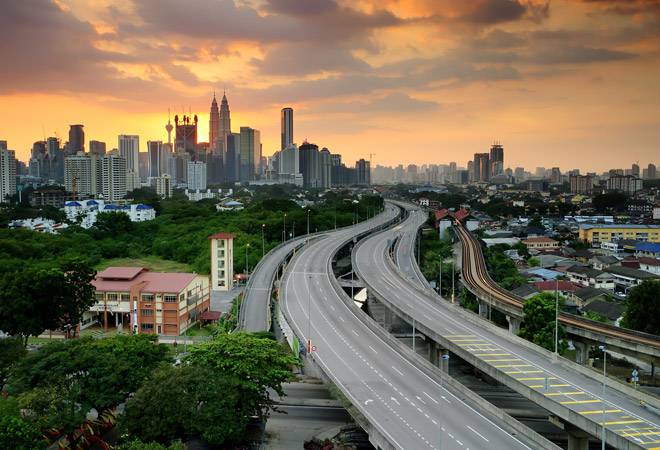
The Maldivian government has revised tourism arrival projections from 1 million to 1.5 million in 2021 due to the island nation's early Covid-19 vaccination programme, a Minister said. Speaking in Parliament on Thursday, Minister of Tourism Abdulla Mausoom said the inoculation program could help boost the tourism sector, reports Xinhua news agency. Mausoom said that efforts were made to develop tourist facilities in the north and south of the country, including two new resorts in the island of Addu and the beginning of chartered flights to the Gan International Airport. The Maldives has allowed 614 tourist facilities to resume operations under health protocols, representing a total bed capacity of over 43,000. The tourism sector is one of the island nation's main source of income It is also the country's biggest foreign currency earner and the single largest contributor to the GDP. Maldives reopened its borders to foreign tourists on July 15, 2020, after it remained suspended for a few months in the wake of the Covid-19 pandemic. Currently all arrivals other than Maldivian citizens are required to present proof of a negative Covid-19 test carried out within the 96 hours prior to departure. Since the discovery of a new coronavirus variant in Britain late last year, all travellers arriving from the UK, including transiting ones, must undergo a 10-day quarantine. However, this does not apply to other tourists. The Maldives has so far reported a total of 17,201 coronavirus cases and 56 deaths.

Read more

RT-PCR report must to visit Karnataka for passengers from Kerala

All persons arriving from Kerala to Karnataka are required to compulsorily produce negative RT-PCR certificate not older than 72 hours, the Karnataka Government said today. The state government also said that all International passengers coming to Karnataka, irrespective of their COVID19 vaccination status are required to produce RT-PCR negative certificate and follow COVID19 appropriate behaviour, news agency ANI reported. It is now mandatory for passengers arriving from South Africa and Brazil to Karnataka to undergo RT-PCR tests and 14 days quarantine in view of two more variants of COVID-19 being identified in these countries. PTI reported that samples of those in institutional quarantine would be sent to National Institure of Mental Health and Neurosciences here for genome sequencing, a health department release said. The passengers should undergo the RT-PCR test on arrival at Bengaluru Airport, irrespective of whether they had a negative certificate for the test before boarding the flights. Also, after 14 days of quarantine, the patient would be discharged, subject to two samples tested through RT-PCR, taken 24 hours apart, turning negative, the PTI report said. Earlier, the Karnataka government had made it mandatory for all passengers coming from the U.K., where a new strain of the virus was detected, to get the RT-PCR test done on arrival. The state government’s official release said that all international passengers arriving in Karnataka, irrespective of their COVID vaccination status, should follow the government guidelines on producing the RT- PCR negative certificate.

Read more

Maharashtra imposes COVID-19 travel restrictions on those arriving from Kerala

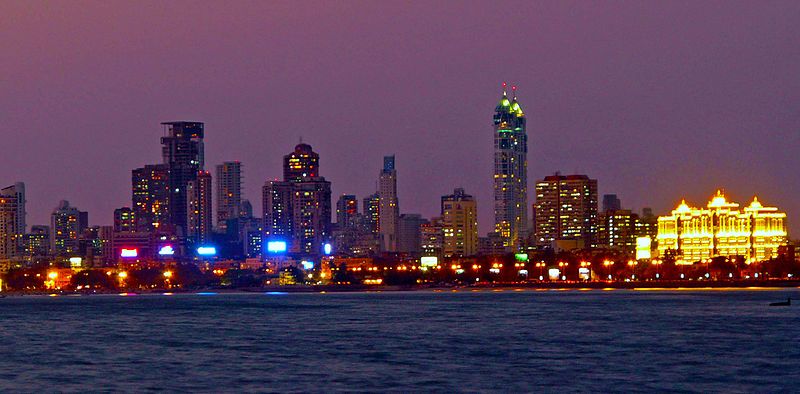
The Maharashtra state government has now imposed travel restrictions on those arriving from the state of Kerala. Earlier, the state also imposed restrictions on passengers arriving from four other states, i.e., Gujarat, Rajasthan, Goa, and Delhi. As per an order issued by Chief Secretary Sanjay Kumar, the standard operating procedure (SoP) will be applicable with immediate effect for passengers coming in from these four states, along with those coming from Kerala as well. As per a notification issued by the state on November 23, 2020, Maharashtra made it mandatory for all incoming passengers travelling via air from the four states to provide a COVID negative report, while those travelling by road will need to undergo screening at the borders for any symptoms. Further, for air travellers, a negative RT-PCR was made mandatory, which was done prior to 72 hours of taking the flight. If a flyer fails to provide a negative COVID report, or does not have the RT-PCR test report, he/she has to undergo a test at the airport. Similar restrictions have also been implemented for railway passengers. Reportedly, those with COVID symptoms would have to undergo an antigen test. If tested positive, they are to be admitted at a COVID care centre at their own cost. As per the records, Kerala is showing a rise in the COVID cases, and has the highest active Coronavirus cases in the country, followed by Maharashtra. Referring to the restrictions imposed, an official added that they have been put into place as a precautionary measure.

Read more

Dubai receives top global recognition for keeping tourists, tourism workers safe

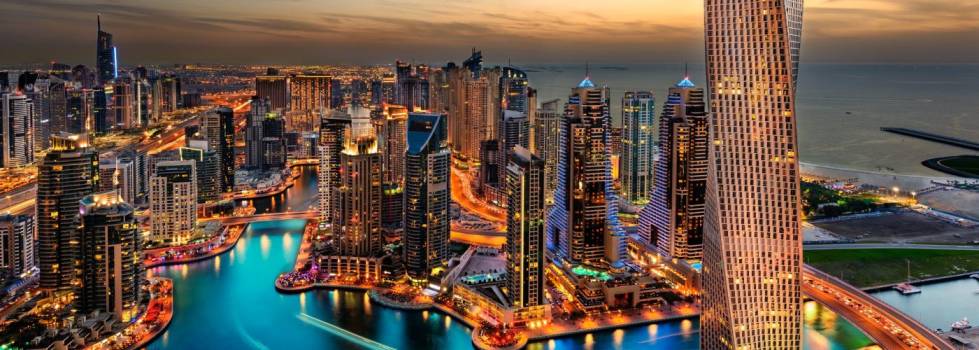
In an exclusive interview ahead of the Pre-Expo Talk: Travel & Connectivity in Dubai on Tuesday, Marcelo Risi, chief of the Communications Department of World Tourism Organisation (UNWTO), said, “Dubai deserves recognition for pro-actively working to keep both tourists and tourist workers as safe as possible. It is also an example of good cooperation between government and business. Such co-operation is more essential than ever, and UNWTO is pleased to see Dubai and many other destinations around the world promoting collaboration and solidarity to support our sector and restart tourism.” “And these two are closely interlinked. Safe international travel is possible. However, we still need to rebuild confidence in travel to restart tourism. We can do this by leading by example and by ensuring that health and safety protocols are harmonised across the sector and across borders. Alongside this, many millions of jobs and businesses are at risk and so tourism as a sector continues to need the strongest political support possible. The tourism sector is ready to restart as soon as conditions allow, but these will depend on both health management and international co-ordination and standards - again, flying solo leads nowhere,” he noted He said the UNWTO Secretary-General particularly congratulates Dubai on hosting EXPO 2020 even in such times of uncertainty. “This sends a strong message of determination. I am also encouraged that the key themes of this Expo are collaboration and innovation, with sustainability as a cross-cutting axis, in synch with what UNWTO promotes and reinforcing the overall position of the United Nations. This is essential if we are to not only restart but to re-think tourism and the many and varied benefits it can deliver, going beyond tourism itself. “We will do our part to rebuild with more economic and social resilience, that means not just growing, but growing better. And I believe this lies at the heart of Expo in general and is today more important than ever,” he added. Tourists must act responsibly According to Risi, “Everybody has a part to play in keeping infections down and working to end the pandemic. Tourism does not turn its back to reality. Throughout this unprecedented period, we have witnessed how this sector mirrors what happens in our societies to an extent that many where not aware of – all of our social interaction, the huge economic value chain it envelopes, deep social footprint, and tourism’s vast ramifications woven into our communi-ties.” He said UNWTO has always stressed that tourists actively follow the latest health guidelines, both from the World Health Organisation and from their own governments. “These are the only credible authorities when establishing safety. They also need to stick closely to the rules and protocols that have been introduced at every step of the tourist journey. As a sector, tourism has led the way in adapting to the new reality, but this is dependent on tourists them-selves acting responsibly,” he noted. Relevance of tourism Risi said the breadth and diversity of the tourism value chain is what makes the sector a driver of sustainable development the world over. “Tourism creates jobs and promotes eco-nomic growth. And tourism delivers best when managed in harmony with people and planet. Indeed, the current absence of tourism shows how important and relevant the sector is and how it touches on almost every part of our societies – from hospitality and leisure through to arts and culture as well as economic wellbeing. It is for this reason that tourism is a contributor to many of the Sustainable Development Goals (SDGs) and the sector has a seat at the United Nations, where UNWTO speaks on its behalf.” UNWTO role in reviving tourism amid COVID-19 Risi said the revival of tourism lay in a united combat. “From the start, we recognised the importance of the tourism sector facing this challenge united rather than each country, desti-nation or industry looking after their own interests. Together we are stronger, as we say. We are the one-stop-shop for tourism intelligence, data and monitoring of policies around the world, important tools and trusted sources of information for the sector, governments and international organisations.” He said, “At the very beginning of the crisis, we established the UNWTO Global Tourism Crisis Committee. This is made up of our member states, as well as international organisations – in-cluding some of our sister UN agencies such as WHO, the IMO and ICAO – as well as business-es and other sector leaders, such as IATA. We also count on the active involvement of organi-sations like the OCDE or the World Bank, and the European Commission has also been in-volved at the highest level. This way, when calling on governments for strong economic and political support for tourism, we could speak with one voice.” Risi said the committee is still active and advancing solutions, ranging from guidelines to re-start tourism and technical recommendations, to the creation of an International Code for the Protection of Tourists, and bringing the sector together to ensure health protocols and pro-posed rules relating to travel in the era of vaccines are “clear, consistent and harmonised”.

Read more

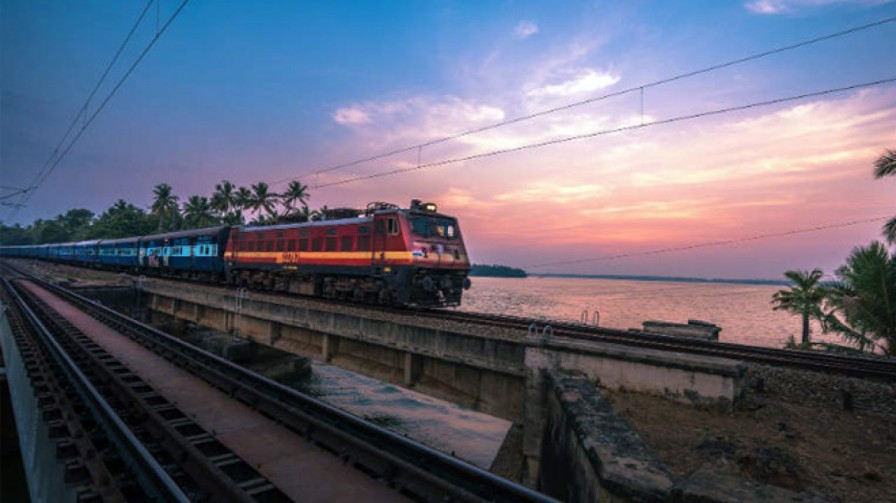
Indian Railways may resume all train services by March-end

Indian Railways may resume normal services of all its local, express and mail trains by March end. As reported by the TOI, the officials of the railway ministry are in discussion with the states in the National Capital Region (NCR) about restarting the operations of all passenger trains. Reportedly, currently about 65 per cent of all mail and express trains are in service. Railway board CEO and chairman Suneet Sharma told TOI that every month, the railways is adding 150 trains and presently, 1130 trains in number are running besides the suburban train services throughout various zones. Resumption of running local trains in the NCR will ease out daily travel issues of passengers from Mathura, Aligarh, Palwal, Rewari and Ghaziabad. Prior to the outbreak of COVID in India, about 100 such local trains were running between Delhi and the neighbouring destinations. However, the officials of Indian Railways are now ready to resume the train services with due safety and healthy precautions. The call to resume passenger trains includes even Shatabdi and Rajdhani trains. Meanwhile, Tejas Express has replaced Vande Bharat Express train on the New Delhi – Varanasi rail route from February 15, 2021 for 45 days.

Read more