No Domestic Flights From Wednesday, Says Centre Amid Coronavirus Crisis
- Mar 23,2020
- NDTV
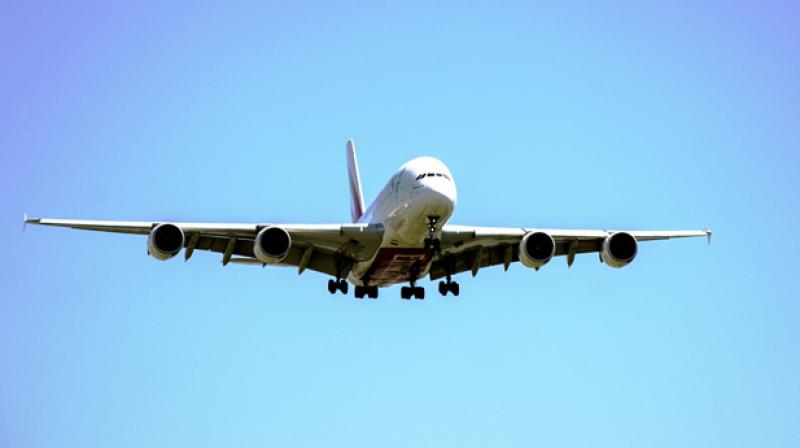
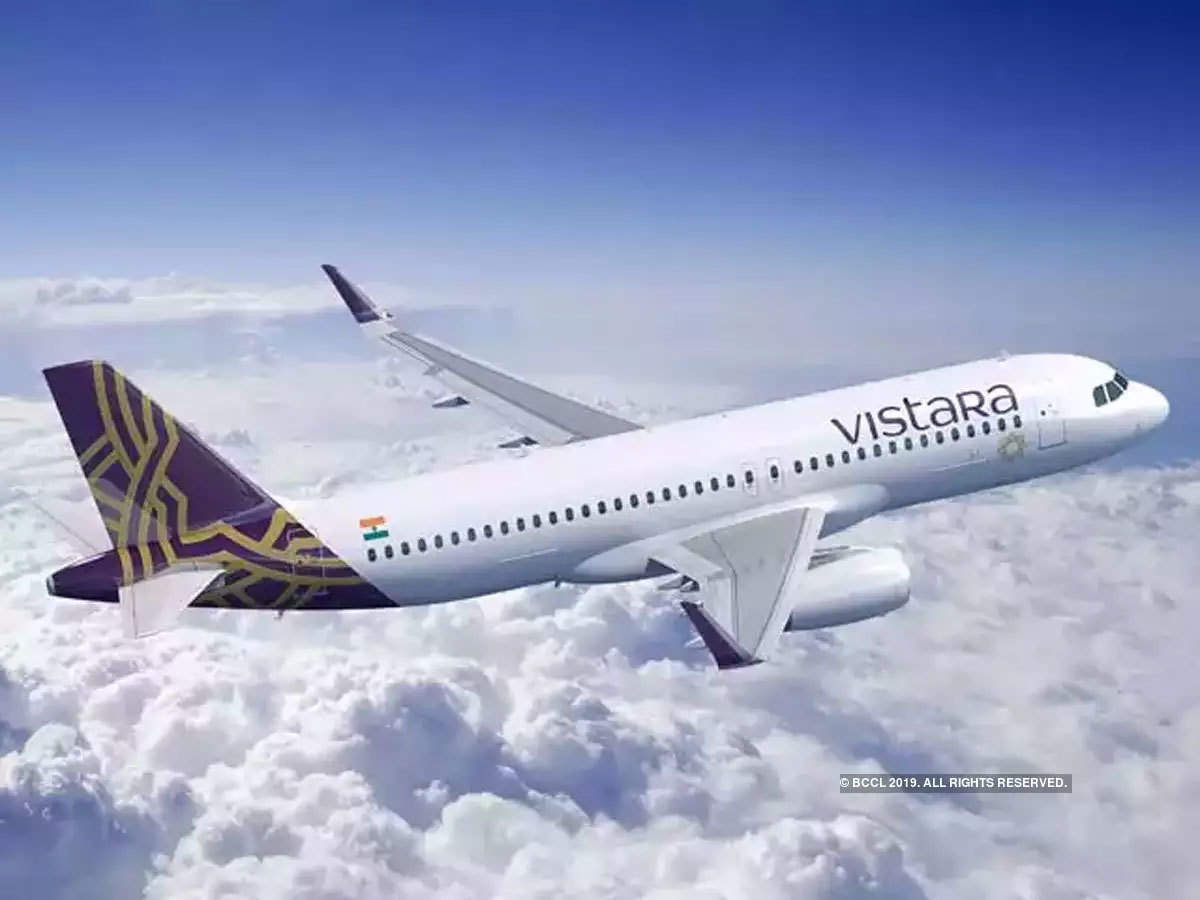
New Delhi: No domestic flights will operate from Wednesday, the government announced today in a massive step in India's fight to check the spread of coronavirus. Airlines have to plan operations so as to land at their destination before 11.59 pm on Tuesday, the government said. Only cargo flights will be allowed. International flights had already been banned for a week and most of the country's land borders have been sealed. Yesterday, trains, metros and inter-state buses were banned to stop the movement of people between states. The government's announcement came as the number of coronavirus cases rose to 415 on Monday. There have been eight deaths. Scientists and experts have warned of an explosion of COVID-19 cases in a country like India - the world's second most populated - if drastic measures are not taken, including a lockdown and ban on public transport. Yesterday, the centre had countered Delhi Chief Minister Arvind Kejriwal when he said no flights would be allowed in or out of the capital.The Directorate General of Civil Aviation had put out a clarification saying there would be no change in domestic flight operations. This morning, West Bengal Chief Minister Mamata Banerjee wrote to Prime Minister Narendra Modi asking him to stop flights to Bengal. In her letter, she said Bengal had stopped buses and trains but flights continued, which was against the quarantine protocol. 19 states have gone on full lockdown, the health ministry said today. Worldwide, coronavirus has claimed around 15,000 lives and over 3 lakh people are infected. The highly contagious disease spreads from person to person through contact or through respiratory droplets when a patient coughs or sneezes.
Read more
Phone booths, parades, and 10-minute test kits: How countries worldwide are fighting Covid-19
- Mar 23,2020
- Vox
Phone booths, parades, and 10-minute test kits: How countries worldwide are fighting Covid-19 The novel coronavirus is a global health crisis, and the ways countries worldwide are attempting to stymie the disease’s outbreak are wide-ranging. In the United States, for example, many heavily populated areas have enacted “shelter-in-place” initiatives to keep the number of infected people from growing quickly. Businesses deemed nonessential have been closed. Below is a sampling of the ways different countries have been working to protect citizens from the Covid-19 virus. South Korea: One option for Covid-19 testing — which South Korea has made more readily available than most other countries —involves " Public Phone Booths". A hospital in Seoul has installed them around its building to offer easy, quick testing to people worried they may have the disease. The way it works is spectacular: One person at a time can enter one side of the glass-walled booth and grab a handset connected to a hospital worker standing on the other side of the glass. After a consultation, the staff member can stick their arms into rubber gloves embedded into the booth to swab the patient quickly, collecting a sample before the booth is quickly disinfected. The hospital says the seven-minute exam allows it to test almost 10 times as many samples as it could without the special booths. The Philippines: The response to the coronavirus in the Philippines has been highly criticized by experts around the world.The Philippines is struggling with many of the same complications other countries are, like inadequate testing and lack of personal protective equipment (PPE) for medical staff. But those problems have been exacerbated by chaotic and contradictory guidance from leaders. On March 16, President Rodrigo Duterte announced he would be placing the country’s main island of Luzon — the seat of the capital city of Manila and its metropolitan area — under lockdown. About half the country’s population of 107 million live on Luzon, with 12 million of them in Manila. Italy: Italy, which has surpassed China as the country with the most Covid-19 deaths, is now the epicenter of the coronavirus pandemic. The problem is not that Italy didn’t respond to the coronavirus. The problem is that it always responded slightly too late and with slightly too much moderation. Now, as the death toll continues to rise, the lockdown measures are only tightening. As of Saturday, the public is no longer allowed to go outside to job. Nicaragua: The public rally, called " Love in the time of Covid-19" saw thousands of Nicaraguans marching, dancing, and carrying signs that explained how the coronavirus affects the respiratory system. Senegal: The country is the home of the Pasteur Institute, a research lab that partners with the World Health Organization to fight viral outbreaks and is the creator of one of the first yellow fever vaccines. And now, the Pasteur institute is teaming up with Mologic, a British biotech firm founded by the guy who developed the pee-on-a-stick pregnancy test, to create test kits that can diagnose Covid-19 within 10 minutes. According to the Pasteur Institute, the kits will be released within three months and will only cost $1 per kit. Hong Kong: One of the first things many dog-loving Americans were told about the coronavirus was that our good doggos were immune to the disease. But recent news from Hong Kong suggests otherwise. On March 19, the Hong Kong Agriculture, Fisheries, and Conservation Department (AFCD) announced that a pet german shepherd had “repeatedly tested positive for the COVID-19 virus.” “There is currently no evidence that pet animals can be a source of Covid-19 for humans or that this virus can cause the disease in dogs,” an AFCD spokesperson said. Singapore: The country has the ability to test 2,000 people a day, with 140 contact tracers working with police to outline each patient’s case history. It has also developed a serology test that can determine whether or not a patient has antibodies for the virus in their system, meaning that they may have carried Covid-19 without developing any symptoms for it. Testing is free. Quarantine is mandatory for those who have had close contact with confirmed cases. Tunisia: Among the African countries taking a particularly hard line against Covid-19 is Tunisia. The country reported 29 cases of the virus this past week, and the government instated a public curfew to control the possible spread. From 6 pm to 6 am each day, both police officers and soldiers will be on patrol to ensure no one leaves their homes. The only exception is when locals need medical attention; otherwise, no outdoor activity is allowed.
Read more
Domestic Flight Cancellation due to Coronavirus: Customers Fume Over High Cancellation Charges, Airlines Helpless
- Mar 23,2020
- Data Quest
While the uncertainty over the status of scheduled flights due to the Coronavirus outbreak looms large, most airline companies seem helpless about the situation and are not waiving off the domestic flight cancellation charges. With new advisories coming in from the Government of India every now and then to curb the spread of Coronavirus, both customers and Airline companies find themselves in a tough spot and are unable to take a definite decision. Nevertheless, several customers who have booked their flights during these unsettled times, seem to be furious over being unable to reach customer care numbers of Airline companies. Travelers are also hoping for a full refund upon cancellation of tickets, and are also requesting the Director General of Civil Aviation (DGCA) to look into the matter. Passengers are also upset about the fact that they have lost nearly half the amount they originally paid for their tickets as domestic flight cancellation charges. “I had booked for 22 March from Visakhapatnam to Delhi and return from Chandigarh to Visakhapatnam on 9 April paid about Rs 10,000. On enquiring about refund after cancellation as I am a senior citizen and my tours are cancelled due to Coronavirus, I am informed that cancellation charges of Rs 3150 per sector which will be total Rs 9450 plus GST five percent that will be around zero refund. They are quoting the regular cancellation charges and do not have any consideration for the situation at hand. This is very shallow thinking. I had to be online waiting for more than one hour and then some more and was not provided the opportunity to talk to a senior person. Airlines need to step up to the plate and do better,” says Kumari Voleti. However, what seems to have made the situation all the more complicated is the Janata Curfew on 22 March 2020 and the Delhi Government announcing the suspension of all domestic and international flights into the Union Territory from 23 to 31 March 2020. Airline companies have also reported experiencing five times the call volumes and a higher number of social media mentions. While airline companies are still not providing a full refund, GoAir has forwarded an email to its customers stating that for new and existing bookings of travel between 19 March and 15 April 2020 there was “no need for the passenger to call GoAir or their travel agent prior to departure. Passengers could simply not show up for their flight, and still : All tickets would be protected and passengers can reschedule their travel without any fees for up to one year from the original date of travel The new ticket will be issued for the same passenger name for any GoAir flight (not necessarily the original sector the passenger booked their ticket on) without any rescheduling fee. Fare differential, if applicable, would be applied.”
Read more
Covid-19 forces Delhi lockdown till March 31, borders to be closed
- Mar 23,2020
- Hindustan Times
A lockdown will be imposed in Delhi till March 31, chief minister Arvind Kejriwal said on Sunday, announcing unprecedented curbs amid the outbreak of the coronavirus disease (Covid-19) that has infected 27 people in the city-state. All private offices will remain closed but employees — both permanent and contractual — will be considered on duty, Kejriwal said. Companies will have to provide them salary, he said at a press conference also attended by lieutenant governor Anil Baijal. “We have decided to impose a lockdown in Delhi from 6am tomorrow (23rd March) to the midnight of March 31,” Kejriwal said, announcing stringent measures taken to stop the spread of the highly contagious Sars-Cov-2 virus, which causes Covid-19. That capital’s borders will be closed during this period. Though Kejriwal announced all domestic flights flying into Delhi will be cancelled, an official of aviation regulator Directorate General of Civil Aviation (DGCA) issued a clarification soon after, saying all domestic flights to and from the national capital will continue to operate. Dairies, grocery shops, chemists and petrol pumps will remain open, Kejriwal said, adding that essential services including medical services will function. But no public transport services, including private buses, autos and e-rickshaws, will be allowed during the lockdown, and just 25% of the Delhi Transport Corporation (DTC) bus fleet will be on the roads to carry people delivering essential services. “During the lockdown, no document or proof will be sought from people if they say that they are out on streets to provide or avail any essential service,” he said. “We know people will face difficulties, but lockdown is necessary to contain the spread of coronavirus,” he said. On Sunday, prohibitory orders under Section 144 of the Criminal Procedure Code (CrPC) that prevents the assembly of four or more people were clamped in Delhi. The order bans demonstrations, protests, processions among other types of assemblies for social, cultural, political, religious, academic and sports. Also, Delhi Metro, along with other metro services across the country, have been suspended till March 31.
Read more
Government decides to shut down 75 coronavirus-hit districts
- Mar 23,2020
- Economic Times
The Centre and state governments have decided to completely shutdown 75 districts across the country where coronavirus (covid-19) cases have been reported, officials said on Sunday. It has also been decided to suspend the interstate bus services till March 31, the officials said. The decisions have been taken at a high-level meeting attended by chief secretaries of all states and the cabinet secretary and the principal secretary to the prime minister. In view of the need to contain the spread of the deadly COVID-19, it was agreed that there was an urgent need to extend the restrictions on the movement of non-essential passenger transport, including interstate transport buses till March 31, a Union Home Ministry official said. State governments will issue orders allowing only essential services to operate in about 75 districts with confirmed COVID-19 cases or casualties, the official said. The districts where lockdown was announced are from states that include Uttar Pradesh, Maharashtra, Punjab, Karnataka, Tamil Nadu and Kerala. It was noted that several state governments have already issued orders in this regard. All the chief secretaries informed that there was overwhelming and spontaneous response to the call for 'Janata curfew' given by Prime Minister Narendra Modi. The state governments may expand the list depending on their assessment of the situation.In the meeting, it was decided to suspend all train services till March 31, including sub-urban rail services. However, goods trains are exempted. All metro rail services were also suspended till March 31. The total number of novel coronavirus cases in India rose to 341 on Sunday after fresh cases were reported from various parts of the country, the Union Health Ministry said. Millions of people across the country stayed indoors, streets wore a deserted look and bare number of vehicles were on the road on Sunday in an unprecedented shutdown on Modi's appeal for a 'Janata curfew' to contain the spread of the novel coronavirus pandemic, which has claimed over 13,000 lives worldwide.
Read more
Centre weighing option of suspending all domestic air travel to contain Covid-19
- Mar 22,2020
- Live Mint
New Delhi: India is weighing the option of suspending all domestic air travel temporarily to effectively fight the coronavirus crisis, which has so far claimed five lives and infected over 340 people. The top brass in the government is assessing the unfolding situation for taking a call in this regard, said a government official, who spoke on condition of anonymity. The need for suspension of domestic travel is felt as it is a widely used mode of transport, carrying close to 13 million passengers across the country every month. Also, a temporary suspension of domestic flights will complement the suspension of rail and road transport, which the government announced on Sunday. A decision, however, will hinge on the severity of the pandemic in the coming days. The official quoted above said a temporary suspension cannot be ruled out. India had last week banned entry of all scheduled international commercial passenger flights for a week from Sunday to fight the pandemic. Saudi Arabia, one of the affected countries, last week announced suspension of all its domestic travel including flights from Saturday to prevent the spread of the virus. At a meeting of central and state officials on Sunday, it was decided that there was an urgent need to extend the curbs on movement of non-essential passenger transport till end of the month. This included suspension of train as well as urban and metro rail services and inter-state passenger support. India is observing a voluntary curfew on Sunday as part of efforts to curb the spread of the virus. The coronavirus disease has disrupted business activities, led to factory shut downs, closure of schools and colleges and has prompted the government to set up a task force to examine what all measures were needed to limit its adverse impact on the economy. The spread of the virus could delay a recovery in India’s growth, which has in recent months been battling a slump in consumption. Industry chamber Federation of Indian Chambers of Commerce and Industry (FICCI) said on Friday quoting a survey done between 15-19 March that 47% of the 317 companies surveyed indicated the pandemic was having moderate-to very high impact on business even at early stages. The impact is seen on new orders, inventory and cash flow.
Read more