Border closure, travel restrictions due to COVID-19 halt deportations from Canada

Aspects of Canada’s immigration system have ground to halt, given borders are effectively shut down, and travel is being discouraged due to the COVID-19 pandemic. Canada Border Services Agency says deportations have been stopped, with one possible exception. “Clients who currently have removals scheduled should expect to hear from the CBSA in the coming days to confirm cancellation of removal and be advised of next steps,” reads a statement from the agency. “The removal of serious criminal cases may continue but this would be via exception only, following a case-by-case assessment by senior staff.”

Read more

Flydubai suspends flights to India until March 31

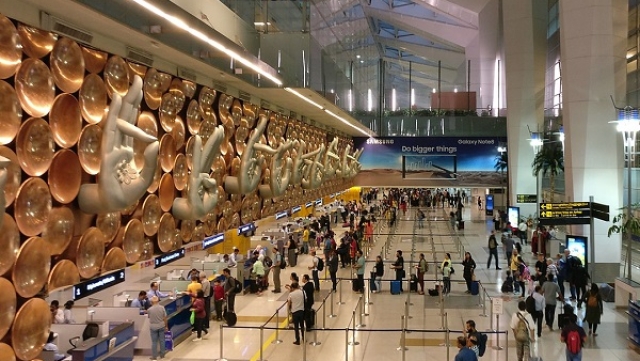
UAE airline, flydubai, is cancelling all flights to India between March 17 and 31, according to an update on their website. The airline services eight destinations in India, including Mumbai, Chennai, Hyderabad, Calicut and Kochi. The update read, "India: Following a directive from the authorities in India, flydubai flights to and from India will be cancelled between 17 and 31 March." The Indian government had laid down travel restrictions on Monday (March 16) to prevent the spread of COVID-19 from high-risk areas, along with comprehensive measures to maintain "social distancing" to prevent local transmissions. India issued the new travel advisory after a meeting of the Group of Ministers on COVID-19. On Tuesday, March 17, India prohibited travel of passengers from Afghanistan, Philippines, Malaysia to #India is prohibited with immediate effect. The Ministry of External Affairs in its latest tweet said: "No flight shall take off from these countries to India after 1500 hours Indian Standard Time."

Read more

Coronavirus: Railways announces slew of measures to discourage non-essential travel

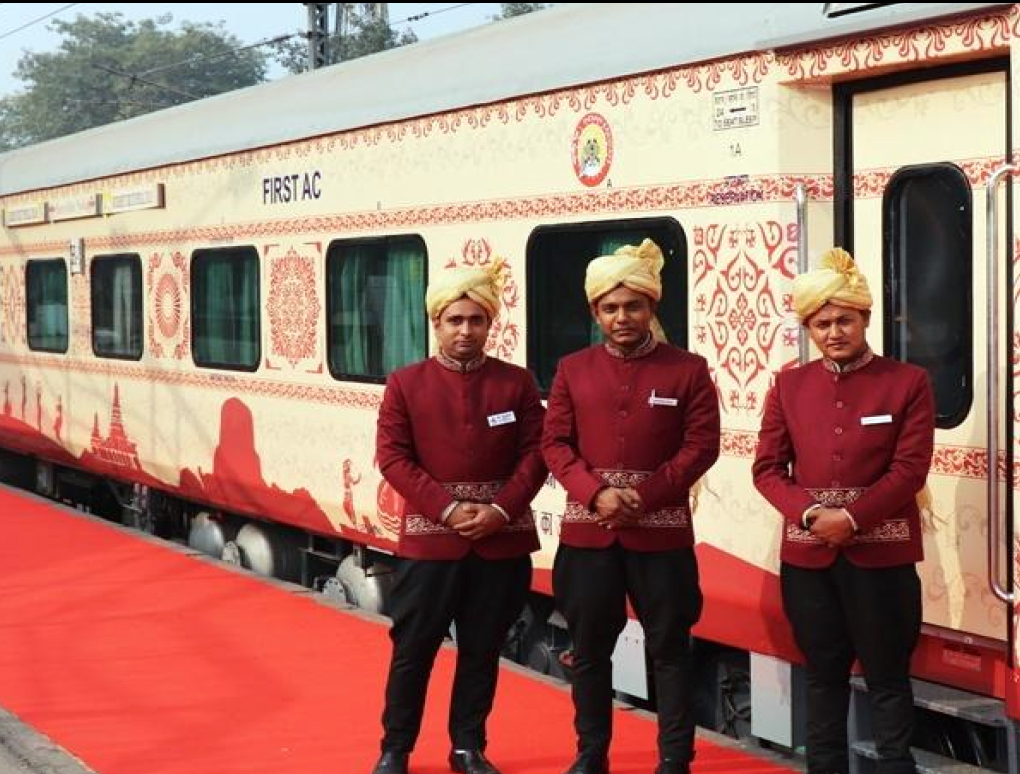
Indian Railways has taken a slew of measures in order to contain the spread of COVID-19 virus. The measures are being implemented across all the zones and relate to dis-incentivizing non-essential travel. These measures are in accordance with repeated advisories of the government to minimize the unnecessary travel and social distancing. Note that recently, Prime Minister Modi gave a clarion call to the nation to not to lower the guard against the Novel Coronavirus. While advising the nation to stay patient, he had also implored the citizens to stay at home, observe social distancing and avoid crowding. Steps taken by Railways to control the spread of COVID-19: Railways has taken steps to discourage citizens from undertaking non-essential journeys by temporarily removing special incentives for many categories which had been existing for their travel. The national transporter has done this by pruning the categories of travellers who were previously entitled to avail concessions. Out of the 55 different categories which were entitled for concession, now only 23 subcategories under patients, students and Divyangjans will continue to avail concessions for both unreserved and reserved segments w.e.f from 00:00 hrs of March 20. As per the new provisions, passengers who had booked tickets on concessions are being allowed to travel on those tickets as per extant rule. That means that for railway tickets already purchased before 00:00 hrs 20th March 2020, in case of travel, no difference in fare shall be collected.

Read more

Odisha tourism department issues advisory for hotels, closes Nandankanan Zoo, other tourist hotspots

The Odisha Tourism Department issued an advisory on Sunday stating that the Nandankanan Zoo, the Botanical Garden and other prominent tourist places will remain closed till March 31 in light of the novel coronavirus outbreak. Odisha Tourism Development Corporation (OTDC) said that visits to tourism sites will be prohibited so as to contain the possible spread of the virus. Chairman of the OTDC, Srimayee Mishra told India Today, "Tourists will not be allowed in other prominent destinations from Sunday onwards. The visitors will not be allowed to places like Puri, Konark, Chandrabhaga and Chilika." Srimayee Mishra also said that this is a precautionary measure against the spread of COVID-19. The Tourism Department of the Government of Odisha also released an advisory concerning measures to control the outbreak. The management of hospitality units in the state has also been advised to let out accommodation to guests only after collecting their detailed travel history of the last three weeks. These details will include countries visited, places of stay and travel through different modes besides essential details such as personal ID and passport copies, contact number, and e-mail Ids. The management should immediately inform the local CDM and PHO and State Health Control room over the phone to ensure that patients can be brought to designated isolation facilities in the specified ambulance with all infection control measures and necessary lab tests.

Read more

Entry of tourists banned in Himachal.

Himachal bans entry of all tourists in to state In view of positive cases of coronavirus infection being detected from neighbouring states and Chandigarh (UT), the Himachal Pradesh government on Thursday decided to ban the entry of all tourists, domestic or foreign, in the hill state till further orders. The state government has appealed the tourists to reschedule their visit to the state. Entry of tourists has been banned in exercise of the powers conferred by the Clause-3 of the Himachal Pradesh Epidemic Disease (Covid-19) Regulations, 2020 notified on March 14 under the Epidemic Disease Act, 1897. The office order issued by additional chief secretary (health) RD Dhiman said that it has been recognised that social distancing is potent intervention implemented to avoid or decrease contact between those who are infected with a disease causing pathogen and those who are not, so as to stop or slow down the rate and extent of disease transmission in a community, eventually leading to decrease in spread, morbidity and mortality due to the disease. He said that Himachal Pradesh is taking all necessary and due precautions in the form of closing down schools and other academic institutions, places of religious worship and issuing advisories to public at large to avoid non essential travel. “Keeping in view, the emergence of the positive cases in all the state neighbouring Himachal Pradesh, including a case coming out to be positive at Chandigarh, a need is being felt to restrict the entry of tourists (both domestic and foreign nationals) to prevent the import of virus in the state,” said the office order. To avoid unnecessary harassment to people, directions have been issued to Director Public Relations to ensure widespread information, education and communication activity within and outside the state regarding the decision. Earlier, through an office order issued on March 16, ban was imposed on organizing social gatherings like jagrata, satsang, jagrans, kirtans, parties and bhandara without permission till further orders and entry of people was also banned in religious places, while on March 17 all social, cultural, sports, political, religious, academic and family mass gatherings was banned in the state till further orders.

Read more

A Joint Statement on Tourism and COVID-19 - UNWTO and WHO Call for Responsibility and Coordination

As the current outbreak of the Coronavirus Disease (COVID-19) continues to develop, the World Health Organization (WHO) and the World Tourism Organization (UNWTO) are committed to working together in guiding the travel and tourism sectors’ response to COVID-19. On 30 January 2020, the Director-General of the World Health Organization (WHO) declared the outbreak of COVID-19 to be a Public Health Emergency of International Concern and issued a set of Temporary Recommendations. WHO did not recommend any travel or trade restriction based on the current information available. WHO is working closely with global experts, governments and partners to rapidly expand scientific knowledge on this new virus, to track the spread and virulence of the virus, and to provide advice to countries and the global community on measures to protect health and prevent the spread of this outbreak. Cooperation is key The tourism sector is fully committed to putting people and their well-being first. International cooperation is vital for ensuring the sector can effectively contribute to the containment of COVID-19. UNWTO and WHO are working in close consultation and with other partners to assist States in ensuring that health measures be implemented in ways that minimize unnecessary interference with international traffic and trade. Tourism’s response needs to be measured and consistent, proportionate to the public health threat and based on local risk assessment, involving every part of the tourism value chain – public bodies, private companies and tourists, in line with WHO’s overall guidance and recommendations. UNWTO and WHO stand ready to work closely with all those communities and countries affected by the current health emergency, to build for a better and more resilient future. Travel restrictions going beyond these may cause unnecessary interference with international traffic, including negative repercussions on the tourism sector. At this challenging time, UNWTO and WHO join the international community in standing in solidarity with affected countries.

Read more