6 months after Covid lockdown, tourists say ‘Waah Taj’ again

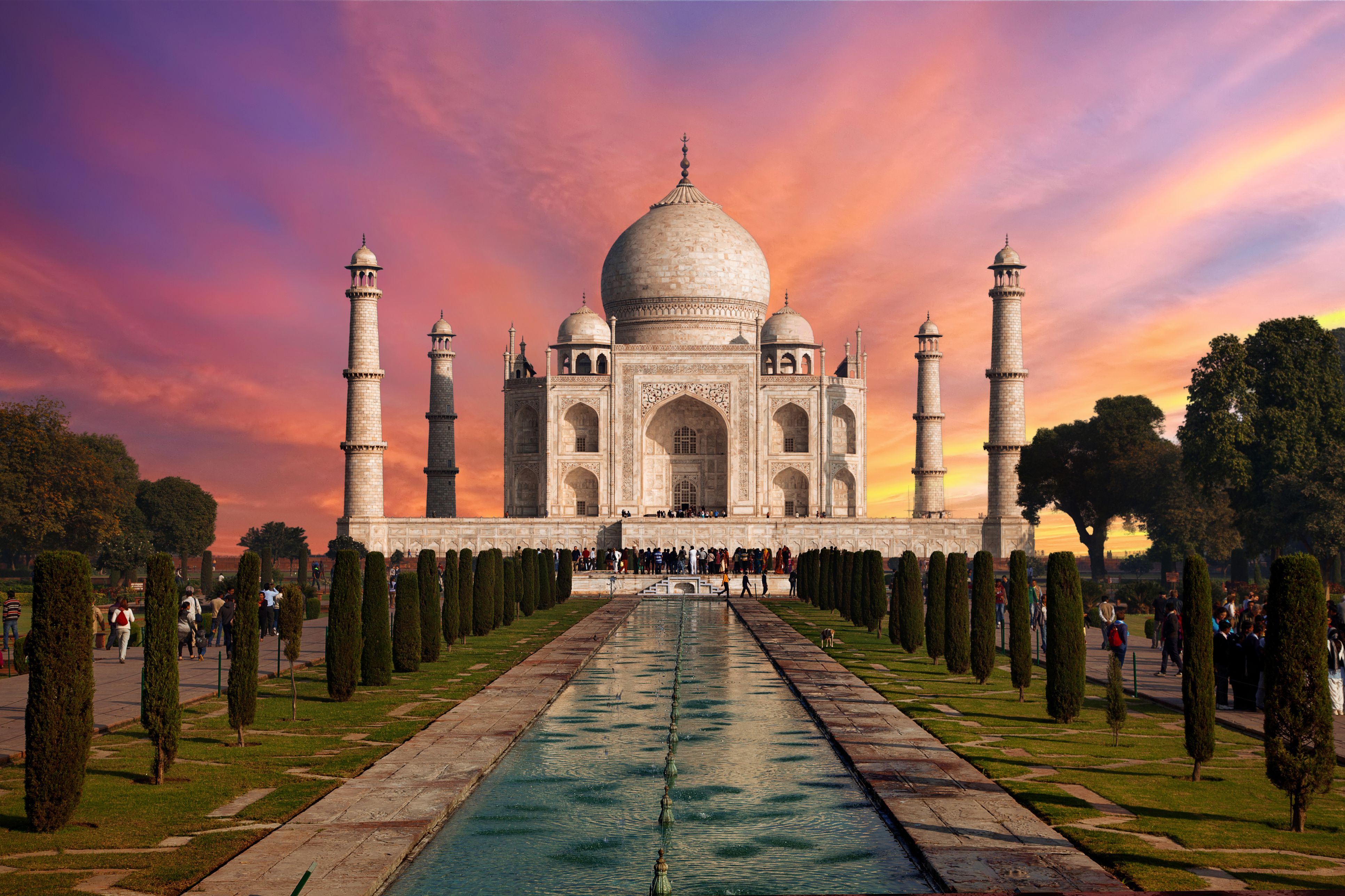
AGRA: After a gap of 188 days, the Taj Mahal, the top tourist attraction in the country, opened to the public on Monday. The response was lukewarm as only 1,235 tourists, including 20 foreigners, visited the Mughal-era monument on Monday amid strict Covid-19 safety protocoland social distancing norms. The Archaeological Survey of India has allowed only 5,000 tourists per day as against a daily average of over 25,000 tourists visiting the Taj in pre-Covid times. It stretched to nearly a lakh during festivals. The Agra Fort, which too had been closed since the lockdown began in March, also reopened on Monday to a tepid response with only 248 tourists visiting the historic fort. Officials are hopeful that the footfall may go up in the days ahead after international flights become operational. A few visitors had to be turned back as their body temperature was found higher than normal. A video of a woman tourist arguing with a staff member at the gate claiming that her body temperature was higher due to hot weather, went viral on social media. Central Industrial Security Force (CISF) commandant (Taj Mahal) Rahul Yadav said, “SOPs are being followed by all personnel. Post-exposure prophylaxis (PEP) kits have been provided to security persons involved in frisking tourists at the entry gate.”

Read more

Mountains are calling: Uttarakhand lifts all restrictions on inter-state travel; registration mandatory

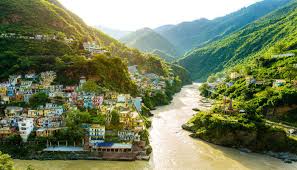
In a big move, Uttarakhand has lifted all travel restrictions pertaining to special permits, COVID negative certificates, and e-permits for inter-state travellers. The new guidelines suggest that you no longer need a COVID-negative report, or an e-permit which was essential earlier. Starting today, the compulsory 2-day booking restriction for tourists is also lifted. All that you need to do is to register yourself on Dehradun Smart City Limited website before your travel. All inbound people from high load COVID-infected cities will have to stay in seven days’ institutional and then seven days’ home quarantine. The same applies to tourists from outside India as well. However, if their COVID test is done not earlier than 96 hours before arrival, they shall be exempted from quarantine. Earlier tourists had to book a minimum of seven days in Uttarakhand, it was then reduced to two days, and stands slashed for now. Any traveller who is asymptomatic and is travelling for less than seven days due to exam, business, or personal distress can continue to conduct their business, but need to monitor their health regularly. They must contact local authorities in case of symptoms. On the other hand, those travelling for more than seven days are required to be in home quarantine for 10 days. If you are asymptomatic and are travelling outside the state for more than five days or less, you will not have to go into home quarantine upon returning. Those who are going out of the state for more than five days, will have to be in home quarantine for 10 days upon returning. In case you get tested at your destination and return with a negative report, you shall be exempted.

Read more

Airline travel shifts toward last-minute bookings and domestic trips

The air travel market has shifted toward last-minute bookings, one-way flights and more domestic trips as consumers grapple with fast-moving changes due to the coronavirus pandemic, a report from online search and booking site Skyscanner shows. The new trend will be an advantage for low-cost carriers that are able to offer competitive pricing amid an uncertain future for business travel, which was previously a major profit driver for full-service airlines, the report said. “I think generally we have seen if you look at the market prices are much keener than you would expect,” Skyscanner Vice President Commercial and Flights Hugh Aitken told Reuters in a phone interview. “That just reflects that airlines have capacity and need to fill that capacity.” Visits to the Skyscanner website, owned by Trip.com Group Ltd, are down by 60% to 70% due to the pandemic’s impact on travel demand, Aitken said. Searches to travel within a week have been trending upward since June, around the time that lockdowns ended in many countries, according to Skyscanner’s data. Globally, these searches are up about 20% from a year earlier. “When you see restrictions being lifted there is a frenzy,” Aitken said, using the example of when Britain stopped requiring quarantines on return for many countries. “But equally when we see the potential that a restriction will be added there is a big lift because that is just people ... scrambling on how to get home again,” he said. Domestic travel searches are higher globally, mainly in Asia, though there has been a slight improvement in international searches in recent months, according to the Skyscanner report on Tuesday. Searches for longer-dated trips are becoming more popular as travellers bet on future border openings, including examples such as from the United Kingdom to Orlando and New York for next year, Skyscanner said. The International Air Transport Association said passenger travel demand was down 79.8% in July from a year earlier and forecasts it will take until 2024 for travel to return to pre-crisis levels. Skyscanner says it will take several years before business travel returns to previous levels, forcing some airlines to rethink their strategies and reconfigure their plane cabins.

Read more

Saudi Arabia to re-allow umrah pilgrimage from October 4

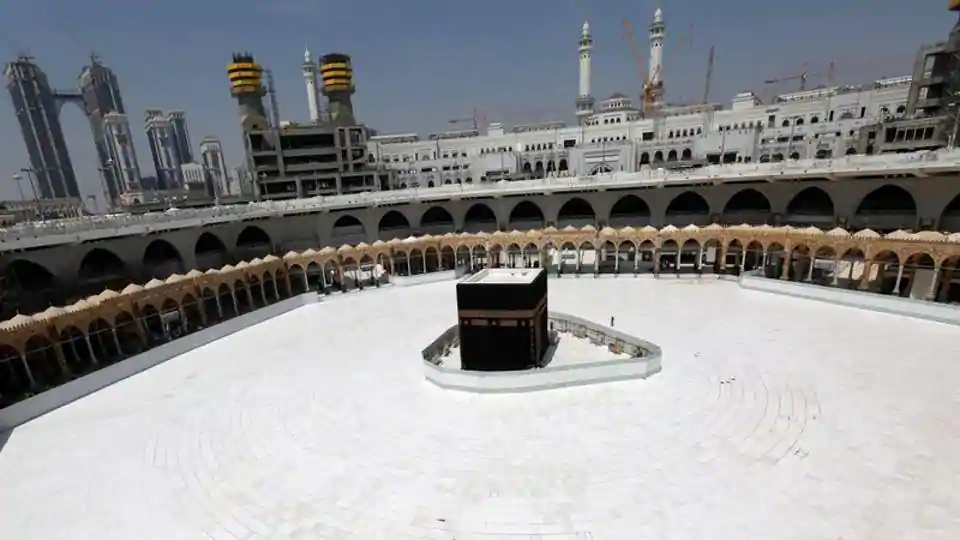
Saudi Arabia will allow pilgrims residing inside the country to undertake the umrah pilgrimage beginning on Oct. 4, after a seven-month pause due to coronavirus concerns, state news agency SPA reported. Umrah is an Islamic pilgrimage to Mecca and Medina undertaken any time of the year, attracting 19 million people last year. Saudi Arabia had instituted a freeze on umrah in March. It will now allow 6,000 citizens and residents inside the kingdom to perform umrah daily, representing 30% of a revised capacity of 20,000 that takes into account precautionary health measures, SPA added. That will expand to 75% of capacity on Oct. 18. Beginning Nov. 1, Saudi Arabia will allow visitors from specific countries deemed safe to perform umrah at 100% of the revised capacity, until the end of the pandemic, SPA said. This year, Saudi Arabia conducted a limited haj, the larger pilgrimage that usually attracts around 3 million people, for a few thousand citizens and residents. Official data show Hajj and umrah earn the kingdom about $12 billion a year. On Tuesday, Saudi Arabia reported 330,798 total cases of coronavirus and 4,542 deaths, as cases in the Gulf region topped 800,000.

Read more

Tourists Allowed From October 10 in Sikkim, Hotel Bookings Begin From This Date

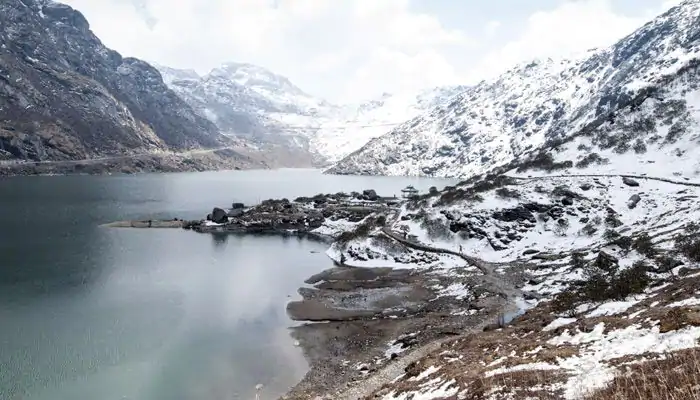
The beautiful and breath-taking Himalayan state of Sikkim is a traveler’s delight with a plethora of gorgeous places to offer. The state that was shut for tourists for months due to the novel coronavirus has recently announced that it will open its doors for the travelers from October 10. Reportedly, the Sikkim government has allowed hotels, homestays, and all tourism-related services to resume operations. Also Read - Taj Mahal And Agra Fort Reopen Today: Here Are The COVID-19 Guidelines to Follow As per Travel Daily Media, an order was signed by Ravindra Telang who’s the principal secretary of home in Sikkim in which it was mentioned that the state is ready to allow interstate travel from October 1. The order read, “It has been decided to allow the free interstate movement of people without any requirement of registration with effect from 1 October and also permit hotels, homestays, and other tourism-related services to operate from 10 October.”

Read more

Ministry Organises Webinar On ‘Promoting Destinations With Authenticated Cuisines’

The Ministry of Tourism’s Dekho Apna Desh Webinar series titled ‘Promoting Destinations with Authenticated Cuisines’ focused on India - a land with varied cuisines. Each state, area and region have unique traditional dishes which are suited to its climate and the grains, vegetables, spices, herbs and fruits which are locally available are cooked in different styles and variations. India’s traditional cuisine is not only delicious, but also extremely healthy and the spices & herbs added to the dishes help boost immunity and good health. The webinar focused on some traditional dishes from three states – Uttaranchal, Punjab and Delhi. The webinar was presented by Radha Bhatia, Chairperson of Bird Group; Anooj Wadhawan, Executive Chef of Roseate House, New Delhi; Chetan Rana, Executive Sous Chef of The Roseate Ganges, Rishikesh and Anand Panwar, Executive Pastry Chef of The Roseate, New Delhi. Bhatia started her presentation talking about civilization, tradition, culture, religion, weather conditions and natures which have played a major role in the way the food is prepared. India’s civilization starts from the Stone Age and traditions, recipes and their secrets have been passed on from generation to generation. Invaders like Mughals, Afghans and Persians have also brought in their food techniques & cooking styles to India. Spices grown in India were a big fascination for the Europeans and the Britishers for trade purposes. India is a mysterious country with different climatic condition, varied vegetation, soil, natural resources, cooking techniques etc., Bhatia added. All Chefs presented different cuisines from the regions of India. They were inspired and motivated by their mothers’ cooking which inspired to pursue cookery as a profession. India believes & promotes Athithi Devo Bhava, the concept of treating guest as God. Summing up the webinar, Rupinder Brar, Additional Director General, Government of India urged people to cook, experience and enjoy the beautiful nature that all of us are blessed with. She also underlined the need for us to respect nature and learn to coexist with nature.

Read more