
Coming soon: India’s first vertical lift sea rail bridge in Rameshwaram
- Sep 15,2020
- Times of India
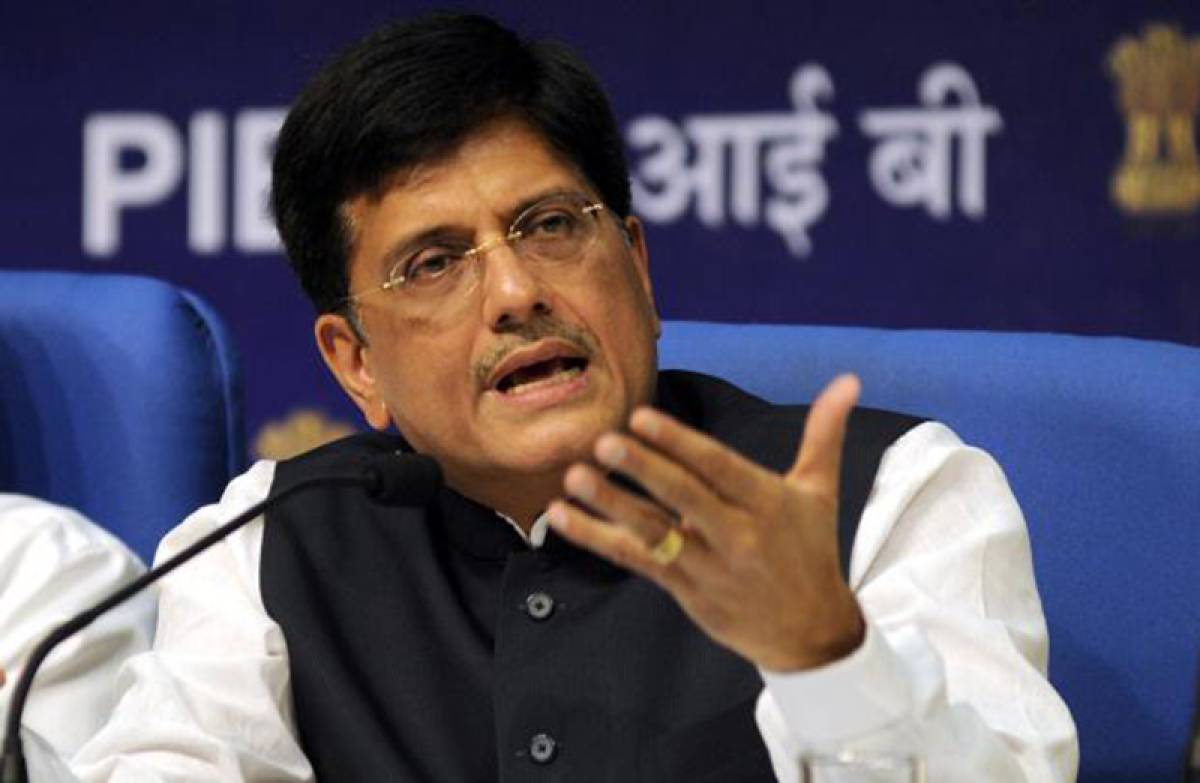
India will soon have its first vertical lift sea railway bridge, which is currently under construction in Rameshwaram, Tamil Nadu. The new Pamban railway bridge is being constructed under Piyush Goyal-led Indian Railways. The work of constructing a pillar in the sea to build a vertical lift railway sea bridge has already started in Rameshwaram. The work of building this bridge began onNovember 8, 2019, and will likely be completed within the next two years. A first-of-its-kind project for the Indian Railways, this vertical sea bridge would be 2.05 km long. After its inauguration, the bridge will connect the mainland to Pamban island. The bridge will have India’s first vertical launch rail section, which is quite interesting. The Railway Minister took to Twitter and shared an animation video of the vertical lift sea bridg,e when it will all be done. In his tweet, the minister wrote, “Good News For Devotees of Ramanathaswamy Temple: Work on India’s First Vertical Lift Railway Sea Bridge is in full swing at Rameswaram, Tamil Nadu. Foundation stone of this 2 KM long bridge, connecting Rameswaram on Pamban island & mainland India, was laid by PM @NarendraModi ji” Apparently, the foundation stone of this bridge was laid in March 2019 by the Indian Prime Minister Narendra Modi in Kanyakumari. The bridge will help the Indian Railways’ trains to run at a higher speed, with more weight on the route. In addition, it will also maximise the traffic volume between the mainland of Pamban and Rameswaram island, which has a huge religious significance. The Pamban sea bridge project is worth INR 250 crore.
Read more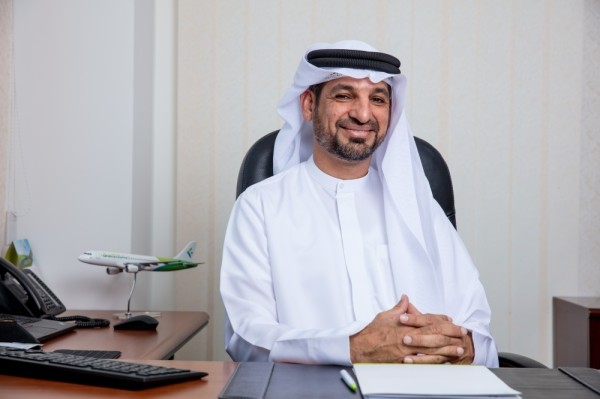
Oman, India in talks to establish ‘air bubble’: SalamAir CEO
- Sep 15,2020
- Times of Oman
Muscat: Flying from Oman to India could soon be easier, as talks are underway to establish an ‘air bubble’ between the two countries. According to the CEO of SalamAir, an air bubble will benefit airline operators flying to India, as the number of people flying there every week before the COVID-19 pandemic was quite high. “This is on the table. I think the authorities are talking to each other and this might be implemented,” said Captain Mohammed Ahmed, on the subject of air bubbles between the two countries. “Even without the air bubble, we have been quite active, we almost had more than a daily flight to India.” Commenting on when it is expected to be put in place, he added: “That, we cannot predict, because there are a lot of things involved in setting up an air bubble. I am sure the authorities are expediting these, but we will just have to wait and see until that happens.” SalamAir has operated nearly 600 chartered planes to overseas destinations over the last three months, with many of them flying to India. The airline is still working on securing permission to fly to India, with approvals for chartered flights to the country provided through diplomatic channels. Ahmed said that once plans to fly to India were put into place, demand for seats on planes to cities across the Arabian Sea would be quite high. According to data from the National Centre for Statistics and Information (NCSI), Indians make up a third of all expatriate workers in the Sultanate, with only the Bangladeshis forming a larger community among foreign nationals in the country. As of July 2020, there are more than 540,000 Indian nationals and slightly more than 580,000 Bangladeshis working in Oman. In total, there are 1,542,069 expat workers in the country. “Our aim is to eventually fly to all the destinations we used to before COVID, but that is impossible right now, as some airports are still closed,” explained Ahmed. “Saudi Arabia, for example, is closed, so is Thailand, where we used to fly to Phuket. Knowing that, we hope we can go to new destinations. Here, India is among our first priorities. The SalamAir CEO added: “In India, we know that there will be demand for whatever destination we fly to, because Indians are among the largest communities in Oman. We would like to get into that market, but we are still working hard on getting the traffic rights, as we do not have them yet. If we get the chance, we will definitely fly to South India, particularly Kerala...this is our priority, but I guess we will get to fly to airports in the different parts of India. This depends on the authorities, who will assign us which airports we can fly to.” He went on to say that once air travel moved towards normalcy, the airline expects to have between five and seven flights a day to different destinations in India. Discussions on allowing SalamAir to operate regular planes to India are underway, and are expected to be resolved soon. Explaining the procedure flights need to follow to secure permission to operate in other countries, Ahmed said, “Between any two countries, there is a bilateral agreement that allows a number of flights that can be flown by any airline from these countries. India does this a little differently: they assign a number of seats. There are about 20,000 seats allowed per week for flights from Oman. Now that we have registered, we have put in our application for seats. “During the past few months, we managed to get our air operator’s certificate, with which we have the licence to fly to India,” he added. “All it needs now is for the air traffic agreement to allow us some seats. That is happening right now, and the moment it happens, we will not delay.” With airports in Oman reopening on 1 October, Captain Mohammed Ahmed was hopeful that flying to the country would not need permission from the Ministry of Foreign Affairs to fly to Oman, a clearance that is now mandatory for all foreign arrivals. “The Ministry of Foreign Affairs has been very cooperative with us, and we have brought thousands of people back,” he said. “We have staff dedicated on a daily basis to seek approvals from MoFA, and they have been very cooperative and have not delayed in providing them. I hope the good news from 1 October is that there will be no need for MoFA approvals, but there could be other checks in place.” “No one knows what will happen in a few weeks’ time, because it depends on how we control our behavior, and how this leads to the numbers being controlled,” added Ahmed. “There is no doubt it could go either way. There are so many countries – Australia being an example – where they reopened everything, and then had to close them again, after the numbers went up. I hope we do not get the second and third wave, but it is a good thing that the Supreme Committee doesn’t do anything on the basis of predictions, but on the basis of actual conditions.”
Read more
Bhutan's 'Bubble Tourism' interest brings air to the Indian tourism arena
- Sep 15,2020
- Economic Times
Bhutan's interest to revive its hospitality business by developing 'Bubble Tourism' brings new hope for ailing Indian travel industry. Himalayan country Bhutan is still maintaining mandatory 21 days quarantine for all travellers. Now the Tourism Council of Bhutan (TCB) has urged the health ministry to ease the restrictions by cutting it down to three days or altogether withdrawing it. If accepted, it will open up the door to welcome guests from outside. Bhutan's next focus is on 'Bubble Tourism.' Also known as Green Lanes or Travel Corridors, Bubble Tourism is a travelling partnership between two countries with high success rate in containing or combating Covid 19. According to TCB director general Dorji Dhradhul, under Bubble Tourism handshaking, countries need to agree upon special bilateral travel arrangements including no quarantine restriction among themselves. "This initiative is a very positive move. As the concept demands a suitable partner country, for Bhutan, its next door neighbour India is the best suited one," said veteran tourism consultant Raj Basu. As an additional advantage for them, citizens of one country do not need a passport or visa to enter into the other crossing International border in between that is 'open' under a friendship treaty. With only 245 corona positive cases and no deaths in the country of 7.8 lakh population Bhutan is definitely a preferred choice for travellers. On the other side, India's population vs infection or death ratio are also far better than many developed countries. Eventually, "India and Bhutan can form a perfect partnership. Parallel to Bhutan's initiative, we are also taking up the matter with Indian authorities to form a strong Bubble Tourism bondage," said Samrat Sanyal, Secretary, Himalayan Hospitality and Tourism Development Network. With closure since March end, Bhutan tourism arena has already lost over 90 percent of its usual business. The trade yielded a business worth around INR 2.4 crore from over 3 lakh tourists in 2019. On the other side, Eastern India tourism sector has also lost business worth several hundred crores. "Indo-Bhutan bubble tourism can compensate this to a great extent for both the countries. We are also persuading this at various levels," said Sanjit Saha, Chairman, Confederation of Indian Industries, North Bengal Chapter.
Read more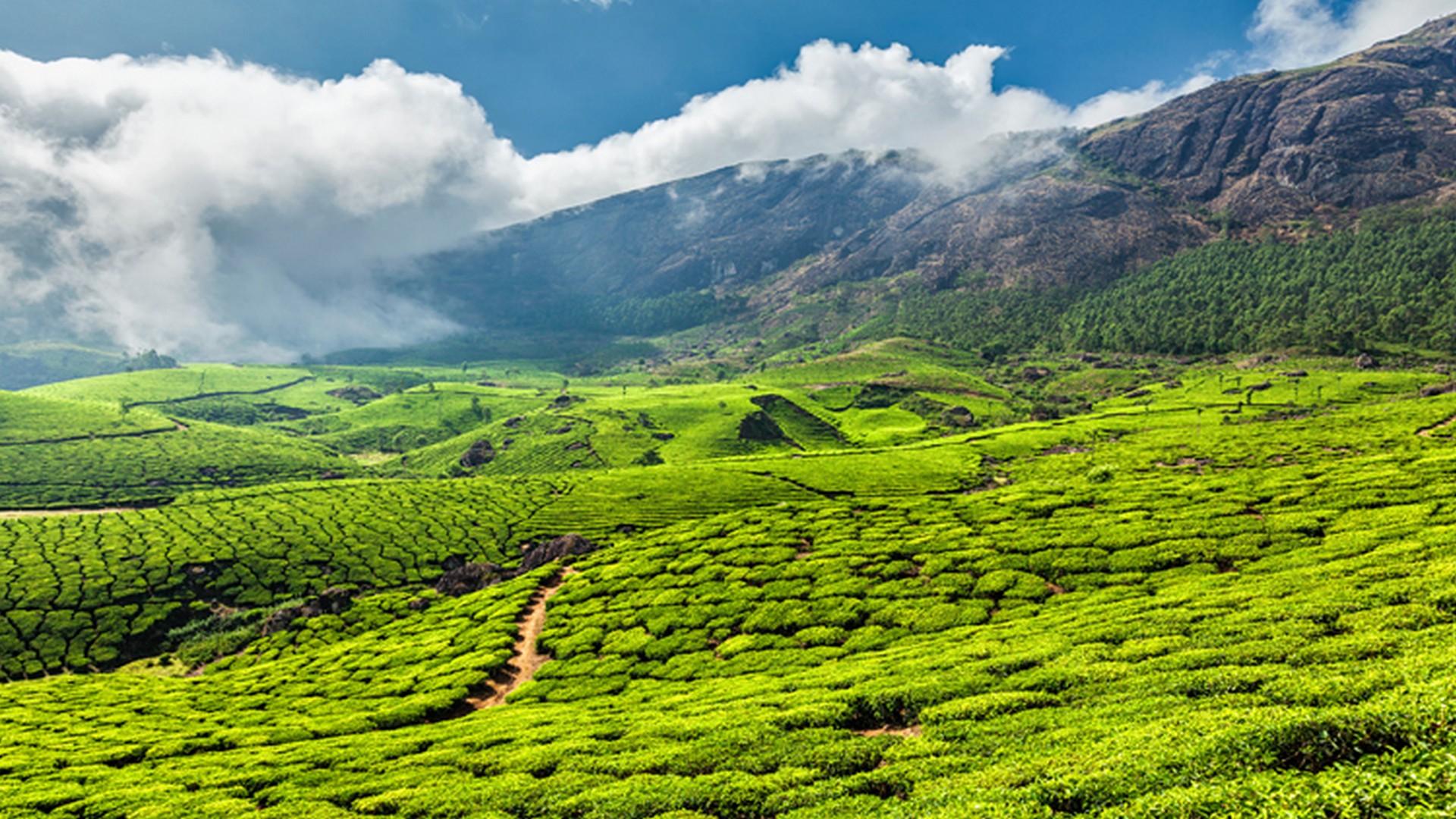
Kerala Plans to Reopen Tourism by October
- Sep 14,2020
- Outlook
God's own country is getting ready to welcome travellers by early October. After months of lockdown, the Kerala government is planning to open tourism activities in the state by October. The decision was announced by minister Kadakampally Surendran during an interaction with the tourism panel members of CII's (Confederation of Indian Industry) Kerala chapter. According to the minister, the tourism department has prepared a detailed report on the opening up of tourism activities while ensuring all safety protocols. “The plan includes highlighting the importance of wellness and ayurveda for immunity. The file has been presented to the chief minister and health department for their advice,” said Surendran. Owing to the lockdown, it is estimated that the tourism industry, which is a key revenue earner for Kerala, has suffered a loss of Rs25,000 crore. Recently, the tourism sector had asked the government to consider re-opening the industry as the losses incurred were increasing by the day. Over 4,000 hotels and resorts, 1,000-plus houseboats, ayurvedic centres, tour operators, and homestay owners in the state were reported to be in dire financial constraints due to the continuous shutdown. The Confederation of Kerala Tourism Industry urged the state government to allow the hospitality, ayurveda and wellness sectors to be opened again with COVID-19 protocols in place.
Read more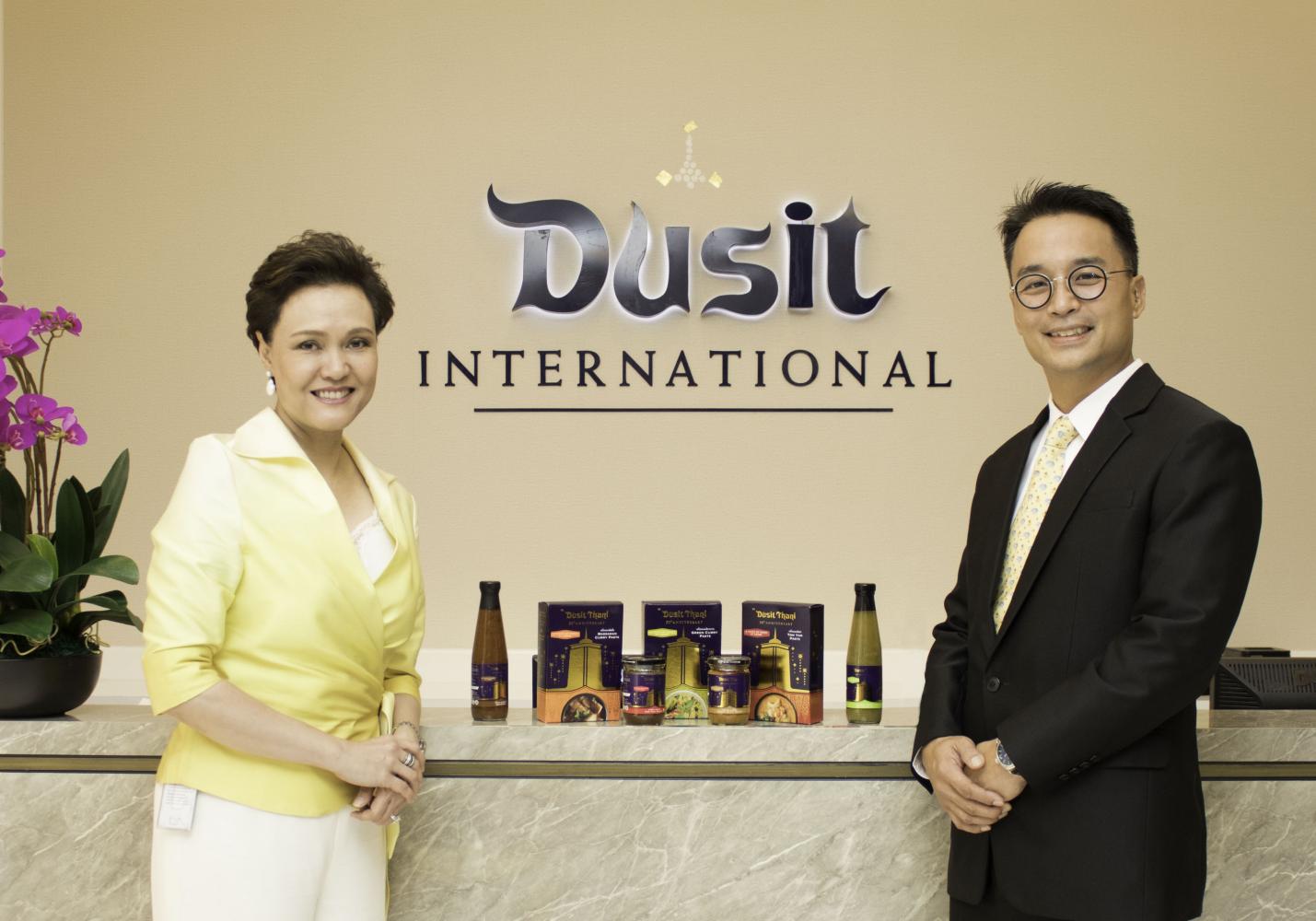
Dusit International reveals plans to expand rapidly across India
- Sep 14,2020
- Top Hotel News
Thai hospitality group Dusit International has struck a deal to open its first hotel in India – and outlined its vision to add several more properties across the country in the next few months as part of an ambitious expansion strategy. Starting with Dusit Princess Serviced Suites Kolkata, the Bangkok-headquartered company behind more than 300 properties worldwide is exploring further opportunities for its brands in key locations across India. India earmarked as a key growth opportunity One of Asia’s fastest-growing hospitality companies, Dusit International is now setting plans in motion for a quality-focused expansion, with the aim of opening at least two new Dusit-branded hotels per year from 2021 onwards in Tier I and Tier II cities such as Delhi, Mumbai and Bangalore, as well as leisure destinations throughout India. In addition to the signing of Dusit Princess Serviced Suites Kolkata under a franchise agreement with the Kolkata-based Jain Group, the company reported that it’s on course to conclude another four signings within the coming year. With each property brought into its portfolio, the group follows a strategy of helping owners maximise the value of their assets. Among the planned expansion are palace conversions where the local customs and traditions will be combined with its distinctive brand of Thai-inspired hospitality to create luxury hotel experiences that provide value to the wider community. Already well-known in India, and counting the country among the top source markets for Dusit Hotels and Resorts worldwide, the group is well-positioned to grow its presence here. The parallels between Indian and Thai culture and traditions give the business confidence in its appeal to Indian guests and hotel owners. With the rapid growth of India’s middle class, which is expected to reach 583 million people by 2025, the group sees great potential for upscale and midscale brands in this market. “While Covid19 has brought immense challenges for tourism and hospitality worldwide, we remain confident that our resilient industry can and will bounce back, and we expect India to be a key player in international and domestic tourism in the brighter days ahead,” said Suphajee Suthumpun, group CEO, Dusit International. “We are delighted and honoured that the Jain Group has selected our Dusit Princess brand for their property in Kolkata, and we now look forward to bringing more quality products to the market to generate long-term value for our stakeholders.” Making a mark in Kolkata Currently slated for debut in Q2 2022, Dusit Princess Serviced Suites Kolkata will occupy a prime location near Eco Park as a part of Jain Group’s high-end residential project Dream One. This site is just five minutes by car from the city centre and airport and only a minute from Kalakshetra Metro Station. Providing an ideal base for business and leisure travellers seeking extended stays, the new property will consist of 42 three-bedroom units, a swimming pool, an all-day dining restaurant, a speciality restaurant and a fitness and wellness centre. Event space will also be available for small and midscale events. “In the new normal following Covid19, Indian travellers will be increasingly seeking brands they can trust to deliver the high levels of safety, comfort and convenience they deserve,” said Shrayans Jain, vice president of the Jain Group. “Dusit has more than seven decades of experience delivering exceptional guest and customer experiences in key destinations worldwide, and the company already has a strong reputation in India for the quality of its offerings. Our companies’ shared values to deliver quality in all aspects will ensure Dusit Princess Serviced Suites Kolkata is perfectly placed to exceed guest and customer expectations, and we look forward to a long and successful relationship with Dusit.” Dusit International currently has more than 300 properties operating under six brands across 13 countries. The company is represented in India by Delhi-based Deepika Arora who is part of the core team behind its expansion across South Asia and Africa.
Read more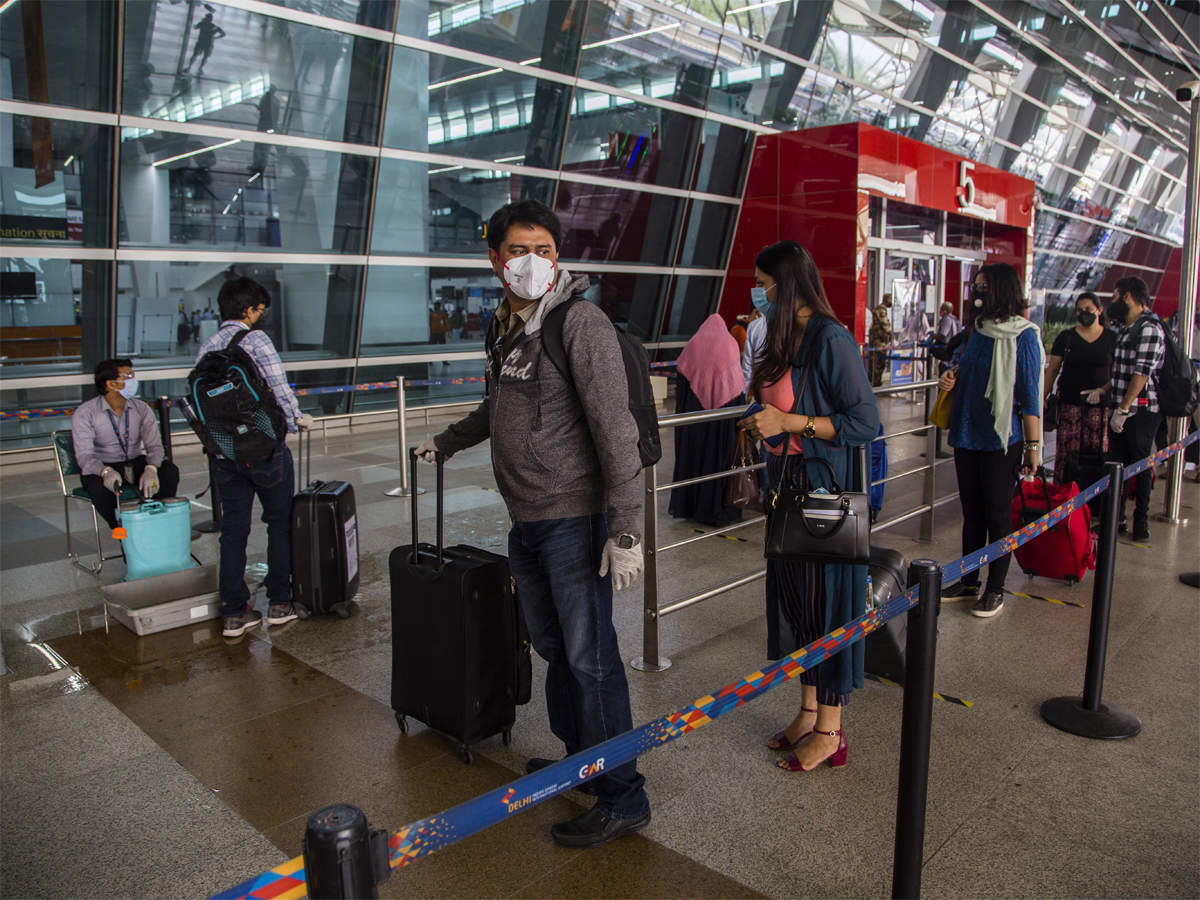
India’s first airport Covid-19 testing facility launched in Delhi
- Sep 14,2020
- NDTV
The facility at the Terminal-3 of the airport, which offers a walk-in option, "ensures a safe journey of all passengers entering the city or scheduled for domestic connecting flights", the Delhi International Airport Limited, the airport operator, said in a statement. New Delhi: India's first coronavirus airport testing facility was launched on Friday at Delhi's Indira Gandhi International Airport. The facility at the Terminal-3 of the airport, which offers a walk-in option, "ensures a safe journey of all passengers entering the city or scheduled for domestic connecting flights", airport operator DIAL (Delhi International Airport Limited) said in a statement. International passengers traveling without a valid COVID negative certificate can book a slot in advance, it said. The test results are available within four-six hours. Passengers have been advised to book the slot an hour before the time of arrival and around four-six hours before the departure flight. "Passengers will have to provide with their details such as name, contact details and valid ID proof while applying online for this facility. They will also have an option to modify the slot in case they are not able to reach at the scheduled appointment time. Besides, passengers belonging to the same family can book a single slot all together through online," the DIAL statement reads. "Until the results are confirmed, passengers will be isolated at the waiting lounge or may opt to stay in a hotel. In case of a positive result, passengers will be processed in line with applicable ICMR (Indian Council of Medical Research) protocols by the State authorities. This will help the authorities concerned to avoid passengers affected with the disease from coming in close contact with those already having RT-PCR negative report ," it further stresses. Set up across 3,500-square feet area at the multi-level car parking (MLCP) of Terminal-3, this is the first such arrangement among Indian airports amid rise in coronavirus cases. India's coronavirus tally surged to 46 lakh this morning after the biggest single-day jump of over 97,000 fresh infections, the government data showed this morning. Worldwide, over 2.8 crore people have been affected by the pandemic.
Read more