Maldives tightens entry requirements for tourists after spike in cases

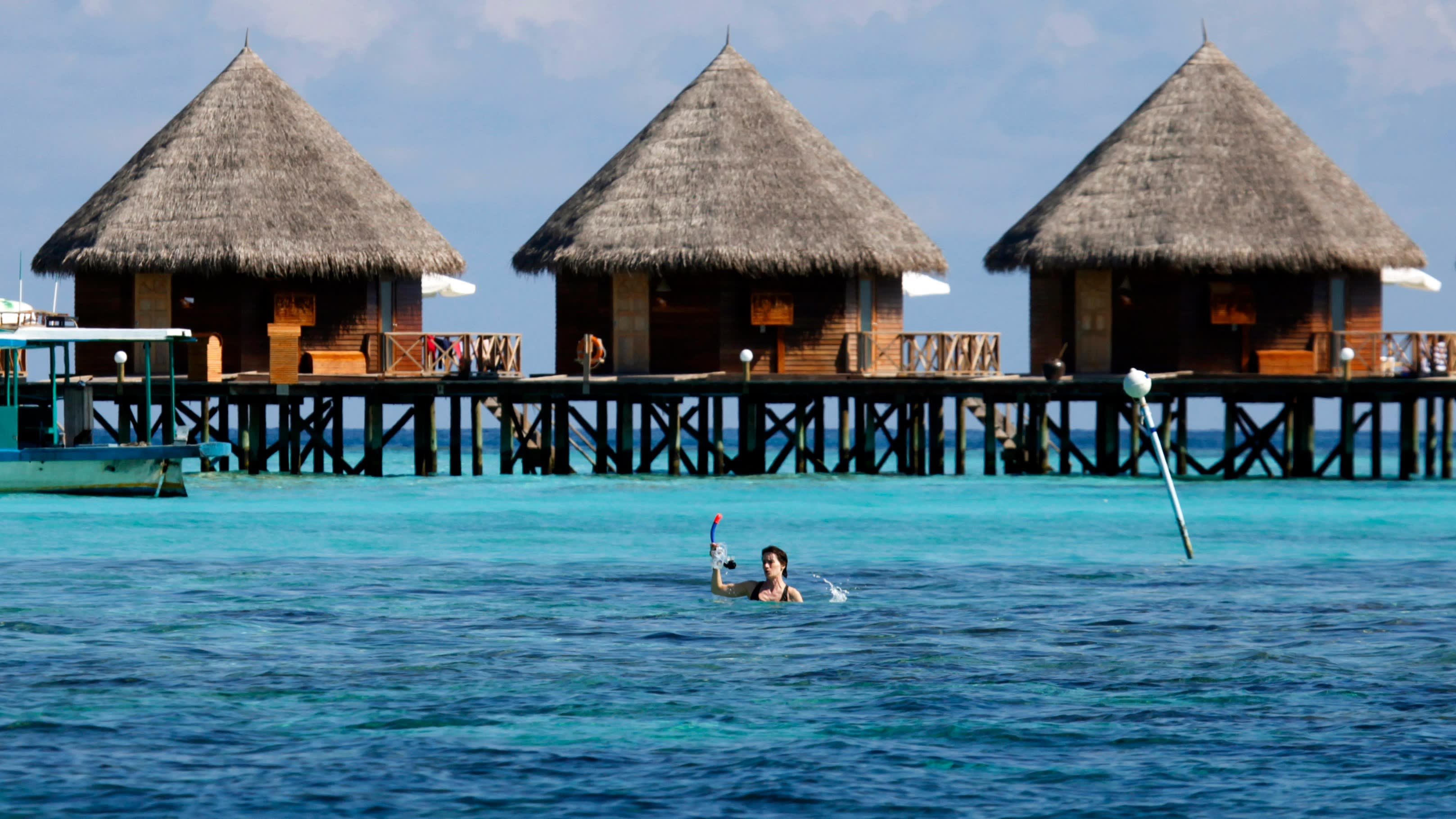
The Maldives has tightened entry requirements for tourists after a spike in coronavirus infections at more than a dozen resorts, the foreign ministry said Wednesday. The Indian Ocean archipelago re-opened its luxury resort islets in mid-July after a months-long lockdown, and did not require visitors to be tested or carry virus-free certificates when entering the country. Since then, 29 local staff and 16 foreigners have tested positive at the resorts, officials said, where they were also being isolated. Under the new guidelines, all tourists will be required to present a negative Covid-19 test result on arrival. Tourism is the major economic driver for the Maldives, a tropical island paradise popular with honeymooners and celebrities. Authorities had hoped tourists would flock back to the archipelago of 1,190 tiny coral islets after international flights restarted. But only 5,200 tourists visited the country in the month since July 15 -- a fraction of the pre-pandemic 141,000 monthly average. Meanwhile, the Maldives recorded more than 1,000 new infections in just the past week to take the total number of cases to 8,003. Most of the infections since the start of the pandemic have been among poor migrant laborers and locals in the densely populated capital Male. The government had imposed a night curfew in Male and neighboring inhabited islands from early August to contain the sharp rise in cases there. Some 29 people have so far died from Covid-19 in the nation of 340,000 people.

Read more

‘Covid tourism’: Mt Abu sold out on weekends

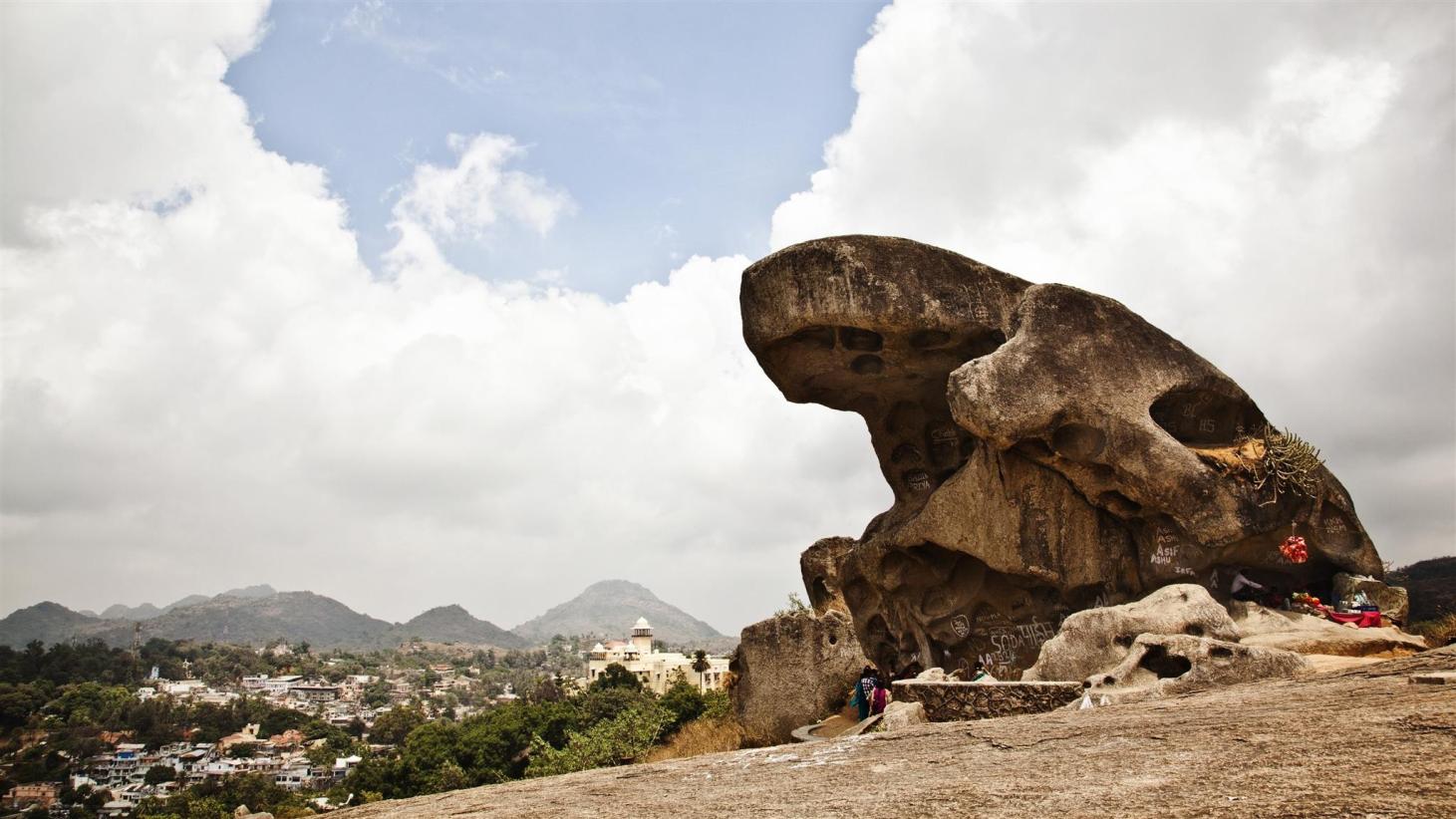
JAIPUR: Try booking any hotel or resort in Mount Abu on weekends, the answer is invariably going to be, “It’s sold out.” The local hospitality industry calls it “Covid tourism”. Continuous rains over the past one month, misty mountains, gurgling streams and water falls are just the cherry on the cake. Till June, the hill station was in green category, but isolated cases started since then and went almost unnoticed. Mount Abu has so far reported 54 cases out of which 15 are active now. Being a four-hour drive from Ahmedabad, Mount Abu is a popular among for Gujaratis, as it also serving as a watering hole for the liquor-starved neighbours. As borders opened after the lockdown, they were the first ones to arrive. But the rush begun from August. “We lost the summer rush to the pandemic. In July, travellers were tentative … As rains came in August, it opened the floodgates of cooped up tourists. Now, the destination is a full house on weekends,” said Kashyap Jani, former president of Mount Abu Hotel Association. He said while Gujaratis traditionally account for 80-90% of tourists, people from nearby cities like Udaipur, Jodhpur and Jaipur are also thronging the destination. “It’s been too long a confined life, depression is not far away. With almost negligible coronavirus cases, Mount Abu is safer than my place,” said Heeral Mehta from Ahmedabad, who along with his family spent the last weekend in the hill station. The rates charged by hotels are as high as pre-Covid days, but Jani said, the weekday rates are cheaper by about 50%. With occupancy during weekdays rising from 10-15% a month back to about 40% now, rates are also rising proportionately. District collector Bhagwati Prasad said, “We are not worried about the rush, but the administration is strictly monitoring adherence of SOPs by hotels and visitors.” It’s hard to guess how long the hill station can remain as an oasis in the Covid world.

Read more

Tourism activity picks up in Hampi

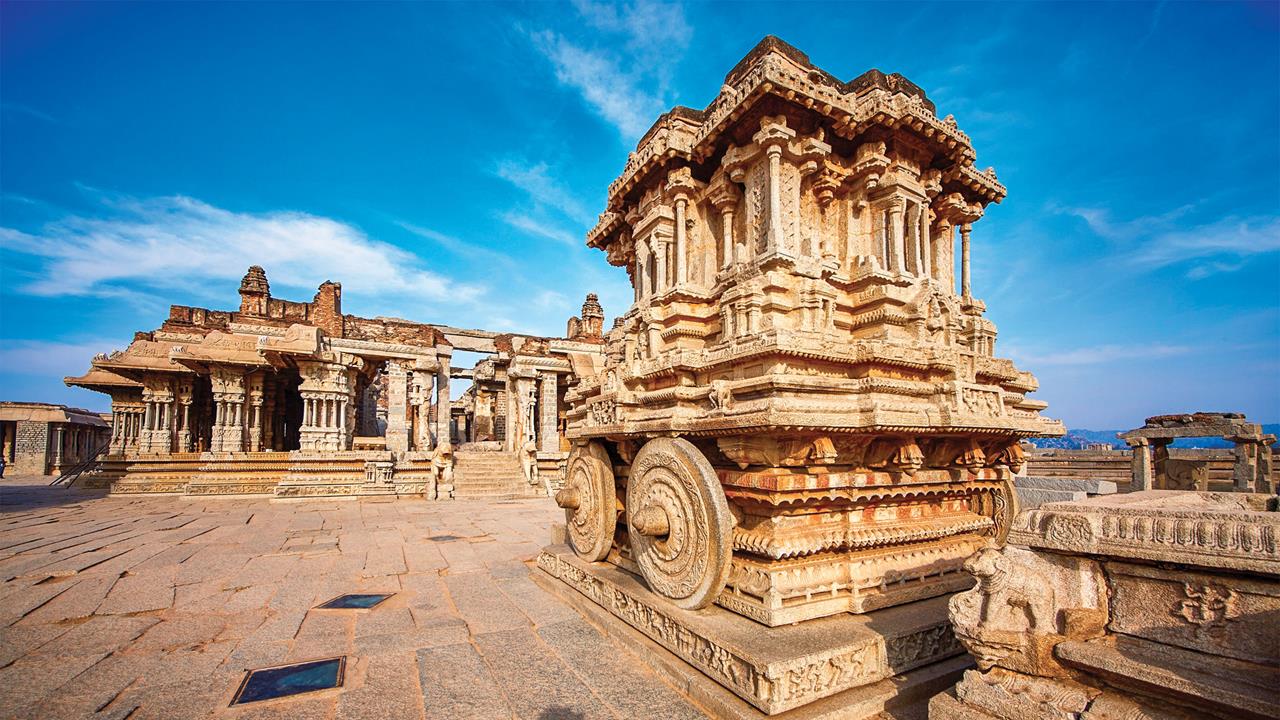
Ballari: After a hiatus of six months, tourist activities are picking up in Hampi for the past two weeks. As the flow of tourists is slowly increasing, it has given rise to the hopes that Hampi will soon be back to its earlier days when scores of tourists from all over the world used to flock there, before the pandemic. In order to give tourists a green option to visit important monuments, the Hampi World Heritage Management Authority, (HAWHMA) has resumed the service of battery-operated vehicles from Tuesday in Hampi. P N Lokesh, commissioner, HAWHMA, told TOI that there is some good news, as there is an increase in the number of tourists visiting Hampi, after the government eased the lockdown. “Now, people from different places are visiting Hampi since two weeks. On an average, 100 to 150 tourists are visiting Hampi every day now, and more than 800 tourists visit during the weekends. The number is really encouraging, and it has prompted us to reintroduce the service of battery-operated vehicles, which was stopped since five months, from Tuesday. We are now operating 4 battery-operated vehicles on weekdays and will deploy 16 battery-operated vehicles during the weekends,” he said. “The eco-friendly vehicles will ferry tourists on a 1.3 km stretch of road between Gejjal Mantap to Vijay Vittal Temple. Each vehicle has 11 seats, and there will be a nominal charge for each person taking a ride on these vehicles,” he said. Hampi has 85 ASI protected monuments and more than 3,000 listed monuments. “We have taken all precautionary measures to contain the spread of the novel coronavirus in Hampi, by adhering to the norms laid down by the government. We have made it mandatory for each tourist to wear a mask, sanitise their hands and maintain social distancing. We have also trained our staff on the SOP prescribed by the government, to ensure that each tourist follows these guidelines seriously,” he said.

Read more

Malaysia closed to tourists until December

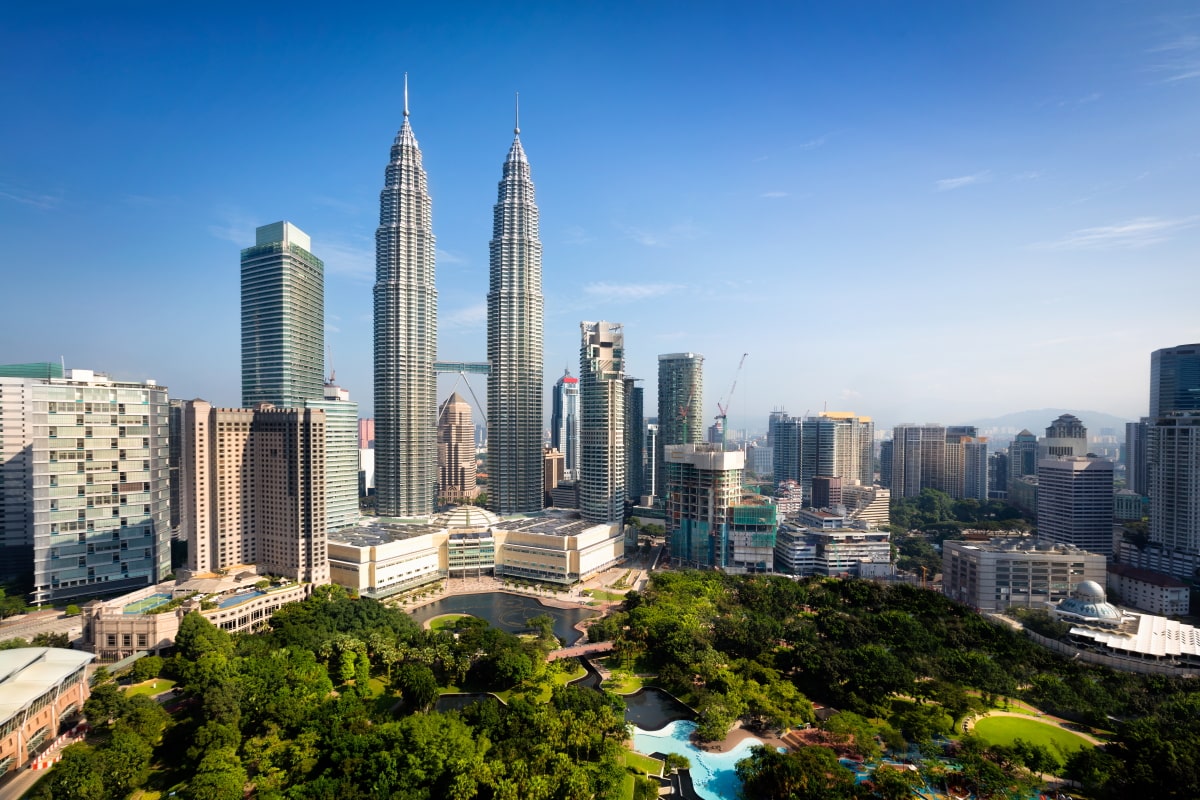
KUALA LUMPUR: Malaysia has announced that the country’s Recovery Movement Control Order (RMCO), which maintains strict travel restrictions, will remain in place until Dec 31, 2020. Initially, the RMCO was due to expire on Aug 31, reports TTR Weekly. As long as the RMCO is in place, foreigners who have a ‘social visit pass’ (tourist visa) that expired after Jan 1, 2020, will be permitted to leave Malaysia without incurring any fines or penalties. The concession does not apply to social visit passes that expired before Jan 1, 2020. Thailand has given foreigners a much shorter grace period that ends on Sept 26. Foreigners will need to apply for a visa extension or leave Thailand to avoid penalties by the deadline. Travel to Malaysia will continue to have strict controls with foreigners needing to obtain a ‘Letter of Undertaking and Indemnity’ approved by the nearest Malaysian consulate or embassy in addition to an appropriate visa. However, leisure travellers will not be permitted to visit Malaysia as long as the RMCO is in place. Entry is limited to travellers who have families in Malaysia and for essential travel linked to business and investment activities. All travellers who are permitted to enter Malaysia must undertake mandatory 14-day quarantine. Thailand follows similar protocols, strictly applying the 14-quarantine rule but offering travellers arriving in Bangkok what it calls “alternative state quarantine” in certified hotels that are linked to hospitals. They charge around B50,000 to B70,000 for the 14-day stay, including three meals a day and COVID-19 tests. Thailand is currently confusing overseas tour operators with contradictory statements by leaders who in the space of a few days suggest they are opening the borders gradually to limited travel and then contradict themselves just days later by suggesting the opposite, noted the TTR Weekly report. There are various programs bandied about by the media, but due to the 14-day quarantine rule, they would appeal only to long-stay visitors (six months or more) repeat travellers who are prepared to buy into expensive schemes to return to Thailand.

Read more

Lufthansa to operate 160 flights between India and Germany

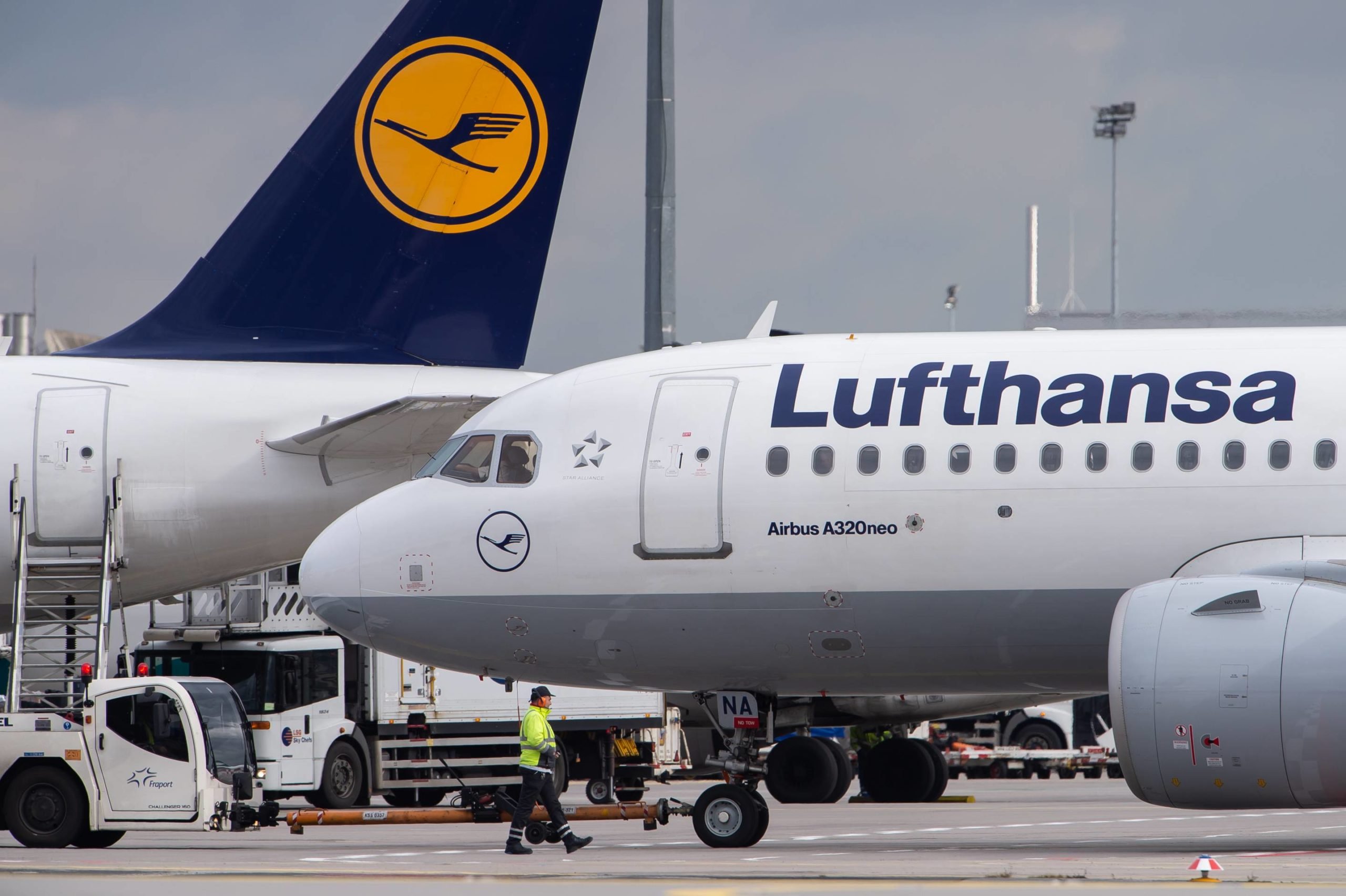
German carrier Lufthansa has announced 160 flights between India and Germany for the month of September. The airline will operate between its German hubs Frankfurt and Munich and the key Indian cities of Delhi, Mumbai, and Bengaluru. From Frankfurt and Munich, Indian travelers can enjoy connectivity throughout Lufthansa’s global network. In September, ten weekly flights are scheduled for the following routes: 1. Delhi-Frankfurt 2. Delhi-Munich 3. Mumbai-Frankfurt 4. Bengaluru-Frankfurt George Ettiyil, Lufthansa’s senior sales director for South Asia said: “We are very happy and feel honored being able to offer our customers such a comprehensive flight schedule again. This clearly reflects the ongoing high demand for international air travel to and from India, one of the world’s most important aviation markets. “We are honored to be part of reconnecting India with the world by offering our customers the safest inflight experience and connectivity to all major destinations around the globe.” The flights are being operated under the air bubble arrangement between the Indian and German governments. As per the latest directive by the Directorate General of Civil Aviation (DGCA), scheduled international commercial passenger services to and from India remain suspended until September 30, 2020.

Read more

Goa opens borders, bars under Unlock 4

The Goa government’s decision to lift all restrictions on the movement of people across the state borders under Unlock 4 has offered hope to the state’s tourism industry that it will encourage people to consider vacationing later this year. But the decision also drew flak from locals who said that it was too soon to life restrictions that were put in place to fight the spread of the Covid-19 pandemic. Goa Chief Minister Pramod Sawant announced that there would be no restrictions on the movement of people in and out of the state, which he said was in tune with the central government’s directives. In response, the Goa Airport too announced that screening and the testing were being lifted. “As per the announcements by the Govt of Goa restrictions on interstate travel have been removed in line with guidelines of Govt of India. No more requirements of Covid19 -ve report and no more test requirements for domestic travellers,” the Airports Authority of India, which runs the civilian terminal at the Goa airport, said. The airport handled 34,700 passengers in August, the highest since April and significantly higher than the around 20,000 passengers the airport handled in the months of June and July. The state’s tourism department had said that the need for quarantine upon arrival as well as quarantine upon return to their respective states was an additional deterrent to tourists as well as to business travellers many of whom arrive only for a short stay. The tourism stakeholders hope that with the travel guidelines now clearer, it will help people plan their holidays if not now, then for later this year. An added filip was the reopening of bars, which the industry says will also give the restaurant industry a boost. According to an per an order issued by the Excise Department on Monday all “valid licence holders whose licences are not otherwise suspended and are already renewed for this financial year are permitted to commence the sale of liquor for consumption on premises except in containment zones… provided that they make mandatory arrangements for social distancing distancing between workers, adequate gaps between shifts, staggering lunch breaks of staff, etc.” The government has also mandated that “no liquor be sold without a mask or face cover... and that customers maintain six feet distance from each other” among other conditions. “We are also worried about the virus, because we do not know how fast it is spreading. We have to inspire confidence in people if they are to come back. It will take some time,” Michael Carrasco, the president of the All Goa Bar and Restaurant Association, said. Goa’s economy is heavily reliant on tourism and while the return of the tourists is still some months away, stakeholders are hopeful that with the path now clearer things will turn a corner by November-December. However, many have cautioned that the decision is premature. The Goa unit of the Aam Aadmi Party (AAP) said the chief minister seems to have given up all efforts to control the spread of Covdi-19. “The breakneck speed at which the BJP government has opened up the state, shows that CM Pramod Sawant, having given up all efforts to either control the spread or ensure treatment of the infected, is only waiting for herd immunity to develop in Goa. The CM has thrown open the borders to everyone, with no testing required. He says this is as per MHA guidelines. But MHA guidelines have only removed the requirement of an e-pass and the guidelines dated 29/08/20 expressly state that movement of people is still to be regulated as per SOPs in place,” the AAP said.

Read more