
Sri Lanka eyes post-Coronavirus tourism with tighter visa, health rules
- Apr 23,2020
- Economy Next
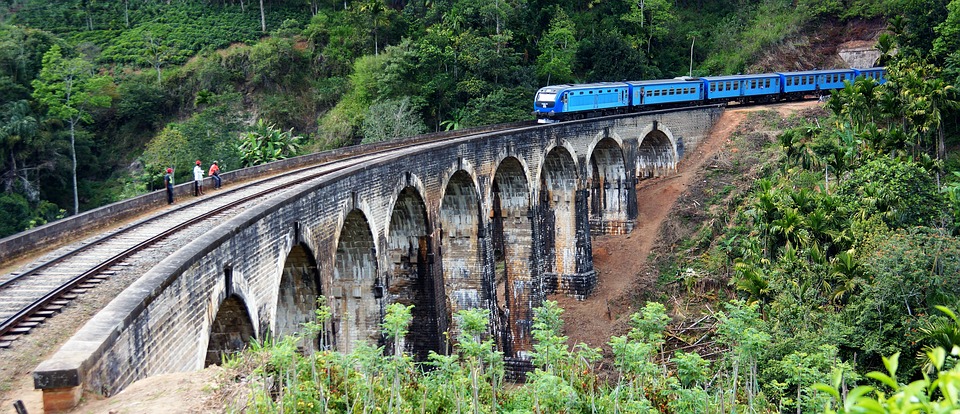
Sri Lanka is making plans draw tourists after a Coronavirus crisis, with a raft of new operating rules for hotels, transport and visa to cut changes of the virus being transmitted and protect workers and their families, a tourism official said. “The visa process will be changed. When you turn up you will not be able to have visa,’ Kimarli Fernando, Chairperson, Sri Lanka Tourism told an online forum organized by Advocata Institute, a Colombo-based think tank. Tourism is the third highest source of foreign exchange for Sri Lanka, but the industry has faced a downturn following the Easter Sunday terror attacks. ECONOMYNEXT – Sri Lanka is making plans draw tourists after a Coronavirus crisis, with a raft of new operating rules for hotels, transport and visa to cut changes of the virus being transmitted and protect workers and their families, a tourism official said. “The visa process will be changed. When you turn up you will not be able to have visa,’ Kimarli Fernando, Chairperson, Sri Lanka Tourism told an online forum organized by Advocata Institute, a Colombo-based think tank. “Everyone will need to apply for visa two weeks before arrival and all will be requested to undergo a test which will be selected at the discretion of the Health Ministry. “We will ask the tourists’ to book their accommodations. It has not been finalized yet but we are suggesting that all tourists adhere to this.” Sri Lanka’s tourist arrivals had dropped 70.8 percent from a year earlier to 71,370 in March 2020, amid a Coronavirus crisis, with borders closed for arrivals from March 19. Industry officials said it may take about a year to recover but they are already getting bookings for January.
Read more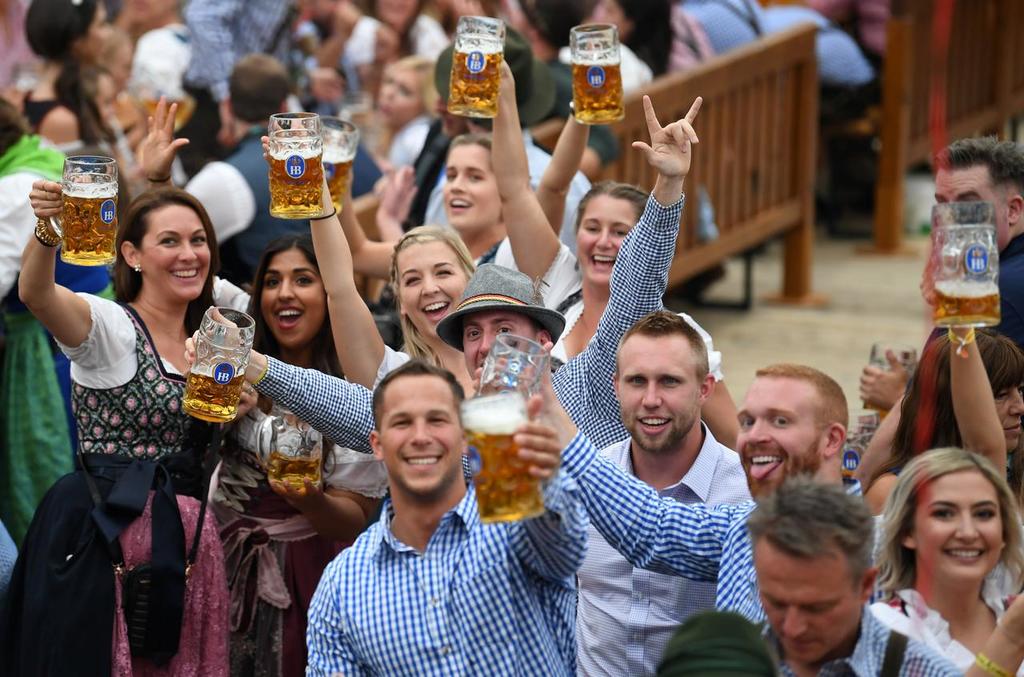
Oktoberfest Cancelled Amidst Coronavirus Scare
- Apr 23,2020
- Outlook India
The legendary German fest, which attracts around 6 million visitors every year, has been called off. It has been celebrated for 210 years and is a major event in the world tourism calendar. But this year, the beer taps at Germany's Oktoberfest, the world's largest beer festival, are turning off thanks to virus fears. Bavarian leaders took the hard call recently. The annual event takes place in the Bavarian capital Munich and attracts around 6 million visitors. According to the festival’s website, Munich's Mayor Dieter Reiter along with Bavarian State Chancellery, Minister President Markus Söder, “agreed that the risk is simply too high." The festival was supposed to take place from September 19 to October 4, 2020. However, according to Reiter, Oktoberfest "simply cannot exist in these times”. Head of Oktoberfest, Clemens Baumgärtner also regretted the cancellation of Oktoberfest 2020: "A decision that saddens us all: It affects me, deeply and personally. A festival for millions, which stands for Munich, for the joy of life, for Bavaria, cannot take place.” "It is the right decision because—at least for the time being—we cannot ensure that we have a Wiesn that only gives pleasure to everyone, but does not pose any danger,” he added. Prioritising people’s health, Reiter said, "Not to let it happen is a bitter pill to swallow." The festival, colloquially known as Wiesn, is a 16-18 day celebration, which first took place in 1810 to celebrate the wedding of Bavarian Crown Prince Ludwig with Princess Therese of Saxony-Hildburghausen. The two-centuries-old festival involves people dressing up in traditional clothes (such as dirndls and lederhosen) and attending cultural parades, and dancing to traditional Bavarian music. And, of course, drinking beer. This isn't the first time that the festival has been cancelled. Earlier pandemics, such as a cholera outbreak in 1854, have shut it down as well. It was last cancelled during World War II. This cancellation could possibly be a sign of things to come (at least in 2020) for many festivals that involve mass gatherings.
Read more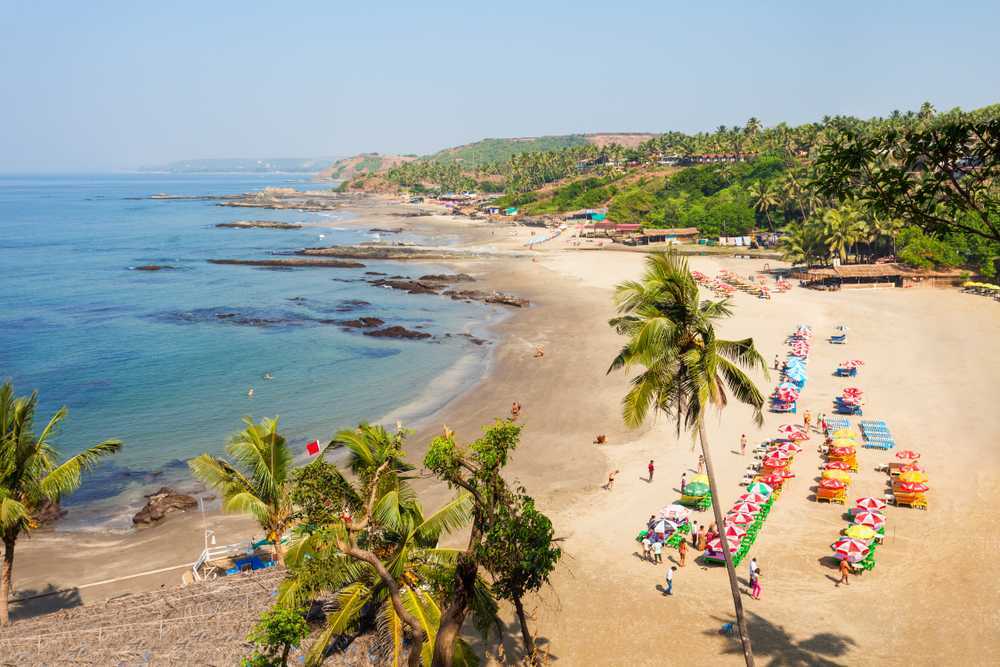
Goa Minister: No tourism activity until India is coronavirus-free
- Apr 23,2020
- Daijiworld
Ports Minister Michael Lobo said on Wednesday said that tourism activity will be allowed in Goa after only when there are no novel coronavirus cases in India, even as Tourism Minister Manohar Ajgaonkar said the coastal state would seek a central package for its tourism sector. "Tourism industry will re-open in India, including Goa, if the corona cases come down in three months. But if they don't go down to zero in other states, like it has been in Goa, then nothing will restart," Lobo said at the briefing earlier. "Domestic airlines cannot be started again yet. You will only end up taking the virus from one state to another," Lobo said. Speaking to reporters after a meeting of the state Cabinet along with Lobo, Tourism Minister Manohar Ajgaonkar said that the Goa's tourism had suffered a massive setback on account of the pandemic. Ajgaonkar said that in view of the hit that the tourism industry has taken, Goa would seek a financial package from the central government to keep the state tourism sector afloat. "Tourism has gone to zero. Unless we can find a medicine for this (Covid-19), how will the tourists come? Tourism functions because of tourists; if they do not come, then how will the industry run?" Ajgaonkar said. "We will seek a package. Goa's tourism has gone down to zero. If we are to lift this up, we are going to need a package. The hotels and shacks are in a loss," Ajgaonkar said. The Ports Minister also said that currently, the state government does not even have the required health infrastructure to set up another Covid-19 testing kiosk at the Goa International Airport, because main government health facilities were facing a tremendous load. "We do not have the infrastructure to start another kiosk at the airport right now. When the cases come down and so does the load on the Goa Medical College, we will be able to set up these kiosks at the airport, railway stations, and inter-state borders," Lobo said.
Read more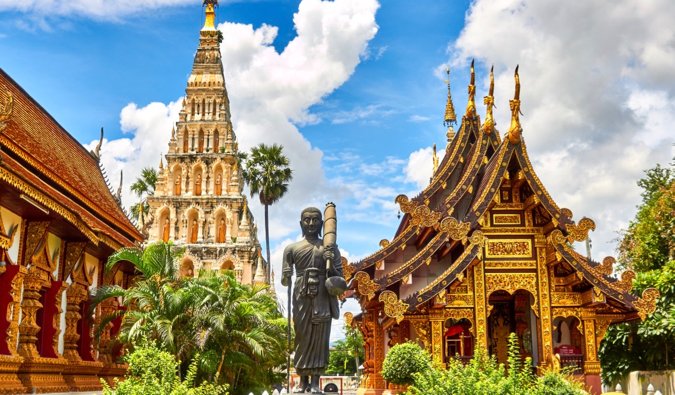
Thailand's tourism industry to introduce post-Covid-19 health and safety certification
- Apr 22,2020
- Travel Mole
Thailand's tourism authority is developing a new health and safety certification to reassure international and domestic tourists once the pandemic is over. Working with public and private sector partners, the TAT said it was aiming to elevate the country's tourism standards. "The project is part of TAT's efforts to mitigate the impacts of the Covid-19 crisis and accelerate recovery in the travel and tourism sector," it said. "The Amazing Thailand SHA certification is to prepare Thai tourism operators to be ready for the return of tourism post COVID-19." Director of TAT London, Ms Chiravadee Khunsub added: "We understand that travellers will be more aware of their health and concerned with cleanliness after the pandemic which is why TAT is collaborating with the Ministry of Public Health and various tourism associations to ensure a clear set of criteria and guidelines to ensure consistent delivery of reliable services when Thailand is open for business again. "When we're able to open our doors to visitors, reassuring them that their best interests are our top priority will be an important message. The health and welfare of those who work in Thailand's tourism sector is paramount too, we have to safeguard them as they return to work. "We welcomed over a million British and Irish visitors last year and we want future travellers to experience Thailand with peace of mind so they can enjoy the holiday they've been longing for. It is also important for agents to feel assured Thailand is a safe destination to send their customers. Tourism is a key pillar of Thailand's economy, it generates a large number of sales and revenue for our operators and agents and travel also plays an important part in consumers mental wellbeing and happiness which is why we will do what we can to facilitate holidays to Thailand again." TAT is currently working on details of the Amazing Thailand SHA certification together with the Ministry of Public Health, Ministry of Tourism and Sports, Thailand Convention and Exhibition Bureau, Board of Trade of Thailand, Federation of Thai Spa and Wellness Association, Thai Retailers Association, Thai Hotels Association, Association of Domestic Travel, Thai Amusement and Leisure Park Association, Thai Restaurant Association, Thai Spa Association, Thai Boats Association, and Event Management Association. Works in the process include establishing the SHA criteria, introducing the committee, preparing the application and selection process, and planning marketing and publicity for the SHA-certified tourism establishments and services. The evaluation methods and methodology of assessment for tourism establishments and services to be certified with the Amazing Thailand SHA certification will cover five key areas: 1. Tourism establishments and services must strictly follow the COVID-19 control guidelines by the Department of Disease Control, Ministry of Public Health. 2. The safety of attractions and facilities with development plans or operating procedures that focus on ensuring tourist safety while maintaining local culture and promoting interaction between local communities and tourists. 3.Hygiene and sanitation in tourism establishments and services; such as homestays, lodges, souvenir shops and restaurants. 4.Convenience, cleanliness, and safety of linkages between communities and attractions, as well as the safety and health standards of transportation, including private cars, public buses, and airlines. 5.The confidence in tourism personnel in tourism establishments, including tourist safety and security protocol.
Read more
Domestic travel to lead revival in tourism, hospitality sectors
- Apr 22,2020
- Cogencis
The tourism and hospitality sectors, which depend on free movement of people, were the first to be affected by the travel restrictions, first on international and then domestic travel, followed by a lockdown across the country in late March. Some expect the sectors to bounce back once the lockdown ends and domestic travel restrictions ease, even with restrictions on international travel. This is because domestic travel has a higher share in the Indian tourism and hospitality industry compared to foreign arrivals. The hotel industry in India relies more on domestic demand compared to neighbouring countries such as Sri Lanka or Maldives. In other words, domestic demand is adequate to keep the sectors in business. According to government data, domestic tourist visits to all states and Union territories in India in 2018 were at over 1.8 bln compared to inbound international tourist arrivals at 17.4 mln. In 2018-19 (Apr-Mar), airlines carried 140 mln domestic passengers compared with 63.9 mln international passengers, while the railways carried 8.4 bln passengers during the same period. In February and March, when international flights to India were progressively restricted, the sector still showed buoyancy as domestic travel was strong. In a recent webinar, data analytics company STR said hotel occupancy fell 12% in the first week of March, 43% in the second week, and 67% in the third week, when all domestic flights were stopped. "Indian hospitality industry was comparatively less impacted in the earlier months of …(2020) because of the dominance of domestic travellers in the overall mix," the company said. In the last nine days of March, occupancies fell more than 80%. Tourism and hotel occupancy took a dive in cities such as Mumbai, Bengaluru, Hyderabad and Goa, as these are dependent on international travellers. Once travel restarts, it is likely to be mainly essential travel for work or family reasons, medical factors, and travel by those stranded at various places due to the lockdown. "I expect Mumbai to bounce back fast," said Subhadeep Datta, general manager at Goldfinch Hotels, which caters to business travellers. He expects domestic business travel to pick up three to six months after the lockdown ends. Tourism contributes 9% to the country's GDP and, directly and indirectly, employs 50 mln people. The government is also seeking ways and means to facilitate travel. In a release on Apr 10, the Ministry of Tourism said it would come out with guidelines soon for tourists to travel. CHALLENGES Despite the opportunities, the challenges are daunting. When flights resume, social distancing norms have to be followed and it is unclear how this will be carried out or how feasible it is. The government has indicated nothing about train services, long-distance or suburban, where things will be even more difficult. Domestic airlines, including Air India, were preparing to resume flights from May 4, after the current lockdown ends, and were taking advance bookings. That is, until the government stopped them, saying it was not certain if flights would be permitted from that date. SpiceJet chief Ajay Singh told a business channel on Monday that he and other airlines hoped to start flying from mid-May. Hotels, too, are preparing for changes in the way people will travel and stay. Check-in formalities might be automated to ensure no crowding in hotel lobbies. Anirban Chakraborty, managing director and chief executive officer of Tourism Finance Corp, told Cogencis in an interview recently that while he expected domestic travel to boost tourism, there were several obstacles. "One is social distancing, second is psychological impact, third is corporate discretionary spending will come down because a lot of people who travel, won't do so for six-nine months till things stabilise. Fourth, corporate seminars and nights won't happen as people will curtail costs as everybody is under pressure." June is the earliest when hoteliers expect rooms to start filling up slowly "It will take two-three months for it to take effect," said Jinesh Rajpara, senior analyst at India Ratings. He pointed out that the tourism sector would lose the summer months, when most domestic tourists plan their holidays. The next opportunity is the festival season that starts in October. Leisure travel looks distant due to cautiousness among domestic and overseas travellers. Uncertainty on income will also play a critical role. "Even if they want to travel, they should have the spending capacity. So, we expect leisure travel to resume by the end of this year to early next year," Rajpara said. Some companies have laid off employees, sent them on unpaid leave, or cut salaries in order to conserve cash. High-end hotels may see lower occupancy compared to mid-level hotels, which have the potential to fill up faster. Hotels in tier-II and tier-III cities, which depend on casual and contract labour, will find it hard to service travellers as migrant labourers are missing. Average room rates could see moderation and the average revenue per available room till June is expected to be 65-70% lower for 4-star and above hotels, and down 50-60% for mid-tier and below ones, Rajpara said. End
Read more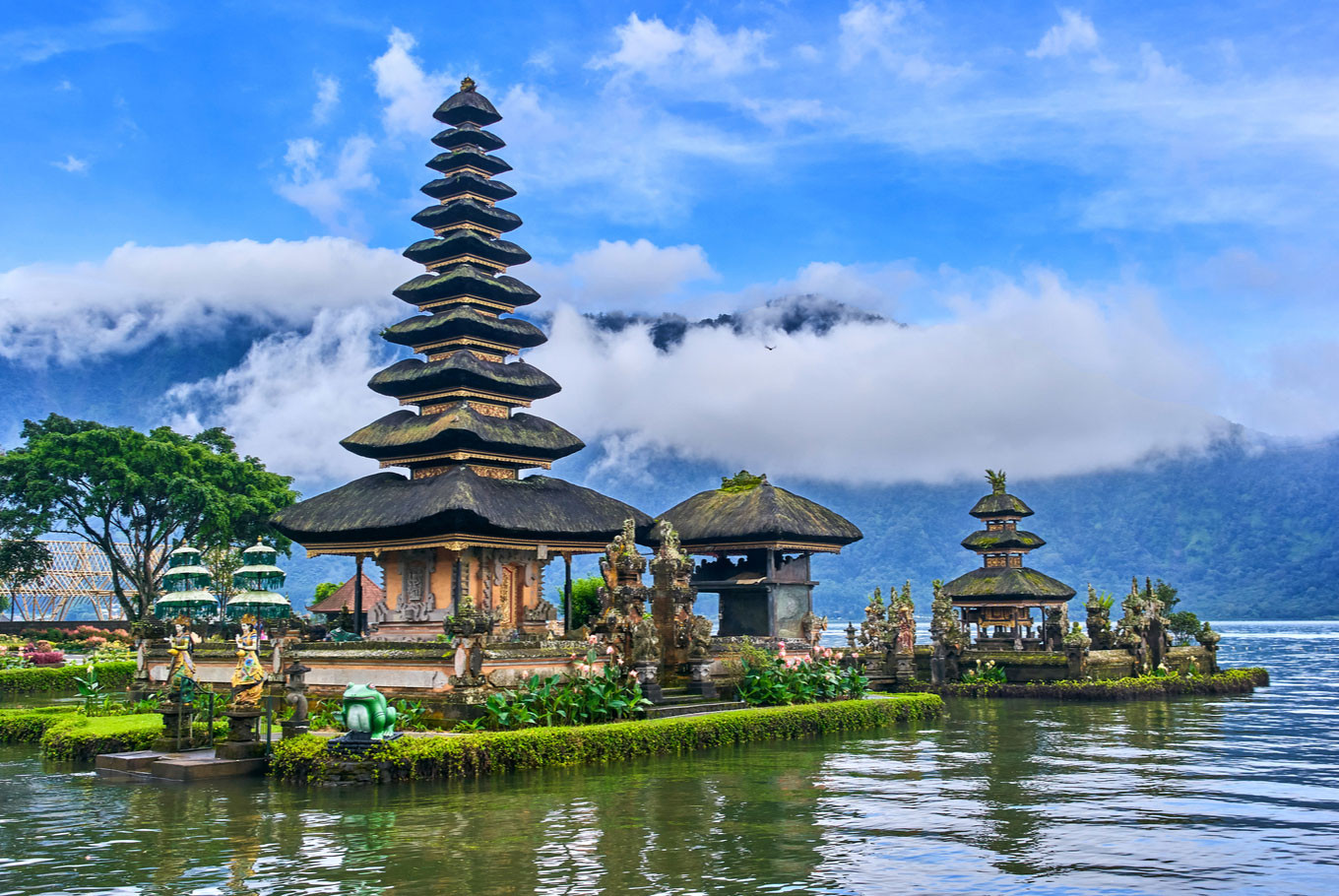
Bali reopens for business: Holiday island plans to invite tourists to return in MAY
- Apr 22,2020
- Daily Mail
The resort island of Bali could reopen for holidaymakers next month as Indonesia tries to forge a path out of the coronavirus pandemic. Flights to Indonesia were suspended on April 2 as nations around the world closed their borders in an attempt to curb the rate of COVID-19 infections. Tourism businesses in Bali were among the hardest hit by the travel restrictions with more than 46,000 employees being furloughed last week. But the island's tourism boss is optimistic that the resort could open its doors to tourists again in May if the Balinese people are 'disciplined' about social distancing. 'The key is no more local transmissions. When we achieve that, not even until June, even May we can start welcoming Chinese tourists,' head of the Tourism Agency in Bali Putu Astawa told local publication Tribun on Thursday. While the Indonesian government was adamant it would focus on eliminating the virus before opening the borders, tourists from countries recovering from the outbreak will be the targets of tourism campaigns. Those countries include China, which recorded 12 new cases of the virus as of Tuesday morning, South Korea which had 13 cases, and Japan which had none. Indonesian president Joko Widodo is confident the pandemic will be resolved by the end of the year and expects tourism to flourish in 2021. 'Everyone is yearning to go out, people want to enjoy the beauty of tourism and so this is the optimism that we must continue to build on,' he said last week, according to Balinese publication Coconuts. But workers in Bali have been suffering financial losses in the face of the coronavirus economic downturn since last month - before flight restrictions were implemented. Eerie photos of Ngurah Rai International Airport emerged on March 12 of the once-bustling international airport almost devoid of people. The photos were posted on social media by a local tour guide accompanied by the caption: 'Bali Airport today at 9.30am. Very Empty. Bali very sad and hard life.' Despite Balinese tourism officials claiming the island could be back open for business next month, travel bans for Australians are expected to extend to 2021. Federal Tourism Minister Simon Birmingham told ABC's News Breakfast last week: 'I wouldn't put any guarantees that you could undertake that overseas trip in December.' 'This is a time where, unfortunately, people can't undertake holidays and they won't be able to go overseas for quite some time to come.'
Read more