Thailand’s Tourist Tax Faces Delays Amid Political and Operational Hurdles

Thailand’s plans to implement a tourist tax are facing significant delays due to shifting political dynamics and operational challenges. The proposed levy, aimed at funding infrastructure and supporting the growing tourism sector, was initially set to launch in 2026. However, recent changes in government leadership and complications in the tax collection system have created a roadblock, putting the future of the initiative in question. These hurdles have raised concerns among stakeholders, who are now uncertain about the tax’s timeline and its potential impact on the country’s tourism industry. Thailand’s tourism sector has faced an unexpected challenge in 2025, with a notable drop in the number of Chinese visitors. However, officials remain optimistic about a recovery, especially following recent discussions aimed at strengthening bilateral ties with China. The Thai government’s decision to halt progress on legalizing casino resorts has become a key part of this strategy, marking a significant shift in the country’s approach to tourism development. In a pivotal meeting between Thai Prime Minister Anutin Charnvirakul and Chinese President Xi Jinping in July 2025, the Chinese leader raised concerns about Thailand’s potential move to legalize casino resorts. Xi warned that such a step could have negative consequences for tourism and trade relations between the two countries. Responding swiftly, Prime Minister Charnvirakul assured President Xi that Thailand would stand firm against the legalization of casinos. This pledge was reiterated in subsequent talks at the Asia-Pacific Economic Cooperation (APEC) summit in South Korea, signaling Thailand’s commitment to maintaining a positive relationship with China, particularly in terms of tourism.

Read more

Vietnam Airlines Boosts ASEAN Links with New Hanoi–Jakarta Route Launching 22 Nov 2025

Vietnam Airlines launches new Hanoi–Jakarta route from 22 November 2025, bolstering Vietnamese tourism via enhanced ASEAN connectivity. The direct service between Hanoi’s Noi Bai International Airport and Jakarta’s Soekarno‑Hatta International begins operation later this month and signals a major step forward in regional travel. By enabling easier access for Indonesian visitors and Vietnamese travellers alike, the new link strengthens Vietnam’s tourism appeal and supports growth in its hospitality industry. According to the airline, the route will operate multiple times weekly, with overnight scheduling designed to maximise daytime use for business and leisure travellers alike. (vietnamnet.vn) Additional Indonesia–Hanoi direct flights starting November 22 2025. Extending the reach of Vietnamese Tourism because of Advanced ASEAN Integration. To bridge the gap with ASEAN nations, the Vietnam Airlines’ newest route will ease travel options and itineraries, starting November 22, 2025. Vietnam Airlines will operate direct flights on the route Jakarta–Hanoi, which will connect the capitals of Indonesia and Vietnam. According to tourism and travel regulations, the new route will implement daily direct flights with an expected 100% service rate. This will stimulate the business and leisure tourism travels of the two nations and promote hotel development. Customers and businesses will benefit from the new travel tourism incentive and the Southeast Asia market freely offered to Vietnam and Indonesia. Due to the enchanting culture and geography of Vietnam and Indonesia, the market gap is an enticing and unique experience that the tourism industry is able to offer new market visitors. New flights will ease the passage to Vietnam’s mainland tourism capitals and the in market tourism Boch Jakarta, and will ease the passage to travel to Vietnam between Bahrain and Indonesia.

Read more

5 Countries Tourists Rarely Revisit Due to Travel Restrictions & Control

Some countries are known for attracting repeat visitors, but there are many destinations where return tourism is quite rare. Countries with low return tourism often face unique challenges that make it hard for tourists to come back for a second trip. These factors range from limited accessibility and safety concerns to inadequate infrastructure and underwhelming experiences. In this article, we’ll explore the reasons why certain countries struggle with low return rates and what obstacles they need to overcome to improve their tourism prospects. Tuvalu: An Isolated Island with Travel Barriers Tuvalu is a small island nation located in the Pacific Ocean. Despite its natural beauty, Tuvalu faces significant challenges in attracting tourists, let alone encouraging repeat visits. The country ranks high among countries with low return tourism, largely due to its extreme isolation. Tuvalu travel difficulties: The main hurdle for travelers is accessibility. Flights to Tuvalu are scarce and unreliable, with only two flights per week from Fiji. Delays are common, making it hard for visitors to plan their return trips. Remote location: The isolation makes it difficult to reach, and even when travelers do make it to Tuvalu, the remoteness of the destination often discourages them from coming back. While Tuvalu’s tranquility and pristine landscapes might appeal to first-time visitors, its isolation and limited transportation options make it less appealing for a second trip.

Read more

India Unveils Six Hidden Wedding Destinations for Unforgettable Celebrations

Weddings are no longer just about big celebrations; today’s couples are opting for more meaningful, personalized experiences. Destination weddings, in particular, have gained popularity as they offer the perfect blend of romance, intimacy, and adventure. If you’re dreaming of a wedding that’s far from traditional, India offers countless offbeat destinations, each offering its own charm and allure. Whether you’re drawn to the majestic mountains, pristine beaches, or charming historical sites, here are six stunning wedding destinations in India that promise an unforgettable celebration: 1. Uttarakhand: A Tranquil Mountain Retreat Uttarakhand, often referred to as “Devbhoomi” (Land of the Gods), is an ideal destination for couples seeking a wedding surrounded by nature’s beauty. Picture exchanging vows amidst the Himalayas, with verdant forests, rushing rivers, and tranquil valleys serving as your wedding backdrop. Whether you’re planning a ceremony by the river or in the midst of a lush forest, Uttarakhand’s serene beauty provides an unparalleled setting for your dream wedding. Where to Stay: Taj Corbett Namah Resort 2. Bikaner: The Hidden Jewel of Rajasthan Often overshadowed by more famous destinations like Jaipur and Udaipur, Bikaner offers a royal experience with a unique twist. Known for its majestic forts, regal palaces, and vibrant culture, this desert city offers an incredible setting for a traditional yet affordable wedding. Couples can tie the knot in luxurious heritage resorts that boast timeless architecture and royal grandeur, all while keeping things intimate and cost-effective. Where to Stay: Laxmi Niwas Palace Gaj Kesari Palace 3. Mamallapuram: History, Art, and the Sea Mamallapuram, a UNESCO World Heritage site, is the perfect wedding destination for couples who appreciate history, culture, and coastal beauty. Famous for its ancient rock-cut temples and the stunning Shore Temple, Mamallapuram offers a romantic, artsy vibe that’s perfect for a timeless wedding. The blend of historical charm and the calming presence of the sea creates a serene atmosphere for exchanging vows. Where to Stay: Kaldan Samudhra Taj Fisherman’s Cove, Mamallapuram 4. Daman and Diu: A Seaside Wedding Paradise For couples who dream of a beach wedding but want to escape the overcrowded tourist destinations, Daman and Diu are hidden treasures. Diu, with its untouched beaches, offers a romantic seaside setting, while Daman, with its old-world Portuguese architecture, adds a unique colonial charm. Together, they offer a perfect blend of sun, sand, and serenity, making it the ideal location for a destination wedding that feels both private and special. Where to Stay: The Fern Seaside, Diu

Read more

Trending 2026: Top North America & Caribbean Destinations to Watch

2026 is shaping up to be a year of travel reinvention and celebration across North America and the Caribbean. With major anniversaries, new expansions and fresh luxury experiences, this is the moment to explore places where something new is happening. Cities, ski resorts, coastal escapes and cultural hubs are all part of the story. In the United States the country’s 250th anniversary is casting a spotlight on once‑familiar places that are now being refreshed from within. Cities that may have seemed standard holiday choices are now reinventing themselves—boldly combining their historic roots with new neighbourhoods, fresh architecture and a youthful energy. Meanwhile ski resorts and road‑trip routes are being upgraded, making them more appealing than ever. Take for example a mountain destination in Utah—where a legendary film festival will host its final edition locally, and where a massively expanded ski terrain is opening just in time. The resort’s upgrade means double the skiable acreage, new lifts, new hotels and a renewed impulse to draw travellers. On the other side of the spectrum a small Canadian wine‑region is quietly becoming one of the most desirable escapes: vineyards, boutique stays and local gastronomy are the draw. It’s not about the big names anymore so much as the right experience.

Read more

Study Links Forest Fire Pollution to Stronger Storms Across Southeast Asia

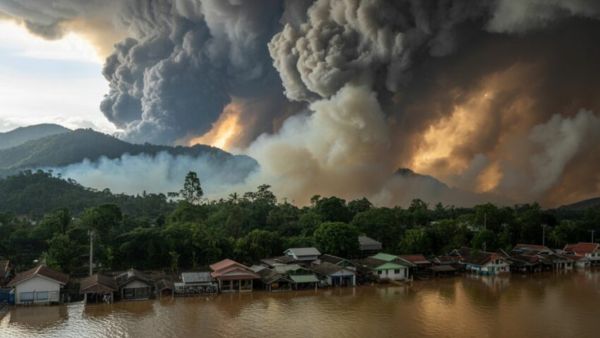
The Growing Threat of Forest Fire Air Pollution in Southeast Asia A recent study published in Geophysical Research Letters on October 3, 2025, has uncovered a worrying connection between forest fire air pollution and the intensification of storms in Southeast Asia. The research highlights how the presence of pollutants, such as particulate matter and aerosols, in the atmosphere can enhance storm activity. This leads to increased rainfall and potentially more severe weather events, amplifying risks for the region’s ecosystems and communities. As Southeast Asia grapples with the twin challenges of storm intensification and forest fire air pollution, the study emphasizes the urgent need for addressing these intertwined environmental issues. The impact of increased pollutant particles in the atmosphere, especially during the monsoon season, could exacerbate flooding risks, disrupt local communities, and put significant strain on disaster management resources. How Forest Fire Air Pollution Alters Storms and Weather Patterns The study reveals that forest fire air pollution plays a crucial role in altering atmospheric conditions, making storms in Southeast Asia more potent. The release of pollutant particles during forest fires can modify cloud formation, intensifying rainfall and strengthening storm systems. This intensification of storms could have severe implications for the region, particularly during the already heavy monsoon season, when the risks of flooding and infrastructure damage are higher.

Read more