Vietnam Travel Surges Post-Tet with Pilgrimage & Nature Hotspots Rising

Vietnam’s tourism sector has shown remarkable resilience following the peak of the Lunar New Year (Tet), with a notable shift toward flexible and experiential travel. As the country emerges from the post-holiday congestion, it is clear that a new wave of tourism is taking shape. Tourists are increasingly leaning toward short, experience-oriented getaways, with a marked focus on spiritual and nature-based travel, reflecting changing preferences for more personalized and flexible itineraries. From the serene spiritual sanctuaries in the north to the lush landscapes in the central and southern regions, destinations like Ninh Binh, Moc Chau, and Phu Quoc are becoming hotspots for both domestic and international visitors. Whether it’s the allure of pilgrimage sites or the call of nature, Vietnam’s tourism revival shows a promising upward trajectory, as travelers seek both relaxation and authenticity in their trips. Let’s explore the latest travel trends and insights, from the booming interest in eco-tourism to the rise of short-family vacations, which are shaping Vietnam’s post-Tet tourism. Rising Demand for Spiritual and Cultural Tourism in Vietnam In the wake of the Lunar New Year festivities, spiritual tourism has emerged as a key focus for both domestic and international visitors. The desire to complete their spring journeys with visits to sacred sites has driven an increase in pilgrimages, with destinations like Bai Dinh Pagoda in Ninh Binh and Huong Pagoda near Hanoi seeing significant traffic. Pilgrims flock to these spots to seek blessings and reflect in serene environments, making them prime locations for cultural tourism.

Read more

Japan’s Cherry Blossom Season Drives Record Travel Demand in 2026

Japan’s world‑famous cherry blossom season isn’t just a fleeting floral spectacle; in 2026, it’s driving a major travel boom both domestically and internationally. Multiple official forecasts and tourism data show traveller interest spiking as hanami (flower‑viewing) returns with full force after years of pent‑up demand — and accommodation & travel searches reflect it vividly. Unlike any other short‑lived natural event, the sakura season ignites travel planning urgency across Japan and beyond. Data from travel trends, booking platforms, and the Japan Meteorological Agency’s official cherry blossom forecast show that travellers are now planning meticulously to coincide their holidays with Japan’s rapidly advancing bloom front, which typically moves from south to north each spring.

Read more

Vietnam’s Economic Growth Fuels Tourism Expansion Across Cities

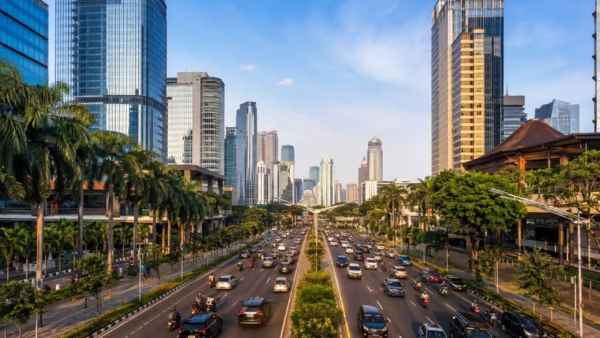
The story of the Vietnam fastest growing economy isn’t just holding steady—it’s gaining even more momentum. Among the Southeast Asia-6 group, which includes Thailand, the Philippines, Indonesia, Malaysia, Singapore, and Việt Nam, the country continues to stand out for its consistency and resilience. What makes Vietnam particularly interesting right now is how it’s balancing export strength with a growing domestic market, setting itself up for sustained growth through 2026 and beyond. Across the region, Southeast Asia economic growth is being shaped by a mix of trade expansion, investment flows, and strong consumer demand. Some economies are leaning heavily on exports, while others are driven by domestic consumption—but Vietnam seems to be getting the best of both worlds.

Read more

Hong Kong Records 13.7 Million Visitors in Strong Tourism Revival

Hong Kong has reached a significant milestone in early 2026, with a total of 13.7 million visitors arriving in the first few months of the year. This impressive figure highlights a rapid and strong rebound in the city’s tourism sector, signifying a post-pandemic resurgence that echoes the pre-pandemic tourism figures of the bustling metropolis. The surge in visitor numbers is a clear indication that Hong Kong is regaining its position as one of Asia’s leading tourist destinations. This upward trend is expected to continue, with projections pointing toward over 50 million visitors by the end of 2026. Hong Kong’s tourism revival reflects not only the city’s resilience but also the broader recovery of global tourism following the challenges faced during the pandemic.

Read more

Philippines Extends Visa Relief for Stranded Foreign Travellers

In response to ongoing global travel disruptions and rising geopolitical tensions, the Philippines has taken a bold step by granting a one-month visa extension for stranded foreign nationals. This crucial measure aims to provide essential relief and assistance to travelers whose journeys have been severely affected by flight cancellations, air traffic challenges, and the instability caused by conflicts in the Middle East. With the uncertainty surrounding international travel, this extension ensures that foreign nationals are not penalized for circumstances beyond their control, offering them much-needed time to arrange their departure while maintaining legal status in the country. In a significant development for foreign nationals stranded in the Philippines due to disrupted travel plans, the Philippine government has announced an extension of the temporary relief measures originally introduced in March. This move, which directly impacts travelers affected by flight cancellations and international travel restrictions, has been extended until May 1, 2026. The government’s proactive approach aims to provide continued support to those unable to return home due to the ripple effects of global geopolitical tensions and ongoing air travel disruptions.

Read more

Japan Showcases National Parks to Boost Global Tourism

Japan is taking bold steps to make Japan national parks tourism more appealing and accessible for travelers from around the world. The Ministry of the Environment is rolling out a set of initiatives that aim to attract more foreign visitors while preserving the country’s stunning natural landscapes. With nearly 9.88 million international visitors in 2025, up 1.5 times compared to 2019, Japan has successfully restored its national parks to pre-pandemic popularity. These efforts are part of a broader government plan to reach 60 million annual inbound tourists by 2030. ne of the main hurdles for visitors is national park accessibility. Many parks are tucked away far from urban centers, making travel a challenge. To make journeys smoother, the government is collaborating with local authorities and businesses to: Introduce better public transportation options, including shuttles and regional links Install clearer signage to guide travelers from stations to park entrances Improve directions and visitor information to simplify first-time visits These steps are designed to remove obstacles and make the journey from city to park more enjoyable.

Read more