Singapore Passport Power Leads Asia in Global Mobility Race

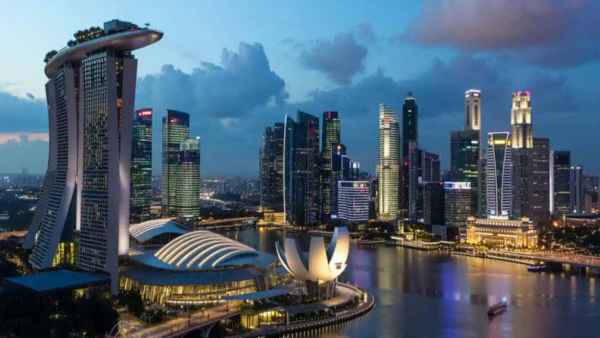
Singapore beats Japan and South Korea in global travel power, claiming the title of the world’s most powerful passport. Offering unmatched access to 192 destinations without requiring a traditional visa, Singapore’s passport reigns supreme due to the nation’s strategic diplomatic ties, robust economic position, and political stability. These factors have enabled Singapore to secure extensive visa-waiver agreements globally, granting its citizens superior mobility. While Japan and South Korea continue to rank highly, it is Singapore’s ability to leverage international partnerships and its central role in global commerce that has propelled it ahead, outpacing its regional counterparts. In the world of travel, mobility is a key factor determining a country’s global reach and influence. The Henley Passport Index (HPI) has been the benchmark for assessing the strength of passports worldwide, and as of 2026, it reveals a clear winner in the race for travel freedom. Singapore has emerged as the undisputed leader with the world’s most powerful passport, offering access to 192 destinations without the need for a traditional visa. This puts Singapore ahead of regional giants like Japan and South Korea, which, although also highly ranked, lag behind the island nation by several destinations. In this article, we will explore why Singapore’s passport stands supreme, its growing dominance in the global mobility index, and how it has outpaced its regional rivals. Additionally, we will delve into the visa-free and visa-on-arrival access offered by Japan and South Korea, two other passports that have long been considered top-tier in global travel.

Read more

Vietnam Tourism Future Shaped by Major 2026 Industry Events

In 2026, Vietnam is preparing to host two of its most influential tourism expos, the International Travel Expo Ho Chi Minh City (ITE HCMC) and the Vietnam International Travel Mart (VITM). These events are key to positioning Vietnam as a leading tourism destination in Southeast Asia, with a focus on both international partnerships and the promotion of sustainable tourism. While both expos aim to boost Vietnam’s tourism industry, they offer different perspectives and opportunities for both professionals and the public. This comparison highlights the unique features and significance of each event, offering a deeper understanding of their strategic roles in Vietnam’s tourism growth. ITE HCMC 2026: A Premier Regional Event The International Travel Expo Ho Chi Minh City (ITE HCMC 2026), scheduled for 27th to 29th August 2026 at the Saigon Exhibition & Convention Center (SECC), is set to celebrate its 20th edition. As one of the most prominent tourism trade shows in Southeast Asia, this event attracts a wide array of participants, including tourism professionals, buyers, and exhibitors from across the globe. With a reputation as one of Asia’s Best Trade Shows in 2024 and 2025, ITE HCMC plays a significant role in fostering global connections. The expo will feature a diverse range of activities, including B2B buyer-seller matching programs, cultural events such as Vietnam Night, and thematic seminars focusing on tourism trends and source markets. Over 520 companies and 260 high-level buyers from more than 30 countries are expected to attend, with an estimated 28,000 trade and consumer visitors. This scale makes ITE HCMC one of the largest tourism trade shows in Southeast Asia, with a broad focus on heritage tourism, eco-tourism, wellness travel, and the MICE (Meetings, Incentives, Conferences, Exhibitions) sector.

Read more

Singapore Tops Responsible Nations Index 2026 for Sustainable Travel

Singapore, one of the world’s most forward-thinking cities, has emerged as the top-ranked destination in the newly launched Responsible Nations Index (RNI) for 2026. This ranking highlights the country’s commitment to sustainable development, environmental protection, and the welfare of its citizens. With its innovative green initiatives, eco-conscious practices, and emphasis on creating a balanced urban environment, Singapore is a leading example for other nations striving for sustainability in tourism and everyday living. As the world increasingly focuses on eco-tourism, Singapore stands out as a beacon of responsible tourism. Whether you’re a nature lover, an urban explorer, or a foodie, Singapore offers an array of sustainable attractions and experiences. Let’s dive into the top things to do in this city-state that has put sustainability at the forefront of its development. Singapore’s Green Revolution: A City That Cares for the Environment Singapore has long been a pioneer in integrating green spaces within urban settings. The city’s government has been instrumental in designing policies that foster environmental conservation, including the creation of more than 300 parks and 3,000 hectares of nature reserves. The Garden City has transformed into a City in a Garden, with sprawling green spaces and parks that act as vital ecosystems in the heart of the bustling metropolis.

Read more

India Rolls Out Vande Bharat Ahmedabad–Udaipur Link

India is set to transform regional travel with the launch of the Vande Bharat service connecting Ahmedabad in Gujarat to Udaipur in Rajasthan, marking a significant step in enhancing connectivity and driving economic integration. This new semi-high-speed rail link will not only shorten travel times between these two key cities but also cater to a diverse range of passengers, including commuters, tourists, and business travelers. By providing a faster, more reliable transportation option, the service is expected to boost tourism, particularly in Udaipur, and foster stronger business ties between Gujarat’s manufacturing sector and Rajasthan’s hospitality-driven economy. The introduction of this modern rail route also aligns with India’s broader vision of sustainable urban growth, offering a cleaner, more efficient alternative to road transport while supporting decentralized development across the region. Gujarat Expands Intercity Rail Network with New Vande Bharat Service Connecting Ahmedabad and Udaipur, Enhancing Regional Connectivity and Economic Growth Meta Description: Gujarat’s new Vande Bharat service between Ahmedabad and Udaipur boosts regional connectivity, benefiting tourism, business, and local economies with modern rail infrastructure. Tags: Vande Bharat, Gujarat rail network, Ahmedabad Udaipur train, regional connectivity, India infrastructure, tourism and business growth, electrified trains, sustainable transport

Read more

Vietnam Airlines Launches Hanoi–Amsterdam Nonstop

Vietnam Airlines is set to launch a new nonstop flight route between Hanoi and Amsterdam, beginning on June 16, 2026. This exciting new development marks a significant milestone for both the airline and travelers eager to explore the beauty of Europe and Vietnam. With three weekly flights on board an Airbus A350-900, this new service is expected to boost tourism between Vietnam and the Netherlands and provide travelers with easier access to both regions. Currently, Vietnam Airlines operates flights to several European cities, including Paris, Frankfurt, London, Munich, Milan, and Copenhagen. The addition of Amsterdam to the list of destinations is a strategic move aimed at expanding the airline’s presence in Europe. It also strengthens Vietnam Airlines’ role in the SkyTeam alliance, benefiting passengers by offering enhanced connectivity and convenient travel options across the continent. A Convenient New Route for Tourists and Business Travelers The nonstop service between Hanoi and Amsterdam will be available three times a week, operating on Tuesdays, Thursdays, and Saturdays. This frequency is ideal for both leisure and business travelers, offering flexible schedules that cater to a wide range of needs. The introduction of this route eliminates the need for connecting flights via other European hubs, such as Paris, which has been the only option for travelers flying between these two cities.

Read more

Malaysia Powers Tourism with Digital Push

Malaysia is positioning itself as a leading player in the digital and tourism sectors through strategic investments in cloud infrastructure, artificial intelligence (AI), and a robust promotional push for Visit Malaysia 2026. These efforts are set to accelerate the country’s digital transformation, making it a key hub for technological innovation in Southeast Asia. By enhancing its digital ecosystem with cutting-edge infrastructure, Malaysia is attracting global tech companies and investors, while the Visit Malaysia 2026 campaign is expected to boost tourism receipts by improving connectivity and showcasing the country’s rich cultural heritage. Together, these initiatives are poised to drive significant economic growth, positioning Malaysia as a powerhouse in both the digital and tourism landscapes. Malaysia Strengthens Position as Cloud, AI Hub with Increased Digital Infrastructure and Rising Tourism Receipts Ahead of Visit Malaysia 2026 As Malaysia continues to evolve as a key player in the regional cloud and artificial intelligence (AI) ecosystems, a surge in data centre and digital infrastructure investments is contributing to the country’s economic growth. This strategic investment is positioning Malaysia as an attractive hub for businesses and investors, particularly in the digital technology sectors. The firming of the Malaysian ringgit, a critical development for trade and investment, coupled with strong tourism receipts, is expected to boost the nation’s economic outlook as it prepares for the upcoming Visit Malaysia 2026 campaign.

Read more