
Travel from Delhi to Golden Temple, Vaishno Devi via the newly opened expressway
- Nov 23,2024
- Times Of India
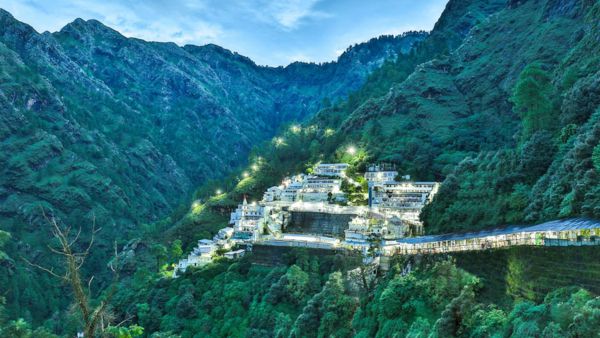
There’s a new expressway for travellers and pilgrims planning a trip to the Golden Temple in Amritsar and Vaishno Devi in Jammu. The Delhi-Amritsar-Katra Expressway was inaugurated recently and is all set to revolutionise travel. The Haryana section of this expressway has just opened and offers an important link in the Delhi-Amritsar-Katra corridor. The corridor has reduced the travel time also significantly. Prime features: A significant feature of the expressway is its ability to cut down the travel time between Delhi and Katra. It’s a 135 km stretch connecting the Kundli-Manesar-Palwal (KMP) Expressway to the Punjab border in Kaithal district. It will make the journey faster and more convenient. The expressway runs through Haryana's Jhajjar district and has been designed with safety and aesthetics in mind, with robust railings along the roadside to prevent animals from straying onto the highway. A green median is also there to enhance the visual appeal. The expressway is access-controlled, meaning only authorised vehicles can enter, and is designed with four lanes for high-speed travel. Light vehicles can travel at speeds up to 120 km/h, while heavy vehicles are restricted to 80 km/h. This modern expressway also features an innovative toll collection system that eliminates traditional toll booths, streamlining the payment process and reducing delays. The road's design includes fountains for aesthetic appeal and for irrigation purposes along the central divider. The highway accommodates both light and heavy vehicles but prohibits motorcycles and auto-rickshaws. For convenience, clear signage is placed every 100 metres to ensure safety and to keep drivers informed of any restrictions or updates. Toll Rates for the KMP-Kaithal Section: Light Motor Vehicles (Cars, Jeeps): ₹240 for one-way, ₹360 for round trip. Light Commercial Vehicles: ₹385 one-way, ₹580 for return journey. Two-Axle Buses and Trucks: ₹805 one-way, ₹1,210 for a round trip. Three-Axle Commercial Vehicles: ₹880 one-way, ₹1,320 for both directions. Once fully operational, the Delhi-Katra Expressway, which spans approximately 669 km, is expected to make the journey from Delhi to Katra a breeze, reducing the travel time to about six hours. Travellers can now leave Delhi at 6 AM and reach Katra by noon.
Read more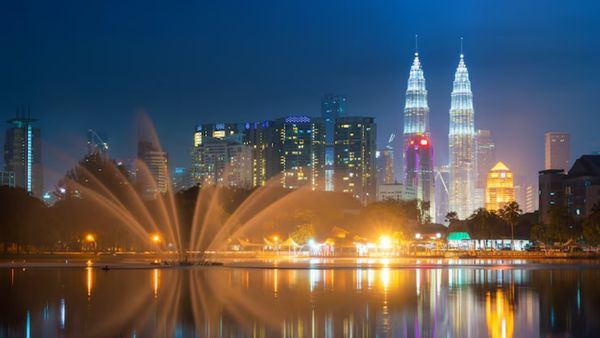
Thailand Focuses on Accessibility and Incentive Experiences at IBTM 2024
- Nov 22,2024
- Travel And Tour World
The Thailand Convention and Exhibition Bureau (TCEB), along with 25 exhibitors from Bangkok and Phuket, participated in IBTM 2024 in Barcelona from November 19 to 21. Promoting Thailand as a premier destination, TCEB showcased a variety of innovative developments, including improved accessibility, new event venues, sustainable practices, low-carbon MICE travel options, and engaging incentive experiences. These initiatives aim to transform events in Thailand into exceptional and eco-conscious experiences. At a press briefing, Mr. Chiruit Isarangkun Na Ayuthaya, President of the Thailand Convention and Exhibition Bureau (TCEB), highlighted key advancements aimed at enhancing accessibility. These include the opening of a third runway at Suvarnabhumi Airport to boost flight capacity, the adoption of biometric systems for smoother passenger processing, a visa-free policy for travelers from 93 countries and territories, and expedited immigration services for MICE groups at both Bangkok airports. He also unveiled high-profile developments, such as the reimagined Dusit Thani Hotel and the ambitious One Bangkok project. The latter features 190,000 square meters of retail space, five planned luxury hotels, and an event venue with a seating capacity of 6,000. On the sustainability front, Mr. Chiruit emphasized the collaboration between TCEB and the International Congress and Convention Association (ICCA) in creating the Bangkok Protocol for Sustainable Gastronomy. This initiative, inspired by real-world food management practices during the ICCA Congress 2023 in Bangkok, provides a framework for sustainable food practices at future ICCA and Thai events. To further promote sustainable tourism, he introduced the Carbon Neutral Tourism (CNT) Initiative, developed in partnership with eight public and private organizations. This initiative aims to offer eco-friendly travel experiences in Thailand for international visitors. Adding to this, Ms. Supanich Thiansing, Director of TCEB’s Meetings and Incentives (MI) Department, discussed the low-carbon MICE routes created by the Thai Ecotourism and Adventure Travel Association (TEATA) under the CNT initiative. These routes, available in MICE cities such as Bangkok, Chiang Mai, and Phuket, focus on ecological and cultural experiences, showcasing Thailand’s rich local heritage and sustainable practices. Ms. Supanich introduced a fresh concept called the “Mindful MI Experience” to the European market, featuring a range of engaging activities. These include Eco-Inspiration, which focuses on designing low-carbon MICE routes; Local Immersion, where participants explore and embrace local lifestyles through cultural and culinary journeys; and City Exploration, which involves hosting events across two cities within the same trip to provide diverse and enriching experiences. At the Thailand Pavilion, TCEB has curated three interactive activities for buyers and visitors to experience a taste of Thailand: “Time for Tea from Thailand”, “Where am I in Thailand?”, and “THAI NUMBER BINGO”. “I am confident that a series of new development in Thailand will deliver higher return on experience for overseas MICE travelers. We are aware of the evolving needs and requirements of business travel amidst the challenging economic landscape. For this reason, we are always working in partnership with stakeholders in crafting new and high-value choices for planners and travelers”, concluded Mr. Chiruit.
Read more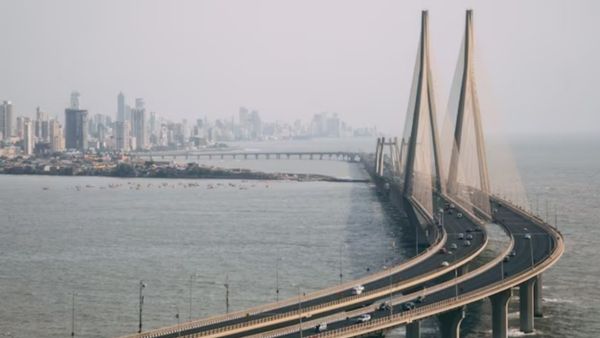
Mumbai’s New Transport Era Begins With Water Taxis And Electric Buses
- Nov 22,2024
- Travel And Tour World
Mumbai is set for a transport revolution with water taxis, seaplanes, and electric buses, promising faster, cleaner, and more efficient travel options. Union Minister Nitin Gadkari recently revealed plans to launch water taxi services in Mumbai, marking a significant step in transforming the city’s transportation network. The water taxis are planned to link different areas of Mumbai with the Navi Mumbai International Airport, drastically reducing travel time to just 17 minutes. This initiative aims to address Mumbai’s chronic traffic congestion and combat air pollution by utilizing the city’s vast coastline and maritime routes. Infrastructure development is already underway, with jetties constructed near the airport to support the project. The first phase of this innovative service is set to commence by March 2025, coinciding with the anticipated opening of the Navi Mumbai International Airport. Beyond water taxis, amphibious seaplanes are also being planned to provide unique connectivity options. These aircraft will have the capability to land on water bodies, such as Thane’s lakes, eliminating the need for conventional runways. Additionally, the New Delhi-Mumbai Expressway is undergoing extensive upgrades to improve traffic flow and significantly reduce travel times between Mumbai and Pune. In line with the city’s focus on sustainable transport, Mumbai will also introduce state-of-the-art electric intercity buses. These high-speed buses, offering a premium flight-like experience, can accommodate up to 135 passengers and travel 40 kilometers on a rapid 30-second charge. As India’s financial hub, Mumbai attracts millions of travelers annually for business and leisure. Its Chhatrapati Shivaji Maharaj International Airport alone handles over 50 million passengers each year. The city boasts iconic attractions such as the Gateway of India, Marine Drive, Elephanta Caves, Juhu Beach, Sanjay Gandhi National Park, Siddhivinayak Temple, Haji Ali Dargah, Hanging Gardens, and Chowpatty, cementing its reputation as a must-visit spot for both tourists and residents.
Read more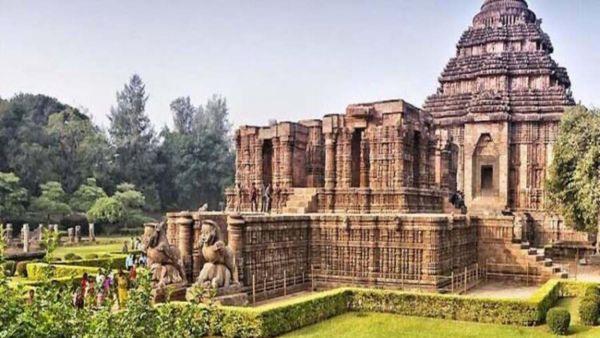
Odisha Tourism Industry Seeks Dynamic Policy Changes For Unstoppable Growth
- Nov 22,2024
- Travel And Tour World
Odisha’s travel and hospitality sector has called for an immediate revision of the state’s tourism policy, implemented in 2022, citing its ineffectiveness in developing tourism infrastructure and failing to attract both domestic and international visitors. In a feedback report submitted to the Chief Minister on behalf of the industry, the Hotel & Restaurant Association of Odisha (HRAO) emphasized the need for urgent amendments to the 2022 tourism policy. The report highlights that, despite Odisha’s immense potential for tourism growth, the state has struggled to achieve the prominence of destinations like Goa, Rajasthan, Kerala, and Madhya Pradesh. The Association stressed that prioritizing tourism infrastructure is essential for driving the sector’s development and boosting its visibility. Despite the government creating land banks and distributing them through auctions, these plots are often acquired at high premiums by major real estate developers to construct shopping malls and residential complexes. Acknowledging the significant lack of quality accommodations at key tourist destinations, the Hotel & Restaurant Association of Odisha (HRAO) has proposed that land be allocated specifically to select hoteliers at IPR rates, coupled with streamlined approvals and capital investment subsidies from the government. HRAO has also recommended leasing out the state-run ‘Panthanivas’ properties to private hoteliers under a public-private partnership (PPP) model. This initiative aims to enhance standards, improve efficiency, and indirectly boost tourism in those areas. Additionally, HRAO suggests forming a State Tourism Development Board, chaired by the Deputy Chief Minister, who also serves as the Tourism Minister. The board would include members from the private sector, fostering collaboration between the government and industry stakeholders to drive effective tourism development. HRAO has also urged the government to prioritize the development of Chilika Lake as a premier ecotourism destination. Describing Chilika Lake as a “tourism goldmine,” the association emphasized the need for the state government to focus on enhancing eco-tourism initiatives and building the necessary infrastructure to promote the region effectively. The state needs top-tier branding and marketing strategies, according to the association. Comprehensive campaigns across electronic, print, and social media platforms are essential to draw both domestic and international tourists while also encouraging investors to explore opportunities in the tourism sector.
Read more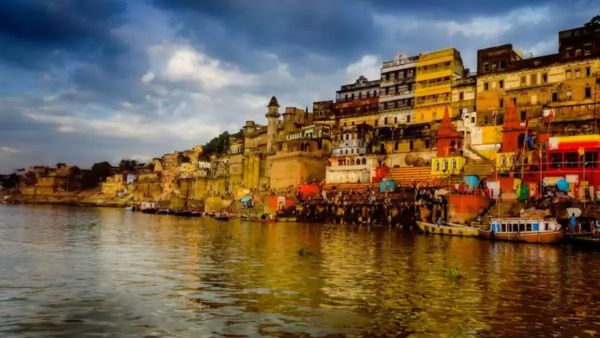
Uttar Pradesh Launches “Dekho Apna Desh – People’s Choice 2024” Campaign
- Nov 22,2024
- Travel And Tour World
Uttar Pradesh, one of India’s most vibrant states, has launched a dynamic new campaign aimed at promoting its key religious, cultural, historical, and natural landmarks. The “Dekho Apna Desh – People’s Choice 2024” campaign, spearheaded by Chief Minister Yogi Adityanath, is designed to engage the public in identifying the best tourist destinations across the state. Running until November 25, 2024, this campaign invites citizens, students, youth tourism clubs, teachers, officials, and elected representatives to vote for their favorite sites and share their travel experiences. Promoting Uttar Pradesh’s Rich Heritage and Tourism Potential The initiative, launched in Ayodhya, invites the people of Uttar Pradesh to participate in voting for their favorite tourist spots, helping to shape the future of tourism in the state. The campaign encourages participants to visit designated tourist destinations, share selfies, and upload them via QR codes at various points. Exceptional contributors will be rewarded with exciting prizes, further incentivizing community participation. In his speech at the campaign’s launch, Chief Minister Yogi Adityanath emphasized the growing global significance of Uttar Pradesh as a prime tourist destination. “Last year, Uttar Pradesh welcomed over 480 million tourists—almost double the state’s population. The land of Lord Ram, Krishna, and Buddha continues to attract the highest number of domestic tourists in the country. Our goal is to increase international tourism by showcasing the state’s vast cultural, historical, and religious heritage.” The Chief Minister further stated that ongoing improvements in infrastructure, including better facilities at tourist spots, roadside hotels, wedding venues, eateries, and enhanced connectivity, are aimed at enhancing the tourist experience. The state government is committed to positioning Uttar Pradesh as a global tourism hub, with the “Dekho Apna Desh – People’s Choice 2024” campaign acting as a stepping stone in achieving this ambitious goal. Transforming Tourism with Citizen-Driven Insights The key to success for this campaign lies in its citizen-driven approach. As participants contribute their ideas and vote for the best destinations, the government of Uttar Pradesh is gathering crucial data to enhance tourism experiences. By focusing on both existing and emerging destinations, the state is laying the foundation for long-term growth in its tourism sector. The valuable feedback received will help the government to identify areas in need of improvement, allowing for better planning and more effective tourism strategies. Uttar Pradesh’s tourism strategy also includes promoting its local heritage, diverse culture, and natural beauty. By engaging the public through this campaign, the state aims to strengthen its position on the global tourism map, offering an enriching experience for tourists from all over the world. Looking Ahead The “Dekho Apna Desh – People’s Choice 2024” campaign will continue to run until November 25, 2024, with an aim to capture the hearts of millions of participants. Uttar Pradesh is already seeing the benefits of citizen engagement in shaping the future of tourism, and the campaign is expected to result in greater recognition for the state’s diverse tourism assets. As Uttar Pradesh works toward positioning itself as a world-class tourist destination, the contributions from citizens, influencers, and tourism stakeholders will play a critical role in driving the state’s success on the global stage. This campaign is not just about voting; it’s about fostering a shared sense of pride and ownership among Uttar Pradesh’s people, ensuring the state’s tourism industry continues to thrive for generations to come.
Read more
Delhi-Kashmir direct trains to start from January 2025
- Nov 22,2024
- Times Of India
Very soon, you will be able to reach Kashmir from Delhi in direct trains. As per the reports, trains on this route will be operational from January 2025. This will also mark the completion of the ambitious Udhampur-Srinagar-Baramulla Rail Link (USBRL) project. Referring to this, officials have confirmed that most of the project work is finished, with the remaining tasks, including Tunnel T-33 and the Reasi-Katra section, expected to be completed by December 2024. Also, as the direct train is all set to run from New Delhi and Baramulla in January 2025, which Prime Minister Narendra Modi will inaugurate, reportedly on January 26, 2025, will mark the start of decades long dream of connecting northern Kashmir to the country's vast rail network. With 38 tunnels totalling 119 km, including India's biggest transportation tunnel, T-49, which is 12.75 km long, the USBRL project is an engineering marvel. The project also features 927 bridges, including the famous Chenab Bridge, the highest arch railway bridge in the world. Standing 359 m above the riverbed, the bridge surpasses the Eiffel Tower in height by 35 m. Designed with cutting-edge materials to endure wind speeds of 260 km/h and the strongest earthquakes, it highlights India’s engineering prowess. The 63-km final stretch, connecting Sangaldan to Katra, is undergoing final safety inspections. During a recent visit, Union Minister Ravneet Singh Bittu expressed optimism that the railway would transform connectivity in Jammu and Kashmir, promoting global competitiveness and economic prosperity. The project's preparedness is further advanced by the Reasi-Katra phase, which includes four stations along a 17-km length, being completed by December. This monumental project has achieved several milestones over the years: the Baramulla-Qazigund section in 2009, Qazigund-Banihal in 2013, Udhampur-Katra in 2014, and the Banihal-Sangaldan service inaugurated in February 2024. Upon completion, the Delhi-Baramulla train will span approximately 700 km, offering travellers a seamless journey through India’s diverse landscapes, from the plains of Delhi to the snow-capped peaks of Kashmir.
Read more