

Dubai’s Arabian Travel Market Highlights Tourism Sustainability Goals
- Nov 25,2024
- Travel And Tour World
The tourism sector is under scrutiny as a whitepaper by the Digital Tourism Think Tank (DTTT), unveiled at the Arabian Travel Market (ATM) 2024, revealed that only 15% of the UN Sustainable Development Goals (SDGs) related to tourism are on track to be achieved by 2030. The findings emphasize the critical need for sustainable practices as tourism growth continues to accelerate globally. Tourism’s Growing Environmental Impact According to the United Nations, if current trends persist, by 2050, tourism will drive a: 154% increase in energy consumption 131% increase in greenhouse gas emissions 152% increase in water consumption 251% increase in solid waste generation These projections underscore the pressing need for the global tourism industry to adopt sustainable practices and invest in resource management technologies. Challenges in Sustainable Tourism Research conducted by Visa and Oxford Economics highlights a significant barrier to sustainable tourism: insufficient information and lack of transparency regarding sustainable travel options. This gap has left consumers unable to make informed choices, complicating efforts to steer the sector toward sustainability. Innovation and Collaboration for Change The whitepaper titled Exploring the Future of Tourism Technology leveraged insights from the ATM Innovation Wall in 2024. This platform encouraged tourism professionals to share ideas and concerns, generating innovative proposals, such as: Gamified recycling programs Hyper-personalized travel experiences focused on cultural immersion Circular and regenerative tourism models Nicholas Hall, Founder and CEO of DTTT, emphasized, “Sustainable tourism cannot rely on a one-size-fits-all approach. Collaboration between stakeholders—from tech companies to local communities—is essential to develop effective solutions.” Regional Initiatives in the GCC Governments in the Gulf Cooperation Council (GCC) are actively addressing the sustainability challenge through various national strategies: UAE Tourism Strategy 2031 Saudi Vision 2030 Qatar National Tourism Sector Strategy 2030 Bahrain Tourism Strategy 2022-2026 Omani National Tourism Strategy Kuwait Vision 2035 These frameworks aim to align economic growth with environmental sustainability, ensuring tourism remains a vital yet responsible driver of development. Arabian Travel Market 2025: Building on Progress The 2025 edition of ATM, themed “Global Travel: Developing Tomorrow’s Tourism Through Enhanced Connectivity”, will continue to spotlight sustainability. Key sessions will address ethical practices and innovative solutions driving the sustainable tourism agenda. Danielle Curtis, Exhibition Director ME at ATM, remarked, “ATM is proud to be a catalyst for advancing sustainability in tourism. By fostering collaboration and investing in resource optimization technologies, we can empower communities, preserve cultural heritage, and enhance the resilience of travel destinations.” In 2023, ATM introduced 30 sustainability goals during its 30th annual event. Building on this, the 2024 edition achieved notable milestones, including: Diverting 48% of event waste from landfills (up from 5% the previous year) Using recyclable carpet and PVC-free vinyl for signage Collaborating with Sparklo, a cleantech company, to collect over 2,200 bottles and cans, preventing 300kg of CO2 emissions The Role of Strategic Partnerships Held at the Dubai World Trade Centre, ATM 2025 will feature partnerships with key stakeholders, including: Dubai’s Department of Economy and Tourism (DET) as Destination Partner Emirates Airline as Official Airline Partner IHG Hotels & Resorts as Official Hotel Partner Al Rais Travel as Official Destination Management Company (DMC) Partner These collaborations aim to embed sustainability into the core of the tourism industry while addressing region-specific challenges. Driving Circular and Community-Driven Tourism ATM advocates for circular tourism models that prioritize waste reduction, resource efficiency, and economic benefits for local communities. Initiatives such as cultural immersion programs and community-driven tourism strategies aim to empower local populations and safeguard cultural heritage.
Read more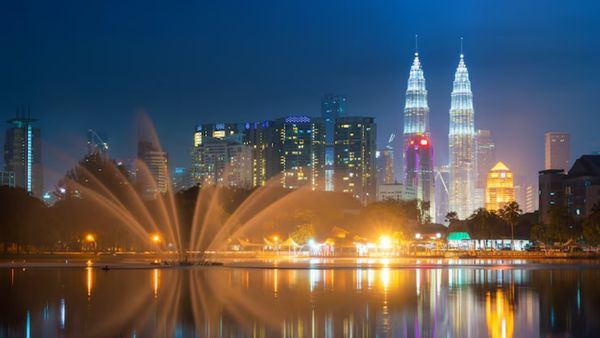
Tourism Malaysia Celebrates Prestigious Recognition for Outstanding Travel Experiences
- Nov 23,2024
- Travel And Tour World
Tourism Malaysia proudly announces that Malaysia has been crowned “Destination of the Year” at the esteemed TripZilla Excellence Awards 2024. This prestigious accolade, determined through an extensive voting process by avid travel enthusiasts, celebrates Malaysia’s unwavering dedication to delivering outstanding travel experiences, innovation, and exceptional service. It is a testament to the nation’s vibrant tourism offerings, rich cultural diversity, and commitment to enhancing the journey for global visitors. Malaysia’s allure lies in its dynamic blend of cultural heritage, breathtaking landscapes, and world-class hospitality. From its iconic landmarks and pristine beaches to UNESCO-listed cultural sites, the country continues to capture the hearts of travelers. These attributes, along with modern infrastructure and a renowned culinary scene, played a pivotal role in securing this recognition. The award also highlights Malaysia’s dedication to sustainable tourism, with initiatives focused on preserving its natural beauty while empowering local communities. From eco-tourism hotspots to conservation efforts, Malaysia demonstrates a forward-thinking approach to creating a sustainable future for the travel industry. Datuk Manoharan Periasamy, Director General of Tourism Malaysia, remarked, “As Malaysia celebrates this remarkable achievement, we warmly invite travellers to explore our nation’s unique charm, exceptional hospitality, and the myriad of experiences awaiting discovery.” TripZilla, a leading travel media company in Southeast Asia with a reach of over 20 million monthly travelers, organizes the TripZilla Excellence Awards, now in its 10th year. These awards honor travel brands that consistently deliver unforgettable and exceptional experiences, making them one of the most sought-after recognitions in the industry. “Tourism connects people, creates jobs, and supports communities worldwide, all while fulfilling our innate wanderlust. It is a complex and profoundly impactful industry. As a leading travel inspiration platform, it’s incredibly meaningful for us to recognise the standout brands in this vital sector,” said Winnie Tan, CEO of TripZilla.com. “This year’s TripZilla Excellence Award winners are true trailblazers, crafting unforgettable moments that leave a lasting impression on travellers seeking new and unique experiences.” In response to this remarkable achievement, Malaysia is gearing up for a vibrant year of tourism promotions, aiming to attract visitors from across the globe. The upcoming Visit Malaysia Year 2026 campaign sets ambitious goals, targeting 35.6 million international arrivals and projected receipts of RM147.1 billion, further solidifying Malaysia’s status as a premier global travel destination.
Read more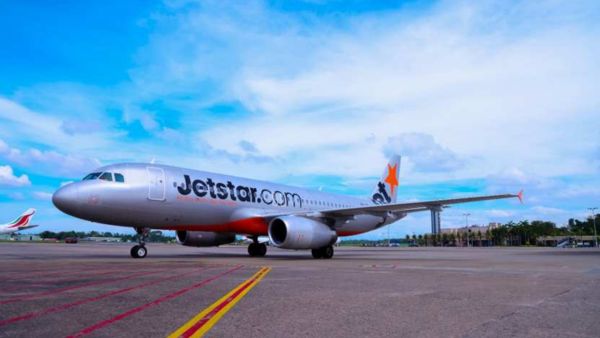
Jetstar Asia officially launches flights between Singapore and Sri Lanka
- Nov 23,2024
- Travel And Tour World
Jetstar Asia, based in Singapore, officially launched scheduled flight operations between Sri Lanka and Singapore on November 21, 2024. The airline will operate five return flights weekly, utilizing its modern Airbus A320 fleet to connect the two destinations. The inaugural flight touched down at Bandaranaike International Airport (BIA) at 10:30 AM, carrying 179 passengers. It received a ceremonial water salute from Airport and Aviation Services (Sri Lanka) (Private) Limited (AASL), marking the occasion with grandeur. Passengers were greeted with a vibrant Kandyan dance performance sponsored by the Sri Lanka Tourism Promotion Bureau. Additionally, they were gifted tea packs courtesy of the Sri Lanka Tea Board, showcasing the nation’s cultural and culinary heritage. Air Chief Marshal (Retd.) Harsha Abeywickrema, Chairman of AASL, highlighted the significance of this milestone: “The launch of Jetstar Asia’s scheduled flights between Singapore and Sri Lanka is a significant boost for our tourism sector’s ongoing growth. This new connection promises an enhanced travel experience for both local and international passengers. We are delighted to see Jetstar Asia contributing to Sri Lanka’s aviation and tourism landscape by commencing flights to Bandaranaike International Airport. As we thank Jetstar Asia for choosing us and congratulate Jetstar Asia on this new venture, AASL remains committed to supporting our partnership and ensuring an exceptional travel experience for our valued passengers.” The introduction of this route is expected to enhance travel and tourism ties between the two nations, providing more opportunities for cultural exchange and economic growth.
Read more
London crowned world's best city for 10th consecutive year
- Nov 23,2024
- Times Of India
In the annual World's Best Cities rankings, London has regained its position as the world's best city, holding the top spot for ten years in a row. If reports are to go by, the British capital outperformed other big cities worldwide, including New York, Paris, and Tokyo, and further solidified its status as a cultural and economic powerhouse. The rankings, compiled by Resonance, a leading global advisor in real estate, tourism, and economic development, assess cities with populations exceeding one million. London has led the list from the start, continuously demonstrating its attraction and tenacity in the face of changing standards. Public perception was included in the rankings this year in collaboration with renowned pollster Ipsos. The study gained a fresh perspective by including input from over 22,000 individuals across 30 nations. Conventional metrics like nightlife, dining, shopping, cultural vibrancy, and the quality of the natural and architectural environments were also included in resonance. London's reputation was enhanced by the presence of esteemed universities, infrastructure, and connectivity through regional airports. Chris Fair, president and CEO of Resonance, highlighted the changing preferences for cities. "The pandemic has accelerated the trend of people looking for places that are not only affordable but also lovable," stated Fair. He acknowledged that there was an inherent Western bias in the rankings due to their reliance on websites such as TripAdvisor. Nonetheless, London's timeless appeal cannot be denied. The CEO of London & Partners, Laura Citron OBE, highlighted London's distinct advantages. London is a global leader thanks to its famous attractions, booming financial sector, and emerging tech industry. "Our iconic attractions, world-class financial sector, and fast-growing tech industry showcase our city's strength, but it's the diversity of our people and ideas that drives the innovation and opportunities shaping our future," she stated. Citron also added the emphasis in drawing Chinese visitors, highlighting how much they contribute to the city's economic and cultural life. The smooth fusion of London's rich history, contemporary conveniences, and excellent standard of living is what makes the city so alluring. Both locals and tourists are drawn to it because of its capacity to innovate and adapt while preserving its ancient appeal. New York, Paris, Tokyo, Singapore, Rome, Madrid, Barcelona, Berlin, and Sydney complete the top 10. London's ten-year dominance is evidence of its unparalleled attraction on a global scale, as cities around the world compete for recognition.
Read more
India's only train offering free rides for 75 years!
- Nov 23,2024
- Times Of India
Ever sneaked on a train without a ticket? While many might have thought about it, boarding a train without a ticket in India usually leads to a hefty fine, or worse, imprisonment. However, for your information, there’s one exceptional train in the country where passengers can board without ever worrying about paying a fare— the Bhakra-Nangal train. This train, which has been in service for 75 years, travels 13 km between Nangal, Punjab, and Bhakra, Himachal Pradesh, passing over the picturesque Sutlej River and the Shivalik Hills. This train is unique because it has never collected a single cent from its passengers. Originally used to move labourers and supplies for the Bhakra-Nangal Dam's construction, the train has been in operation since 1948. The train was first propelled by steam engines, but in 1953 it received a major upgrade when American-imported diesel engines took their place. With wooden coaches made in Karachi, the train nevertheless manages to preserve a lot of its old appeal, bringing back memories of colonial-era railway travel. Despite their simplicity, the seats are an integral part of the experience, reflecting the lengthy history of the train. The Bhakra-Nangal train has remained free for several reasons. While the Bhakra Beas Management Board (BBMB) considered charging a fare due to the operational costs—approximately 18 to 20 litres of fuel are consumed every hour—the decision to keep it fare-free was made in honour of the train’s legacy. It represents more than just a means of transport; it is a living piece of history and tradition. Over 800 people use the train every day, and it remains a popular way for them to travel while enjoying the stunning beauty of the region. Visitors can witness the stunning Bhakra-Nangal Dam, one of India's tallest dams, and the picturesque Shivalik Hills as the train travels through six stations and three tunnels.The train, which is run by the Bhakra Beas Management Board rather than Indian Railways, provides a genuinely exceptional chance to enjoy the allure of vintage travel at no cost. Travelling on the Bhakra-Nangal train offers a window into India's rich industrial past in addition to a journey. The Bhakra-Nangal train is a must-try for everyone looking for a unique experience, whether they are locals or tourists.
Read more
1,800-year-old ‘Jesus is God’ inscription discovered, hailed as greatest find since Dead Sea Scrolls
- Nov 23,2024
- Times Of India
Experts are buzzing with excitement over a groundbreaking discovery that could reshape our understanding of early Christianity. The Megiddo Mosaic, an 1,800-year-old inscription, is being hailed as the "greatest discovery since the Dead Sea Scrolls" and is believed to be the earliest physical proclamation of Jesus Christ as God. This remarkable find, which was uncovered beneath the floor of the Megiddo Prison in Israel in 2005, is now housed at the Museum of the Bible in Washington D.C., where it has attracted global attention. The mosaic, which dates back to 230 AD, was originally part of a private chapel and is considered the "earliest known house of prayer," according to Gil Lin, the head of the Megiddo Regional Council. The inscription in Greek reads, "The god-loving Akeptous has offered the table to God Jesus Christ as a memorial." This inscription is significant because it marks the first known instance of referring to Jesus as God in an archaeological context. This early declaration of Christ’s divinity predates Christianity’s official adoption as the state religion of the Roman Empire, offering new insights into the beliefs and practices of early Christians. The mosaic itself is a large, 581-square-foot floor decoration that was painstakingly excavated over four years by the Israel Antiquities Authority. In addition to the inscription, it has early Christian symbols like fish, which are well-known for being connected to Christ's miracle of feeding 5,000 people with two fish and loaves of bread in the Gospel of Luke. The discovery also clarifies how early Christians and Romans interacted. The name of Gaianus, a Roman officer who is said to have commissioned the artwork, is included on the mosaic. This, together with the mosaic's closeness to a Roman camp, implies that Romans and Christians lived and interacted more amicably than was previously thought. Carlos Campo, the CEO of the Museum of the Bible, has referred to the mosaic as "the greatest discovery since the Dead Sea Scrolls," while Alegre Savariego, the director of the exhibition, highlights that it offers revolutionary proof of early Christian activities. In addition to showing the devotion of early Christians, the mosaic also emphasises the importance of women in the early church because it bears the names of various women, including Akeptous, who donated the table. After its exhibition in Washington D.C. ends in 2025, the Megiddo Mosaic will return to Israel, where it will be displayed at the site where it was originally uncovered, continuing to captivate those interested in the origins of Christianity and its historical context.
Read more