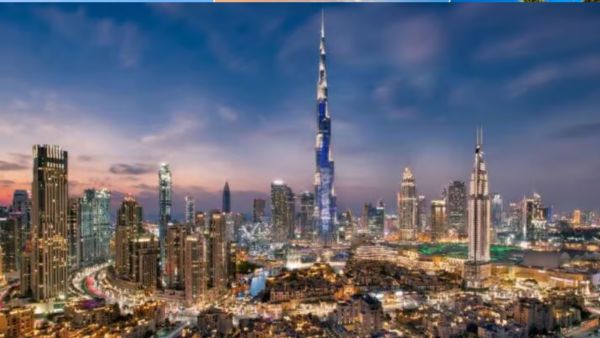
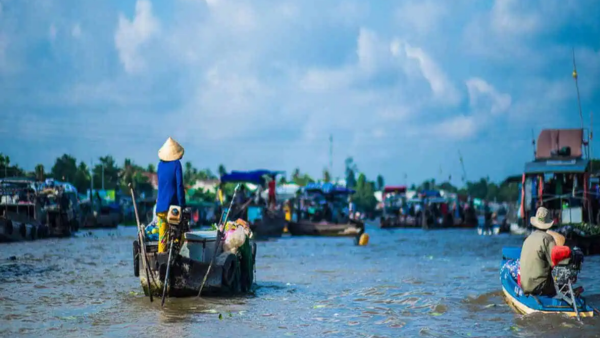
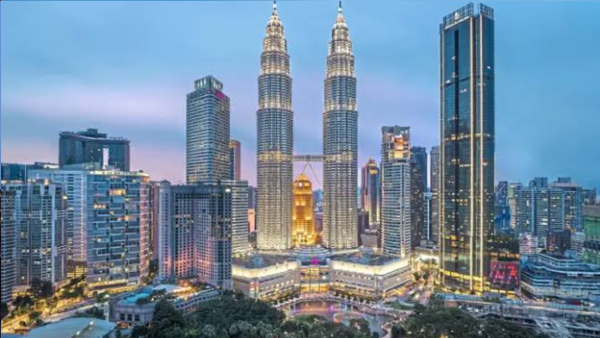
Bengaluru travellers are eyeing the Maldives, Malaysia and Sri Lanka for budget September escapes.

With international travel becoming more affordable for value-driven Indian holidaymakers, September is emerging as one of the most attractive months for overseas trips from Bengaluru. The month falls between the frantic summer holiday period and the end of year festive rush and offers cheaper airfares, competitive hotel prices and fewer tourists in a number of popular Asian destinations. The travel industry’s observations indicate that cost-conscious travellers are seeking destinations that provide value for money and meaningful experiences. September is the shoulder season for travel, which offers just this balance. The fall in demand on a few regional routes has made return fares less than Rs25,000 for a number of international destinations, making vacations abroad affordable for families, couples, solo travellers and young professionals.

Read more

Japan's Biei and Niseko Set the Blueprint for Zero-Carbon Travel in Hokkaido

Japan’s internationally celebrated winter landscapes have long been associated with powder snow, alpine adventures and world-class hospitality. Today, however, a quieter transformation is gathering momentum across Hokkaido and beyond. Rather than competing solely on snowfall, accommodation capacity or visitor numbers, several destinations are reimagining how protected landscapes, hospitality businesses and local communities can reduce emissions while safeguarding the natural environments that attract travellers in the first place. This shift is being driven by Japan’s Zero Carbon Park initiative, a national programme led by the Ministry of the Environment that seeks to integrate decarbonisation with visitor experiences, biodiversity conservation and regional revitalisation. Unlike individual carbon-neutral certifications, the initiative encourages entire destinations to work collectively on renewable energy, cleaner mobility, resource efficiency and environmentally responsible tourism.

Read more

Benin Emerges as West Africa's Ecotourism Star with Three New Heritage Circuits

Benin is gaining attention across Africa’s tourism landscape because its three new ecotourism circuits combine cultural heritage, natural exploration and authentic culinary experiences to create a sustainable travel model for the future. As Ghana, Kenya and other African destinations continue expanding their tourism offerings, Benin is taking a different route by focusing on immersive journeys that connect visitors with local communities, historic sites and protected environments. Backed by the Strategic Development Plan 2025–2029 and a tourism-focused investment vision of around US$1.4 billion, the country is aiming to strengthen its global tourism appeal while ensuring that responsible travel supports conservation, cultural preservation and local economic growth. Benin is emerging as a rising force in African sustainable tourism after introducing three new ecotourism circuits designed to showcase its ancient heritage, natural landscapes, local cuisine and community-driven travel experiences. While tourism destinations such as Ghana, Kenya and other African markets continue strengthening their own cultural and nature-based tourism offerings, Benin is creating a distinctive position by combining history, conservation and authentic local experiences into one responsible travel model.

Read more

Indonesia, Thailand and Laos Redefine Southeast Asian Weekend Travel with High-Speed Rail

As of late July 2026, the Southeast Asian tourism landscape has undergone a foundational restructuring, pivoting away from the traditional, prolonged backpacking circuits dominated by intercontinental travelers. In their place, a highly dynamic, intra-regional phenomenon known as micro-tourism has taken absolute precedence. This shift is defined by localized, high-frequency, two-to-three-day weekend getaways across international borders, characterized by remarkably low logistical friction. The catalyst for this transformation is not merely a change in consumer preference, but a massive, synchronized leap in regional infrastructure. High-speed rail networks, cross-border train extensions, integrated customs operations, and interoperable digital payment systems have collaboratively dismantled the traditional barriers to short-term international travel. By eliminating the necessity for tedious airport transfers, currency conversions, and rigid scheduling, Southeast Asian nations have successfully engineered an ecosystem where crossing a sovereign border for a weekend culinary or cultural excursion is as seamless as a domestic commute.

Read more

Singapore and Italy Lead Global Tourism Recovery with Fresh Cash Incentives

Singapore is strengthening global tourism resilience by extending a one-time cash grant and wider economic support measures to protect SMEs, travel-related industries and international business activity as the Middle East crisis drives rising costs, uncertainty and new challenges for global mobility. As geopolitical tensions continue affecting energy prices, aviation operations and travel confidence, Singapore, Italy and other countries are introducing targeted relief strategies to safeguard tourism growth, maintain economic stability and support sectors connected to international travellers. The latest move highlights a growing global effort to protect tourism ecosystems, with governments focusing on financial assistance, business continuity programmes, financing access and risk protection measures. While Singapore has introduced one of the most direct SME support packages through its cash grant initiative, other countries are adopting different approaches to help companies and business travellers navigate the economic impact of the Middle East crisis.

Read more

Vietnam's Phu Quy Island Emerges as a Hidden Marine Paradise for Eco-Travellers

For decades, the global travel playbook was simple: book a ticket to Bali, squeeze onto a crowded beach in Phuket, or weave through the humid, neon-soaked chaos of Bangkok. But somewhere between the endless sea of selfie sticks, towering concrete resorts, and inflated tourist prices, the magic wore off. Travelers aren’t just tired they’re over it. Instead of chasing the same old postcard, a quieter migration is underway. People are looking off the edge of the map for places that still feel untamed, raw, and real. That search leads straight off the southern coast of Vietnam to Phu Quy Island. A specks-on-a-map sanctuary surrounded by jagged volcanic rock and turquoise ocean, Phu Quy doesn’t offer white-glove luxury or mega-resorts and that’s precisely why it’s becoming the ultimate escape.

Read more