Bahrain Airport targets 100 destinations, boost global connectivity

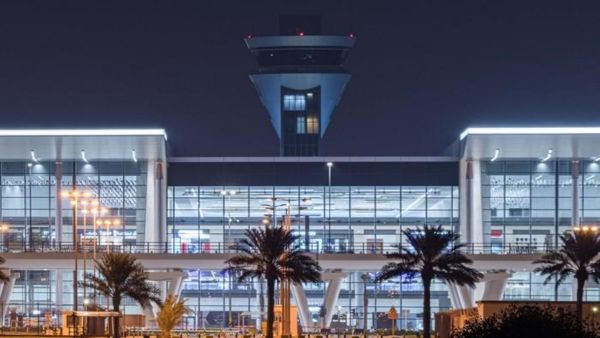
Bahrain International Airport (BAH) is seeking to significantly expand its global connectivity, with plans to increase its reach to 100 destinations over the next four to five years. This strategy is part of Bahrain’s broader vision to establish itself as a key aviation player in the Gulf region despite significant competition from nearby hubs in Qatar and the United Arab Emirates. In an interview with Aviation Week ahead of Routes World 2024, Bahrain Airport Company CEO Mohamed Yousif Al Binfalah outlined the airport’s multifaceted approach to growth, which includes strengthening partnerships with Gulf Air, the Bahrain Tourism and Exhibition Authority and other key stakeholders. This collaborative effort is focused on enhancing air connectivity, improving passenger experience and driving economic growth through increased tourism and business travel. “We are more aligned as stakeholders than ever before,” Al Binfalah says. “Our national air connectivity plan aims to reach 100 destinations, and this plan is being executed over four to five years. “We are targeting major markets in North America, Europe, Africa and Asia, and we believe that our coordinated efforts will lead to much better performance in both air traffic movements and passenger traffic.”

Read more

Spot manta rays in the Maldives with private cruises, on-call services

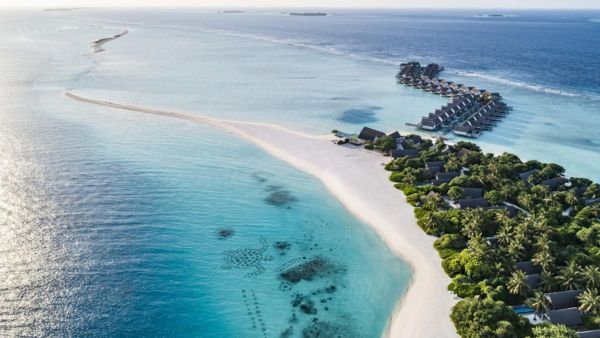
Every June, the Eastern Baa Atoll in the Maldives attracts the world’s largest known population of manta rays, a sight that people across the world travel to witness. The Manta Trust, a charity set up in 2005 at the Four Seasons Resort Maldives at Landaa Giraavaru, has been working towards making these sightings better courtesy of their founding research project, Maldives Manta Conservation Programme (MMCP). at Landaa Giraavaru | Photo Credit: Special Arrangement Every June, the Eastern Baa Atoll in the Maldives attracts the world’s largest known population of manta rays, a sight that people across the world travel to witness. The Manta Trust, a charity set up in 2005 at the Four Seasons Resort Maldives at Landaa Giraavaru, has been working towards making these sightings better courtesy of their founding research project, Maldives Manta Conservation Programme (MMCP). If you are looking at planning a trip to the Maldives this year, it might be ideal as “the manta magic starts when the Southwest Monsoon (Hulhangu) season begins in the Maldives”, says Elspeth Strike, project manager at Baa Atoll, The Manta Trust. “During this season, hundreds of reef manta rays (a type of cold-blooded fish) return to the area to exploit the rich, productive waters of Baa, making the most of the abundance of their zooplankton prey which concentrates within sites like Hanifaru Bay. The best time to plan a manta spotting visit to Four Seasons Landaa Giraavaru is between the months of June and November,” she says.

Read more

Karnataka Tourism Society Celebrates 2nd Edition of ‘Discover North & Coastal Karnataka’

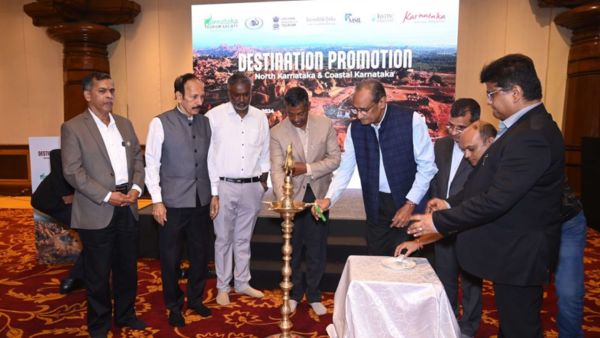
The Karnataka Tourism Society (KTS) successfully hosted the second edition of its ‘Discover North & Coastal Karnataka’ event on October 1, 2024, in Bengaluru. This event followed the successful inaugural showcase focusing on Chikmagalur and Sakleshpur in March. The recent edition highlighted the attractions of North and Coastal Karnataka, drawing over 150 participants, including travel agents and industry professionals, who engaged in networking and B2B meetings. The event was inaugurated by Srinivasulu (IFS), Commissioner of the Department of AYUSH, Government of Karnataka, and featured key dignitaries like K Syama Raju, President of KTS and newly elected President of the Federation of Hotel & Restaurant Associations of India (FHRAI), and other prominent members of the KTS executive committee. Dr. K.V. Rajendra (IAS), Director of the Department of Tourism, Government of Karnataka, also attended and discussed marketing strategies and the showcase’s impact with stakeholders. Supported by various government agencies, including the Ministry of Tourism, Government of India, and Karnataka State Tourism Development Corporation, this event emphasized the cultural heritage, serene beaches, and local arts of North and Coastal Karnataka. The initiative was designed to unlock the potential of these regions and drive sustainable tourism growth. K Syama Raju stated, “This event is a collaborative effort to showcase the hidden gems of North and Coastal Karnataka. By bringing together travel agents, tour operators, and hospitality professionals, we aim to foster sustainable growth and highlight the unique cultural and natural offerings of these regions.” The event featured 23 leading destination management companies, hotels, resorts, homestays, and service providers from the region. The primary focus was on sustainable tourism and community engagement, providing participants with insights into the diverse travel experiences that North and Coastal Karnataka offer.

Read more

Nagaland gears up to celebrate the 'festival of festivals'

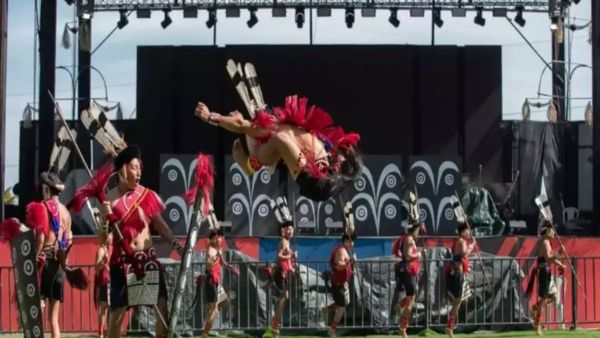
If you are thinking about a unique holiday before the year ends, we suggest you go for Nagaland's Hornbill Festival. The annual Hornbill Festival is one of India's most vibrant cultural festivals. Every year the festival is celebrated in a grand manner, for 10 days in total, that it even got the nickname -- Festival of Festivals. But what makes 2024 an unmissable year for the Hornbill Festival? This is the festival's 25th year or the Silver Jubilee. This year will be the celebration of 25 years of being a platform that celebrates Nagaland’s cultural heritage. The festival is not only popular in India, but also on an international level as well. Every year, visitors from all over the world visit Nagaland to be a part of this cultural celebration. The tourism secretary G Hukugha Sema urged the tribal organisations to help make this event grand for all, especially for the tourists. He stressed on the importance of ensuring the comfort of tourists, who will be treated as “special guests” during the 10-day festival. He urged the tribal organisations to cooperate with the government in creating a welcoming environment for the thousands of domestic and international visitors expected to attend. In preparation for the festival, Sema revealed that a master plan to revamp and renovate the Naga Heritage Village in Kisama is currently underway. Kisama Heritage Village is where the main event takes place. As per reports, all renovation works are expected to be completed by November 17. The Hornbill Festival began in 2000 as a modest three-day event in Kohima. The festival has since evolved into a major tourism event for Nagaland, now spanning 10 days. In these 10 days, visitors get to experience tribal living, food, traditional games, music and dance, and the best of local handicrafts and textiles. Sometime in the mid-2000s, the venue was shifted to Kisama, which allowed a larger number of tourists to be a part of the festival. Today, if Nagaland is on the tourism map of India, the Hornbill Festival played a crucial role in these 25 years. And this year is the celebration of that. Major highlights of the Hornbill Festival Cultural performances: The Hornbill Festival is where you have the chance to get to know about the rich cultural heritage of Nagaland. Various Naga tribes present their traditional dances, music, traditional games and war techniques. Naga morungs exhibition: Naga morungs are traditional huts that were used as dormitories back in the day. These morungs play a crucial role in imparting the knowledge of customs, traditions, and warfare to young men. The festival features replicas of these morungs. Naga wrestling and indigenous games: The festival also features indigenous sports such as Naga wrestling, bamboo stilt races, and archery. Crafts and handloom fair: The festival hosts a large marketplace where local artisans and craftsmen display and sell Naga handloom products, bamboo crafts, and unique tribal jewellery. Hornbill international rock contest: The Hornbill International Rock Contest is one of the most sought-after events at the festival. Rock bands from across India and abroad compete with one another. It's an incredible crowd-puller. Traditional cuisine: The Hornbill Festival is also a culinary journey, with food stalls offering traditional Naga dishes such as smoked meats, bamboo shoot curries, and Naga chilli sauces. Visitors can indulge in local delicacies that are rarely found outside the region. Heritage walks and village tours: Visitors can take part in guided tours to nearby villages and heritage sites, which offer insights into Naga history, traditional livelihoods, and local biodiversity. These excursions complement the main festival activities and give a deeper understanding of Naga culture.

Read more

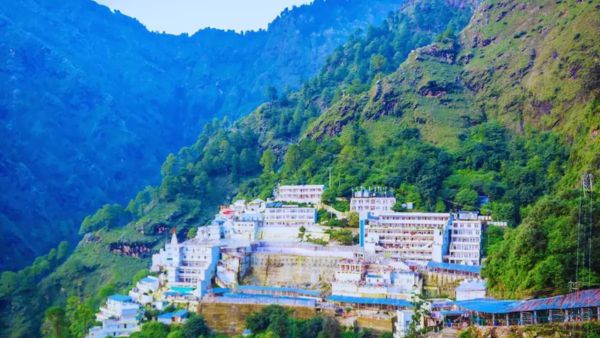
8 new registration counters opened at Katra Station for Vaishno Devi pilgrims

In a bid to manage devotees' crowds, the Shri Mata Vaishno Devi Shrine Board (SMVDSB) has introduced eight new registration counters at Katra Station. The measure is taken as a preparation for the Navratri festival. This is one of those times when a huge influx of devotees is expected. This initiative aims to streamline the registration process for pilgrims along with enhancing security measures during the Navratri. As per CEO Anshul Garg, the new counters will be operational from 5 AM and offer pilgrims convenience upon arrival. With the addition of these counters, the total number of registration points has increased to 47, offering a broader range of locations for pilgrims to register before their journey to the shrine. As part of the enhanced security measures, the SMVDSB has introduced RFID cards, making registration mandatory for all pilgrims. These RFID cards will help in monitoring the movement of devotees and ensure better crowd management. CEO Garg emphasized the importance of these security upgrades and the deployment of additional security forces, along with quick response teams, to ensure the safety and well-being of pilgrims throughout the festival. A recent meeting held in Katra, chaired by CEO Garg, highlighted collaborative efforts with local authorities and security agencies to reinforce security protocols. Special measures include the use of drones and CCTV cameras along the pilgrimage route and shrine area for real-time surveillance and monitoring. These steps are designed to provide comprehensive security coverage during the Navratri festival, which will run from October 3 to October 12. Following directives from Lieutenant Governor and Chairman Manoj Sinha, the SMVDSB is focused on meticulous planning and coordination to manage crowd control, fire safety, and disaster preparedness. The Board is committed to a synchronized approach to handle the expected large numbers of pilgrims, ensuring their safety and comfort. Additionally, the Shrine Board is launching a special enforcement drive to tackle unauthorized parking, which contributes to traffic congestion around Katra. Focus is also being placed on maintaining cleanliness, ensuring a sufficient water supply, and improving lighting along the pilgrimage route to enhance the overall experience for devotees.

Read more

Electric double-decker buses launched in Lucknow to meet Navratri rush

In a measure to meet the rush of Navratri festivities, the Uttar Pradesh government has announced the launch of electric double-decker buses in Lucknow. It is an important measure to improve public transportation and reduce pollution. As per Luncknow’s transport minister, Daya Shankar Singh, the buses will operate in the first week of October 2024. In an interview with PTI, the minister said that the tendering process for approximately 100 buses, including double-decker models with a capacity of 65 passengers each, has been completed. The initiative is not only aimed at improving daily transportation but also at boosting tourism in Lucknow. Initially, the buses will operate in Lucknow, with plans to expand the service to other districts across the state in the future. The double-decker buses are designed to offer tourists a convenient and enjoyable way to explore the city. For a single ticket price, passengers can access key landmarks such as Bhool Bhulaiya, Residency, and the Lucknow Zoo, all from the upper deck, providing stunning views of the city’s famous attractions. Singh emphasized that this tourism-friendly approach will make sightseeing in Lucknow more accessible and enjoyable. Discussions are currently underway to ensure ticket prices remain affordable for both locals and visitors. The goal is to make the electric buses an attractive option for everyone, promoting both convenience and sustainability. By introducing electric buses, the government aims to reduce carbon emissions and foster a greener, more eco-friendly transportation system in Lucknow. To support this initiative, a robust charging infrastructure is being developed at over 2,000 locations, including petrol stations and bus depots. In addition to the double-decker buses, Singh also announced plans to introduce intercity electric buses, which are expected to be operational for major events such as the Kumbh Mela next year. These buses will provide a green and efficient mode of transportation between cities, further enhancing the state’s commitment to sustainable travel. Tickets for the double-decker electric buses can be easily booked online through the official UPSRTC website or mobile app, as well as in-person at bus stands and depots in Lucknow. The buses will run daily from 3:00 PM to 10:00 PM, offering a convenient and eco-friendly way for both residents and tourists to explore the city. This initiative aims to transform Lucknow into a more vibrant and environmentally friendly destination.

Read more