
Karnataka Tourism Gears Up For The Renowned Kerala Travel Mart 2024 In Cochin
- Oct 03,2024
- Travel And Tour World
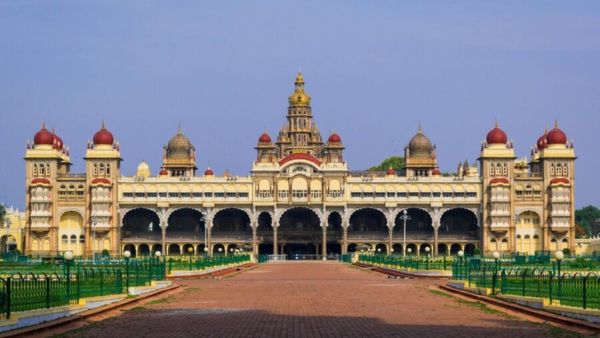
Karnataka Tourism showcases its vibrant culture, breathtaking nature, and thrilling adventure at Kerala Travel Mart 2024 in Cochin from September 26 to 29. Karnataka Tourism is gearing up to make a significant impact at the prestigious Kerala Travel Mart (KTM) 2024, set to take place in Cochin from 26 to 29 September. KTM is recognized as one of South India’s premier tourism events, attracting travel trade professionals, industry stakeholders, and potential travelers from across the globe. The event provides Karnataka with a key platform to showcase its wide range of tourism offerings, focusing on its rich cultural heritage, diverse landscapes, and adventure-filled destinations. Showcasing Karnataka’s Cultural Richness at KTM Cochin At the heart of Karnataka’s participation in KTM 2024 is its pavilion, which will highlight the state’s rich tapestry of culture, nature, and adventure. The displays at the Karnataka pavilion will emphasize the state’s UNESCO World Heritage Sites, its vast network of wildlife sanctuaries, serene beaches, and scenic hill stations, capturing the imagination of potential travelers and travel professionals alike. From the architectural marvels of ancient Karnataka to its eco-tourism potential, the state is poised to attract significant attention at this prestigious event. The cultural richness of Karnataka is a key element that will be emphasized at KTM. Destinations like Hampi, Badami, Pattadakal, and Aihole—all steeped in historical significance—will take center stage. These sites not only reflect Karnataka’s ancient history but also its contribution to Indian culture through their remarkable architecture. These UNESCO World Heritage Sites will be promoted as must-visit destinations for history enthusiasts and travelers seeking to explore India’s ancient legacy. Promoting Sustainable and Responsible Tourism Karnataka’s participation at Kerala Travel Mart 2024 will also underscore the state’s commitment to sustainable tourism practices. In recent years, Karnataka Tourism has placed a growing emphasis on promoting eco-friendly and responsible travel experiences. This includes promoting lesser-known and emerging destinations that offer unique cultural, historical, and environmental value while ensuring minimal environmental impact. One of the key focuses of Karnataka’s strategy for KTM Cochin is the introduction of initiatives that promote year-round tourism while ensuring the preservation of the state’s natural and cultural resources. This aligns with global trends that encourage sustainable tourism practices, aimed at reducing overcrowding at popular tourist sites while creating opportunities for local communities to benefit from tourism. Chikmagalur and Coorg are prime examples of destinations where sustainable tourism practices have been encouraged. These regions, known for their rich biodiversity and tranquil beauty, are perfect for travelers looking to escape the hustle of urban life and connect with nature. Karnataka will leverage KTM 2024 to promote these eco-friendly destinations and highlight the state’s long-term commitment to sustainable tourism. Discover Karnataka at KTM 2024 Kerala Travel Mart 2024 in Cochin promises to be an exciting event, with Karnataka Tourism ready to impress the travel industry with its diverse range of offerings. Visitors to the Karnataka pavilion will have the opportunity to learn more about the state’s emerging destinations, eco-tourism initiatives, and adventure activities, all while experiencing the cultural richness of Karnataka. Whether you’re a history buff interested in Karnataka’s ancient heritage sites, an adventure seeker looking for thrilling outdoor activities, or a traveler keen on eco-friendly tourism experiences, Karnataka offers something for everyone. The state’s participation at KTM 2024 is a testament to its growing prominence in the tourism landscape of India and beyond.
Read more
Noida International Airport to begin commercial operations in April 2025
- Oct 03,2024
- Times Of India
As per recent reports, Noida International Airport is scheduled to start commercial flight operations on April 17, 2025, serving both domestic and international routes. The Ministry of Civil Aviation has directed Noida International Airport Ltd (NIAL) and all other relevant authorities to finalise the flight schedules and other key operational timelines in preparation for the airport’s inauguration. After Delhi's Indira Gandhi International Airport, the new Noida International Airport Ltd will serve as the second major aviation hub for the Delhi-NCR region. If reports are to go by, Noida International Airport is expected to open by the end of September 2024. However, there were several unforeseen delays in the completion of infrastructure which have pushed the commencement of commercial operations to April 2025. It is also reported that upon opening, the new airport will accommodate up to 65 flights daily. Of these 65 flights, 62 will fly the domestic routes, two will fly international, and one will be cargo flight. NIAL CEO Arun Vir Singh confirmed the revised launch date, stating, “The concessionaire has submitted a plan to start commercial operations by April 17. However, we are exploring the possibility of bringing the launch date forward. Any delay beyond April 17 could push the timeline for securing international approvals and time slots from the International Air Transport Association (IATA) by another six months.” If reports are to go by, flight trials are scheduled for November 30, 2024. These trials will be conducted by the Airports Authority of India (AAI) to ensure that all airport systems are fully operational before the commercial launch, and that the airport meets all safety and operational standards set by civil aviation authorities. For the people of Delhi-NCR area, the Noida International Airport is crucial as it would greatly improve regional connectivity. Not only the new airport will increase air travel capacity for the Delhi-NCR area, it is also expected to help in the economic growth and development of the nearby areas. Hopefully, soon travellers to and from Delhi-NCR region will not have to deal with the congestion at Indira Gandhi International Airport. With both domestic and international flight operations set to commence in 2025, Noida International Airport is poised to become a major hub for air travel in northern India. As the region continues to grow, the airport’s role in supporting economic development and improving transportation links will be essential for the future.
Read more
Vietnam’s Tourism Industry Sets New Standards To Bring in Fresh Waves of Visitors
- Oct 01,2024
- Travel And Tour World
Tourist hotspots throughout Vietnam experienced a highly successful summer season, drawing impressive numbers of holidaymakers to the country. Data from the General Statistics Office reveals that nearly 11.4 million international travelers visited Vietnam during the first eight months of this year, marking a remarkable 45.8% increase compared to the previous year. This also represents a 1% rise over the same period in 2019, before the Covid-19 pandemic. The peak season for international tourism in Vietnam runs from October through April, encouraging local regions to continually innovate and enhance their tourism offerings. By developing distinctive and professional services, these regions aim to strengthen their appeal and solidify their status as premier destinations. Enhancing Destination Uniqueness In preparation for the year-end and New Year holiday periods, many local areas are intensifying efforts to upgrade their tourism products and services. By introducing new highlights and unique features, they aim to distinguish their destinations and offer something memorable for travelers. Ho Chi Minh City, a vibrant and bustling metropolis, blends modern energy with rich cultural traditions. Famous for its ethnic communities, historic markets, and centuries-old craft villages, the city welcomed nearly 26.5 million visitors in the first eight months of 2024. This contributed to a 15% year-on-year increase in tourism revenue. In Vietnam’s south-central coastal region, Binh Thuan has emerged as a key destination, leveraging its strengths in resort tourism, cultural experiences, and adventure sports centered around its coastal and island areas. The province has been actively enhancing its tourism offerings to attract a broader range of visitors. In the first eight months of 2024, Binh Thuan witnessed significant growth, welcoming more than 6.4 million domestic and international travelers. As the year progresses, the province becomes a popular choice for international tourists seeking to enjoy its warm, pleasant climate. According to the provincial Department of Culture, Sports, and Tourism, Binh Thuan is working to develop themed tourism products, including cultural-historical tourism, community-based tourism, agro-tourism, and eco-tourism that integrates the region’s marine, forest, and sand dune environments, ideal for sea and sand sports. Strengthening Promotional Initiatives In the near future, several new programs will be launched to promote the city’s culture, people, and unique experiences, aiming to attract both domestic and international audiences. Director of the municipal Department of Tourism, Nguyen Thi Anh Hoa, noted that alongside recent releases of short films and e-publications showcasing fresh perspectives, the city will continue to promote its tourism through prestigious awards and recognitions, further solidifying its reputation as a leading destination. In early September, Ho Chi Minh City earned multiple accolades, including “Asia’s Leading MICE Tourism Destination” from the World MICE Tourism Awards, marking the fifth time it has received this honor. The HCM City Travel Mart was also named Asia’s best trade show. Additionally, the World Travel Awards recognized the city as “Asia’s Leading Business Travel Destination 2024” and “Asia’s Leading Festival & Event Destination 2024.” With nearly 3,230 tourist accommodations, including almost 200 hotels rated from 1 to 5 stars, Ho Chi Minh City is well-equipped to host a significant number of visitors. In Binh Thuan, promotional activities are being carried out in various forms to target both established and emerging markets. The province’s Department of Culture, Sports, and Tourism is maximizing the potential of its smart tourism portal, helping visitors access essential information while reinforcing its image as a welcoming and hospitable destination. Efforts to promote Binh Thuan include the creation of photo books, brochures, maps, and souvenirs such as wooden keychains and sand paintings featuring QR codes to showcase the province’s tourism potential. By 2025, Binh Thuan aims to attract 11.4 million visitors, 10% of whom will be international travelers, generating over 24.6 trillion VND (around US$1 billion) and ensuring that tourism contributes approximately 10% to the province’s Gross Regional Domestic Product (GRDP).
Read more
Neelakurinji flowers return to Nilgiris in Tamil Nadu after 12 years
- Oct 01,2024
- Times Of India
Tamil Nadu’s Nilgiri Hills have transformed into a blue wonderland, thanks to the rare Neelakurinji flowers which bloom once in 12 years! Yes you read that right. It’s a natural miracle and a stunning spectacle, turning the landscape into a vibrant sea of blue. It’s one of rarest opportunities for nature enthusiasts, tourists, and locals alike. About Neelakurinji Neelakurinji is rare, beautiful and nature’s blessing to mankind! The flower bloom transforms the hills into a magical blue panorama, attracting visitors from all over the world waiting to experience this otherworldly view. Indian Administrative Service (IAS) officer Supriya Sahu shared some gorgeous views of the blooming Neelakurinji flowers on X (formerly known as Twitter). The pretty pictures and videos showcase the hills adorned with these rare blossoms, offering a glimpse of the beauty that has captured the imagination of many. A lifetime experience If you happen to witness the Neelakurinji bloom, consider yourself extremely lucky as it is a rare phenomenon tied to the plant’s 12-year life cycle. This is the time when the flowers mature and the bloom lasts for many weeks. It attracts visitors from all over as the spectacular display of blue bloom beauty is a lifetime experience. Photographers wait for decades to capture the moment! Neelakurinji and Toda tribe The bloom is not only visually appealing but also holds immense significance for the indigenous Toda tribes, who live in the Nilgiri Hills. The Toda people consider the Neelakurinji flowers sacred, associating their bloom with prosperity and good fortune. As the flowers blossom, the hills come alive with local festivities, adding a layer of cultural richness to the natural wonder. The blooming of the Neelakurinji flowers is a reminder of the extraordinary biodiversity found in the Nilgiris and the need to protect such unique ecosystems. For both tourists and locals, the experience is an awe-inspiring reminder of nature’s wonders, a rare event that only a few are lucky enough to witness in their lifetime. As the blue blooms spread across the hills, the Nilgiri landscape becomes a living canvas, creating an unforgettable experience for all who visit.
Read more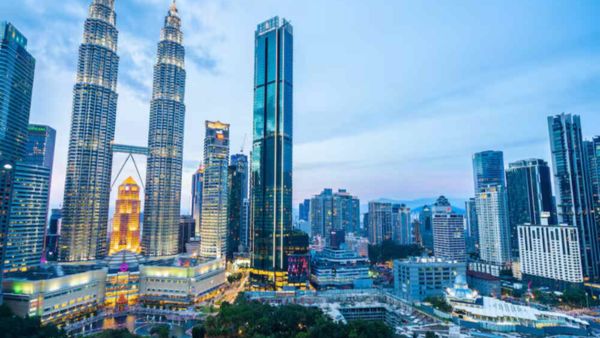
Thailand Week 2024 Set To Dazzle Malaysia With Authentic Thai Tourism Experiences
- Oct 01,2024
- Travel And Tour World
The Ministry of Industry, Thailand, in partnership with the Thai Embassy in Kuala Lumpur, the Office of International Trade Promotion, and the Tourism Authority of Thailand, has officially inaugurated the Thailand Week 2024 Press Conference & Business Networking (NEXT LEVEL Thai) event in Malaysia. This high-profile gathering, hosted at the prestigious Sofitel Kuala Lumpur Damansara, is designed to enhance trade relations between the two countries while showcasing Thailand’s diverse offerings. The event serves as a platform for businesses to network, collaborate, and explore new opportunities, with a special focus on strengthening Thailand’s position as a global leader in the halal food market. At the heart of the initiative is the promotion of Thailand’s soft power, particularly through the “Halal Food of the Future” campaign. This innovative approach highlights the country’s commitment to catering to the growing demand for halal products, showcasing Thailand’s culinary expertise and sustainability efforts. By focusing on halal food, the event not only seeks to boost Thailand’s trade potential but also aims to present the nation as a forward-thinking hub of innovation and cultural diversity, capable of meeting evolving global consumer preferences. The event was officially inaugurated by Thailand’s Ambassador to Malaysia, H.E. Ms. Lada Phumas, and served as a significant platform to connect 20 carefully selected Thai halal food companies with more than 30 Malaysian businesses. This initiative not only fostered networking opportunities but also opened doors for potential partnerships, reinforcing the growing trade relationship between Thailand and Malaysia. By facilitating these interactions, the event aimed to showcase the quality and innovation of Thailand’s halal food products, while highlighting the country’s capability to meet the diverse needs of the global halal market. Thailand Week 2024 at KLCC: Accelerating Trade Expansion Building on the momentum of the press conference, Thailand Week 2024 will take place from 16th to 19th October 2024 at the Kuala Lumpur Convention Centre (KLCC). This highly anticipated event, held alongside the 8th Selangor International Business Summit 2024, aims to create a vital platform for Malaysian businesses, importers, and consumers to connect with Thai companies across a wide range of sectors. The collaboration offers an opportunity to strengthen trade ties and foster long-term partnerships between the two nations. Operating under the theme “Unlock Trade Opportunities, Unleash Business Potential,” Thailand Week 2024 will feature a diverse array of activities, including product exhibitions, business matching sessions, cultural showcases, and interactive workshops. Key sectors such as food and beverages, wellness, fashion, and innovation will be highlighted, with renowned brands like Red Bull, Maepranom Chilli Paste, and Snake Brand Prickly Heat Powder taking center stage. The event aims to demonstrate Thailand’s innovative capabilities while providing a vibrant platform for business growth and cultural exchange. Cultural and Economic Influence Ambassador Lada Phumas voiced strong confidence in the event’s potential, reflecting on the success of the 2023 Mini Thailand Week held in Kota Kinabalu. She expects an even greater attendance at the KLCC event, which is poised to play a key role in achieving the ambitious goal of reaching USD30 billion in bilateral trade between Thailand and Malaysia by 2027. Thailand Week 2024 is set to be a pivotal event, cultivating fresh collaborations and fueling economic development in both Thailand and Malaysia.
Read more
Kerala Becomes The Global Beacon Of Sustainable Travel
- Oct 01,2024
- Travel And Tour World
Experts at the 12th edition of the Kerala Travel Mart (KTM) highlighted emerging trends in the global tourism market, emphasizing that consumers are increasingly prioritizing environmentally sustainable practices and immersive travel experiences. These trends reflect a shift in traveler preferences towards more responsible tourism, where visitors seek to engage deeply with local cultures while minimizing their environmental impact. Another key observation was the growing focus on self-care, with travelers willing to invest significantly in wellness-focused experiences that prioritize mental, emotional, and physical well-being during their journeys. During a seminar on “Evolution in Tourism Trends” at KTM 2024, held at Willingdon Island, experts underscored the importance of efficiency and personalization in shaping the future of travel. They pointed out that modern tourists expect seamless travel experiences, with an emphasis on convenience and tailored services. Personalization has become a crucial factor, as travelers increasingly seek unique and customized itineraries that cater to their individual needs and preferences. The discussions highlighted how the tourism industry must adapt to these evolving demands by offering innovative and flexible solutions that enhance the overall travel experience. Dipak Deva, Managing Director of SITA, highlighted the growing impact of sustainable travel on tourist decisions, noting that the demand for eco-friendly travel products is set to significantly shape the future of the industry. He pointed out that spending on self-care within the tourism sector is expected to see a substantial rise, with projections indicating that it could quadruple by 2027. This shift reflects a broader trend of travelers seeking wellness-focused experiences that promote rejuvenation and personal well-being, further driving the evolution of tourism toward sustainability and mindful travel. Deva also emphasized that experiential travel is becoming a top priority for tourists, surpassing the importance of everyday luxuries. Travelers are increasingly looking for authentic, immersive experiences that allow them to connect with local cultures and environments. He further added that the integration of Generative AI (Gen AI) will play a transformative role in the industry, improving efficiencies in development, enhancing customer support, and revolutionizing reputation management and performance advertising. This technological advancement is expected to not only streamline operations but also elevate the overall travel experience, meeting the growing demand for personalized and efficient services. Discussing global tourism trends, it was observed that families are increasingly opting for scenic retreats over urban adventures, with panoramic beaches and countryside destinations emerging as top preferences. In addition to family travel, the popularity of solo travel has seen a dramatic rise, with searches for “Solo Travel” on Google doubling in 2023. To keep pace with these trends, Kerala should focus on identifying new tourism destinations across each district, offering visitors a taste of experimental tourism and a variety of unique experiences. Reflecting on the early days of the state’s adventure tourism sector, Cmdr. Sam, Managing Director of Kalypso Adventure, recalled that there was little precedent for the types of activities his company could introduce. Today, however, Kerala is brimming with opportunities to tap into the growing demand for adventure tourism, benefiting both tourists and the local community. In addition, celebrity chef Siddiq Mohammed highlighted the need for Kerala to leverage its rich culinary heritage by developing a comprehensive culinary guide for the tourism sector. By incorporating gastronomic experiences into tourism offerings, Kerala can further enhance its appeal as a must-visit destination for food enthusiasts. E M Najeeb, Managing Director of Great India Tour Company, served as the moderator for the event. Running from September 26 to 29, the expo stands as Asia’s largest tourism industry gathering, drawing participants and stakeholders from across the globe. A total of 347 booths were set up, featuring contributions from both public and private organizations, highlighting the extensive collaboration within the sector.
Read more