
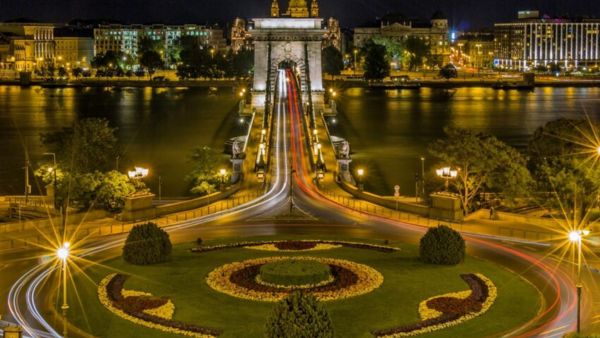
Hungary Tourism Sees a Steady Growth in Travel Industry
- Oct 01,2024
- Travel And Tour World
Hungary’s tourism industry experienced steady growth in 2023, as evidenced by the latest data from the Central Statistics Office (KSH). Guest nights spent at commercial and private accommodations rose by 3.6% in August, with total revenue from commercial accommodations growing 8.5% compared to the same period last year. The rise in both domestic and international tourism underscores Hungary’s continued appeal as a travel destination, with the National Economy Ministry calling the sector’s performance in the first eight months of 2023 “far ahead” of average EU growth. August 2023: Steady Growth in Guest Nights and Revenue According to KSH, the number of guest nights at Hungary’s tourism accommodations in August 2023 reached 6,987,000, reflecting a 3.6% increase from the same period in 2022. Of this total, domestic travelers accounted for 3,942,000 guest nights, marking a 3.7% rise year-on-year, while foreign visitors contributed 3,045,000 guest nights, representing a 3.5% increase. Revenue from commercial accommodations, which include hotels, bed-and-breakfasts, campsites, resorts, and hostels, amounted to HUF 140 billion in August, an 8.5% increase from 2022. This revenue growth underscores the strength of Hungary’s tourism sector, which remains a key contributor to the country’s economic stability and growth. January-August 2023: Impressive Year-to-Date Performance The January-August 2023 period saw even more significant growth in guest nights, with a total of 31,454,000 nights recorded, reflecting a 5.5% increase year-on-year. Domestic travelers contributed 16,314,000 nights (a 2.4% increase), while foreign visitors accounted for 15,141,000 nights, marking a 9.1% increase. These figures highlight the steady recovery of Hungary’s tourism industry following the global pandemic and underscore the growing appeal of the country for both domestic and international tourists. According to the National Economy Ministry, tourism data for the January-August period exceeded all expectations, with growth surpassing the European Union average. This exceptional performance is further supported by a 18.6% increase in passenger numbers at Budapest Liszt Ferenc International Airport during the same period, underscoring Hungary’s growing importance as a major travel hub in Central Europe. Regional Tourism Trends: Budapest, Lake Balaton, and More Hungary’s diverse regions also saw varying performances in tourism. The number of domestic guest nights increased the most in the Szeged region, which recorded a 12% increase, while the Pécs region experienced the largest decline in domestic guest nights, falling by 7.2% compared to the same period in 2022. Budapest saw a 7.3% increase in domestic guest nights, while Lake Balaton, Hungary’s largest and most popular summer destination, recorded a 5.6% increase. When it comes to international guest nights, the Gyula region saw the largest increase, with a 12% rise year-on-year. In contrast, the Greater Budapest region saw the largest decline in international guest nights, dropping by 14% compared to the previous year. Despite this, the number of international guest nights in Budapest increased by 9.2%, while Lake Balaton saw a slight decrease of 1.4%. Hungary’s Tourism Sector: A Major Contributor to the Economy Hungary’s tourism sector is a critical pillar of the national economy, contributing over 10% to the country’s GDP and providing jobs for 400,000 people. With tourism data surpassing expectations in 2023, the sector continues to drive economic growth, supporting businesses in hospitality, transportation, and retail. The National Economy Ministry emphasized the importance of the tourism sector, noting that the industry’s impressive growth in 2023 was far ahead of the EU average. This growth is expected to continue as Hungary further invests in its infrastructure, cultural heritage, and sustainable tourism initiatives to attract more visitors in the coming years. Outlook for the Future With the tourism sector exceeding expectations in 2023, the future looks bright for Hungary. The country’s rich history, scenic landscapes, and diverse regions continue to attract both domestic and international visitors. Budapest, in particular, remains a focal point for tourism, with its mix of historic attractions, modern infrastructure, and a growing reputation as a business hub in Central Europe. Moving forward, Hungary is poised to maintain its growth trajectory, with government support and continued investment in tourism infrastructure likely to play a key role in ensuring the sector’s continued success. The strong growth in tourist revenue, particularly from international visitors, signals that Hungary is well-positioned to remain a top travel destination in Europe.
Read more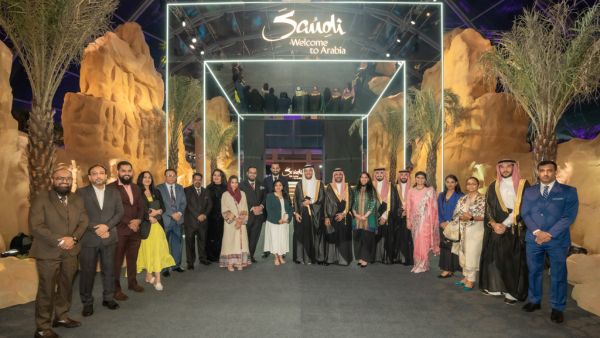
Spectacular Saudi: A Glimpse of Arabian Beauty in Mumbai
- Oct 01,2024
- Travel And Tour World
Saudi Arabia’s national tourism brand, ‘Saudi Welcome to Arabia’, recently hosted its first-ever immersive event, ‘Spectacular Saudi’, in Mumbai, Maharashtra. The 8-day event took place at the R2 Ground in BKC, starting with an exclusive VIP showcase on September 24, 2024. A Unique Cultural Experience The event showcased Saudi Arabia’s rich culture and heritage through a series of curated exhibits. Attendees were treated to the stunning ‘Mountains and Mirrors’ display, inspired by the iconic Maraya Hall in Alula, along with the interactive ‘360 Selfie Corner’. In a unique feature, VIP guests could apply for their Saudi visas on-site by simply presenting a valid Mastercard or Visa credit card. Additionally, attendees were able to explore exclusive travel deals and packages, helping them prepare for future trips to Saudi Arabia. Star-Studded VIP Preview The VIP preview of the event attracted some of India’s biggest names in cinema, business, sports, and fashion. Popular Bollywood personalities such as Vicky Kaushal, Shraddha Kapoor, Bhumi Pednekar, Arjun Kapoor, Aditya Roy Kapoor, Sonakshi Sinha, and Suniel Shetty were in attendance. Guests were greeted with traditional Saudi hospitality, including offerings of coffee, dates, and the fragrance of Bakhour, enhancing the immersive cultural experience. Fashion icons like Gaurav Gupta and JJ Valaya, along with renowned athletes including Sania Mirza, Saina Nehwal, PV Sindhu, and Mary Kom, also explored the exhibits. Business magnates such as Yash Birla and Suketu Shah were present, showcasing the event’s appeal to a wide range of industries. A Showcase of Saudi Culture and Hospitality The ‘Spectacular Saudi’ event was a perfect platform to introduce Saudi Arabia’s warm hospitality and cultural heritage to Indian audiences. The exhibits allowed guests to experience the best of Saudi Arabia’s rich traditions, natural wonders, and innovative future projects. This immersive event was not only a cultural exchange but also a stepping stone for future tourism between Saudi Arabia and India, promoting greater ties through travel and exploration. With such events, Saudi Arabia continues to position itself as a top global destination for culture, luxury, and adventure. The ‘Spectacular Saudi’ event left a lasting impression on its VIP guests, giving them a glimpse of the memorable experiences awaiting them in the Kingdom.
Read more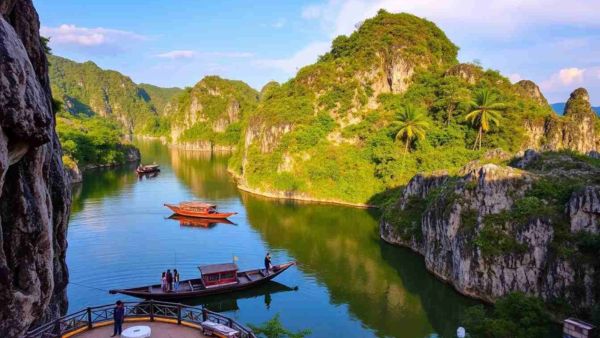
Vietnam’s Tourism Industry Soars With An Astonishing 1.43 Million International Visitors In August
- Sep 30,2024
- Travel And Tour World
Vietnam recorded an impressive influx of 1.43 million international tourists in August, reflecting a 17.7% year-on-year surge, as reported by the General Statistics Office of Vietnam. Vietnam has seen a remarkable increase in foreign tourism over the first eight months of this year, receiving more than 11.4 million international visitors. This figure represents a notable 45.8% increase from the previous year, highlighting the country’s growing appeal as a global travel destination. Vietnam’s tourism resurgence can be attributed to a combination of factors, including its rich cultural heritage, scenic landscapes, and strategic efforts to enhance its international tourism offerings. The Asian market continues to dominate as Vietnam’s largest source of international tourists, with over 9 million visitors arriving from the region. This represents a significant 51% year-on-year increase, showcasing the enduring popularity of Vietnam among neighboring countries. Asian tourists are drawn to Vietnam’s diverse attractions, from its bustling cities like Hanoi and Ho Chi Minh City to the tranquil beauty of destinations like Ha Long Bay and the Mekong Delta. In addition to the influx from Asia, the European and Oceania markets also contributed significantly to Vietnam’s tourism growth. Visitors from Europe and Oceania have shown a steady rise, reflecting an increased interest in Vietnam’s unique blend of history, culture, and modernity. Meanwhile, the American market, although smaller in comparison, continues to grow, as more travelers from North and South America seek to explore Vietnam’s renowned destinations. Even Africa has shown promising growth, albeit from a smaller base. One of the most notable trends in Vietnam’s tourism recovery is the dominance of air travel. Out of the 11.4 million international visitors, 9.7 million arrived by air, accounting for 84.7% of the total. This represents a 41% year-on-year increase in air passengers, signifying the growing importance of Vietnam’s major international airports, such as Noi Bai in Hanoi and Tan Son Nhat in Ho Chi Minh City. The country’s expanding airline network, coupled with improved flight connectivity, has made it easier for tourists from all over the world to access Vietnam’s top attractions. Land travel has also seen significant growth, with 1.6 million visitors arriving by road, making up 13.8% of the total. This represents a remarkable 73% year-on-year rise in land-based tourism, driven by Vietnam’s strategic location in Southeast Asia. Its land borders with China, Laos, and Cambodia have allowed for greater cross-border travel, particularly from neighboring countries. This trend reflects the increased accessibility and appeal of Vietnam as a regional tourism hub. Sea travel, although accounting for a smaller proportion of total arrivals, has experienced the most dramatic growth. A total of 165,600 visitors arrived in Vietnam by sea, representing just 1.5% of total tourists but marking a 2.8-fold increase compared to the same period last year. This surge in sea travel is attributed to the growing popularity of cruise tourism in Vietnam, with major ports like Da Nang and Ha Long becoming key stopovers for international cruise ships. Several factors have contributed to Vietnam’s impressive tourism growth. One of the key drivers has been the country’s favorable visa policies, which have made it easier for international travelers to visit. Vietnam has introduced e-visas and visa exemptions for tourists from various countries, simplifying the process for visitors and boosting the overall appeal of the destination. These policy changes have played a crucial role in attracting more foreign tourists to Vietnam. In addition to visa facilitation, Vietnam has intensified its tourism promotion efforts on the global stage. The government, in collaboration with private enterprises, has launched numerous campaigns to showcase the country’s rich cultural and natural heritage. Vietnam’s participation in international tourism expos and its growing digital presence have enhanced its visibility, encouraging more travelers to include Vietnam in their travel plans. Vietnam’s growing reputation as a world-class tourist destination has also been bolstered by a series of prestigious international awards. The country has been recognized for its cultural heritage, beautiful landscapes, and hospitality, winning accolades that have further elevated its status in the global tourism industry. These awards have not only validated Vietnam’s efforts to improve its tourism infrastructure but also positioned it as a must-visit destination for travelers seeking unique experiences. As Vietnam continues to recover from the impact of the global pandemic, the country’s tourism industry is well on its way to achieving new milestones. With ongoing efforts to improve infrastructure, enhance the visitor experience, and promote the country’s diverse offerings, Vietnam is poised to attract even more international tourists in the coming years, reinforcing its position as one of Asia’s top travel destinations.
Read more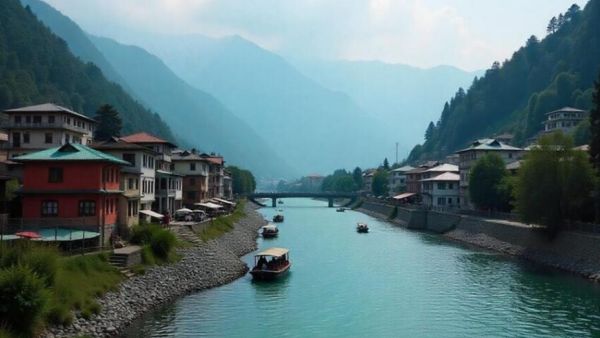
Kashmir’s Tourism Industry Embraces Sustainable Growth on World Tourism Day
- Sep 30,2024
- Travel And Tour World
Kashmir’s breathtaking beauty and cultural richness are highlighted every year on World Tourism Day, serving as a global reminder of tourism’s importance as both an economic driver and a cultural bridge. This special day reflects themes such as sustainability, inclusivity, and resilience, which are particularly relevant for the region often called the “Paradise on Earth.” Tourism forms a vital part of Kashmir’s economy, providing jobs for a significant portion of its population. The stunning landscapes—from the picturesque valleys of Pahalgam to the tranquil waters of Dal Lake—draw visitors from around the globe. However, the region’s tourism industry has faced challenges due to political instability and natural disasters, impacting its growth. World Tourism Day offers an opportunity to highlight Kashmir’s resilience and reaffirm commitments to sustainable tourism development. This day underscores tourism’s role in job creation, cultural preservation, and fostering global understanding—values deeply embedded in Kashmir’s identity. The region’s rich cultural heritage, influenced by various traditions, allows tourists to engage with unique aspects of Kashmiri art, cuisine, music, and crafts, fostering meaningful exchanges that break stereotypes and provide a more nuanced perspective of the area. Additionally, World Tourism Day serves as a critical moment to address the challenges facing Kashmir’s tourism sector, particularly regarding sustainability. The region’s fragile ecosystems, including renowned glaciers, lakes, and meadows, are increasingly threatened by climate change and unregulated tourism practices. Promoting responsible tourism is essential, which includes advocating for eco-friendly accommodations, managing visitor numbers in sensitive areas, and investing in infrastructure that minimizes environmental impact. Kashmir’s tourism potential remains largely unexplored, especially in areas such as adventure tourism, wellness tourism, and winter sports. For instance, Gulmarg has the potential to become a leading destination for skiing enthusiasts, while the region’s pristine landscapes offer abundant opportunities for trekking, camping, and nature exploration. World Tourism Day stands as a powerful reminder of the vast opportunities and challenges that tourism presents for Kashmir. It provides a global platform to showcase the region’s beauty while advocating for sustainable and responsible tourism development—an endeavor essential for the economic and social well-being of the local population.
Read more
Indian Railways to introduce 6000 special trains to meet the October festival rush
- Sep 30,2024
- Times Of India
October is the month of festivals. With major Indian festivals such as Durga Puja, Diwali and Chhath Puja lined up, the Indian Railways has announced plans to launch nearly 6000 special trains to meet the passenger rush. These special trains will accommodate the surge in demand for travel during these festivals. It’s not the first time that Indian Railways has taken such a measure. Every year, lakhs of people travel to their hometowns to celebrate these festivals with their families. It leads to a huge rush in the need for transportation. In response to this high demand, Indian Railways has decided to introduce special trains to serve over one crore (10 million) passengers during this period. Some of the routes with highest demand during these festivals are mainly those leading to states like Bihar, Uttar Pradesh, and West Bengal as these destinations are the hubs for the celebration. Durga Puja, one of the prime Indian festivals, will begin on October 6, followed by Diwali on November 1, and Chhath Puja on November 7 and 8. However, the exact routes, dates, and timings for these trains have not yet been officially announced. But Indian Railways has already indicated plans to enhance the travel experience for passengers. Along with the introduction of these special trains, Railway Minister Ashwini Vaishnaw has said that the number of general coaches will be increased for 108 regular trains on popular routes. Minister Vaishnaw also said that these trains will greatly benefit passengers, with the extra trains and coaches facilitating the movement of over one crore travellers. Indian Railways has already announced the deployment of 5,975 special trains for this season. For comparison, last year saw the operation of 4,429 special trains during the festive period, highlighting the increase in capacity this year. For Diwali and Chhath Puja, an additional 12,500 coaches will be provided, ensuring a more comfortable and accessible journey. Given the importance of trains in India’s public transport system, especially during festive times, booking tickets can become a challenge due to high demand. The move to run more special trains is a well-received initiative, helping to alleviate the rush and ensuring that more passengers can travel home to celebrate the festivals with their families.
Read more
Maharashtra Tourism Department introduces electric bus fleet for tourists
- Sep 30,2024
- Times Of India
Maharashtra Tourism Department has recently launched a fleet of 20 electric buses dedicated to transporting visitors to the renowned Ajanta Caves. Some of the electric buses are air-conditioned, and they all come equipped with modern amenities. The buses can accommodate 14 to 22 passengers at a time. If reports are to go by, the entire fleet is expected to be operational by October 20. The new electric bus fleet will cater to both domestic and international tourists. Visitors will be transported from the parking lot to the caves site. Before these electric buses, there was a diesel bus. Tourists had to often wait for a long time for the bus to make rounds. Now, with the introduction of these new electric buses, not only will the transportation be fast, it will be environmentally friendly too. Also, during the journey, visitors will be able to watch a film on the history of the Ajanta Caves. Soon, the Maharashtra tourism department will also launch a tourist-friendly booking system to make the reservation process for visitors easier. The Ajanta Caves, a UNESCO World Heritage Site, are located approximately 100 kilometres from Chhatrapati Sambhajinagar city. This is one of the most popular and recognised heritage sites in India. The cave complex features 30 rock-cut monuments. Some of these caves are adorned with exquisite paintings depicting the life of Lord Buddha and the Jataka Tales. How to reach Ajanta Cave Complex If Ajanta Caves is on your travel bucket list, here are some of the best ways to reach this famous heritage site. The nearest airport for Ajanta Caves would be Aurangabad Airport, located approximately 99 kilometres away. There are regular flights from Mumbai and Pune. For those travelling by train, the nearest railway station is Jalna, located approximately 60 kilometres from Ajanta Caves. There is Aurangabad Railway Station as well, which is approximately 100 kilometres away from the site. For those travelling by road, there are regular bus services from Aurangabad and other nearby cities. Once at the site, tourists can use electric buses to reach the cave complex from the parking area.
Read more