SBI new FASTag design targets faster identification and enhanced travel efficiency

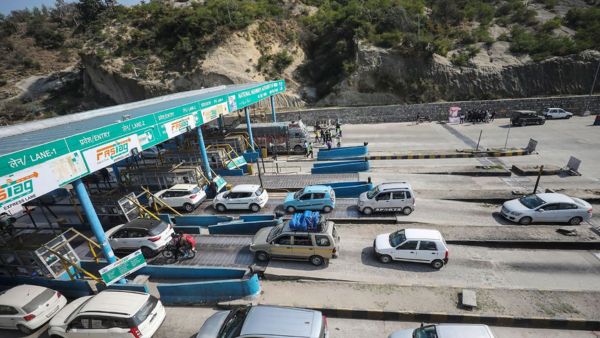
SBI redesigned FASTag aims to boost travel efficiency with quicker vehicle identification and streamlined toll payments, ensuring faster journeys for millions. The State Bank of India (SBI) has unveiled a refreshed design for its FASTag, aiming to cut down on travel times for passengers. This redesign, tailored for a specific vehicle class, is geared towards accelerating vehicle identification and optimizing toll collection processes, ultimately improving efficiency for millions of commuters across India. What is SBI FASTag? SBI FASTag is a convenient electronic device that utilizes radio frequency identification (RFID) technology to facilitate toll payments, either directly or through a prepaid account linked to a bank. Once affixed to a vehicle’s windshield, drivers can pass through toll plazas without needing to stop for manual payments. These tags are available for purchase through authorized providers. If linked to a prepaid account, users must ensure the balance is topped up as needed. The latest FASTag design focuses on Class 4 vehicles, such as cars, jeeps, and vans. This update is intended to simplify toll collection even further, ensuring quicker transactions and reduced travel times. Who can benefit from SBI FASTag? The newly designed FASTag, specifically crafted for Class 4 vehicles, brings multiple advantages. It allows for quicker vehicle identification, minimizes the risk of incorrect toll charges, and facilitates seamless toll payments without the need to stop at plazas, significantly reducing overall travel time.

Read more

London’s pod taxis set to operate in Bandra-Kurla Complex soon

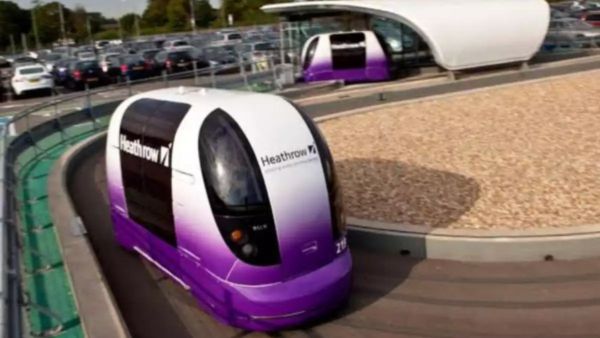
As per the latest reports, Mumbai’s Bandra-Kurla Complex (BKC) is all set to introduce London-style pod taxis, which will in every way revolutionise the concept of urban transport in the city. If reports are to go by, Sai Green Mobility, in collaboration with Ultra PRT, the developers behind Heathrow Airport's pod taxi system, will be implementing this project. The service would run 21 pod taxis along a 3.9-kilometer route, connecting Bandra and Kurla train stations to BKC's parking spaces. Once operational, this modern transport system is intended to drastically reduce travel time while also addressing congestion issues in one of Mumbai's biggest business districts. After the Mumbai Metropolitan Region Development Authority (MMRDA) conducted a comprehensive techno-economic feasibility study to assess BKC’s topography and traffic challenges, the project was given a green light. The initiative aims to improve last-mile connectivity and offer a faster, more efficient mode of transport for daily commuters. As of now, the condition is such that anybody travelling between these points remains stuck in the traffic jam for long hours, and unfortunately, there is no way out. In most instances, people often end up spending up to 45 minutes on short journeys. However, with the introduction of the new pod taxis, it’s expected that this will help people in avoiding traffic jams, and make their commute smoother and quicker. As regarding the fares, it has been reported that it was decided after fare surveys were done of auto-rickshaw and bus riders. Currently, auto-rickshaw costs are INR 15.33 per kilometre, while shared autos cost INR 30 to INT 40 each passenger to travel between the said points. Metered taxis charge INR 18.67 per kilometre, whereas ridesharing services frequently use dynamic pricing. The pod taxi technology will provide people a competitive and efficient alternative on this route. The program has received backing from prominent leaders, including Maharashtra Chief Minister Eknath Shinde, who described it as a model for future urban transport projects in India. In addition to its corporate appeal, BKC will transform into a leisure and entertainment option, with attractions such as the Nita Mukesh Ambani Cultural Centre (NMACC) and Jio World Drive. The pod taxis will improve the visitor experience by providing seamless and efficient transportation. Set to be completed in three years, this pod taxi project marks a significant leap forward in Mumbai’s efforts to modernise its transportation infrastructure.

Read more

Ziro Music Festival 2024: Everything you need to know

The Ziro Music Festival is one of India’s most sought-after music festivals, attracting music lovers from across the country and beyond. Set amidst the breathtaking hills of Arunachal Pradesh, this event takes place in the picturesque town of Ziro, known for its scenic beauty and vibrant local culture. The festival offers a perfect blend of indie music, cultural immersion, and adventure, making it an experience worth traveling for. When is the Ziro Music Festival happening this year? This year, the Ziro Music Festival is scheduled to take place from September 26 to 29. This four-day musical extravaganza is not just about the performances but also about the atmosphere, camaraderie, and the chance to explore one of India’s most beautiful regions. India is experiencing extended monsoon this year, so it would be wise to keep yourself updated about the festival dates. How much are the tickets? The ticket prices for the Ziro Music Festival vary depending on how long you want to be part of the musical journey. The Four-day festival pass will cost you INR 8,500; the Day 1 (26th Sept) will cost INR 2,600; the Day 2 (27th Sept) will cost you INR 3,500; Day 3 (28th Sept) pass will cost you INR 3,500; and Day 4 (29th Sept) pass will also cost INR 3,500. If you’re planning to immerse yourself fully in the festival, the four-day pass offers the best value. However, if you're short on time, individual day passes are available too. It's important to note that the ticket prices only cover entry to the festival and do not include food or accommodation. Permits Required to Visit Arunachal Pradesh Because Arunachal Pradesh is a border state (border with China), it automatically falls under a restricted area. Both Indians and foreigners are required to obtain special permits. - Indians: An Inner Line Permit (ILP) is required. - Foreigners: A Protected Area Permit (PAP) is mandatory. You can apply for these permits online via the official website or visit the Arunachal Bhawan at various locations, including New Delhi, Shillong, Guwahati, and more. Remember that the permit is valid for 30 days and cannot be extended, so plan your travel dates accordingly. Ziro is located around 2.5 hours from Itanagar city and approximately 3.5 hours from Donyi Polo Airport. The most convenient way to reach Ziro is by taking a shared jeep from Itanagar, which provides a cost-effective and relatively comfortable journey through the scenic landscapes of Arunachal Pradesh. If you’re arriving directly at Donyi Polo Airport, cabs are readily available to take you to the festival site. What to expect at Ziro Music Festival The best thing to do is to just be there at the event. The music festival will do the rest. It's all about celebrating music in the midst of nature. The lineup is great each year. The festival goers get to listen to the best of indie artists, folk musicians, and international acts. Beyond music, there’s food and local Apatani culture to explore, there's a lot of unspoilt nature for you to appreciate, and support the cultural workshops and art installations while you are there. If you are someone who is looking for ways to usher in the autumn season, we suggest you do that with music and adventure, and Ziro is that perfect destination for that. We have explored how and why you should attend the Ziro Music Festival. So why don't you just grab your tickets, get your permits ready, and prepare for four days of musical extravaganza?

Read more

Top 10 countries offering best quality of life in 2024

The Quality of Life Index by Country 2024 research provides insights into the changing global living conditions. In an increasingly interconnected world, both residents and nations highlight and recognise the importance of improving quality of life. Although traditional economic measurements such as GDP are crucial parameters, in this fast-paced world, many other aspects such as healthcare, safety, and social amenities also have a big impact on quality of life and where people choose to live. Needless to say, the quality of daily life is critical, as it ultimately influences the nature of individuals and their experiences. The concept of quality of life is multidimensional, encompassing both objective and subjective factors. According to the United Nations, about 232 million people worldwide migrate in search of better living conditions. InterNations published the Expat Insider 2024 report earlier this year, highlighting nations with the best living conditions for expats. Notably, European countries top the list, followed by two from the Middle East and three from Asia. So, the top 10 countries that managed to get a spot in this list are: Spain Austria UAE Qatar Luxembourg Japan Portugal Denmark Singapore South Korea For the third year in a row, Spain has taken the top spot in the 2024 Quality of Life Index. It is a well-liked option for expatriates due to its recreational options, easily accessible healthcare, and reasonably priced public transit. India managed to grab the second to last out of all the listed countries with a Quality of Life Index, and ranked 52nd. Although it fared well in the healthcare subcategory, India is facing serious problems with air quality that has negatively affected its total ranking. However, the cost and availability of healthcare in India are usually appreciated by foreigners, which helped the country to score extra points.

Read more

Port Blair gets renamed as ‘Sri Vijaya Puram’ to shed colonial legacy

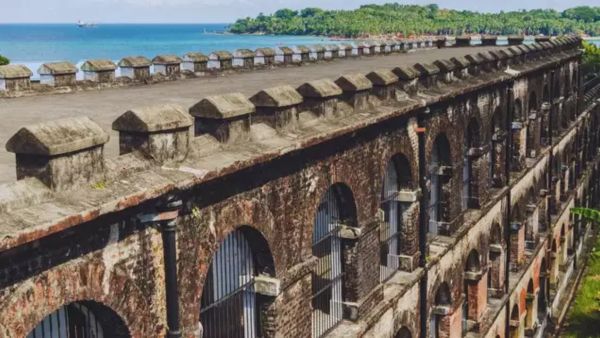
Union Home Minister Amit Shah on Friday announced that Port Blair, the capital of the Andaman and Nicobar Islands, will now be known as "Sri Vijaya Puram." This name change is part of a broader effort by the Indian government to honour the country's freedom struggle and erase colonial imprints. Union Home Minister Amit Shah, on X (formerly Twitter) explained the rationale behind the decision: “Inspired by the vision of Prime Minister Narendra Modi ji, to free the nation from colonial imprints, today we have decided to rename Port Blair as Sri Vijaya Puram. While the earlier name had colonial legacy, Sri Vijaya Puram symbolises the victory achieved in our freedom struggle and the Andaman and Nicobar Islands' unique role in it.” The Andaman and Nicobar Islands hold a prominent place in India’s fight for independence. It was once a naval base for the Chola Empire and later became a critical location during India’s struggle for freedom. “It is also the place that hosted the first unfurling of our Tiranga by Netaji Subhash Chandra Bose ji. And also the cellular jail where Veer Savarkar ji and other freedom fighters struggled for an independent nation,” Shah added. Renaming Port Blair to Sri Vijaya Puram is not just symbolic. The Andaman and Nicobar Islands are central to India’s defence and development strategies, particularly given their strategic location in the Indian Ocean. Shah emphasised that the renaming reflects a vision for a modern India that acknowledges its past while planning for future growth and security. The name "Sri Vijaya Puram" itself pays homage to the ancient Sri Vijaya Empire, which held influence over the region. This is not the first time a name change has taken place in the region. Earlier in January, on the occasion of Parakram Diwas, Prime Minister Narendra Modi renamed 21 large unnamed islands in the Andaman and Nicobar region after Param Vir Chakra awardees. PM Modi also unveiled the model of a National Memorial dedicated to Netaji Subhash Chandra Bose, to be built on Netaji Subhas Chandra Bose Dweep, formerly known as Ross Island.

Read more

Iran Tourism Board Wraps Up Successful Indian Roadshow Tour

The Iran Tourism Board wraps up a successful roadshow in India, highlighting Iran’s rich culture and travel opportunities across Mumbai, Hyderabad, and New Delhi. The Iran Tourism Board has wrapped up a successful roadshow across three major Indian cities, aiming to showcase Iran’s rich cultural heritage and diverse travel opportunities. The tour began in Mumbai on September 10th, moved to Hyderabad on September 12th, and concluded in New Delhi. The roadshow featured key Iranian figures, including Aliasghar Shalbafian Hosseinabadi, Deputy of Tourism at the Iran Cultural Heritage, Handicrafts, and Tourism Ministry; Moslem Shojaee, Director General for International Tourism Promotion; H.E. Mofidifar, Acting Consul General of Iran in Mumbai; and Rahul Narwekar, Speaker of the Maharashtra Legislative Assembly. Their presence underscored the importance of strengthening tourism relations between the two nations. The primary goal of the roadshow was to enhance business connections between Iranian and Indian tourism professionals. It provided a platform for 11 Iranian hoteliers and travel agents to explore business opportunities and present a range of tourism packages. The event also involved collaborations with prominent Indian organizations like MTOA, TAAI, TAFI, and IATO to increase Iran’s visibility in the Indian market. H.E. Mofidifar emphasized the strategic significance of the Chabahar Port project, highlighting its role in regional trade and connectivity. He urged the Indian public to explore Iran beyond media portrayals, promoting direct engagement and travel as a means to experience the country’s authentic offerings. India has become a significant source of international tourists for Iran, with over 58,000 Indian visitors in 2023, marking a 31% increase from the previous year. This growing interest reflects the strengthening ties between the two countries, as noted by Narwekar, who recalled the successful visit of an Iranian MP delegation last year.

Read more