
Jammu And Kashmir Eyes Tourism Growth with World Bank Collaborating on Knowledge Partnership
- Sep 14,2024
- Travel And Tour World
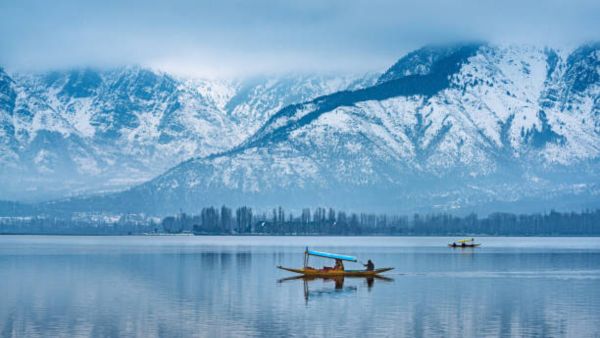
Chief Secretary Atal Dulloo convened a final meeting today with the World Bank delegation to discuss future plans for developing new tourist destinations in Jammu & Kashmir and promoting the region’s handicrafts sector. During the conclusion of their four-day visit, the World Bank team presented various recommendations for the proposed projects, based on their observations from visits to multiple tourist spots and handicraft units across Kashmir. It was mutually decided that the World Bank will serve primarily as a Knowledge Partner in the development of new tourist destinations and the promotion of the handicrafts industry. The meeting also touched on the need for project funding, with a request to extend the World Bank-funded Jhelum Tawi Flood Recovery Project (JTFRP) by an additional year. Chief Secretary expressed gratitude to the World Bank team for their visit and the technical expertise they provided, reaffirming the important role the World Bank will play as a Knowledge Partner in both tourism development and handicraft promotion. The World Bank delegation, while summarizing their visit, reiterated their commitment to sustainability and support for Jammu & Kashmir’s new initiatives aimed at improving the management of tourist locations. They emphasized the need for a strategic vision in tourism development, advocating for the creation of Tourism Destination Spatial Plans to ensure well-organized growth. Among other discussions, the team highlighted the importance of sustainable indicators, particularly regarding the maintenance and upkeep of tourist resorts. The meeting also addressed the necessity of involving the private sector in investing in tourism infrastructure, streamlining government processes to facilitate business operations, and fostering a clean-green tourism brand. Senior officials from the World Bank, the Ministry of Tourism (Government of India), and various departments of Jammu & Kashmir, including Finance, Tourism, JKTDC, and Handicrafts & Handloom, attended the meeting.
Read more
Bali Tourism Leaders Push for Innovative Certification Program
- Sep 14,2024
- Travel And Tour World
Denpasar, prominent tourism organizations in Bali have voiced strong support for the development of a certification program aimed at improving the quality of experiences at the island’s top attractions. The Indonesian Recreational Park Business Association (PUTRI) has expressed a need for establishing new standards to ensure safety, industry cohesion, and, most importantly, high-quality experiences for tourists. The Chairman of the Bali Restaurant and Hotels Association and former Deputy Governor of Bali, endorsed the proposal for a certification program. He emphasized that such a program would help tourists better assess the quality of attractions, hotels, restaurants, and other facilities on the island. Addressing Quality Discrepancies Cok Ace highlighted the rapid growth of Bali’s tourism sector, which has led to a noticeable variation in the quality of experiences available. He pointed out that the expanding range of tourism activities necessitates a certification process to ensure consistency in safety and quality across different providers. It was noted that while Bali has traditionally focused on cultural, natural, and artificial attractions, the rise of social-environmental attractions—such as festivals, selfie stations, and rice terrace swings—requires a distinct approach. There are challenges of ensuring quality and safety in this new category of attractions. He argued that the presence of high-end hotels and restaurants is rendered meaningless if the overall tourism experience is compromised. For instance, he described a scenario where a tourist could be injured, such as being bitten by a dog during a village walk, and stressed that such incidents could severely damage the island’s tourism image. He pointed out that the integration of safety measures and quality standards is crucial to maintaining the reputation of Bali’s tourism sector. Need for Comprehensive Certification It was seen that Bali’s tourism activities span multiple regions, including Tabanan, Gianyar, Bangli, and Buleleng, in addition to the more prominent Badung Regency, which features popular resorts like Uluwatu, Canggu, Seminyak, and Nusa Dua. Despite this diversity, a comprehensive certification program is still lacking. Inda Trimafo Yuma, the Head of PUTRI Bali, underscored the necessity of certification for nature-based tourism activities such as rafting, swings, and ATV tours. Yuma stressed that without certification, these activities could pose significant safety risks. She highlighted that ensuring tourism safety is paramount and urged that businesses offering these services should not compromise on quality. Ongoing Efforts and Impact on Tourism PUTRI Bali has been actively lobbying the Indonesian Ministry of Tourism and Creative Economies for over two years to establish a quality verification process. The anticipated certification program is expected to aid tourists in planning their visits, booking activities, and ensuring the quality of their experiences. Currently, tourists largely depend on online information, travel guides, blogs, and fellow travelers’ reviews to gauge the quality of their chosen experiences. However, safety and quality concerns have been a recurring issue among tourists, with numerous reports of accidents and injuries at various attractions. Such incidents have occurred in rafting experiences, ATV tours, adventure play centers, cultural sites, and coastal viewpoints. Additionally, the safety standards of Bali’s fast boat services, which connect the main island with the Nusa and Gili Islands, have been frequently criticized following incidents of capsizing, fires, and injuries. PUTRI’s Proposal for Safety and Quality Certification In response to these concerns, PUTRI has offered its expertise and resources to the Indonesian Ministry of Tourism to develop, implement, and manage a safety and quality certification program. This initiative aims to enhance the overall tourist experience in Bali by establishing clear standards and ensuring that attractions meet rigorous safety and quality criteria.
Read more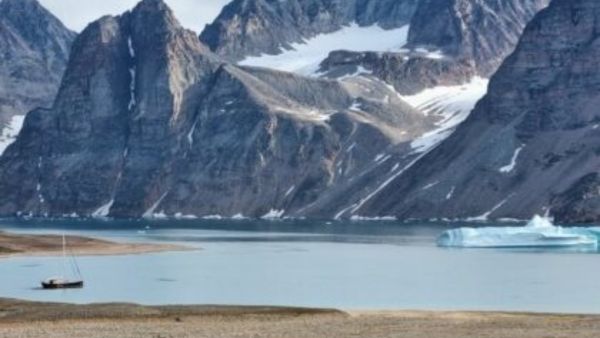
Greenland, Morocco, Serbia, and Georgia Embrace Tourism Growth to Boost Travel Industry
- Sep 13,2024
- Travel And Tour World
As overtourism continues to strain the travel infrastructure and ecosystems of popular destinations like Spain, Japan, and Greece, a new wave of countries is stepping up to capitalize on the growing demand for off-the-beaten-path travel experiences. Nations such as Greenland, Morocco, Serbia, and Georgia are positioning themselves as appealing alternatives for international tourists seeking unique adventures, authentic cultural experiences, and sustainable tourism practices. While Spain, Japan, and Greece continue to see high numbers of visitors, sometimes to the detriment of their environments and cultural sites, Greenland, Morocco, Serbia, and Georgia are embracing the opportunity to grow their tourism sectors and boost their economies without the heavy footprint that overtourism brings. These countries are leveraging their natural landscapes, historical significance, and cultural richness to attract travelers eager to explore new, less crowded destinations. Greenland: A Remote Adventure Destination on the Rise In recent years, Greenland has become a beacon for tourists seeking solitude, unspoiled wilderness, and a taste of adventure far from the bustling crowds of traditional European destinations. The world’s largest island, known for its icy fjords, vast glaciers, and breathtaking auroras, has experienced a surge in tourism as travelers search for pristine and remote locations. Greenland’s tourism authorities have focused on promoting adventure travel and ecotourism, capitalizing on the island’s dramatic natural beauty and unique culture. Activities such as hiking, kayaking, dog sledding, and iceberg tours are major draws, while Greenland’s indigenous culture and traditions offer travelers a chance to connect with a distinct way of life. Morocco: Blending Culture, History, and Modernity Morocco has long been a favorite destination for European travelers, but in recent years, the country has expanded its tourism offerings to appeal to a broader global audience. From the bustling souks of Marrakech to the Sahara’s golden sand dunes and the towering Atlas Mountains, Morocco offers visitors an incredible array of landscapes and cultural experiences. Morocco’s tourism officials have strategically positioned the country as an exotic yet accessible destination for travelers looking for an immersive experience in Arabian culture. Key to this success is Morocco’s focus on its rich heritage, from the medieval cities of Fez and Chefchaouen to its famed riad architecture and Berber traditions. Serbia: The Hidden Gem of the Balkans After years of being off the radar for most international tourists, Serbia is now emerging as a hidden gem of the Balkans, offering a wealth of historical and cultural attractions as well as beautiful natural landscapes. With its rich history, diverse architecture, and stunning mountains, Serbia is well-positioned to attract visitors looking for an authentic European experience without the overcrowding found in more popular destinations. Belgrade, Serbia’s vibrant capital, is a city that combines history and modernity, offering visitors a lively nightlife scene, riverside cafes, and historic sites such as the Kalemegdan Fortress. Meanwhile, smaller cities like Novi Sad and the picturesque town of Nis provide travelers with opportunities to explore Serbia’s cultural and architectural heritage. Georgia: A Crossroads of History and Nature Georgia, located at the crossroads of Europe and Asia, is rapidly becoming a must-visit destination for those seeking a blend of history, nature, and authentic experiences. With its dramatic mountain landscapes, historic cities, and renowned wine culture, Georgia is capturing the attention of tourists who want something different from the well-trodden paths of Western Europe. Tbilisi, Georgia’s capital, is a city steeped in history, with its ancient fortresses, cobblestone streets, and thermal baths providing a glimpse into the country’s rich cultural heritage. Beyond the capital, travelers are drawn to the Caucasus Mountains, which offer world-class opportunities for hiking, skiing, and mountaineering. The region of Svaneti, with its UNESCO-listed stone towers and alpine villages, is particularly popular with adventure travelers. As overtourism continues to be a pressing issue in popular destinations like Spain, Japan, and Greece, emerging countries like Greenland, Morocco, Serbia, and Georgia are stepping in to offer travelers new and exciting experiences. These nations are focusing on sustainable tourism, ensuring that their natural and cultural resources are protected while also providing economic opportunities for local communities. With their diverse landscapes, rich histories, and unique cultures, these destinations are becoming increasingly popular with travelers seeking alternatives to the overcrowded hotspots. By promoting sustainable tourism and offering authentic experiences, Greenland, Morocco, Serbia, and Georgia are well-positioned to grow their tourism industries while avoiding the negative impacts of overtourism. As the global travel industry continues to evolve, these emerging destinations provide a glimpse of the future of tourism—one that balances growth with sustainability and offers travelers a chance to explore the world in a more meaningful way.
Read more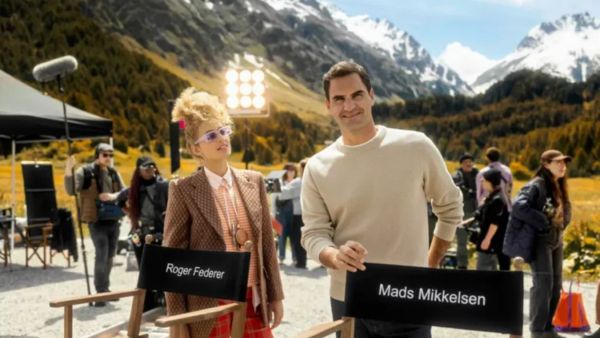
Federer Showcases Swiss Beauty in New Tourism Campaign
- Sep 13,2024
- Travel And Tour World
Roger Federer has joined forces with Switzerland Tourism once again to promote the country’s autumn season, this time alongside Danish actor Mads Mikkelsen. In what is being touted as the largest autumn campaign in Swiss tourism history, Federer and Mikkelsen are at the forefront, showcasing the beauty of Switzerland during this underappreciated season. The campaign video humorously follows the duo as they try to create an advertisement highlighting the many wonders of Swiss autumn. Federer previously worked with actor Anne Hathaway to promote self-drive holidays and with comedian Trevor Noah to highlight the Grand Train Tour of Switzerland. In this latest campaign, Mikkelsen is seen engaging with nature—hugging trees, practicing barefoot yoga, and taking a refreshing plunge into a mountain lake. “The intensity of Mads’ performance impressed me. He’s incredibly focused and has a great personality. In short, he’s an outstanding actor,” Federer commented. Switzerland Tourism is known for promoting its winter and summer seasons, but with this new campaign, the aim is to spotlight the beauty and appeal of visiting the country during autumn. André Hefti, Chief Marketing Officer of Switzerland Tourism, explained: “This collaboration with Roger Federer and Mads Mikkelsen perfectly embodies our vision for autumn in Switzerland—where nature, elegance, and tradition come together.” He also noted that due to climate changes, autumn now lasts 12 days longer than it did in 1970. As a result, Switzerland is becoming increasingly popular at this time of year, and hotels are adapting by staying open longer to meet the growing demand.
Read more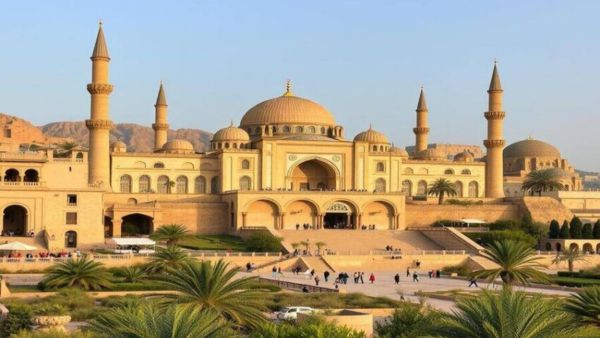
Travel Industry in The Middle East Predicted to Exceed $127 Billion by 2027
- Sep 13,2024
- Travel And Tour World
The Middle East travel sector is set for a remarkable trajectory, with a forecasted 40% growth through 2027, pushing bookings past $127 billion, according to a recent report. This optimistic outlook is fueled by significant investments in travel infrastructure and rising consumer demand, as detailed in the latest report by Insight Out Consultancy, a premier hospitality consulting firm. Insight Out has collaborated once again with Phocuswright, the leading authority in global travel research, to produce the annual Middle East Travel Market Report. Key highlights from the report reveal a 13% increase in travel gross bookings for 2023, significantly outpacing the region’s GDP growth by a factor of five. The UAE continues to lead the market, with an impressive $44.5 billion in gross bookings, marking a 12% increase from the previous year. United Arab Emirates: In 2023, the UAE solidified its position as the dominant player in the Middle East travel market, achieving $44.5 billion in gross bookings—a 12% increase from the previous year. This growth was driven by strategic investments in airline routes, hotels, and attractions, supported by the nation’s advanced tourism infrastructure. The hotel sector saw a 16% increase in bookings, while the aviation industry, led by Emirates and Etihad, experienced robust revenue growth. The rise of Online Travel Agencies (OTAs) further propelled the sector, with anticipated growth into 2024. Despite facing challenges such as fluctuating demand and increasing competition from Saudi Arabia and Qatar, the UAE’s emphasis on innovation, sustainability, and tourism diversification ensures continued expansion. Saudi Arabia: Saudi Arabia’s travel sector surged in 2023, reaching $17 billion in gross bookings—a 16% year-over-year increase. This growth was driven by heightened domestic travel and inbound tourism, supported by significant projects like the Red Sea Project, Neom City, and AlUla. The hospitality sector saw increases in occupancy rates, average daily rates, and revenue per available room. Under its Vision 2030 initiative, Saudi Arabia is rapidly enhancing its tourism infrastructure, including a plan to triple hotel room inventory by 2030 and investing in aviation with the upcoming launch of Riyadh Air. Qatar: Leveraging the global attention from the FIFA World Cup 2022, Qatar’s travel industry grew in 2023, with gross bookings approaching $16 billion, an 8% increase from the previous year. The country built on the momentum from the World Cup and Qatar Airways’ expansion to attract more visitors. The hotel sector diversified its offerings, from luxury to budget accommodations, while car rentals gained popularity as travelers explored beyond Doha. Qatar’s future tourism strategy focuses on diversifying offerings, developing cultural and ecotourism attractions, and using technology to enhance travel experiences, ensuring sustained growth despite seasonal challenges. Egypt: Egypt’s tourism industry exceeded expectations in 2023, attracting 14.9 million visitors and surpassing pre-pandemic revenue levels in local currency. This success is attributed to effective safety measures, strategic marketing, and a global surge in travel demand. Despite challenges such as currency devaluation, geopolitical tensions, and economic fluctuations, Egypt’s tourism sector remains resilient, with a 63% increase in gross bookings in local currency. The government aims to attract 30 million tourists by 2028 through expanding eco-friendly practices, diversifying accommodations, and enhancing infrastructure. With over 15 years of experience in the Middle East travel and hospitality industry, Insight Out Consultancy provides in-depth research and insights. Their data-driven approach supports the sector’s evolution and has assisted numerous private and public organizations, including Amadeus, Jumeirah, Seera, and various GCC tourism bodies. The Phocuswright report offers a comprehensive analysis of the Middle East travel market, including market sizing, future projections, distribution trends, and insights into key travel segments such as air travel, hotels, and car rentals, with a focus on the UAE, KSA, Egypt, and Qatar.
Read more
Southern Railway Officially Launches Exclusive Advance Pongal 2025 Bookings starting from Today
- Sep 13,2024
- Travel And Tour World
Southern Railway has revealed that advance train ticket reservations for the 2025 Pongal festival season will commence on September 12. This early booking system is designed to enhance passenger convenience and reduce the rush typically seen during this festive period. With the goal of ensuring a smoother experience, tickets will be available 120 days in advance, giving travelers ample time to plan their journeys. Passengers planning to travel on January 10 can begin booking their tickets on September 12. Those intending to travel on January 11 can secure their reservations starting September 13, and tickets for January 12 will be available from September 14. This staggered release of bookings helps manage the high demand that comes with festival travel. During the Diwali and Pongal festivals, over 600,000 people travel from Chennai to their hometowns each year, making this one of the busiest travel periods. To accommodate the surge, Southern Railway has implemented this advance booking strategy to help passengers avoid the stress of last-minute arrangements. Travelers can book their tickets either through the IRCTC website or by visiting designated ticket reservation centers, ensuring easy access to reservations for all.
Read more