

How Indians travel decoded: Kazakhstan, Azerbaijan, Bhutan new favorites
- Sep 04,2024
- Business Standard
Destinations such as the UAE, Thailand, and the USA top the chart that Indians love to travel to, with Kazakhstan, Azerbaijan, and Bhutan leading the emerging destinations chart. United Kingdom was the most travelled to destination for students, followed by Australia & Germany. Maximum students travelled from Maharashtra, Karnataka & Tamil Nadu. More Indians are taking trips to international destinations, with a 32% growth in people taking 2 or more trips in a year. The top ten most searched countries remain the same as 2023, contributing to 64% of all international searches on the platform. Maharashtra, Karnataka and Delhi lead the charts for international travel searches. UK, Australia and Germany are the most popular student destinations. Emerging Hotspots -There has been a 70% increase in the combined search volume for the top 10 emerging destinations. Almaty and Baku have seen phenomenal growth rates of 527% and 395%, respectively. The overall contribution of searches for emerging destinations on our platform has increased from 10% to 14%, indicating that Indians are exploring newer global destinations. Almaty, Baku & Hong Kong have grown the maximum in searches amongst emerging destinations. Colombo, Kuala Lumpur, Kathmandu & Bali are being considered for trips with a renewed vigour. Combined contribution of these emerging destinations has gone up from 10% to 14% over the last year . Business Class not just for Business - Interest in luxury travel is rising among Indians, with a 10% growth in searches for business class flights in the international segment. Hong Kong shows the highest growth with a 131% increase in searches followed by Sri Lanka, Japan, Saudi Arabia, and Malaysia. Luxury vs. Budget: Indian Travelers’ Hotel Choices – While Indians are on the lookout for pocket friendly experiences, close to 50% of international hotel bookings fall in the above INR 7,000 per night tariff bracket. With New York being the most expensive place to book a hotel, South Asian destinations such as Pokhara, Pattaya, and Kuala Lumpur emerge as the top destinations for budget-friendly stay options. Travellers from Karnataka, Telangana, Maharashtra, Delhi and Haryana spend the most on premium hotel bookings In contrast, travellers from Punjab, West Bengal, Gujarat, and Tamil Nadu show a higher preference for budget hotels Homestays and Villas on the Rise - Searches for homestays and villas have surged by 42%. Bali, Dubai and Singapore make for the highest share of searches for homestays and villas, while cities like Interlaken, Kuala Lumpur, Paris, Amsterdam, and Rome are also leading this trend, showing maximum growth in search volumes. Love for flexibility, assurance, and extra baggage – Japan, Europe, the USA, and South Korea are the top destinations where Indians opted for Zero Cancellation for flight bookings. The UAE, Thailand, Europe, and the USA, on the other hand, had the highest share of travellers purchasing travel insurance. Indians also have a preference for additional baggage – travellers from Rajasthan booked the most extra baggage, followed by those from Tamil Nadu and West Bengal. Additionally, Europe, the UAE, Singapore, and the USA, saw the highest share of travellers opting for Visa Rejection Full Refund.
Read more
Delhi to Dehradun in just 2.5 hours with new expressway opening soon
- Sep 04,2024
- Times Of India
Exciting developments are underway for those frequently travelling between Delhi and Dehradun. As per the reports, by December 2024, you might be able to complete the journey between these two cities in just 2.5 hours, thanks to the upcoming Delhi-Dehradun Expressway. With regard to this, the National Highways Authority of India (NHAI) has announced its plans to open the expressway by the end of this year, a development recently communicated to Prime Minister Narendra Modi by road transport ministry officials. While the expressway is set to offer a faster route to Dehradun, the link connecting the expressway to Haridwar is expected to be completed by May 2025. During a recent meeting, Prime Minister Modi instructed the ministry to ensure that the project stays on track and is completed on time. According to sources, all land-related issues have been resolved, and the NHAI has committed to complete the remaining work on the expressway within the next four months. However, the Haridwar link, an addition to the original project, will require an additional five months for completion. Once this expressway becomes operational, travel time from Akshardham in Delhi to Dehradun will be reduced to approximately 2.5 hours from the current six hours. Also, the journey from Delhi to Haridwar will also be shortened to about two hours. The project includes notable features such as Asia's longest elevated wildlife corridor (12 km) and an animal underpass, designed to minimise man-animal conflicts in the Rajaji National Park and Shiwalik Reserve forest areas. If reports are to go by, the first leg of the expressway, from Akshardham to the Eastern Peripheral Expressway (EPE) interchange, will likely be operational by November this year. This section will pass through several Delhi neighborhoods and parts of Uttar Pradesh, promising to ease daily traffic congestion. The expressway will feature seven entry points for vehicles traveling from Delhi to Uttar Pradesh, including Geeta Colony, Akshardham, and Sonia Vihar, among others. Exits will be available at Sonia Vihar, Khajuri Chowk, and Vijay Vihar. This ambitious infrastructure project promises to transform travel in the region, and allow commuters to save time and enjoy improved connectivity.
Read more
The Netherlands announces visa-free travel to 191 countries
- Sep 03,2024
- Travel And Tour World
The Netherlands has recently made headlines by allowing its citizens visa-free travel to 191 countries, a policy that positions the Dutch passport as one of the most powerful in the world, as of August 2024 Henley Passport Index report. This landmark decision is expected to have far-reaching implications for the nation’s airlines, economy, and hospitality sector, particularly in the context of the global travel industry. Visa-Free Access to 191 Countries: A Global Passport Powerhouse The Netherlands’ decision to grant visa-free access to 191 countries marks a significant milestone, placing it at the top of the Henley Passport Index. The Henley Passport Index is a global ranking of countries according to the travel freedom enjoyed by their citizens. The list of 191 countries that Dutch citizens can visit without a visa includes major international destinations across continents, thereby enhancing the mobility of Dutch travelers. Hospitality Industry Set for a Boom The hospitality industry in the Netherlands is expected to experience a significant positive impact from the visa-free travel policy. Major hotel chains, including NH Hotels, CitizenM, and Van der Valk Hotels, are likely to see an increase in occupancy rates as more international tourists flock to the Netherlands. The visa-free travel policy will make the Netherlands an even more attractive destination for international conferences, events, and leisure travel. This is expected to result in higher demand for hotel accommodations, conference facilities, and other hospitality services. Major cities such as Amsterdam, Rotterdam, and The Hague are likely to benefit the most, with an increase in both leisure and business travelers. The rise in tourist numbers will also stimulate the growth of the hospitality industry in other parts of the country, including popular tourist destinations such as Utrecht, Maastricht, and the Dutch countryside. This will lead to increased investment in new hotel projects, as well as the expansion and renovation of existing properties. A New Era of Travel Freedom for the Netherlands The Netherlands’ decision to allow visa-free travel to 191 countries marks the beginning of a new era of travel freedom for its citizens. This policy is expected to bring about significant benefits for the Dutch aviation, economic, and hospitality sectors, positioning the Netherlands as a key player in the global travel industry. As Dutch citizens enjoy greater travel freedom, and the country welcomes more international tourists, the Netherlands is poised to experience an economic surge that will contribute to its continued growth and prosperity. With the support of strong airlines like KLM and Transavia, and a thriving hospitality industry, the Netherlands is set to reap the rewards of its new visa-free travel policy.
Read more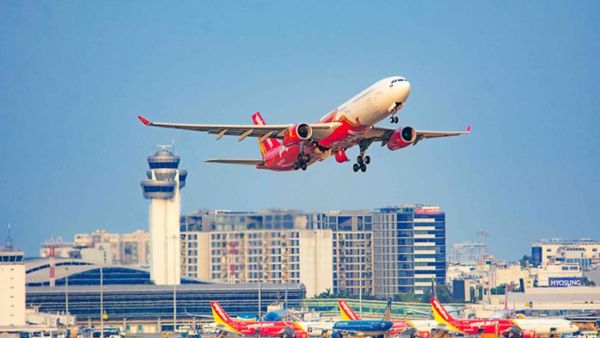
Viet Jet Connecting India To Vietnam Create Travel Boom Among Indian Tourists
- Sep 03,2024
- Travel And Tour World
VietJet, one of Asia’s fastest-growing airlines, has recently celebrated a significant milestone—serving 200 million passengers since its inception. This remarkable achievement underscores the airline’s rapid expansion and commitment to providing affordable and accessible air travel to millions of passengers worldwide. To commemorate this occasion, VietJet has launched a special promotion exclusively for Indian travelers, offering a 20% discount on Eco tickets for bookings made before September 15, 2024. This promotion is part of VietJet’s broader strategy to strengthen its presence in the Indian market and foster greater connectivity between India and Vietnam. The 20% Discount Offer: A Limited-Time Promotion To mark the milestone of 200 million passengers, VietJet is offering a 20% discount on Eco tickets, excluding taxes and fees. This special promotion is available to Indian travelers who book their tickets through VietJet’s official website or mobile apps. To avail of the discount, passengers must enter the promotional code VJ200 at the time of booking. The promotion runs from now until September 15, 2024, and applies to flights scheduled between now and November 15, 2024. This offer provides a fantastic opportunity for travelers to explore VietJet’s extensive network of destinations at a reduced fare, making it more affordable to experience the beauty and diversity of Vietnam and beyond. Expanding Connectivity Between Vietnam and India In recent years, VietJet has significantly expanded its operations in India, establishing a robust network that connects Vietnam to several key Indian cities. Currently, the airline operates 29 weekly round-trip flights between Vietnam and India, offering direct connections from New Delhi, Mumbai, Ahmedabad, and Kochi to major Vietnamese cities such as Hanoi, Ho Chi Minh City, and Da Nang. This expansion reflects VietJet’s commitment to fostering closer ties between Vietnam and India, not only through business and tourism but also by promoting cultural exchange. The airline’s modern fleet, dedicated crew, and attractive promotions tailored to Indian customers have played a crucial role in establishing VietJet as a preferred carrier for travelers between the two countries. “Love Connection Phase 2 – Dreams Take Flight India” Campaign As part of its efforts to strengthen cultural ties and support talent, VietJet recently launched the “Love Connection Phase 2 – Dreams Take Flight India” campaign. This initiative offers 50 lucky individuals from India the chance to pursue their passions in Vietnam by providing return tickets to the country. Running from August 20 to December 15, 2024, the program is designed to encourage Indians to explore a “new me” by immersing themselves in Vietnam’s vibrant arts, culture, and culinary heritage. The “Love Connection” campaign highlights VietJet’s dedication to promoting cultural exchange and supporting the dreams of young people from India. By offering these opportunities, VietJet aims to create lasting connections between the two countries, fostering mutual understanding and appreciation of each other’s cultures. As VietJet celebrates the milestone of serving 200 million passengers, the airline continues to demonstrate its commitment to providing affordable and accessible air travel to a global audience. The 20% discount promotion for Indian travelers is just one example of how VietJet is working to make international travel more accessible to a broader range of passengers. With its ongoing expansion into new markets and the introduction of innovative campaigns like “Love Connection Phase 2 – Dreams Take Flight India,” VietJet is well-positioned to continue its growth and solidify its reputation as a leading global airline. Travelers around the world can look forward to more exciting opportunities to explore new destinations with VietJet, all while enjoying the airline’s commitment to safety, service, and affordability.
Read more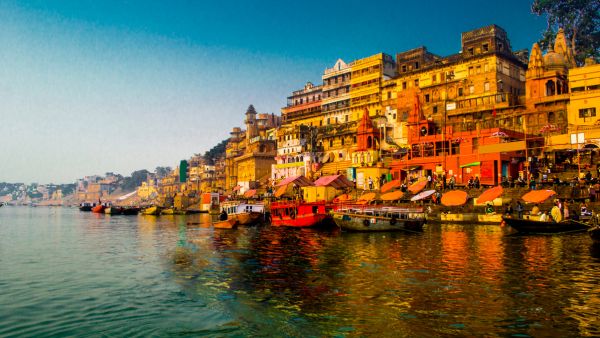
India’s Tourism Sector Poised For Major Growth, Aiming For Global Top 10
- Sep 03,2024
- Travel And Tour World
India is set to become a top 10 global tourist destination within five years, with tourism’s contribution to the economy expected to rise above 10%. India is poised for a significant leap in global tourism, as Union Tourism and Culture Minister Gajendra Singh Shekhawat has stated that the country is set to join the ranks of the top 10 tourist destinations worldwide within the next five years. This goal reflects the government’s commitment to enhancing India’s appeal to international travelers. The minister emphasized the importance of the tourism sector to India’s economic growth, projecting a substantial increase in its contribution to the national GDP. Currently accounting for 7.9% of the economy, the tourism sector is expected to surpass 10% in the near future, marking a crucial milestone in India’s development. These developments signal a bright future for India’s tourism industry, as strategic initiatives and investments are anticipated to drive this growth. The government’s focus on expanding and modernizing tourism infrastructure, coupled with efforts to promote India’s rich cultural heritage, positions the country to attract a larger share of the global tourism market.
Read more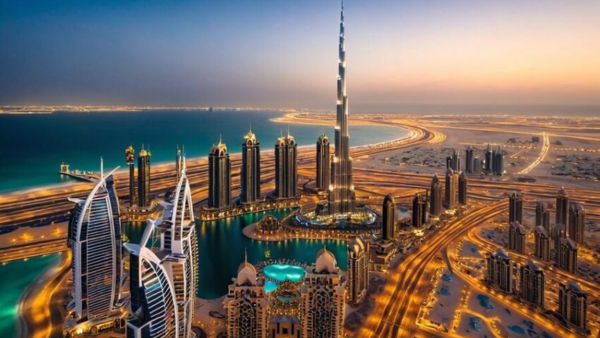
Travel Industry to Get A Major Boost from Uzbekistan and Dubai’s New Alliance
- Sep 03,2024
- Travel And Tour World
Dubai experienced a landmark year in 2023, welcoming 17.15 million international tourists to the Emirates, a trend expected to continue in 2024. Between January and June this year, the city attracted 9.31 million foreign visitors, marking a 9 percent increase compared to the same period last year. The Dubai Department of Economy and Tourism reported unprecedented visitor numbers in 2023, with a notable surge in tourists from Uzbekistan. The summer of 2023 saw an 81 percent increase in visitors from Uzbekistan compared to the same season in 2022, and a remarkable 160 percent increase compared to the summer of 2019. This upward trend continues in 2024, with an 8 percent rise in Uzbekistan visitors during the first quarter compared to the previous year. This growth is fueled by Dubai’s expanding appeal and the robust development of its tourism sector. The introduction of direct flights between Dubai, Tashkent, and Samarkand has further solidified connections between these cities. Uzbekistan is emerging as a significant and promising market for Dubai, reflecting the steady increase in Uzbek tourists visiting the Emirates. The ease of travel, with direct flights and no visa requirements, has made Dubai an accessible destination for Uzbekistan citizens. The city’s unique cultural experiences, attractions, and high-quality services make it a magnet for tourists. Dubai is committed to offering visitors an unforgettable, comfortable, and safe holiday experience. Dubai’s exceptional tourism achievements have garnered global recognition. In 2024, the city was ranked number one in the Tripadvisor Travelers’ Choice Awards for the third consecutive year. With an array of new attractions and events drawing tourists from around the globe, Dubai continues to cement its status as a premier destination for leisure and entertainment. A recent milestone is the opening of the world’s first Real Madrid theme park at Dubai Parks and Resorts, a collaboration between DET and Real Madrid that was formalized in October last year. This partnership not only opens new avenues for both organizations but also aligns with Dubai’s D33 economic ambitions. Additionally, over 100 hotels in Dubai are participating in a special “Kids Go Free” promotion this summer, where children under 12 can stay, dine, and enjoy city attractions at no cost. The Dubai Summer Surprises shopping festival, running from June 28 to September 1, offers visitors and residents extraordinary discounts, exclusive deals, and cultural events. The winter shopping festival takes place from December 13 to January 19, providing a vibrant shopping experience during the cooler months.
Read more