

Vietnam proposes visa waivers to boost tourism
- Jul 24,2024
- Times Of India
In a bid to boost tourism, Vietnam’s Prime Minister Pham Minh Chinh has proposed visa waivers for several nations. The PM has instructed the ministries of public security and foreign affairs to explore this initiative, aiming to enhance Vietnam's attraction as a travel destination amidst tough competition in Southeast Asia. During a recent meeting with Vietnamese representatives abroad, Prime Minister Chinh emphasised the importance of streamlining visa procedures. He urged collaboration between ministries to waive visas for tourists from selected countries, thereby facilitating easier travel to Vietnam. "The Ministry of Public Security, in coordination with the Ministry of Foreign Affairs, should consider visa waivers for several countries," stated Prime Minister Chinh. This move aligns with Vietnam's broader goal of increasing competitiveness in the global tourism market. As of now, Vietnam offers visa exemptions to travelers from 25 countries, which is comparatively lower than its regional peers. For instance, Malaysia and Singapore provide visa-free access to citizens from 162 countries, the Philippines to 157, and Thailand to 93. Vietnam's initiative comes as neighboring countries like Thailand expand their visa-free policies and Indonesia plans to introduce visa-free travel to new destinations by October. Vietnam presently grants a three-month tourist visa to citizens of all countries and territories. Since August 2023, it has extended visa-free stays to 45 days for citizens of 13 countries, including popular sources of tourists like Germany, France, Italy, Spain, the UK, Russia, Japan, South Korea, and several Nordic nations. Despite welcoming 8.8 million international visitors in the first half of 2024, a 4% decline from pre-pandemic levels, Vietnam aims to attract 18 million international tourists by year-end. While specific countries for potential visa waivers have not been disclosed, Vietnam's proactive stance underscores its commitment to revitalizing its tourism sector and attracting more foreign visitors. Stakeholders and travel enthusiasts await further developments from the Ministries of Public Security and Foreign Affairs eagerly. Vietnam tourism offers a captivating blend of cultural heritage, scenic landscapes, and vibrant cities. From the ancient charm of Hoi An's lantern-lit streets to the breathtaking Halong Bay and bustling Ho Chi Minh City, Vietnam entices travelers with its rich history, delicious cuisine, and warm hospitality.
Read more
Budget 2024: Travel industry experts share their insights and expectations
- Jul 24,2024
- Times Of India
On July 23, Finance Minister Nirmala Sitharaman made history by presenting her seventh consecutive Union Budget for the fiscal year 2024-25. This unprecedented achievement surpasses the record previously held by former Prime Minister Morarji Desai, who delivered six consecutive budgets between 1959 and 1964. The budget is anticipated to address a wide array of needs across various sectors, including travel and tourism. As the industry awaits the detailed implications, key figures from the travel sector have shared their expectations and reactions to the new fiscal proposals. Abhishek Goyal, Executive Director of Aeroprime Group, expressed optimism about the budget's impact on domestic tourism. "We are highly encouraged by the 2024 budget's focus on enhancing domestic tourism through improved infrastructure and connectivity. These reforms are poised to revitalize the cargo and logistics sector. This initiative aligns perfectly with our commitment to driving growth and innovation in the aviation and logistics industries. We look forward to the positive ripple effects this will have on the economy and our industry," he stated. His comments highlight the anticipated benefits of infrastructure improvements and their potential to stimulate the broader travel and logistics sectors. Vishal Kamat, Executive Director of Kamat Hotels India Limited and Chairman of CII Maharashtra State, highlighted the budget's employment-oriented approach and its potential impact on the hospitality industry. "The 2024 budget is notably employment-oriented, addressing the needs of various workforce segments, from those starting from scratch to those in mid and lower-level positions. The adjustments in income tax will provide additional income, bridging the gap between employers and employees' capabilities, which will significantly benefit the workforce," Kamat explained. He also praised the budget's focus on temple tourism, citing the positive effects of similar initiatives on local economies. "The emphasis on temple tourism in the budget is commendable. We have witnessed the grassroots impact of such initiatives, benefiting everyone from tea vendors to local grocers when we recently opened our first Ira by Orchid Hotels in Ayodhya. Expanding these efforts to other sacred sites like Kashi Vishwanath and Ayodhya can help uplift entire communities, ensuring that every individual in these holy regions reaps the benefits," he added. Shreya Anand, Director of Pacific Hospitality, lauded the government's focus on tourism and infrastructure development. "The Union Budget 2024-25 presents a promising outlook for the hospitality sector, with a focus on boosting tourism and enhancing the overall travel experience. The government's emphasis on infrastructure development, simplification of tax policies, and initiatives to promote cultural and heritage tourism are expected to drive growth and create new opportunities for the sector. As we navigate the intricacies of this fiscal blueprint, it's clear that strategic agility and adaptability will be paramount. With a keen eye on innovation and growth, we must harness the opportunities presented by this budget to propel our organization forward. By doing so, we'll not only mitigate potential challenges but also unlock new avenues for success and sustainable progress,” she remarked. ‘We welcome the government's efforts to support the industry and look forward to working together to achieve the vision of making India a leading tourist destination," added Shreya. Somesh Agarwal, Chairman and MD at Radisson Blu Palace Resort & Spa, Udaipur, emphasized the budget's positive implications for the tourism and hospitality sectors. He stated, "This year’s Union Budget 2024-2025 comes as a ray of hope and relief for the hospitality and tourism sectors. Tourism has always been an integral part and driver of the hospitality industry. It’s encouraging to see the government’s focus on positioning India as a global tourist destination. This was required considering India’s growing popularity as a tourist hub. The strong fiscal support announced in the budget will undoubtedly unlock new economic opportunities for the sector. Additionally, under the government’s Viksit Bharat Vision, the substantial CAPEX allocation of Rs. 11,11,111 crore for infrastructure, accounting for 3.4% of GDP, stands as a testament to their commitment to robust infrastructure development over the next five years. Moreover, Phase IV of the PMGSY will be launched in the future, providing all-weather connectivity to 25,000 rural habitations.” He further mentioned, “Such reforms will be pivotal to enhancing connectivity and infrastructure, making destinations like Udaipur even more accessible and attractive to tourists from around the world. We look forward to leveraging these developments to provide our guests with unparalleled experiences. We hope and expect to attract a diverse array of tourists, enriching their travel experiences while contributing to the growth of the Indian tourism industry in the times to come." Sandeep Arora, Director of Brightsun Travel, India, also highlighted the budget's focus on spiritual tourism. "We welcome the 2024 budget, especially the focus on boosting spiritual tourism which not only honours the country’s rich cultural heritage but also opens up new avenues for travel and tourism. The special focus on Bihar and Odisha will see extensive development and promotion of religious and historical sites such as Bodh Gaya, Rajgir, and Nalanda. Odisha also has great potential as a destination for religious and beach tourism. The new initiatives to improve infrastructure and connectivity in these offbeat destinations will attract both domestic and international tourists, offering a much-needed boost to the local economy," Arora commented. Overall, the 2024 budget is poised to drive significant growth and transformation within the travel and tourism sectors. With a strong focus on infrastructure development, cultural tourism, and employment generation, the budget addresses key industry needs and sets the stage for a revitalized and dynamic sector.
Read more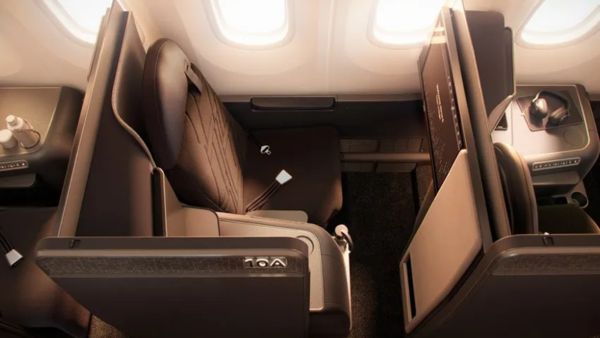
Korean Air orders 50 aircraft and launches new business class
- Jul 23,2024
- Business Travel News Europe
Korean Air has agreed to purchase 50 new Boeing aircraft, as well as launching a new business class on long-haul aircraft. The airline's order includes 20 Boeing 777-9 aircraft, 20 Boeing 787-10 aircraft and an option for 10 more 787-10s. The value of the deal was not disclosed. The aircraft's "capability of long-haul flights to regions such as North America and Europe are expected to play an important role after Korean Air's merger with Asiana Airlines," according to Korean Air. The US is the lone remaining market among 14 regulatory authorities needed to approve the merger with Asiana, but Korean Air CEO Walter Cho said last month that he expected US approval by October 2024. Korean Air has also announced the delivery of its first Boeing 787-10 Dreamliner, which will operate between Seoul Incheon and Tokyo Narita airports from 25 July. In addition, the aircraft will debut the carrier's new "Prestige Suites 2.0" business class product, which "prioritises passenger privacy”. Each of the 36 business seats is "independent" and has aisle access with an open top, and each fully reclines into a bed. The seat length has been extended to 78 inches, with a seat pitch of 46 inches and width of 21 inches, according to Korean Air. Each seat also offers dedicated compartments for personal items, 60W "ultrafast" USB-C charging and wireless charging. The 289 economy class seats will be in a 3-3-3 configuration with a recline of up to 120 degrees, seat pitch of 32 inches and width of 17.2 inches.
Read more
India’s Travel Industry Eyes Growth and Innovation in Upcoming Modi Government’s Budget
- Jul 23,2024
- Travel And Tour World
As the budget session under Modi’s third term approaches, the India travel and tourism sector is filled with anticipation. The February 2024 interim budget laid out an encouraging framework, boosting allocations for the tourism ministry and signaling a strong commitment to advancing this sector. Anticipated Developments in the Budget: Expectations are high for the upcoming budget to build upon these preliminary steps, aiming to invigorate local economies and attract more tourists, both domestic and international. This is part of a broader strategy to establish India as a leading global tourist destination, fostering significant growth, employment, and international collaborations. “The anticipation surrounding the upcoming budget under Modi 3.0 highlights the potential for transformative changes in India’s travel and tourism industry. The focus on enhancing infrastructure, improving connectivity, and introducing financial incentives is expected to drive significant growth. These measures could position India as a premier global tourist destination, fostering economic development, job creation, and increased international collaboration. It’s an exciting time for stakeholders who are optimistic about the strategic investments that could shape the future of tourism in India.” says Mr. Anup Kumar Keshan (TTW Editor in Chief) Detailed Categories: Infrastructure Status and Policy Regularization: Infrastructure Advancements: Assigning infrastructure status to the tourism sector could revolutionize access to financing, enabling comprehensive development of tourism projects. Policy Stability: Regularizing policies would create a stable and predictable environment, facilitating business operations and potentially decentralizing tourist traffic from traditional hotspots to lesser-known regions. Budget: Enhancing Connectivity and Digital Infrastructure: Physical Connectivity: Plans to expand air, rail, and port connectivity could transform the accessibility of travel within India, making it easier and more appealing for both local and international tourists. Digital Integration: Enhancing digital infrastructure is crucial for modern travel dynamics, aiming to streamline travel experiences and integrate remote destinations into the broader tourism network. With the first budget of Modi’s new government post-Lok Sabha elections on the horizon, the travel and tourism sector is optimistic about the potential for strategic investments that could elevate India’s position on the global tourism map. The anticipation for strategic, sustainable advancements is palpable among stakeholders, who are hopeful for a budget that supports extensive development in infrastructure, digital innovations, and tax reforms to make India a top global travel destination.
Read more
How Business Travel Boom to Continue Boosting Tourism Industry Globally
- Jul 23,2024
- Travel And Tour World
Business travel spending is set to soar, reaching $1.48 trillion by 2024, with significant growth across North America, Europe, Asia Pacific, and Latin America. The business travel sector has demonstrated remarkable resilience as it transitions from the challenges of the global pandemic into a period of post-pandemic stabilization. Projections for 2024 indicate that global business travel spending will reach an impressive $1.48 trillion USD by the end of the year, surpassing the previous record of $1.43 trillion set in 2019. Furthermore, forecasts suggest that by 2028, spending in this sector will exceed $2.0 trillion, underscoring a robust and promising future. This resurgence is being fueled by a combination of global economic stability and a pent-up demand for travel. These factors have provided the necessary confidence for CEOs and CFOs to reinstate business travel for their teams. Notably, numerous leading business travel markets worldwide have either returned to or are approaching pre-pandemic activity levels, further reinforcing the recovery momentum and boosting overall spending. Nonetheless, the outlook for economic and business travel growth presents a mix of potential opportunities and risks. These insights are drawn from the latest 2024 GBTA Business Travel Index Outlook – Annual Global Report and Forecast (GBTA BTI™), published by the Global Business Travel Association (GBTA) with support from Visa. The findings were unveiled at the GBTA Convention 2024 in Atlanta, attended by over 5,300 participants. This 16th edition of the GBTA BTI™ offers a comprehensive forecast of business travel spending and growth, covering 72 countries and 44 industries. It also incorporates survey data and analysis from 4,100 business travelers across five global regions, providing valuable insights into employee travel preferences, behaviors, and spending patterns. “We are witnessing the expected rebound in the sector, reflecting the resilience and adaptability of businesses and the value of business travel worldwide,” said Suzanne Neufang, CEO of GBTA. “With projected spending expected to continue to increase through 2028, the future of business travel looks promising. However, we must remain vigilant and adaptive to potential headwinds in this period of stabilization, as factors such as changing economic conditions, technological advancements and sustainability developments will also shape the sector ahead.” Global business travel spending is expected to rise by 11.1% in 2024, building on the significant growth seen in 2022 and 2023, which experienced year-over-year increases of 30% to 47%. Moving forward, growth is projected to moderate gradually, with an annual compound growth rate of 6.95% from 2025 to 2028. In 2023, the business travel industry managed to recover approximately $675 billion of the $770 billion lost in 2020, according to the GBTA BTI™ analysis, achieving 93% of the pre-pandemic peak of $1.43 trillion by the end of the year. The sector witnessed a substantial resurgence, with spending increasing by 30% compared to 2022, reaching $1.3 trillion. Business travel spending is forecasted to rebound to its pre-pandemic level of $1.48 trillion in 2024, driven by more favorable economic conditions than initially expected in 2022 and 2023. However, it is crucial to note that, when adjusted for inflation, these spending levels are expected to fall short of pre-pandemic highs, indicating that the volume of business travel may remain below pre-pandemic levels in the near term. About GBTA The Global Business Travel Association (GBTA) is the world’s premier business travel and meetings trade organization, headquartered in the Washington, D.C. area, serving stakeholders across six continents. Representing and advocating for the $1.357 trillion global business travel and meetings industry, GBTA and its 8,000+ members deliver world-class education, events, research, advocacy, and media to a network of over 28,000 travel professionals and 125,000 active contacts. GBTA mission is to equip members with the knowledge and resources necessary to navigate the rapidly changing business travel landscape, resulting in improved managed travel programs, top-line business growth, and exemplary careers. We achieve this through: Events: Organizing premier industry events for networking and learning. Professional Development: Offering programs and certifications to advance careers. Research & Industry Tools: Providing insights and tools to stay ahead in the industry. GBTA News: Delivering the latest industry news and updates. Leadership and Team: Leading with a dedicated team of industry experts. Work at GBTA: Creating a dynamic and rewarding work environment.
Read more
Air travel demand normalises after Covid boom, customers back to basics
- Jul 23,2024
- Business Standard
Demand for air travel has normalised after a years-long boom following the COVID-19 pandemic as holidaymakers and travellers baulk at higher fares, executives at major airlines said at the Farnborough Airshow on Monday. Guliz Ozturk, CEO of Turkey's low-cost Pegasus Airlines, said the airline expected yields - a measure of average fare paid per mile by each passenger - to be flat as customers go "back to basics". Travellers are looking for the most cost effective way to travel, she said. "We have started seeing the normalisation of demand. What does it mean? I mean, the demand is there, but now the travellers are looking for, as before the pandemic, for the most affordable, the lowest, the best price for their travel," she said. Air India CEO Campbell Wilson said he expected the international market to moderate for the next six months, while the CEO of BA-owner IAG, Luis Gallego, said business travel was still recovering from the COVID crisis when travel almost ground to a halt with borders shut and planes grounded. The comments come after Ryanair reported earlier on Monday a bigger than expected drop in quarterly profit as fares plunged 15%, with management saying that ticket prices were continuing to deteriorate. Some European airlines reported weaker than expected first quarter results, with their cost struggles set to carry over into second quarter results too. Lufthansa cut its profit target for the second time this year earlier this month. Gallego said demand was still strong for flights within Europe, but yields were under pressure, which was reflected in the Ryanair results. Supply-chain woes The executives lamented ongoing delivery delays from planemakers Airbus and Boeing, as well as supply chain constraints. Production slots at the two dominant planemakers are sold out for many years, resulting in long wait times for airlines wishing to replace and grow their fleets. For Pegasus, which has laid out an ambitious growth trajectory but said it would not sign any plane orders at the air show this week, Ozturk said better coordination and communication with Airbus on delays would help with planning. "Even a two, three week (delay) for a July aircraft is so critical for an airline, and they (Airbus) have to overcome this in a way, optimise the processes," Ozturk said. In India, there's so much appetite for growth that Air India is robbing its own aircrafts for parts to keep other planes flying. "We have 30 aircraft on the ground for want of spare parts," Wilson said, adding that he expected plane delivery delays to last a "good couple of years." Darren Hulst, Boeing's vice president of commercial marketing, acknowledged that the manufacturer must to do better by its customers. "There's no doubt we've disappointed our customers, and we've disappointed them, you know, over and over again, in many cases," Hulst said, referring to delivery delays. "We need to create that stability so that we can provide not just a quality airplane, but a quality airplane when we tell our customers that it's going to be delivered," he added.
Read more