
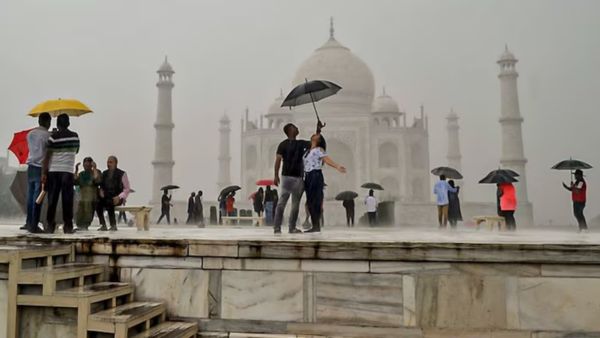
Travel industry pins hopes on more measures to drive domestic tourism
- Jul 23,2024
- Money Control
The tourism sector in India is rapidly expanding, with India being ranked 39th in the World Economic Forum's Travel and Tourism Development Index (TTDI) 2024, the recently released Economic Survey 2023-24 noted. In the post-pandemic period, India's travel and tourism sector has shown strong signs of revival with foreign tourist arrivals (FTAs), one of the laggards in this space, showing signs of growth, the survey added. The industry recorded over 92 lakh foreign tourist arrivals in 2023, clocking a 43.5 percent year-on-year (YoY) increase. Initiatives like 'Swadesh Darshan" and infrastructure development at tourist destinations can increase domestic tourism, potentially impacting the sector by Rs 10,000-15,000 crore, pointed out Balasubramanian A, Senior VP at TeamLease Services. "This could lead to significant job creation in hotels, restaurants, transportation, and other tourism-related services." The government must create awareness about less-visited places for tourism purposes to reduce the excess burden of tourists at already popular places, said Rama Mahendru- Country General Manager- India, Intrepid Travel. He added that inbound international travel has grown in the last decade in India and has huge potential. "It will get a further boost with the support of the upcoming budget that prioritises the necessities, such as hygienic public spaces and increased security awareness, to guarantee that foreign guests have a great time." Balasubramanian noted that simplified visa processes and targeted marketing campaigns can attract more foreign tourists, potentially doubling tourist arrivals within five years. The travel industry is hoping for infrastructure status, rationalisation in Goods and Services Tax, modifications to Leave Travel Allowance (LTA), and incentives to boost local destinations from Budget 2025. The World Travel & Tourism Council (WTTC) 2024 projects that travel and tourism will contribute almost Rs 21.15 trillion to the India’s GDP in 2024, 21 percent above 2019 levels. With jobs predicted to increase by 2.45 million this year, this represents one in every 11 jobs in the country. To transform India into a destination of choice, Madhavan Menon, Executive Chairman, Thomas Cook (India) Limited (Thomas Cook, SOTC, Sterling Holidays and TCI) said, Leave Travel Allowance (LTA) exemption annually, against twice in four years will catalyse domestic tourism. The interim budget of February 2024 had already set a positive roadmap, with substantial increases in budgetary allocations for the tourism ministry, highlighting a clear focus on enhancing tourism infrastructure. This approach aims to boost domestic tourism and create new job opportunities, said Nishant Pitti, CEO and Co-Founder, EaseMyTrip. Shikhar Aggarwal, Joint Managing Director of BLS International Services Limited said that the past few years have underscored travel and hospitality sector's resilience and adaptability. "We are optimistic about the sector's potential. We firmly believe that strategic government support is crucial to fully harnessing this potential," he said.
Read more
How did the Singapore passport become more powerful than the US passport?
- Jul 23,2024
- Times Of India
As of 2024, the Singapore passport offers visa-free or visa-on-arrival access to 195 countries, a remarkable achievement that registers its status as the world's strongest passport. This extraordinary level of travel freedom is the result of several key factors that contribute to the passport's unparalleled global mobility and prestige. Read on to know more about these factors. Do diplomatic relationships really play any role in rankings? The Henley Passport Index ranks the world’s passports based on the number of destinations their holders can access without needing a visa. A passport scores 1 point for each destination that allows visa-free entry, a visitor’s permit, visa on arrival, or an electronic travel authority (ETA). It’s pertinent to note here that diplomatic relationships significantly impact these rankings. Over the past decade, Singapore has managed to strengthen its diplomatic ties, resulting in visa-free access to 25 additional destinations, whereas the United States has seen a decline, and managed to gain access to less number of destinations as compared to its counterpart during the same period. Unmatched global mobility The Singapore passport provides its holders with the ability to travel to 195 countries without the need for a visa or by obtaining one upon arrival. This extensive access allows Singaporean citizens to travel with ease for business, leisure, and educational purposes. The convenience of traveling without the need for prior visa arrangements significantly enhances the overall travel experience and reduces the barriers to international movement. Robust economic foundations Singapore's strong economic foundation is a crucial factor in the power of its passport. The country is recognized as a major global financial hub with a high GDP per capita and a resilient economy. This economic stability instills confidence in other nations, making them more willing to grant visa-free access to Singaporean travelers. The perception of Singaporeans as affluent and responsible travelers further enhances their acceptance in countries worldwide. Exceptional diplomatic relations Singapore’s strategic and robust diplomatic efforts significantly bolster its passport's power. The country maintains positive relationships with nations across the globe, participating actively in international organizations and fostering bilateral and multilateral cooperation. These diplomatic ties lead to reciprocal visa agreements, enhancing the ease of travel for Singaporean passport holders. Advanced security features The Singapore passport incorporates cutting-edge security features, including biometric data and sophisticated encryption technologies. These advancements prevent forgery and misuse, ensuring the document's integrity. The high level of security reassures other countries about the authenticity of Singaporean passports, facilitating smoother entry processes for their holders.
Read more
Spain Seeks Sustainable Tourism: Barcelona & Mallorca Test New Strategies
- Jul 22,2024
- Travel And Tour World
Barcelona’s New Tourist Tax In a bid to manage the influx of tourists, Mayor of Barcelona, Jaume Collboni, announced plans to increase the tourist tax for cruise passengers staying in the city for less than 12 hours. This move aims to mitigate the negative impact of short-term visitors on the city. “We are going to propose substantially increasing the tax for stopover cruise passengers,” Collboni told El Pais newspaper. The current tax stands at €7 ($7.61) per day, but Collboni did not specify the new rate. His rationale is clear: “In the case of stopover cruise passengers, there is intensive use of public space without any benefit for the city and a feeling of occupation and saturation.” This announcement follows recent protests in Barcelona, where demonstrators, chanting “Tourists go home,” sprayed visitors with water, highlighting the local discontent with mass tourism. Fewer, Higher-Paying Tourists Wanted Barcelona hosted approximately 3.6 million cruise passengers last year, the highest number reported by Statista. The city is also set to ban apartment rentals to tourists by 2028 and has introduced other tourist taxes to curb the surge. Fresh Protests in Mallorca Meanwhile, anti-tourism activists in Mallorca, another popular Spanish holiday destination, are calling for fewer tourists but those who are willing to spend more money. Recent demonstrations in Palma de Mallorca saw around 10,000 people protesting against the excesses of mass tourism under slogans like “Enough is Enough!” and “Mallorca Is Not for Sale!” Tourism is crucial for Mallorca, contributing to 45% of the island’s economic output. However, many locals argue that only a minority benefit from the industry, while the majority face poorly paid jobs, housing shortages, traffic jams, noise, and pollution. The push for a visitor cap aims to address these issues and promote sustainable tourism. Activists are planning more protests to draw attention to their cause. The Bigger Picture Spain welcomed a record 85.1 million international tourists in 2023, underscoring the country’s popularity as a travel destination. However, the challenges posed by mass tourism are prompting authorities to implement measures to balance economic benefits with the well-being of local communities. Both Barcelona and Mallorca are at the forefront of a broader movement in Spain to manage tourism more sustainably. By increasing tourist taxes and capping visitor numbers, these cities hope to create a more balanced and respectful relationship between tourists and locals.
Read more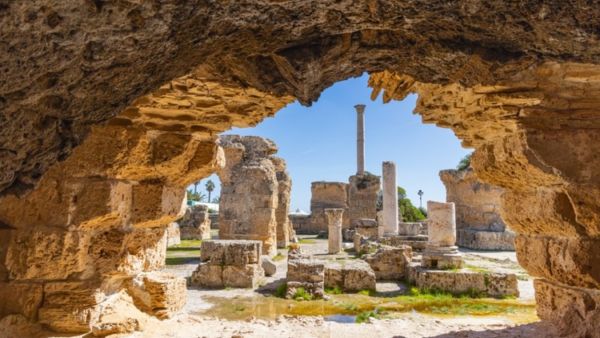
Tunisian Beaches Beckon as Tourism Booms After Years of Challenges
- Jul 22,2024
- Travel And Tour World
Despite various crises, the Tunisian tourism industry has shown remarkable resilience, with Algerian tourists being the largest group of foreign visitors. The COVID-19 pandemic heavily impacted Tunisia’s tourism sector, but it experienced a significant recovery in 2023. Approximately 8.8 million foreign tourists visited the country, marking a 50% increase compared to the previous year and surpassing the 2019 level of 8.7 million visitors. This surge generated revenues of 6.7 billion Tunisian dinars, nearly 2 billion euros. Authorities are optimistic for 2024, with the Tunisian National Tourist Office (ONTT) forecasting 9.6 million visitors. As of May 31, foreign exchange inflows from the Tunisian tourism sector have increased by 7.9%, and the number of tourists has risen by 6%. The tourism authority welcomes Tunisia’s strong return to European markets, particularly in Eastern Europe, Armenia, Moldova, Romania, Germany, and Italy. Despite ongoing war in Ukraine and resulting flight disruptions affecting prices, many Russians continue to visit Tunisia. Notably, the largest group of foreign visitors comes from neighboring Algeria. In 2023, 2.7 million Algerians visited Tunisia, making up nearly one-third of the total tourists. From January 1 to July 10, 2024, over 1.4 million Algerians traveled to Tunisia for tourism, according to Foued Eloued, the Tunisian National Tourist Office representative in Algeria. Additionally, Libya, another neighboring country, provided the second-largest number of visitors in 2023, with 2.1 million visitors. France remains a significant source of tourists for Tunisia. However, there has been a decline since the outbreak of the Gaza war on October 7. The president of the Tunisian Federation of Travel and Tourism Agencies (FTAV) states that Tunisia offers better value for money compared to many other destinations, including Greece, France, Spain, Morocco, and Egypt.
Read more
Travel Like a Pro: 7 Hot Trends Shaping Your 2024 Adventures
- Jul 22,2024
- Travel And Tour World
1. More People Traveling Alone A survey by American Express revealed that 69% of travelers plan solo trips this year. Notably, 76% of Gen Z and Millennials are open to traveling alone. Social media activity among solo travelers has surged, with an increase in posts featuring solo adventures. Google searches for “solo travel” have risen by 223% over the past decade, underscoring this growing Hot Trends. Solo travelers often seek to focus on self-care, with 66% planning trips to treat themselves. The #solotravel hashtag has been used over 9 million times on Instagram, reflecting the shift in travel preferences. This trend highlights the appeal of independence and personalized experiences. 2. Desire for Local Experiences The “experience economy” is becoming increasingly significant in the travel industry. Travelers are moving away from traditional sightseeing and seeking unique, once-in-a-lifetime experiences. Airbnb leads this trend with its Experiences feature, offering around 50,000 locally hosted adventures. Camping and glamping trips are also popular for those wanting to experience local culture. 3. Accelerated Adoption of Travel Technology The pandemic has accelerated the adoption of technology in the travel sector. A McKinsey survey indicated that companies have advanced their customer and supply-chain interactions. Hotels, airlines, and booking sites increasingly use chatbots and facial recognition technology for enhanced customer service. United Airlines introduced an “Agent on Demand” service, allowing travelers to video chat with a customer service representative by scanning a QR code. 4. Blending Business and Leisure Travel The trend of combining business and leisure travel, or “bleisure,” is on the rise. The number of digital nomads in the U.S. has reached nearly 17 million. Over 50% of travelers extend their business trips for personal enjoyment. Hotels are catering to this trend by providing quiet workspaces for locals and travelers alike. 5. Commitment to Sustainability More than half of U.S. travelers believe there should be more options for sustainable travel. A survey by Exodus Travels found that 91% of travelers see the importance of ethical trips, with 56% preferring to buy souvenirs from local merchants and 44% wanting to support local businesses. High-net-worth consumers are willing to pay up to 40% more for sustainable travel options. Most travelers are willing to pay around 10-20% extra for vacations that prioritize sustainability. 6. Younger Travelers Seeking Exotic Destinations A McKinsey study revealed a generational gap in travel preferences. Gen Z and Millennials are equally likely to book international and domestic trips, while Boomers and Gen X prefer domestic travel. Younger travelers seek fun and novel experiences, while older travelers prioritize quality time with family. 7. Increasing AI Adoption AI continues to be a significant trend in the travel industry. Generative AI platforms like ChatGPT are expected to impact the industry in real-time. Travel executives see promise in AI for enhancing operations, personalization, advanced segmentation, and customer service. AI can create personalized travel itineraries, predict future demand for destinations, and handle common customer requests.
Read more
Untapped Charm of Kasol: Awaiting the Return of Israeli Tourists
- Jul 22,2024
- Travel And Tour World
Kasol, an eco-friendly resort built in the traditional Kathkunia style, is nestled among pine forests by the Parvati River. Known as ‘mini Israel,’ the recent decrease in its Jewish and Israeli community since the Gaza war outbreak has profoundly impacted this Himalayan village’s economy. A Unique Cultural Hub Kasol, fondly called “mini Israel,” and Dharamkot, known as the “Tel Aviv of the hills,” are Indian villages in Himachal Pradesh’s serene Parvati Valley. These villages have long welcomed young Israeli tourists, especially those who have just completed their military service. They have become a haven for these travelers seeking solace, adventure, and a slice of home far from the arid landscapes of Israel. However, the ongoing conflict in Israel has cast a long shadow over this vibrant cultural exchange, leaving Kasol and its residents in a state of yearning and anticipation. The once frequent Hebrew chatter in cafes and the familiar faces in the Parvati valley are now missed. A Historical Bond The bond between Kasol and Israel dates back to the 1980s, when young Israelis, after completing their mandatory military service, discovered the tranquil beauty of the Himalayas. Drawn by the spiritual ambiance, affordable living costs, and the promise of relaxation, these tourists transformed Kasol into a thriving hub of Israeli culture. Hebrew songs, Israeli cuisine, and a unique blend of Indian and Israeli lifestyles became common sights and sounds in Kasol. The Impact of Conflict Since the outbreak of the Gaza war, many Israeli citizens temporarily residing in India have been called back to join the IDF. This has led to a marked drop in the size of the Jewish and Israeli community in Kasol, profoundly impacting the local economy and culture. Cafes and restaurants that once bustled with Hebrew chatter now stand quiet. The small Chabad house, a cornerstone for evening gatherings and prayers, now barely sees any attendants. The annual community feast for Rosh Hashanah, a cherished tradition, was not celebrated last year in Kasol, marking a stark departure from the vibrant festivities of the past. Economic Ramifications The economic ramifications of this decline are palpable. Local businesses that thrived on the patronage of Israeli tourists are struggling to stay afloat. Even larger enterprises, such as the Hyatt Hotel, established with the influx of Israeli visitors in mind, are feeling the strain. The once-booming trade and tourism that sustained Kasol’s economy have come to a standstill, affecting not just the livelihoods of the villagers but also the cultural fabric that bound the two communities together. Dharamkot Faces Similar Challenges The situation in Dharamkot mirrors that of Kasol. The Gaddi shepherd community, which had embraced the influx of Israeli tourists and even learned Hebrew to communicate better, now faces an uncertain future. The cafes, yoga centers, and gift shops that once thrived on Israeli patronage are witnessing dwindling numbers. The departure of Israeli tourists has left a void that is hard to fill, both economically and culturally. A Pause in Cultural Exchange The broader implications of this situation extend beyond the immediate economic impact. The cultural exchange between India and Israel, fostered through these small villages, has been a testament to the power of tourism in bridging diverse communities. The intermingling of Israeli and Indian cultures in Kasol and Dharamkot has created a unique blend that has enriched both societies. The current pause in this exchange is a stark reminder of how geopolitical conflicts can disrupt even the most harmonious of cross-cultural interactions. Hope for Peace and Stability As the world watches the unfolding events in Israel, there is a collective hope for peace and stability. The residents of Kasol and Dharamkot yearn for the return of their Israeli friends, whose presence has become an integral part of their lives. The cultural symbiosis that flourished in these villages is a testament to the enduring friendship between India and Israel. It is a relationship built on mutual respect, shared experiences, and a deep appreciation for each other’s cultures.
Read more