
Lufthansa offers new concessions on ITA Airways deal
- Jun 19,2024
- Business Travel News Europe
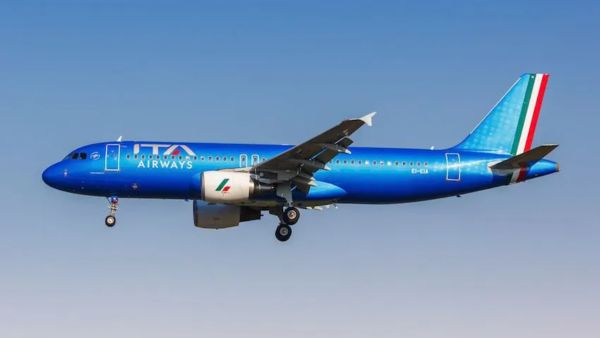
Lufthansa Group has offered a new round of concessions to the EU on its acquisition of ITA Airways, according to multiple media reports. European competition regulators are currently assessing whether Lufthansa’s deal to buy the Italian carrier, which was announced in May 2023, can go ahead. A final decision is due to be made by early July. The EU has previously said that it has competition concerns that the deal could increase flight prices or “decrease quality” of airline services to and from Italy, including worries about Lufthansa-ITA’s dominance at Milan Linate airport and also on some transatlantic routes. Italian publication Corriere della Sera has suggested that the EU has already accepted Lufthansa’s latest remedy proposals, which include giving up 15 to 17 daily slot pairs at Linate, as well as allowing competitors to take over some of ITA’s long-haul flights from Rome to North American destinations such as San Francisco, Washington, Chicago and Toronto. These concessions include another airline starting direct flights from Italy to North America, alongside two competing carriers operating indirect flights from Italy with a stopover in another EU city before travelling across the Atlantic, according to a report by Reuters.
Read more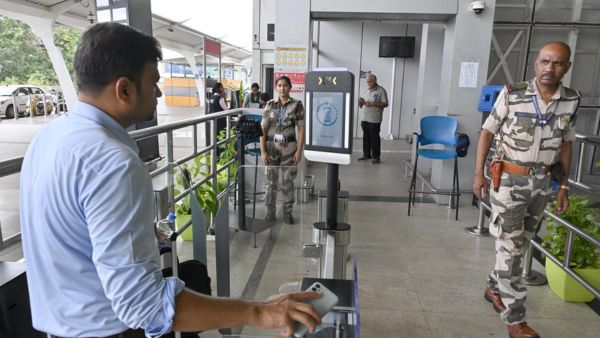
Digi Yatra could be expanded to hotels, rail travel and public places
- Jun 19,2024
- The Hindu
The facial-recognition technology based check-in service at airports, called Digi Yatra, could be implemented at hotels and public places such as historical monuments, according to the CEO of Digi Yatra Foundation, Suresh Khadakbhavi. He said that a prototype for this use-case had been developed and discussions were ongoing with various government agencies such as the Ministry of Tourism. “The vision is to create a travel stack for seamless movement across India,” Mr. Khadakbhavi said in an exclusive interview with The Hindu while talking about the future use-cases of Digi Yatra. “This would enhance the travel experience for a tourist who has to produce a passport for check-in at a hotel and at police stations for verification,” he said citing the example of the Taj Mahal. Digi Yatra could also be used for rail travel, and an initial discussion has also been held with the Ministry of Railways. Nationals of certain countries such as Pakistan are required to report their arrival and intended departure at each place of stay within 24 hours at the nearest police station. Tourists of other nationalities who hold a visa for a period of more than 180 days are also required to register at the Foreign Regional Registration Office (FRRO). Mr. Khadakbhavi explained that extending Digi Yatra to hotels and public places would prevent data leakage as people often tend to share unencrypted form of identity documents through photocopies and screenshots, whereas Digi Yatra ID doesn’t carry any personally identifiable information. The Digi Yatra Central Ecosystem only saves a hash value or a numerical value that identifies the content of the file so that none of the four data items shared by passengers at the time of registering on the app (name, Aadhaar, face scan and passport number) can be leaked anywhere in the system. The Digi Yatra initiative is digital processing of air travellers which uses their biometrics such as a facial scan instead of a boarding pass to enable paperless movement through various checkpoints at an airport. The initiative was rolled out at airports in December 2022, and today covers 14 airports while 15 more airports will be included by the end of 2024. The primary aim of the initiative at the time its policy document was launched in 2017 was to improve passenger throughput (or number of passengers passing through various checkpoints) at airports. This would achieve the objective of enhancing airport infrastructure needed to cater to increasing passenger volumes by ensuring more efficient airport operations, alongside physical expansion of airports in the country. But the proposed use-case for hotels and other public places implies that the role for Digi Yatra could extend beyond air travel. The Digi Yatra Foundation itself is a not-profit private company which is a consortium of five private airports that have a combined shareholding of 74%, and Airports Authority of India which holding the remainder 26% share. The Foundation is also funded by this consortium. At airports, so far Digi Yatra e-gates were deployed primarily at entry gates outside airports as well as security screening queues inside the passenger terminal building. Now, they increasingly can be seen at more touch-points such as boarding gates as well as baggage drops. “Digi Yatra was envisaged for all the touchpoints, such as airport entry gates, check-in, baggage drop and boarding gates. But airports rolled them out for airport entry gates and security checkpoints, and some have started to also implement it at baggage drop,” Mr. Khadakbhavi said explaining this would eliminate the need for producing boarding passes wherever passengers are required to do so. On concerns over lack of consent from users at airports where enrolments are being carried out on the day of travel, Mr. Khadakbhavi blamed “overenthusiasm” among private airport staff in enrolling travellers and that they were in conversation with airports to ensure their staff is adequately sensitised.
Read more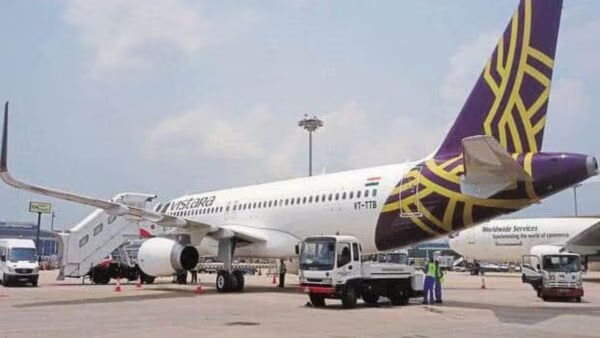
Air Vistara Travel Advisory for Varanasi: Heavy traffic expected on route to Airport on June 18, amid PM Modi’s visit
- Jun 18,2024
- Mint
Air Vistara has issued a travel advisory for passengers flying from Varanasi Airport on June 18th, warning of heavy traffic congestion and slow vehicle movement on routes leading to the airport. The airline's official tweet urges customers to allow more time for their journey to ensure they reach the airport on time. The advisory comes in light of Prime Minister Narendra Modi's scheduled visit to Uttar Pradesh and Bihar on June 18 and 19. According to a press release from the Prime Minister's Office, PM Modi will participate in the PM Kisan Samman Sammelan in Varanasi at around 5 pm on June 18. During this event, he will grant certificates to over 30,000 women from self-help groups (SHGs) Krishi Sakhis. Additionally, the Prime Minister will release the 17th installment of the PM Kisan Nidhi, amounting to more than ₹20,000 crore, to approximately 9.26 crore beneficiary farmers under the Pradhan Mantri Kisan Samman Nidhi (PM-KISAN) scheme. Following the Sammelan, PM Modi will witness the Ganga Aarti at Dashashwamedh Ghat at around 7 pm, and later perform puja and darshan at Kashi Vishwanath temple at approximately 8 pm. Travelers heading to Varanasi Airport are advised to allow extra time for their journey due to the expected heavy traffic associated with the Prime Minister's visit and related events. "Heavy traffic congestion and slow vehicle movement are expected enroute to Varanasi Airport on June 18th. Customers are advised to allow more time for their journey to the airport. Thank you," read the tweet from Air Vistara. Passengers are encouraged to stay updated on traffic conditions, consider alternative routes, and plan their travel schedules accordingly to avoid any inconvenience.
Read more
Indians May Soon Travel To Russia Without Visa. Here's All You Need To Know
- Jun 18,2024
- ABP Live
Visa-free travel means you can enter a country without needing a visa beforehand, simply using your passport to clear customs India and Russia are on the brink of finalising an agreement that will allow visa-free travel between the two nations. According to PTI, consultations to finalise the criteria under this bilateral agreement will commence in June. Currently, Russia allows visa-free entry for citizens from China and Iran under its tourist exchange programme. Nikita Kondratyev, director of the Russian Economic Development Ministry's Department of Multilateral Economic Cooperation and Special Projects, said, "Russia and India are set to strengthen their tourism ties as they gear up for the launch of visa-free group tourist exchanges. The first round of consultations between the two nations is scheduled for June, with an aim to finalise a bilateral agreement by the end of the year." The minister highlighted that Russia is looking to replicate the success of this programme with India. The visa-free exchanges with China and Iran, which started on August 1, 2023, have been quite successful. What is visa-free travel? Visa-free travel means you can enter a country without needing a visa beforehand, simply using your passport to clear customs. This streamlines travel and eliminates the hassle and costs associated with obtaining a visa. Indian passport holders currently enjoy visa-free access to 62 countries, making travel simpler and more accessible. This initiative by Russia could significantly enhance travel convenience for Indian tourists. Types of Russian Visas for Indians For those still needing visas, here's a quick rundown of the options available: Tourist Visa: For leisure and sightseeing. Business Visa: For business meetings, conferences, and professional activities. Private Visa: For visiting family or friends. Work Visa: For employment in Russia. Student Visa: For students enrolled in Russian educational institutions. E-visa: For short-term visits to specific regions in Russia. Documents Required for Russian Visa Application When applying for a Russian visa, Indians will need: Valid Passport: At least six months of validity from the date of entry. Visa Application Form: Completed and signed. Photographs: Recent passport-sized photos meeting specifications. Invitation Letter: From a Russian host, business, or educational institution. Travel Itinerary: Proof of travel arrangements. Travel Insurance: Comprehensive coverage. Financial Proof: Bank statements or other proof of sufficient funds. How to Apply for a Russian Visa from India Determine Visa Type: Based on the purpose of your visit. Gather Documents: Collect all necessary documents. Fill Out Application Form: Complete the online visa application form. Submit Application: At the Russian Visa Centre or Consulate. Pay Fees: Applicable visa fees. Attend Interview: If required. Await Processing: Wait for visa approval. Russia Visa Processing Time and Fees The processing time for a Russian visa from India ranges between 2 to 3 weeks, depending on the visa type. The eVisa or UEV is processed within 4 days, making it a quick option for short stays of up to 16 days.
Read more
How Travel Industry Surging In India With Visa Free And E-visa Entry Of 125 Countries Including ASEAN, Schengen Nations Along With US And Uk
- Jun 18,2024
- Travel and Tour World
India’s tourism industry is experiencing a transformative surge, becoming a cornerstone of the nation’s economic growth. With its rich cultural heritage, diverse landscapes, and renowned hospitality, India is rapidly emerging as a premier global travel destination. Nationals of the following 125 countries including Schengen and ASEAN passports, may travel with E Visa to India: Antigua and Barbuda, South Korea, Greece, Hungary, Iceland, Italy, Latvia, Liechtenstein, Lithuania, Luxembourg, Malta, Rwanda, East Timor, Costa Rica, Liberia, Trinidad and Tobago, Ivory Coast, Palestine, Saint Kitts and Nevis, Afghanistan, Colombia, Mexico, Cameroon, Sierra Leone, Senegal, Equatorial Guinea, Azerbaijan, Russia, Cape Verde, Kazakhstan, Peru, Switzerland, Ghana, Tanzania, Guyana, Argentina, Liechtenstein, Armenia, Japan, Zimbabwe, Haiti, Mongolia, Solomon Islands, Bolivia, Uruguay, Oman, Panama, Gambia, Guinea, Djibouti, Austria, Belgium, Czech Republic, Denmark, Estonia, Finland, France, Germany, Greece, Hungary, Jamaica, United States, Andorra, Bosnia and Herzegovina, Botswana, Burkina Faso, Paraguay, Sri Lanka, Mozambique, Cambodia, Indonesia, Vietnam, Brunei Darussalam, Myanmar, Laos, Singapore, Thailand, Malaysia, Philippines Comoros, Tuvalu, Cuba, Vanuatu, Burundi, Honduras, Marshall Islands, Saint Vincent and the Grenadines, Dominican Republic, Namibia, Vatican City, Uganda, Taiwan, Monaco, El Salvador, Iceland, Kenya, Netherlands, Norway, Poland, Portugal, Slovakia, Slovenia, Spain, Sweden, Switzerland, Bahamas, Venezuela, Malta, Suriname, Papua New Guinea, Lesotho, Eswatini, Angola, Brazil, Saint Lucia, Norway, Eritrea, Guinea-Bissau, Israel, Uzbekistan, Georgia, Australia, Belarus, Malawi, Fiji, United Arab Emirates, Micronesia, Seychelles, Tonga, Canada, Kiribati, Samoa, New Zealand, Cambodia, Gabon, Ecuador, Albania, Benin, Moldova, Madagascar, and North Macedonia. Citizens of certain countries enjoy visa-free travel to India. These countries include Bhutan and Nepal, whose nationals can enter India without a visa. Additionally, the Maldives’ citizens can visit India visa-free for up to 90 days if they do not arrive from mainland China. Other than these countries, most travelers need a visa to enter India. However, India’s e-Visa program simplifies the process for many nationalities, allowing them to apply for a visa online, making travel more accessible. The visa-free and e-Visa policies significantly boost tourism and business interactions between India and these nations. The country’s tourism, travel, and hospitality sectors are poised for unprecedented growth, driven by increasing international tourist arrivals and robust economic contributions. By 2028, India is expected to attract 30.5 million international tourists, generating substantial revenue and cementing its status as a top choice for travelers worldwide. Leading this wave of development, Oberoi Realty, a prominent real estate developer, has partnered with Marriott International, a global hospitality leader, to develop two new Marriott properties in Mumbai. This collaboration aims to enhance Mumbai’s hospitality landscape and cater to the growing influx of international tourists. According to the World Travel & Tourism Council (WTTC), India’s Travel & Tourism GDP is projected to grow at an average of 7.1% annually over the next decade. Prime Minister Narendra Modi recently inaugurated 52 tourism sector projects valued at over Rs. 1,400 crore (US$ 168.5 million) under the Swadesh Darshan and PRASHAD schemes, further bolstering the sector’s growth. By 2028, India’s tourism and hospitality industry is expected to generate over USD 59 billion in revenue. The WTTC ranks India 10th among 185 countries in terms of travel and tourism’s total contribution to GDP in 2019. In 2022, the sector contributed US$ 199.6 billion to India’s economy. Foreign Tourist Arrivals (FTAs) to India are forecasted to surpass pre-pandemic levels in 2024, driven by increased global travel confidence and shifting tourist preferences. In 2023, India recorded a significant increase in FTAs, with 9.23 million foreign tourists visiting the country, though still below the pre-pandemic peak of 10.93 million. Industry experts highlight India’s emergence as a preferred destination amid geopolitical shifts and the post-pandemic recovery. Though IndiGo for the longest time has been largest carrier in terms of international traffic to and from India, sequentially it saw a drop of 2.9% . Interestingly, Air India gained exact 2.9% of the traffic in the same period. Air India is set to play a pivotal role in enhancing inbound tourism from January 2026, following its deal to acquire 470 aircraft from Airbus and Boeing. Improved airport infrastructure and the expansion of regional airports are expected to attract even more international visitors. It is the largest carrier on the India-US routes (non-stop) has a sweeping presence is in San Francisco .A whooping total of 18 weekly departures, the highest amongst the five airports it operates non-stop in the United States. Indira Gandhi International Airport, situated in Delhi serves as a crucial hub for both domestic and international flights, boasting the highest traffic volumes in India. Its prominence underscores India’s burgeoning economy and its pivotal role in global travel. The airport’s strategic location aligns with India’s ambitions to enhance its status as a key international transit point. Located in Mumbai, Chhatrapati Shivaji Maharaj International Airport ranks as India’s second busiest airport. Currently undergoing a significant expansion project, it aims to augment its capacity to accommodate more passengers efficiently. Following closely are Bengaluru and Chennai Airports, each contributing to India’s robust aviation network with their strategic locations and growing capacities. In December 2023, the United States led the way as the primary origin for inbound tourists, making up 22.33% of arrivals. Trailing close was Bangladesh with 16.97%. The United Kingdom, Australia, and Canada rounded out the top five. Notably, annual data shows a shift, with Bangladesh being the leading source of tourists from January to December 2023. Reports indicate that the hospitality sector is on a promising recovery trajectory, anticipating over $400 million in investments between 2020 and 2023. Additionally, it forecasts the addition of nearly 12,000 rooms in 2023, with the total number of rooms projected to increase at a compound annual growth rate (CAGR) of about 3.3% by 2025. India continues to be a favored destination for foreign tourists due to its diverse attractions. Major tourist hotspots include: Jaipur, Rajasthan: Known as the ‘Pink City,’ Jaipur captivates tourists with its royal palaces and vibrant bazaars. Varanasi, Uttar Pradesh: The spiritual capital of India, Varanasi, enchants visitors with its ancient temples and the Ganga Aarti ceremony. Agra, Uttar Pradesh: Home to the iconic Taj Mahal, Agra remains a top attraction. Goa: Known for its beaches, nightlife, and Portuguese heritage, Goa offers a mix of relaxation and adventure. Leh-Ladakh: Attracts adventure enthusiasts with its rugged terrain and serene landscapes. Our C.E.O Mr.Anup Keshan belives that “Interest in India has surged, with searches on the platform increasing by 60% since 2019. It’s intriguing to see a significant number of searches originating from unexpected regions, such as Japan, beyond the traditional markets like the US and the Middle East. Indian travelers are exploring international destinations more than ever, thanks to affordable airfares, competitive hotel rates, and free visa offers from various countries. I aspire to see India relax visa policies for tourists and diplomats for the smooth development of business tourism as well as holiday travelling” The easing of travel restrictions, such as the relaxation of Restricted Area Permits (RAP) and Protected Area Permits (PAP) in North East India, has made the region more accessible to foreign tourists. India’s allure lies in its rich cultural heritage, diverse natural landscapes, historical monuments, spiritual centers, adventure activities, and culinary delights. The country continues to welcome travelers with its hospitality and diverse attractions, living up to the slogan “Atithi Devo Bhava” – Atithi Devo Bhava.
Read more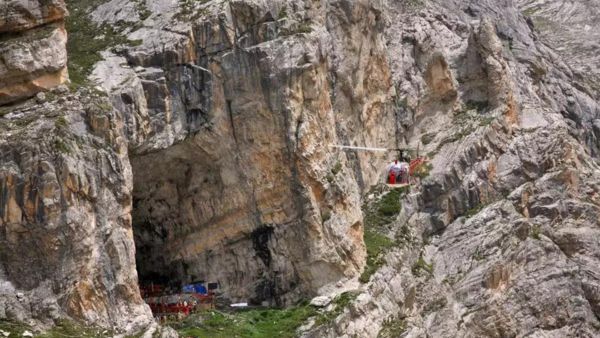
Amarnath Yatra update: Online helicopter booking starts; check fare and other details
- Jun 18,2024
- Times Travel
As per the latest development, online booking for helicopter services for this year's Amarnath Yatra has started. To facilitate this process, Shri Amarnathji Shrine Board (SASB) has introduced this facility for both the Baltal and Pahalgam routes for the 52-day long pilgrimage, which starts on June 29. As per a statement from SASB, the annual Amarnath pilgrimage will begin on June 29 and conclude on August 19, which will coincide with the Raksha Bandhan and Shravan Purnima festivals. The helicopter services for the north Kashmir Baltal route will operate on the Neelgrath-Panjtarni-Neelgrath sector, whereas for the Pahalgam route, services will be available on the Pahalgam-Panjtarni-Pahalgam sector. Officials have highlighted that the online booking for helicopter services can be done through the official website JKSASB.nic.in. They emphasised that no offline tickets or priority bookings will be available. Therefore, bookings will be on a first-come, first-served basis and will be directly provided to the devotees. The fare for a one-way trip from Pahalgam to Panjtarni is set at INR 4,900, with a round trip costing INR 9,800. For the Neelgrath to Panjtarni route, the one-way fare is INR 3,250, and the round trip costs INR 6,500. The journey from the Panjtarni helipad to the holy cave and back is time-consuming. As such, available slots for pilgrims will have a gap of at least 5 to 6 hours between trips. Pilgrims are required to carry an original photo identity card and a health certificate during the journey. They must also arrive at their respective helipads at least 30 minutes before their booked time slot. Charter bookings are permitted exclusively for travel between Srinagar and Neelgrath, with priority seating on the connecting service between Neelgrath and Panjtarni. This will ensure a streamlined and efficient experience for pilgrims opting for charter services. Preparations for the pilgrimage are progressing smoothly. Advance registration for pilgrims began on April 15, and this year, 125 langars (community kitchens) have been authorised up to the holy cave to provide food and refreshments to the devotees. Jammu & Kashmir Lieutenant Governor Manoj Sinha, during his visit to Katra on May 16, encouraged devotees to act as messengers, spreading the message of Lord Shiva. This year's pilgrimage is expected to see a significant number of devotees, and the SASB is committed to ensuring a safe and well-organised yatra for all participants.
Read more