

International Picnic Day 2024: From lakeside escape to stargazing, 7 romantic summer picnic ideas for couples
- Jun 18,2024
- Hindustan Times
Celebrate International Picnic Day 2024 with a romantic outdoor feast for two. Enjoy the sun, scenery and each other's company in the perfect summer setting. International Picnic Day is celebrated every year on June 18 to enjoy the great outdoors and spend time with family and friends. There's no more romantic way to commemorate this day than by having a picnic with your significant other and enjoying the warmth and beauty of summer.A summer picnic is the ideal opportunity to make lasting memories together, whether you want to get away from the city, discover new places or just enjoy each other's company outdoors. Here are some fun and creative picnic ideas that are sure to ignite the romance. Sunset beach picnic: There are few places that can match the captivating charm of a beach at dusk. Fill a basket with delicacies such as fresh fruit, handmade cheeses and a chilled bottle of champagne. With the sound of the waves lulling you to sleep, spread out a comfortable blanket on the smooth beach and enjoy a romantic meal as the sun sets. Lakeside escape: Get away from the hustle and bustle of the city with a peaceful lunch by the lake. Before settling on a quiet spot on the shore, hire a canoe or pedal boat and explore the tranquil waterways together. Pack a picnic basket with light fare such as crisp salads, finger sandwiches and rich chocolates. Add soft blankets, fragrant flowers and perhaps a small keepsake to make the occasion even more special. Enjoy a romantic picnic under the stars to really appreciate the magic of a starry sky. Choose a secluded spot where the stars are bright, away from city lights. Take a thermos of hot chocolate or mulled wine and a selection of gourmet treats such as charcuterie, olives and crusty bread to keep you warm as the evening wears on. Pack a telescope so you can look at the stars and keep an eye out for shooting stars so you can make wishes with them. Garden picnic: Turn your backyard or botanical garden into a romantic oasis with a garden picnic. Set a beautiful table surrounded by lush vegetation, blooming flowers and the delightful scent of summer blossoms. Invest in an imaginative floral picnic rug and fill a wicker basket with gourmet sandwiches, fresh salads and fruit tarts. Picnic on a boat: For your next outing, a boat picnic offers a novel and enjoyable alternative to the usual hassle. For a leisurely dinner on the open water, just bring a delicious spread of food and drink. No need for limited menus or reservations. You are in control when you feast on the water. Hot air balloon: A picnic in a hot air balloon is a dreamy and romantic event that takes place high above the ground. You and your companion can enjoy breathtaking panoramic views of the countryside below as you float along with the wind. Enjoy your meal in the tranquil and beautiful atmosphere of the balloon basket as you float across the sky, creating memories for life. It's a unique and memorable way to share a special occasion.
Read more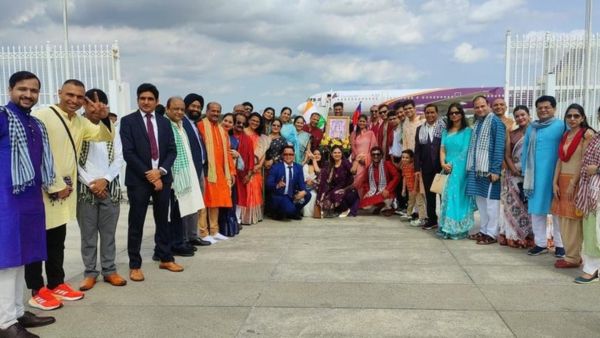
Cambodia-India direct flight launch to 'positively affect' all areas of cooperation: Cambodian envoy
- Jun 18,2024
- The Telegraph
The first-ever direct flight service between Cambodia and India will "positively affect" all areas of cooperation between the two countries, and will boost tourism, trade and investment, Cambodian envoy Koy Kuong said on Monday. The ambassador said this in an exclusive interaction with PTI on the sidelines of the launch of the "1st Cambodia-India Tourism Year 2024" here, a day after the starting of the flight service between Phnom Penh and New Delhi. "This event, and especially the first direct flight between the two countries (will) make the two countries gain, we can say win-win solutions," he said. Cambodia's national flag carrier Cambodia Angkor Air began the service between the two countries from June 16. It will be available four times a week -- on Monday, Wednesday, Friday and Sunday. The envoy said it just began yesterday and today this "milestone event" between the two countries. India and Cambodia have many similarities and "we share culture, traditions, religion (Buddhism), and people have to be aware of the two countries...and there are opportunities to see", Kuong said. When a direct flight starts and cost is lower to travel, then people like to travel, he said. "And, when more people travel, it increases number of tourists, and people need to eat, stay and travel. So overall, this opportunity like a direct flight will positively affect all areas of cooperation," Kuong said. So, first is tourism, then second is volume of investment as when people travel it may be initially for sightseeing, but when they see opportunities to invest, "they become investors," he added. "When they go to each others countries...goods, commodities between the two countries, they will import and export. Hence, the two-way trade volume will also increase. As also, the investment between the two countries," the envoy said. Overall, the direct flight, will not only improve the private sector but it will improve the public sector too. And, there will be more exchanges between government officials of India and Cambodia, when they fly easy and travel at a lower cost, the envoy said. Many high-level and other important official visits have taken place between the two sides. Norodom Sihamoni, the King of Cambodia, visited India from May 29 to 31 in 2023 on his maiden State Visit, marking the culmination of the celebrations of the 70th anniversary of establishment of diplomatic relations between India and Cambodia in 1952. This maiden State Visit by the King of Cambodia had taken place after almost six decades with the last one by his father King Norodom Sihanoauk in 1963. Vice President Jagdeep Dhankhar had visited Cambodia in November 2022 to attend the ASEAN-India Commemorative Summit and the 17th East Asia Summit. While returning from Phnom Penh, he had also visited Siem Reap to review the preservation and restoration work being undertaken by India at Cambodian heritage sites. Cambodia is home to the iconic Angkor Wat temple, built in the 12th century by King Suryavarman II. The world’s largest religious structure marks the high point of Khmer architecture. It is part of a UNESCO World Heritage Site too. The '1st Cambodia-India Tourism Year 2024' was jointly launched by Long Phirum, Secretary of State, Ministry of Tourism of Cambodia, and Manisha Saxena, Director General (Tourism), Ministry of Tourism of India, with a beating of traditional drums on the dais. Both Saxena and Phirum addressed the gathering that consisted of government officials, tour operators from both the countries, and many businessmen from India who interacted with Cambodian officials and others. Addressing the gathering, Phirum, who spoke in her native language, described the designation of 2024 as 'Cambodia-India Tourism Year' as a "significant milestone". She also said the "historic direct air link" between Phnom Penh and New Delhi was also celebrated on Sunday in Phnom Penh. Ambassador Kuong in his interaction with PTI also said earlier for Indians visiting Cambodia, they had to transit through neighbouring countries which took a lot of money and time. They will now save on these, he said. He emphasised that there is more to Cambodia than just the ancient temples. There are river crosses, eco-tourism, mountainous areas and "we have beautiful beaches", and the Cambodian people are warm and friendly to foreigners, Kuong said, adding, "we have a three-way (mode of) travelling -- by air, water and land -- in our country". Cambodia is predominantly a Buddhist nation and many Cambodians visit India to see Buddhist sites in states such as Uttar Pradesh and Bihar. They also visit neighbouring Nepal to see the Lumbini. Many Cambodians also travel to India seeking medical treatment, the envoy said. "Before the direct flight they came either for pilgrimage or medical treatment, but now they will want to explore more. Besides, religious tourism, medical tourism, they will explore places for sightseeing, and more other places...see other things beyond old temples," he added. Cambodia earlier this year also started a campaign 'Visit Siem Reap 2024' to promote tourism in that historic region of the country.
Read more
World Sea Turtle Day: 5 beautiful place to witness turtle hatchlings in India
- Jun 17,2024
- Times of India
India is blessed with abundant natural beauty. The country is also home to a diverse range of natural habitats that host a variety of wildlife, including sea turtles. These ancient reptiles, known for their remarkable nesting and hatching habits, can be observed at several coastal locations across the country. On the occasion of World Sea Turtle Day, let’s have a look at five places in India where you can witness this awe-inspiring phenomenon: Velas Beach, Maharashtra: Set in Ratnagiri district, Velas Beach is noted for its conservation efforts aimed at Olive Ridley turtles. Every year, from February to April, these endangered turtles return to Velas Beach to lay their eggs. The Velas Turtle Festival, organised by the locals in collaboration with conservationists, provides a unique opportunity to witness the release of hatchlings into the Arabian Sea. Agonda Beach, Goa: While Goa is famous for its lively beaches and vibrant nightlife, Agonda Beach offers a quieter, more serene atmosphere ideal for witnessing Olive Ridley turtles nesting and hatching. Conservation initiatives ensure that the beach remains a safe haven for these turtles, especially during the nesting season from November to March. Morjim Beach, Goa: Another gem in Goa for turtle enthusiasts is Morjim Beach, particularly known for hosting the nesting sites of the endangered Kemp's Ridley turtles. The Morjim Turtle Conservation Project plays a crucial role in protecting these turtles and organizing awareness programs for visitors interested in observing the hatchlings making their way to the sea from March to September. Rushikulya Beach, Odisha: Rushikulya Beach, located near Berhampur in Ganjam district, Odisha, is famous for hosting one of the largest mass nesting events of Olive Ridley turtles in the world. The spectacle, known as the arribada, occurs annually between January and March, attracting thousands of turtles to lay eggs. Witnessing thousands of hatchlings emerging from their nests and scrambling towards the ocean is a breathtaking sight. Little Andaman Island, Andaman and Nicobar Islands: The pristine beaches of Little Andaman Island, particularly Kalipur Beach and nearby locations, offer a secluded setting for observing the nesting and hatching of Leatherback turtles and Green turtles. The island's remoteness and conservation efforts ensure a serene experience for nature enthusiasts seeking to witness these majestic creatures from December to February.
Read more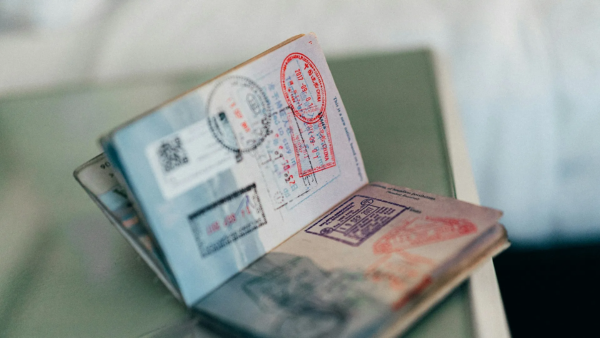
7 non-Schengen countries you can explore with a Schengen visa
- Jun 17,2024
- Times of India
A multiple-entry Schengen visa allows one to access 29 countries within the Schengen Zone — which we already know. However, did you know that this visa also offers you the remarkable ability to travel globally? Well, up to 67 countries allow Indian travellers to enter with this document. Note that there are specific conditions, and visa regulations can change without notice, so always confirm with the visa office of your destination country. So, here is a list of some non-Schengen countries you can visit with a valid Schengen visa. Türkiye Visa information: Indian passport holders with a valid Schengen visa can apply for a single-entry e-visa valid for one month via the official Turkish e-visa website, provided they meet certain conditions such as having a return ticket, hotel reservation, and sufficient financial means. Türkiye, straddling Europe and Asia, offers a rich blend of cultures, historical landmarks like Hagia Sophia, and vibrant cities such as Istanbul and Ankara. Saudi Arabia Visa information: Travellers can obtain a visa on arrival upon presenting a Schengen visa, as long as it’s been used at least once. This visa allows a 90-day stay during a validity period of 365 days. Saudi Arabia, with its modern cities and ancient archaeological sites, offers a unique travel experience. Visitors can explore the futuristic city of Riyadh, the historical city of Jeddah, and the ancient Nabatean city of Al-Ula. Montenegro Visa information: Travellers who have a valid multiple-entry Schengen visa are permitted to remain in Montenegro for a maximum of 30 days, with a yearly limit of 180 days, without the need for an additional visa. Montenegro, known for its rugged mountains and mediaeval villages, is a gem of the Balkans. Highlights include the Bay of Kotor, Durmitor National Park, and the coastal town of Budva. Serbia Visa information: Entry and stay up to 90 days during a six-month period with a valid Schengen visa. Serbia, located in the heart of the Balkans, offers a mix of vibrant city life and scenic natural beauty. The capital, Belgrade, is famous for its lively nightlife, while the country’s national parks, such as Tara and Djerdap, provide stunning natural retreats. Egypt Visa information: Travellers can obtain a single-entry visa for 30 days within three months with a valid Schengen visa. Egypt, home to the ancient pyramids and the Nile River, is a destination rich in history and culture. Visitors can explore the bustling city of Cairo, the historic temples of Luxor, and the serene beaches of the Red Sea. Aruba Visa information: A valid multiple-entry Schengen visa allows for a stay of 30 days, not exceeding 180 days per year. Aruba, a Caribbean island, is known for its white sandy beaches, crystal-clear waters, and vibrant nightlife. Visitors can enjoy the capital, Oranjestad, with its colourful Dutch colonial architecture, or relax on the famous Eagle Beach. Colombia Visa information: Travellers from India, Thailand, and six additional nations are eligible for visa-free entry to Colombia if they possess a Schengen or US visa. Colombia, with its diverse landscapes and rich culture, offers a wide range of attractions. From the historic city of Cartagena and the bustling capital, Bogotá, to the coffee region and Amazon rainforest, Colombia has something for every traveller.
Read more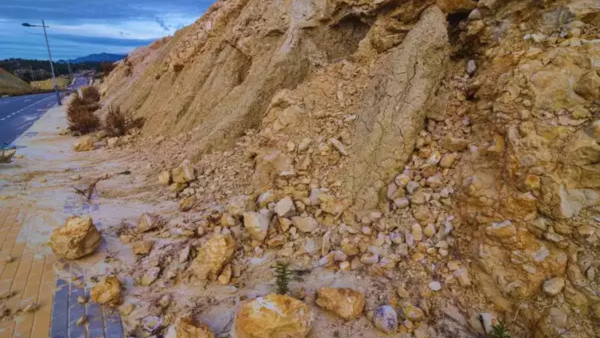
Sikkim: Massive landslides leave over 1,200 tourists stranded; 9 lives lost
- Jun 17,2024
- Times of India
Over 1,200 tourists, including 15 foreigners, are stranded in Sikkim's Mangan district due to massive landslides triggered by incessant rainfall (for more than 36 hours), an official reported on Friday. Sikkim Chief Minister Prem Singh Tamang convened an emergency meeting in Mintokgang to assess the situation and coordinate relief efforts. Principal Secretary of the Sikkim Tourism & Civil Aviation Department, C S Rao, stated that the Chief Secretary's office has initiated proceedings to airlift the stranded tourists. “As per the ground report, around 1,200 domestic and 15 foreign tourists (two from Thailand, three from Nepal, and ten from Bangladesh) are stranded in Lachung, Mangan district due to road blockages caused by heavy rainfall and landslides,” Rao said. As per reports, the death toll in the state due to landslides triggered by excessive rainfall has reached nine. Rao assured the safety of all the stranded tourists and urged locals to remain cautious. He also confirmed that there is an adequate stock of food supplies and rations to cater to the needs of those stranded. If necessary, tourists will be evacuated by road as a last resort. The landslides have resulted in severe property damage, disruption of road connectivity, power outages, and a breakdown in food supplies and mobile networks in several areas. Stretches of roads are blocked, and houses have been flooded or damaged due to heavy rains, with electric poles swept away, officials reported. CM Tamang directed officials to closely monitor the situation and expedite efforts to restore connectivity. Measures are being taken to address the most critical issues, with an appeal to the public to stay alert and adhere to safety guidelines while normalcy is restored. In North Sikkim, the collapse of a newly-constructed bailey bridge at Sangkalang, along with a destroyed bamboo bridge, has further complicated the situation for stranded tourists. The bridge at Sangkalang, constructed last year after a flash flood in the Teesta river, is part of the disrupted infrastructure. Local officials are working to construct a bridge at Phidang to restore connectivity. The CM’s meeting was crucial for strategizing and coordinating the response to the disaster, ensuring the safety and well-being of residents and tourists alike.
Read more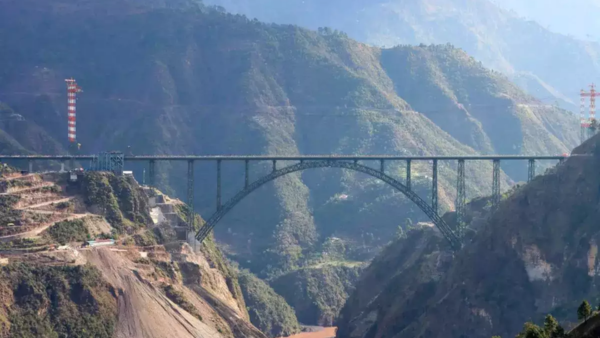
Chenab Rail Bridge, the world’s highest rail bridge will soon see train services
- Jun 17,2024
- Times of India
Good news coming from Kashmir! The Chenab Rail Bridge in Reasi district will soon see trains running on it. Soaring some 359 m above the Chenab River, it is the highest rail bridge in the world. The bridge is a fine example of human intelligence. This engineering marvel will help overcome daunting geographical obstacles to create a landmark of modern infrastructure and connectivity. But the news here is that the Northern Railway has announced that very soon the train service from Ramban to Reasi will pass over the world's highest railway bridge. As of now, trains operate along the Kanyakumari to Katra route, with services running from Baramulla to Sangaldan in the Kashmir Valley. Vishesh Mahajan, Reasi's Deputy Commissioner, told ANI, "This is an extraordinary engineering feat. The day when trains start running to Reasi will be transformative for the district. Our engineers have achieved a marvel—it's the eighth wonder of the world. The bridge's construction, resilience against wind speeds, all are remarkable. While an exact date remains uncertain, we eagerly await its opening." Railway officials have recently conducted thorough inspections of the newly constructed railway line and stations between Sangaldan in Ramban district and Reasi. Sujay Kumar, Deputy Chief Engineer of Konkan Railways, described the project as highly challenging. "The affected communities are very pleased. We anticipate completion in the near future," he remarked. Some quick interesting facts about the bridge: 1) Each side of this globally acclaimed structure measures approximately one-fourth the size of a football field. 2) A total of 30,000 metric tons of steel were used in the construction of the Chenab Rail Bridge. 3) This bridge was built at a cost of ₹14,000 crore. 4) It is engineered to endure extreme conditions, including temperatures as low as -40°C and seismic activity. 5) Additionally, it can withstand wind speeds of up to 260 km/h. Phase I of the project, covering the 118 km Qazigund-Baramulla section, commenced in October 2009. Subsequent phases included the inauguration of the 18 km Banihal-Qazigund section in June 2013 and the 25 km Udhampur-Katra section in July 2014.
Read more