
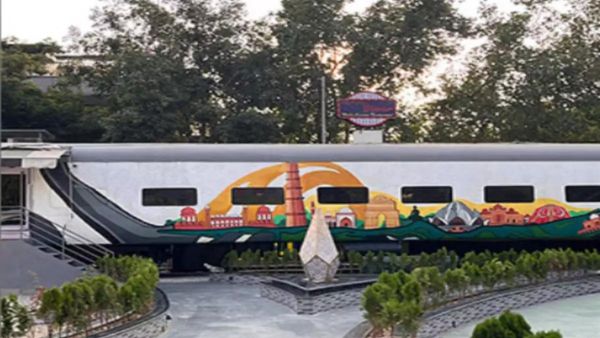
Delhi gets its first-ever railway coach restaurant at New Delhi Railway Station
- Jun 01,2024
- Times Travel
Delhi gets its first-ever railway coach restaurant at New Delhi Railway Station. Capital Diner, a one-of-its-kind restaurant housed in a refurbished railway coach, is all set to change the dining experience at the railway station. Situated strategically at the station's entrance, Capital Diner pledges to deliver a one-of-a-kind fusion of history, atmosphere, and culinary excellence, catering to both travellers and locals alike. It will surely serve as an ideal venue for those seeking a quick yet delightful meal before or after their journey, while also offering nearby residents and office-goers the convenience of a distinctive dining experience without straying far from the city's epicentre. Capital Diner redefines dining by repurposing a vintage railway coach into a contemporary yet nostalgic eatery. Blending the allure of classic American diners with the opulence of bygone train voyages, the restaurant's design exudes comfort, charm, and whimsy. Transforming a retired Indian Railways coach car into its core structure pays homage to the romantic allure of train travel, crafting an authentic and captivating ambiance. The interior features a modern minimal bohemian vibe, seamlessly integrating contemporary and traditional design elements, complemented by chic beige LED lighting strips that evoke a luxurious, starry atmosphere. Inside, guests are greeted by brown vertical stripe wallpaper reminiscent of the iconic Orient Express, mallard shade suede booth seating for elegance and comfort, and stylish mosaic tiling that adds texture and visual intrigue. Green planters situated at each end of the coach bring a refreshing touch of nature, and inviting interiors. This meticulous fusion of vintage allure and contemporary sophistication, accented by a hint of whimsical luxury, invites diners to savour an unforgettable culinary journey that evokes nostalgia and celebrates the golden era of train travel. The menu at Capital Diner will take you on a delightful voyage through diverse culinary traditions, presenting an array of mouthwatering dishes tailored to suit every palate. From classic Indian delicacies like kadhai paneer with naan to international favourites like penne creamy tomato with chicken, the chefs have curated a menu guaranteed to please even the most discerning diner. Using fresh, premium ingredients, the culinary team crafts dishes that are both flavorful and memorable. "We are thrilled to introduce Capital Diner, a concept that seamlessly blends the nostalgia of railway travel with a contemporary dining experience," expressed Harish Kumar Arora, Founder of Capital Diner. "Our aim is to provide an unforgettable dining experience that captivates all the senses and becomes an integral part of Delhi's culinary landscape." Address: Circulating area, New Delhi Railway Station, near Ajmeri Gate, Connaught Place, New Delhi Opening Hours: 11:00 AM to 11:00 PM Average Cost for Two: INR 600
Read more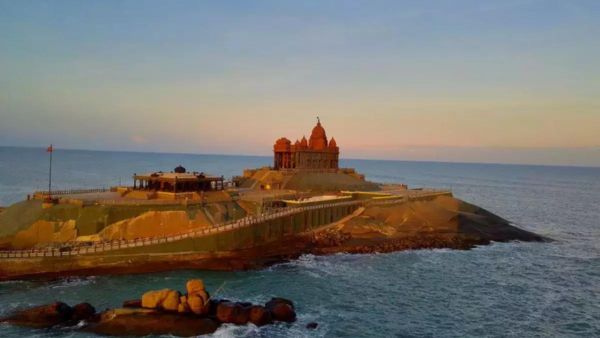
All you need to know about Vivekananda Memorial Hall where PM Modi is meditating
- Jun 01,2024
- Times Travel
After completing a rigorous two-month election campaign, Prime Minister Narendra Modi began a 45-hour meditation at Vivekananda Rock in Kanyakumari on Thursday. He plans to meditate until June 1 afternoon. This spot holds significance as Swami Vivekananda meditated here for three days in 1892. Legend has it that Goddess Parvati meditated for Lord Shiva in the special hall, Sripada Mandapam, located on the rock. Here’s all that you need to know about the memorial hall. In the southernmost tip of India, where the Arabian Sea, the Bay of Bengal, and the Indian Ocean converge, stands a monument that transcends time and space. It’s the Vivekananda Memorial Hall, nestled in Kanyakumari, Tamil Nadu, which is not merely a structure of concrete and stone, but a living example of the enduring legacy of Swami Vivekananda, one of the country's most revered spiritual leaders. A tribute to Swami Vivekananda: Built in the honour of Swami Vivekananda, the memorial hall commemorates his historic visit to Kanyakumari in 1892. It was at this sacred site that Vivekananda, deeply moved by the beauty and spiritual significance of the location, meditated on the rock, which is now known as Vivekananda Rock Memorial. His profound spiritual experience and vision for India's future resonated deeply with the people of Kanyakumari and the nation at large. Architectural marvel: Construction of the Vivekananda Rock Memorial began in 1964, blending various Indian architectural styles and completing in 1970. Comprising two main sections, the Shripada Mandapam is dedicated to the goddess Kanyakumari, believed to have her footprints on the rock. It features a sanctum sanctorum, an inner compound, and an outer platform. The Vivekananda Mandapam includes a meditation hall, assembly hall, and statue section. Built to endure coastal conditions, the meditation hall integrates diverse temple styles and offers a serene atmosphere with natural lighting and ventilation. The assembly hall, facing the Shripadam, houses the statue of Swami Vivekananda. Educational and cultural hub: In addition to its spiritual significance, the Vivekananda Memorial Hall serves as a vibrant educational and cultural hub, hosting a myriad of programs and activities aimed at promoting the teachings of Swami Vivekananda and fostering dialogue on spirituality, philosophy, and social reform. The hall regularly hosts lectures, seminars, and workshops by eminent scholars and spiritual leaders, providing a platform for intellectual exchange and spiritual growth. Pilgrimage destination: For devotees and spiritual seekers alike, the Vivekananda Memorial Hall is a pilgrimage destination of unparalleled significance. Thousands of visitors flock to Kanyakumari each year to pay homage to Swami Vivekananda and seek inspiration from his teachings. The serene ambiance and breathtaking vistas surrounding the memorial hall create an atmosphere conducive to introspection and meditation, inviting visitors to connect with their inner selves and experience a sense of transcendence.
Read more
Top 6 passports that offer visa-free access to more than 190 countries
- May 31,2024
- Times of India
Top 6 passports that offer visa-free access to more than 190 countries The significance of a passport cannot be undermined when it comes to international travel. It essentially dictates the ease with which an individual can easily cross borders and head out to countries without the hassle of visa requirements. Enter the Henley Passport Index, a global ranking system that evaluates countries based on the travel freedom afforded to their citizens. Serving as a comprehensive guide, this index unveils the world's most potent passports! The Henley Passport Index operates on a simple premise: it ranks passports according to the number of countries their holders can access without requiring a visa in advance. Drawing from data compiled by the International Air Transport Association (IATA), renowned for its expansive repository of travel information, the index offers a meticulous assessment of global travel privileges. Here's a glimpse at some of the top contenders that provide its citizens visa-free access to more than 190 countries. France Leading the pack with an impressive score of 194, holders of the French passport can explore a vast array of destinations visa-free. From the historic landmarks of Europe to the tropical paradises of the Caribbean, the world is their oyster. Germany Sharing the top spot with France, Germany opens doors to 194 countries without the need for a visa in advance. Whether it's admiring the scenic beauty of Ireland or immersing oneself in the cultural tapestry of Croatia, German passport holders enjoy unparalleled travel freedom. Italy With a passport in hand boasting a score of 194, Italian citizens can travel across most countries with ease. From the ancient wonders of Peru to the bustling streets of Singapore, the possibilities for exploration are endless. Japan Renowned for its efficiency and hospitality, Japan extends its warmth to its passport holders by granting them access to 194 countries visa-free. Whether it's soaking in the serene ambiance of Finland or exploring the architectural marvels of Belgium, Japanese travellers are welcomed with open arms. Singapore As a global hub of commerce and culture, Singapore's passport holders enjoy the privilege of visa-free access to 194 destinations worldwide. Spain Rounding out the elite group with a score of 194, Spain offers its citizens the freedom to explore the world without the hindrance of visas. Whether it's savouring the culinary delights of Argentina or basking in the sun-kissed beaches of Greece, Spanish passport holders can set out on unforgettable journeys with ease.
Read more
Uttarakhand’s Valley of Flowers all set to welcome travellers from June 1
- May 31,2024
- Times of India
The eagerly awaited opening date for the captivating Valley of Flowers trek in Uttarakhand, set for 2024, has been revealed. Starting from June 1 this year, all those who are keen to explore this valley, will be able to head out on a journey through one of India's most stunning treks to the renowned Valley of Flowers National Park, nestled within Uttarakhand's Nanda Devi Biosphere Reserve, a UNESCO World Heritage Site since 2005. With the Valley of Flowers in Uttarakhand welcoming trekkers from June 1, 2024, enthusiasts can now plan their three-day, 17-km adventure through this floral paradise. Beginning from either Govindghat or Pulna village, the monsoon season extends accessibility to the Valley of Flowers trek until October and November, offering a chance to immerse oneself in the pristine beauty of over 300 flower species indigenous to the Himalayas. Early blooms of potentilla, wild rose, and primrose have already been observed, heralding the arrival of spring due to snowmelt. In addition to these floral wonders, adventurers can also marvel at a diverse array of flowers, including anemones, geraniums, blue poppies, and bluebells, among others, exceeding 300 species in total. Beyond the breathtaking floral display set against the backdrop of majestic peaks, travellers may also encounter rare wildlife species, such as the grey langur, flying squirrel, Himalayan weasel, black bear, red fox, lime butterfly, snow leopard, and Himalayan monal. For those wondering how to reach this place, the nearest railway station is in Rishikesh, approximately 262 km away, while the Jolly Grant Airport in Dehradun is approximately 270 km away. Travellers can opt for a cab or self-drive to reach Govindghat, situated at an elevation of around 6,000 ft above sea level. Occupying an area of 87 sq km in the Chamoli district, the Valley of Flowers National Park stands as one of the two core zones of the Nanda Devi Biosphere Reserve, alongside the Nanda Devi National Park. Legend has it that this UNESCO World Heritage site was stumbled upon in 1931 by three British mountaineers who were lost and chanced upon this breathtaking valley.
Read more
What does visa-free travel mean? Is it actually free?
- May 31,2024
- Times of India
Visa-free travel, often hailed for its convenience, allows individuals to enter a country without undergoing the visa application process beforehand. This streamlined approach simplifies travel arrangements, particularly for citizens of countries with robust passport privileges. For instance, holders of US passports typically require visas for destinations like China or Russia, necessitating application submissions, passport submissions to consulates, and payment of associated fees. However, for countries such as Canada or France, travellers can simply arrive, clear customs, and have their passports stamped without the need for prior visa arrangements. This ease of access stems from bilateral agreements between nations, granting citizens visa-free entry privileges. Under regular visa-free travel conditions, individuals can cross borders freely with their passports. While customs clearance usually requires only a passport, some countries may request additional documentation, such as proof of onward travel, before granting entry. For example, Thailand, a popular backpacking destination, often seeks evidence of sufficient funds and onward travel plans from visa-free travellers. Despite these requirements, they are typically straightforward to fulfil and are loosely enforced. While visa-free travel offers expedited entry processes, its significance extends beyond mere convenience. For individuals accustomed to the privileges of a strong passport, the true value of visa-free travel becomes apparent when confronted with visa-restricted destinations like China, necessitating arduous visa application procedures. Visa-free travel eliminates the need for completing forms, submitting applications, and awaiting embassy approvals, streamlining the travel experience. Moreover, visa-free travel enables spontaneous travel opportunities, allowing individuals to explore destinations without the logistical constraints associated with visa procurement. Conversely, visa-restricted travel entails embassy visits, application processing times, and uncertainties regarding approval timelines, potentially hindering impromptu travel plans. Despite its benefits, visa-free travel is not without its limitations and considerations. Citizens of countries with extensive visa-free access may overlook alternative travel opportunities available to them. Additionally, visa-free privileges do not guarantee seamless entry experiences, as immigration officials may subject travellers to scrutiny or additional questioning. Moreover, the significance of visa-free travel diminishes when considering the practicalities of destination preferences. While extensive visa-free access may seem advantageous numerically, its value lies in the accessibility of destinations aligned with personal travel interests. In short, it can be said that while visa-free travel simplifies entry procedures and facilitates spontaneous travel, its significance is subjective and contingent on individual circumstances. Strategic planning and consideration of alternative travel options can mitigate the perceived limitations of visa-free privileges, ensuring a tailored travel experience aligned with personal preferences and objectives.
Read more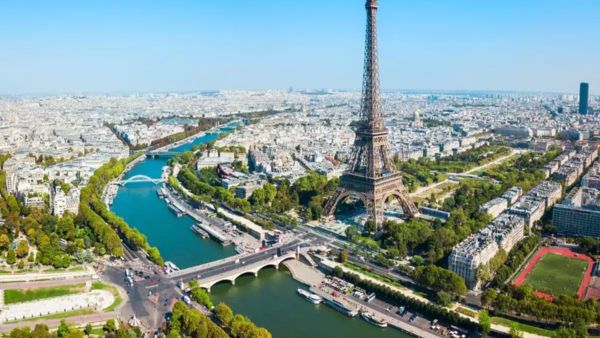
Climbing iconic Eiffel Tower all set to become more expensive
- May 31,2024
- Times of India
The iconic Eiffel Tower is not only one of the popular tourist destinations in the world, but also serves as a symbol of splendour capturing the hearts of millions. However, recent headlines with regard to the rise in ticket prices have met with mixed reactions from both locals and tourists alike. If reports are to go by, visitors to this renowned landmark will now have to face a significant hike in ticket prices, which is slated to come into effect from June 17. If reports are to go by, this striking increase, a staggering 20 percent surge, has been greenlit by the Paris City Hall, reflecting a multifaceted response to spiralling renovation expenses and the economic strain exacerbated by recent challenges. When Gustave Eiffel unveiled his masterpiece in 1887, he wisely advocated for a fresh coat of paint every seven years to stave off the relentless advance of rust. However, it seems that this advice have been neglected for the longest time, with the French monument languishing without a comprehensive paint job for over a decade. In practical terms, the new ticket prices entail an adult fare, inclusive of an elevator ride to the summit, soaring to 35.30 euros ($38.31) from its previous rate of 29.40 euros ($31.91), as per the reports. Similarly, ticket costs for children aged 12 to 14 will surge to 17.70 euros ($19.21), while younger visitors aged four to 11 will see their fares rise to 8.90 euros ($9.66). This price adjustment has been spurred, in part, by a substantial revenue shortfall attributed to the ‘health crisis’ spanning from 2020 to 2022, alongside escalating renovation expenditures. The tumultuous impact of the COVID-19 pandemic on global tourism reverberated through the Eiffel Tower, with visitor numbers plummeting amid closures and travel restrictions. In 2020, the footfall dwindled to less than 1.6 million, a stark departure from the previous year's nearly 6.2 million. While subsequent years witnessed a gradual recovery, with visitor numbers inching towards 6.3 million in 2023, the financial strains persisted. In response to these challenges, the Paris City Council ratified a series of measures aimed at shoring up the tower's finances. This includes a recapitalisation plan for the Eiffel Tower's operator, Société d’Exploitation de la Tour Eiffel (SETE), coupled with a reduction in the annual fee charged to the operator for managing the monument. Despite these efforts, dissent lingered, with unions voicing concerns over the adequacy of the allocated funds vis-à-vis the monument's pressing maintenance needs. A strike earlier this year underscored these grievances, underscoring the imperative for sustainable financial solutions. Looking ahead, as Paris gears up to host the 2024 Olympics, travellers should brace themselves for heightened expenses. The Eiffel Tower, a timeless symbol of Parisian allure, stands at a crossroads, beckoning for sustained support to preserve its legacy for generations to come.
Read more