

US travel chaos: Thousands stranded due to Southwest Airlines system outage
- May 31,2024
- Hindustan Times
NewSouthwest Airlines experienced significant travel disruptions across the United States on Tuesday due to a computer system outage, marking the second major incident of this kind within four months. The glitch, which was attributed to a firewall failure, forced the Federal Aviation Administration (FAA) to ground all Southwest flights temporarily, affecting thousands of travelers. 1,500 flights delayed and cancelled According to Southwest, the issue stemmed from a vendor-supplied firewall that went down, causing a loss of connection to operational data. This disruption led to the grounding of over 1,500 flights and delays for tens of thousands of passengers. The travel chaos began in the afternoon, with numerous passengers reporting being stranded on planes or at airports without clear information on when flights would resume. Frustrated travelers took to social media to express their grievances, with some sharing that they were told the delays could last up to six hours. For those affected by the disruptions, here are some tips to navigate the situation: 1. Check Flight Status Regularly: Use the Southwest Airlines website or app to monitor the status of your flight. Due to high traffic, these platforms might be slow, so persistence is key. 2. Contact Customer Service: Reach out to Southwest Airlines customer service for assistance. Given the volume of inquiries, expect longer wait times. 3. Explore Alternatives: If your flight is significantly delayed or canceled, consider alternative travel options, such as booking with another airline or using ground transportation if feasible. 4. Stay Informed: Follow news updates and Southwest's official social media channels for real-time information about the situation. 5. Prepare for Delays: If you are at the airport, ensure you have essentials like snacks, water, and entertainment, as delays might extend longer than anticipated. Southwest Airlines has apologized for the inconvenience and is working to resume normal operations as quickly as possible. They appreciate the patience of their customers during this challenging time.
Read more
Visiting these 6 gulf countries to soon become possible with the latest multi-nation visa
- May 31,2024
- Times of India
Visiting these 6 gulf countries to soon become possible with the latest multi-nation visa As reported earlier, the Gulf Cooperation Council (GCC) unveiled a novel tourist visa initiative, dubbed ‘GCC Grand Tours,’ which is akin to the Schengen visa. This unified visa will allow travellers to explore all six Gulf nations and extend their stays beyond 30 days. This strategic move is geared towards bolstering tourism and streamlining travel throughout the GCC region. Comprising Bahrain, Kuwait, Oman, Qatar, Saudi Arabia, and the United Arab Emirates, the GCC, also known as the Cooperation Council for the Arab States of the Gulf, has introduced the GCC Grand Tours visa to attract a broader tourist base by facilitating visits to multiple countries within the region. This unified visa is poised to significantly boost the Gulf's tourism sector, and help in attracting a higher number of hotel guests and solidifying the region's status as a premier destination for both local and international travellers. With regard to this, Abdulla bin Touq Al Marri, Minister of Economy of the United Arab Emirates, disclosed the initiative following a panel discussion featuring key representatives from various GCC tourism authorities. With the joint visa plan receiving approval from the GCC in November 2023, preparations are currently underway for its imminent launch. Officials in the know-how are optimistic that the new multi-nation visa could be rolled out later this year or in early 2025, marking a significant milestone in facilitating seamless travel within the Gulf region. And when this initiative turns into a reality, you can explore these following Gulf countries easily. Here are some of the reasons why you can consider planning a trip to any of these places. Oman Experience the enchanting blend of ancient traditions and modern marvels in Oman. The rugged beauty of the Hajar Mountains, and pristine beaches of the Arabian Sea will offer you ample opportunities to make your holiday memorable. This destination offers a diverse range of landscapes to explore. Don't miss the historic forts, bustling souks, and the legendary hospitality of Omani culture. Kuwait Delve into Kuwait's rich history and dynamic culture. Discover the architectural wonders of Kuwait City, explore the vibrant markets, and indulge in the delicious flavours of traditional Kuwaiti cuisine. With its bustling waterfront promenades and intriguing museums, Kuwait offers a fascinating blend of past and present. Bahrain Immerse yourself in Bahrain's rich cultural heritage and stunning natural beauty. Explore the ancient archaeological sites of Dilmun, wander through the bustling souks of Manama, and unwind on the pristine beaches of the Bahraini coast. Don't miss the opportunity to dive into the crystal-clear waters of the Arabian Gulf and discover the vibrant marine life that thrives beneath the surface. Saudi Arabia Saudi Arabia's diverse landscapes and rich heritage, from the bustling streets of Riyadh to the ancient ruins of Al-Ula, offers a wealth of experiences for travellers. Discover the majestic beauty of the Red Sea coast, explore the towering sand dunes of the Empty Quarter, and marvel at the architectural wonders of Mada'in Saleh. Qatar Experience the perfect blend of tradition and modernity in Qatar. Explore the futuristic skyline of Doha, wander through the historic souks, and immerse yourself in the cultural heritage of this vibrant nation. With its stunning desert landscapes, pristine beaches, and world-class museums, Qatar offers something for every traveller to enjoy. United Arab Emirates Discover the glitz and glamour of the United Arab Emirates. From the iconic skyscrapers of Dubai to the cultural treasures of Abu Dhabi, the UAE is a land of contrasts. Indulge in luxury shopping, explore the desert dunes on exhilarating safaris, and unwind on the pristine beaches of the Arabian Gulf. With its world-class attractions and unmatched hospitality, the UAE promises an unforgettable travel experience.
Read more
China’s Golden Week Travel Signals a Revival. Plus, Why U.S. Travel Is Still Lagging
- May 30,2024
- Skift
In a rebound of international travel, over 1.5 million Chinese citizens embarked on outbound trips during the recent Golden Week holiday, marketing technology firm China Trading Desk told Skift. This surge points to a significant revival in global travel following the easing of pandemic-related restrictions. The relaxation of visa policies between China and several countries has played a crucial role in this uptick. During the Golden Week in late April and early May, the growth rate of inbound and outbound bookings outpaced domestic tourism, Trip.com Group told Skift. Popular Destinations and Emerging Trends According to data from Trip.com Group, Chinese tourists visited nearly 200 countries and over 3,000 towns worldwide during the Golden Week period. Thailand emerged as the top destination, with over 215,000 Chinese tourists between April 27 and May 4, according to China Trading Desk’s data. Factors such as visa-free entry offer by Thailand, shorter flight durations, and cost-effectiveness compared to other destinations have driven this trend. While strong, the numbers still haven’t reached pre-pandemic levels, said Subramania Bhatt, CEO of China Trading Desk. The popularity of outbound travel is further evidenced by Ctrip’s report of a 190% year-on-year increase in the number of outbound tourists. Alibaba’s Fliggy also noted a near doubling in outbound travel bookings during the five-day holiday, with per capita spending on outbound travel surpassing 2019 levels significantly. Alipay transactions reflect this increased spending, with a 77% rise in overseas markets during the initial days of Golden Week, particularly in destinations like Thailand and Malaysia. Challenges in US-China Travel Travel to the U.S. still faces hurdles, with flight capacity between the two countries around 25% of pre-Covid levels. During the 2019 Labor Day holiday, 70,000 travelers journeyed from China to the U.S., but most recently it was around 42,000. Bhatt cited several reasons for this: 1.Limited Flight Availability: There’s a slower resumption of direct flights and connectivity between China and the US, impacting the ease of planning trips. 2.Visa Processing Delays: Longer visa processing times have been a deterrent, likely due to staffing issues and backlogs caused by the pandemic. 3.Geopolitical Tensions: Ongoing political tensions between China and the US may make some potential travelers hesitant. 4.Concerns Over Racial Treatment: There is apprehension about the treatment of Chinese individuals in the U.S., which can influence travel decisions. Airline Capacity and Pricing Trends Though limited, there has been a gradual restoration of airline service and that has helped. Fliggy said that the average price per person for international air tickets dropped by more than 10% compared to the previous year. The preference for Asian destinations remains strong, with 9 out of the top 10 outbound destinations being in Asia. Bhatt attributed this to the ease of travel, increased flight availability, and visa-free access in many Southeast Asian countries, as well as Hong Kong, Taiwan, and Macau. Europe continues to attract Chinese tourists, with over 100,000 travelers heading to European countries excluding the UK during the holiday season, according to China Trading Desk’s data. Trip.com reported notable increases in travel to Spain, Turkey, Austria, Slovenia, Italy, and Georgia, with year-on-year growth exceeding 1.5 times. Domestic capacity in May still accounts for 92% of all seats to, from and within China this month, with international making up the remaining 8%, according to aviation data firm OAG. Shifts in Travel Preferences There is a notable shift towards exploring less traditionally frequented destinations. Austria, Turkey, Morocco, and other less traditionally frequented destinations by Chinese tourists saw the fastest growth rates in bookings, indicating a shift towards exploring new and diverse destinations Fliggy also reported that bookings for long-distance travel to places like Austria, Turkey, Morocco, Russia, Portugal, Georgia, Egypt, Spain, Kazakhstan, and Brazil quadrupled compared to the previous year.
Read more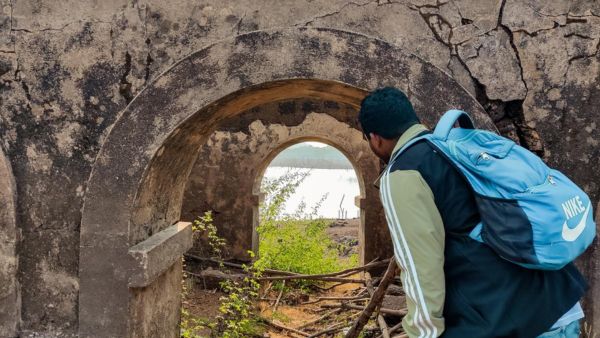
Inside Curdi, the submerged Goan village that emerges between April and June
- May 30,2024
- The Hindu
We have just arrived in Curdi…the submerged village that emerges only between April and June every year. I look down at my feet and see deep, gaping cracks fanning out on the dry and arid land. It looks parched. As a reprieve from the overbearing heat, sweet strains of music cut through the sultry heat and seem to travel to us from far away. We listen rapt. “The music ceremony has begun in the temple,” announces Pankaj Kamble, our young and raring-to-go storyteller cum tour ambassador from Soul Travelling. His stories about Curdi are plentiful. Looking around, he points to the home of renowned classical vocalist Mogubai Kurdikar, born here in 1904, also known as the mother of the well-known singer Kishori Amonkar. “Curdi was a thriving, bustling village and the inhabitants, now displaced, come visiting their lost homeland every year in the summer months,” says Pankaj.Soul Travelling has been conducting storied trails around this village every Sunday during the summer, and there has been a rising popularity, thanks to social media. Today, there is a buzz as we see cars stopping by and people spilling out in droves. The temple is at a distance, but the colourful festoons surrounding it, make it look ceremonious. This is the Shree Someshwar Temple and the annual festival that takes place on the third Sunday of May happens to be today. The temple is dedicated to Lord Shiva, and perhaps the only structure, a relic from the past, that still remains intact. Upon arriving in Curdi, we first stop at the Portuguese Checkpost, draped in thick ivy and other wild creepers, a nod to its glorious past. This meant that the village was one of considerable significance during its yesteryears. We are regaled with stories from Curdi as we stand facing the ruins of the Panchayat building, post office and what appeared to have been a school. Afterwards, our group scatters to discover numerous tulsi pedestals that belonged to private home courtyards. Legend has it that once upon a time, this was a village of flourishing abundance, the bounty of its agriculture, nourishing many families. So fertile was the land that it yielded the most sought-after fruits and cashew nut harvests, year after year. Today, the parched surroundings are testimony to the fact that Curdi gave in to the swell of the river when the Salaulim Dam water rose. When the Salaulim Dam project was commissioned by Goa’s first Chief Minister Dayanand Bandodkar, the villages and hamlets around Curdi, namely Kurpem and other smaller wards like Dhapode, Kaman, Unan, Karemal, Stristal, Akrimal, Talsai, etc. in the Sanguem taluk were in peril. At first, the inhabitants would not take it seriously, but when the water level started rising at an alarming rate, people abandoned their houses and fled. “I was only 15-years-old at that time, but remember leaving hurriedly to an uncertain place with my grandfather, parents and two sisters. We had to leave everything behind and start all over again,” reminisces 57-year-old Ajay Curdikar, who runs his catering business from nearby Vaddem. Here, many former residents were reinstated between 1983 and 1986, with a Government grant of 10,000 square metres of agricultural land and 400 square metres of land for housing purposes. Each year, during the Someshwar Festival, Ajay Curdikar, his sisters and their families, along with other Curdi residents, gather at the temple for a day of music and feasting. Thousands of people, some from nearby Karnataka, and those who had any ties to Curdi, would visit the temple during that day to reminisce, soak up a day filled with classical ragas and enjoy a hearty feast, where the star dish was the famed khatkhate, a Goan vegetarian stew made from local, seasonal vegetables and spices. Exploring Curdi is not a new thing, but has gained momentum in the last few years, reveals archivist Balaji Shenoy, 32, who used to conduct such walks here in 2014, right after finishing his college degree. He now works for the Government of Goa’s Department of Archaeology. Balaji reveals many lost aspects about Curdi, among which is the fascinating discovery of the 8.2-feet Lajja Gauri or mother goddess, an ancient statue carved out of laterite stone. “This statue was salvaged from the Salaulim River bank and was estimated to have existed for at least 2,500 years. It can now be found in Verna at the Mahalasadevi Temple,” he says. “Later in 2018, another eight-feet tall idol of Betal, or the guardian protector of Curdi, weighing around one tonne was salvaged and is in the custody of the Archaeological Department in Panjim.” Intrigued with stories of this doomed village we finally return. Whether or not Curdi keeps making its reappearance, one thing is certain…..its stories and memories will live on.
Read more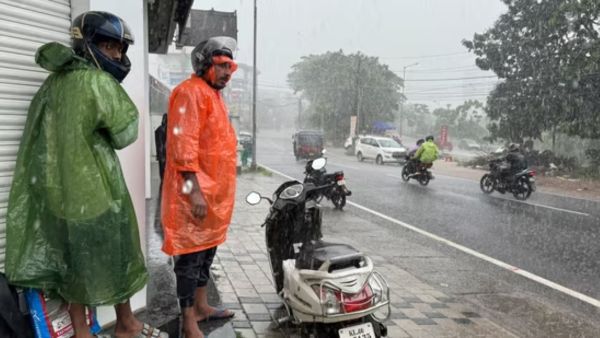
Kerala: Tourist centers closed, night travel ban imposed as heavy rains trigger landslides
- May 30,2024
- Hindustan Times
Intense downpour accompanied by gusty winds on Tuesday wreaked havoc in central and south Kerala, as landslides, widespread water-logging and the destruction of houses forced several people to shift to relief camps. Tourist centres have been closed in many districts, including Kottayam and Thiruvananthapuram and a night travel ban has been imposed in the hilly areas of Idukki district. The landslide caused widespread destruction in the Chokkallu area of Bharananganam village in Kottayam. In Ernakulam district, particularly Kochi city, extremely heavy rainfall lasted for hours, submerging roads in many areas. Experts said cloudbursts could be the reason for the heavier-than-usual rainfall that pounded various parts of the port city of Kochi, especially the Kalamassery locality, where flood water entered hundreds of houses. Both Kottayam and Ernakulam districts were placed on red alert by the Indian Meteorological Department (IMD) on Tuesday. With the weather agency predicting heavy rainfall in the coming hours, the district administration banned tourists from entering famed holiday destinations like Illikkal Kallu, Ilaveezhapoonchira, Marmala stream in Kottayam and Ponmudi eco-tourism centre in Thiruvananthapuram. As the water level in the Meenachil River in Kottayam and Killiyar in Thiruvananthapuram steadily rose, authorities urged local people living on its banks to pay extra vigil and shift to safer places if necessary. Chief Minister Pinarayi Vijayan, in a Facebook post, warned that the extremely heavy rainfall is likely to trigger dangers such as landslides, mudslides, flooding, and so on. He said that the chances of waterlogging and inundation are high in low-lying areas and along riverbanks. The CM also advised people to avoid unnecessary travel and urged them to remain in safer places. Officials said shutters of dams like Aruvikkara and Malankara dams were raised at particular intervals. Several families were shifted to relief camps, especially in rural and coastal areas in various districts, they said. South and central districts like Thiruvananthapuram, Kollam, Kottayam, and Ernakulam mainly bore the brunt of the continuous downpour, which caused waterlogging, damage to houses, trees to be uprooted, and tiny water bodies to overflow, cutting across towns and villages. Earlier in the day, many narrow lanes and busy roads in Kochi city and adjacent areas were submerged due to continuous downpours. People could not venture out of their homes in many areas of the port city as roads were flooded. Vehicles were seen moving at snail's pace on highways following the rain. Normal life was hit in the Kakkanad-Infopark, one of the IT hubs of the state, and Aluva-Edappally areas due to waterlogging. An uprooted tree fell on a state-run KSRTC bus at Thoppumpady in Kochi. Luckily, passengers escaped unhurt. Intense rains caused mudslides and disrupted traffic on Erattupetta and Vagamon roads in Kottayam district. The city and rural areas of the capital district of Thiruvananthapuram have witnessed heavy rains since Monday night. In nearby Neyyattinkara, a house was severely damaged after an uprooted tree fell on it during heavy rains accompanied by winds. Nedumangad, Neyyattinkara, Kattakkada, and Amboori areas, located in the high ranges of the district, received widespread rainfall. According to the local residents, a portion of a hill behind the famous Bali mandapam at Papanasam in nearby Varkala caved in because of heavy rains. High tides and rough seas were witnessed in coastal areas, posing a threat to fishing vessels. Two incidents of boat capsizing were also reported off the coasts of Muthalapozhi fishing hamlet, located about 30 kilometres away from here. An orange alert was sounded in Pathanamthitta, Alappuzha, and Idukki, while Thiruvananthapuram, Kollam, Thrissur, Palakkad, Malappuram, and Kozhikode were placed under a yellow alert, as per the latest IMD update. A red alert indicates heavy to extremely heavy rain of over 20 cm in 24 hours, while an orange alert means very heavy rain of 11 cm to 20 cm, and a yellow alert means heavy rainfall between 6 cm and 11 cm.
Read more
Thailand extends visa stays for students and tourists; find all details here
- May 30,2024
- Times Of India
Thailand recently unveiled an ambitious plan to boost its tourism sector and facilitate travel of tourists. If reports are to go by, this comprehensive strategy encompasses a series of measures aimed at extending visa stay periods for various categories of visitors. Latest developments suggest that the Thai Government is rolling out initiatives to attract a more diverse range of visitors and residents, along with tourists, postgraduate students, remote workers, and retirees. The goal of this initiative is the extension of visa stay periods. Commencing in June, tourists from as many as 93 countries will be granted the privilege of staying in Thailand for up to 60 days. This represents a significant expansion from the current list of 57 nations eligible for this extended stay, as revealed by government spokesperson Chai Wacharonke. Moreover, the government is extending the stay limits for on-arrival visas, doubling the duration from 30 to 60 days. This move is poised to facilitate smoother entry processes for a greater number of visitors, thereby streamlining travel arrangements and enhancing the overall tourism experience. Furthermore, the benefits extend beyond short-term tourism, catering to long-term residents and students as well. Postgraduate students from abroad will enjoy an additional year of stay upon completing their studies, providing them with more time to explore career opportunities or contribute to Thailand’s academic landscape. Additionally, the government is easing insurance requirements for foreigners seeking retirement in Thailand. This policy adjustment is aimed at making the retirement option more accessible and attractive to prospective retirees, potentially bolstering the country's expatriate community and injecting vitality into local economies. These progressive measures are strategically crafted to not only stimulate tourism, but also to foster economic growth and job creation. By attracting a broader spectrum of visitors and residents, Thailand aims to diversify its economic base and cultivate resilience in the face of global uncertainties. This proactive approach showcases Thailand's commitment to positioning itself as a premier destination for leisure, education, work, and retirement, ensuring sustained prosperity for its people and stakeholders alike. Also, as reported earlier, Thailand was initially offering visa-free entry until May 10, 2024, which has now been further extended. According to reports, Indian passport holders can now enjoy visa-free access for an additional six months, until November 10, 2024. This extension provides a generous 30-day stay, doubling the previous allowance.
Read more