Now, travel to Taj Mahal via Metro! PM Modi to launch the Agra ‘priority corridor’ today

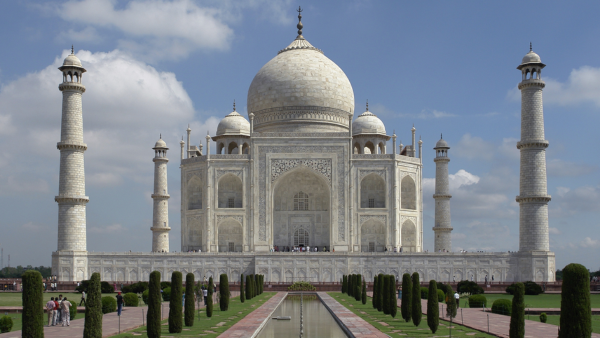
Today, Prime Minister Narendra Modi will be inaugurating the eagerly anticipated new segment of the Agra Metro. This section, also known as the 'priority corridor,' will be covering key tourist attractions like the Taj Mahal and Agra Fort. With regard to this, officials have announced five trains, each with the capacity of accommodating 700 passengers. If reports are to go by, it will run daily from 6 AM to 10 PM. The priority corridor, stretching from Taj East Gate to Mankameshwar Temple, will include stations such as Taj East Gate, Shaheed Captain Shubham Gupta Metro Station, Fatehabad Road MS, Taj Mahal, Agra Fort, and Mankameshwar Temple. The first three stations will be elevated, while the remaining three will be underground. The Agra Metro project encompasses two corridors totaling 29.4 km, linking Taj Mahal, Agra Fort, and Sikandra with railway stations and bus terminals. Panchanan Mishra, spokesperson of UP Metro Rail Corporation (UPMRC), stated that the total expenditure amounts to NR 8,379.6 crore, which will be benefiting the city's population of 26 lakhs and cater to over 60 lakh tourists annually. The Mass Rapid Transit System aims to provide an eco-friendly transport solution for the city. The tariff for the corridor is set at INR 10 for travelling between stations, INR 20 for two stations, and INR 30 for three to six stations.

Read more

Supreme Court bans tiger safaris in Jim Corbett National Park’s core areas

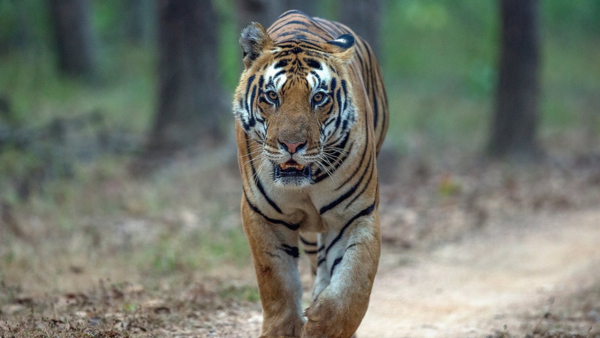
In a significant development, the Supreme Court, on Wednesday, announced a ban on tiger safaris within Uttarakhand's Jim Corbett National Park. The apex court's order specified that tiger safaris would now only be permitted in the peripheral and buffer zones surrounding the national park. If reports are to go by, this decision is part of the court's broader effort to safeguard the natural habitat of these majestic creatures and mitigate the potential impact of tourism on the core areas of the forest reserve. While permitting the creation of tiger safaris in the peripheral and buffer zones, the Supreme Court has imposed rigorous conditions to safeguard wildlife and the environment. This decision aims to strike a careful balance between promoting tourism and preserving the integrity of the delicate ecosystems within the Jim Corbett National Park. Simultaneously, the court expressed strong disapproval of former Uttarakhand Forest Minister Harak Singh Rawat and then divisional forest officer Kishan Chand for their involvement in illegal construction and tree felling activities at the Corbett Tiger Reserve. The court's rebuke underscores the gravity of environmental damage caused by such actions and emphasises the need for accountability in safeguarding protected areas. The Supreme Court's intervention extends beyond the ban on tiger safaris, addressing broader environmental concerns within the Tiger reserve. The court has demanded a comprehensive status report within three months, specifically focusing on illegal construction and tree felling. In its remarks, the court highlighted a troubling nexus between politicians and forest officials, emphasising that this alliance has led to severe environmental degradation for political and commercial gains. The Supreme Court has entrusted the Central Bureau of Investigation (CBI) with the task of investigating these allegations and expects a detailed interim report on the progress made.

Read more

Japan: Mount Fuji imposes INR 1108 entry fee to tackle overtourism issues

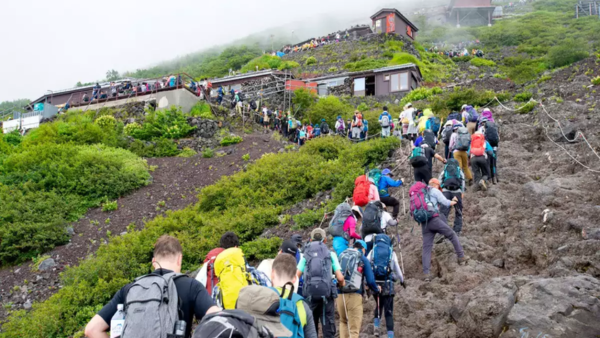
Mount Fuji, an iconic UNESCO World Heritage site representing Japan's cultural and natural significance, is taking action to address overcrowding concerns by introducing new regulations for climbers. The mountain has been grappling with issues such as human traffic jams, littered foothills, and poorly equipped hikers. Notably, some individuals have been attempting the ascent wearing inappropriate footwear, such as sandals, adding to the challenges faced by this popular Japanese landmark. In an effort to address the issue of overcrowding on Mount Fuji, the Yamanashi prefectural government, which oversees the management of the mountain, has recently voted to introduce a fee of 2,000 yen (INR 1108) per climber. This decision aims to reduce congestion and ensure a safer climbing experience for visitors. Also, to make the climbing experience wholesome, visitors may take out some time to understand the local culture. Mount Fuji is a sacred mountain in Japan, and there is the age-old tradition of ascending Mount Fuji from its foothills. This is a part of the rich heritage of the Fuji-ko and Oshi cultures, which have long supported the worship of this sacred mountain. By integrating these cultural aspects into the climbing experience, it is possible for the visitors to foster a deeper connection between climbers and the mountain's spiritual significance. Coming back to the issue of overtourism, as per reports, the local government intends to implement a daily cap of 4,000 climbers to alleviate congestion and minimise environmental impact. Additionally, the introduction of new guides tasked with ensuring safety along the trails signifies a concerted effort to manage the influx of visitors responsibly. These guides will play a crucial role in educating climbers about proper mountain etiquette, such as refraining from sleeping beside the trail, avoiding the ignition of fires, and dressing appropriately for the conditions. The mounting foot traffic on the 3,776-metre (12,388-foot) mountain underscores the need for proactive measures to preserve its natural beauty and cultural significance. Prefectural data indicates that in 2019, five million individuals climbed Mount Fuji, marking a notable increase of three million since 2012. If reports are to go by, overtourism on Mount Fuji is also leading to issues such as littering, increased CO2 emissions, and irresponsible behaviour among hikers.

Read more

Mumbai to soon have driverless pod taxis running between Bandra and Kurla

As per the latest news reports, Mumbai will soon have pod taxis running between Bandra and Kurla. If reports are to go by, the Mumbai Metropolitan Regional Development Authority has recently sanctioned the introduction of a pod taxi service in the Bandra-Kurla Complex (BKC) region, marking a significant development as the first such service in Mumbai's financial hub. The decision aims to tackle the notorious traffic congestion in the BKC area. The Maharashtra government, on Tuesday, unveiled plans for a pod taxi service to streamline transportation to the Bandra-Kurla Complex, a prominent business hub. If reports are to go by, the Mumbai Metropolitan Region Development Authority (MMRDA) granted approval for the pod taxi service along the 8.8 km route connecting Bandra and Kurla railway stations, as announced by the Chief Minister's office. These pods will be capable of accommodating six passengers each, whereas they will be operating at a speed of 40 km per hour and make a total of 38 stops along the designated route. The initiative will be executed through a public-private partnership, aiming to enhance commuting convenience between the two railway stations and BKC. Reports further add that the pod taxi service will be covering more than 8 km between Bandra and Kurla railway stations. The project's design involves halts at 38 locations, and the overall execution will be a result of collaboration between the public and private sectors. Initially estimated at INR 50 crore per km in 2017, the current projected cost, reportedly, stands at INR 1,018 crores. The proposal also includes establishing a depot spanning 5,000 sq m within BKC, with additional details like ticket prices set to be determined soon. The pod taxis, measuring 3.5 m in length, 1.47 m in width, and 1.8 m in height, will represent a novel public transport solution. Although already operational in a few other countries, the imminent introduction of the pod taxi service in Mumbai holds the potential to revolutionise local public transportation. In a related development, the Yamuna Expressway Industrial Development Authority (YEIDA) has endorsed the detailed project report for a INR 810-crore project in Sector 21, featuring 12 stations along a 12-km route connecting two major projects within the YEIDA area. Pod taxis, officially recognized as Personal Rapid Transit (PRT), signify a unique public transportation system using small, driverless vehicles designed for limited passengers or cargo.

Read more

Why 'destination dupes' are the latest travel-twinning trend

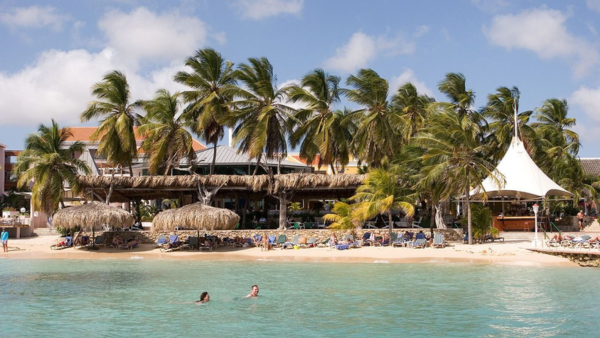
Liverpool for London, Paros for Santorini and Curacao for St Martin. Destination dupes are one of 2024's biggest travel trends, according to travel tech company Expedia, with travellers eschewing popular destinations in favour of lesser-known, more budget-friendly options that offer similar experiences without the costs and crowds. Across the world, travel has seen a massive bounce-back after the pandemic. With air passenger traffic reaching nearly 95% of pre-pandemic levels in 2023, many destinations are now charging some sort of tourist tax to help address fears of overtourism. Enter: destination dupes, or duplicates. These lower-budget, less-crowded destination "twins", are being shared via social media and helping to lure travellers off the beaten path. Lavina Dsouza, a creator based in Leeds, UK, began travelling to dupes long before the term was coined. "I was randomly searching for destinations similar to Brugge and ended up in Ghent. When I did eventually visit Brugge, it was extremely crowded and I realised I had ended up having a better time in Ghent," she said. Over the years, Dsouza has also gone on to travel to Palawan in the Philippines (a dupe for the Maldives, according to Expedia) and Liverpool (a dupe for London, from the same list). Janavi Iyer, a traveller from Vadodara, India, said the dupe trend continues to rise in popularity, revealing that as she researched more affordable, less crowded beach vacations, she decided Turkey's Bodrum coast would be the perfect stand-in for over-touristed St Tropez. "We live in an age where there's no off-season for travel, and so this is the best way to plan your holidays, as it combines affordability, authenticity and lets you escape the crowds," she said. According to Expedia’s list, popular dupes worldwide include Taipei instead of Seoul, Perth instead of Sydney, Pattaya instead of Bangkok, Palermo instead of Lisbon, Quebec City instead of Geneva and Memphis instead of Nashville.

Read more

Affordable places in India to visit in march end

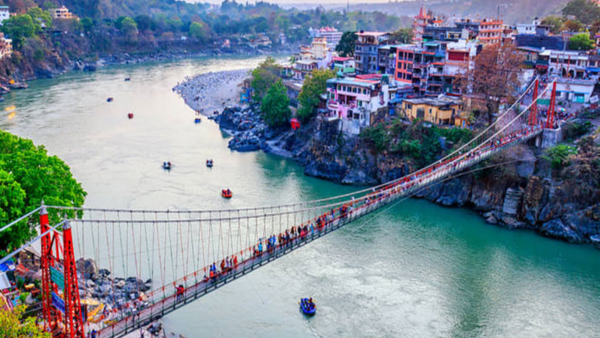
Rishikesh, Uttarakhand Situated on the banks of the Ganges River and nestled in the foothills of the Himalayas, Rishikesh is renowned for its spiritual significance and offers opportunities for yoga, meditation, and adventure activities like river rafting and trekking. Haridwar, Uttarakhand Another sacred city along the Ganges, Haridwar is known for its ghats (riverfront steps), where pilgrims perform ritualistic bathing to cleanse their sins. It's also home to numerous temples and ashrams. Goa Famous for its pristine beaches, vibrant nightlife, and Portuguese heritage, Goa attracts travellers from all over the world. In March, after the peak tourist season, you can enjoy the beaches, explore historic churches and forts, and indulge in seafood at affordable prices. Goa Famous for its pristine beaches, vibrant nightlife, and Portuguese heritage, Goa attracts travellers from all over the world. In March, after the peak tourist season, you can enjoy the beaches, explore historic churches and forts, and indulge in seafood at affordable prices. Udaipur, Rajasthan Often referred to as the Venice of the East, Udaipur is famous for its enchanting lakes, majestic palaces, and vibrant bazaars. Visit attractions like City Palace, Jag Mandir, and enjoy a boat ride on Lake Pichola while admiring the scenic views. Puducherry A former French colony, Puducherry boasts a unique blend of Indian and French cultures. You can wander through the charming streets of the French Quarter, relax on the beaches, visit Auroville, and savour delicious French and South Indian cuisine. Kodaikanal, Tamil Nadu Nestled amidst the rolling hills of the Western Ghats, Kodaikanal is a serene hill station known for its verdant landscapes, scenic lakes, and pleasant weather. Enjoy nature walks in the pine forests, visit attractions like Bryant Park and Coaker's Walk, and indulge in homemade chocolates. McLeod Ganj, Himachal Pradesh Located in the foothills of the Dhauladhar Range, McLeod Ganj is the residence of the 14th Dalai Lama and a thriving Tibetan community. Explore Tibetan culture, visit the Dalai Lama Temple, trek in the surrounding mountains, and savour delicious Tibetan cuisine. Hampi, Karnataka A UNESCO World Heritage Site, Hampi is famous for its ancient ruins, temples, and boulder-strewn landscapes. You can explore the remnants of the Vijayanagara Empire, visit attractions like Virupaksha Temple and Vittala Temple, and witness stunning sunsets over the Tungabhadra River. Varanasi, Uttar Pradesh One of the oldest continuously inhabited cities in the world, Varanasi is a spiritual hub on the banks of the Ganges River. Witness mesmerising Ganga Aarti ceremonies, explore narrow alleys filled with temples and markets, and experience the vibrant culture and rituals of Hinduism.

Read more