Goods train travels 70km without its driver

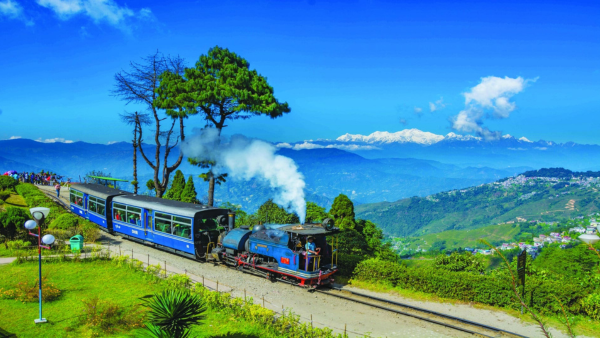
Unmanned freight train travels 84km in India after engineers forget brakes, reaching close to 100km/hr. No injuries; train stopped safely by authorities. An unattended freight train travelled 84km with no one at the controls from Jammu to Punjab early on Sunday after both its engineers forgot to engage the brakes when they halted at Kathua station, ostensibly for tea. No one was injured as railway officials sounded an alarm and cleared the tracks on the way while also closing off all rail crossings over roughly two panic-filled hours, as experts said the train should have been stopped much sooner. Hindustan Times - your fastest source for breaking news! Read now. The train began moving because the station is at a slope, and the gradient continues for miles, which meant the 53 wagons and the two diesel locomotives gathered enough momentum to reach what officials estimated was close to 100km/hr. Jammu railway station director and divisional traffic manager Prateek Srivastava rushed to the Kathua station shortly after the train began “We alerted all the stations and mobilised entire staff. A rail track was defined for the train to avoid any accident and bring it to a safe halt. We succeeded and the train was eventually stopped at Uchhi Bassi in Mukerian,” said Srivastava. Former member (traffic) of the Indian Railway Board Shri Prakash said, “ The incident was quite dangerous and involved great risks. It could have endangered lives. However, such incidents are rare. In case of any runaway train the officials ensure that there is no collision and route is made available for the runaway train to pass the stations safely. In this case however the train was stopped too late. Efforts should have been made to stop the train within a short distance, possibly at the next station.”

Read more

Pamban Bridge, India's first-ever vertical lift sea bridge, to be up and ready soon!

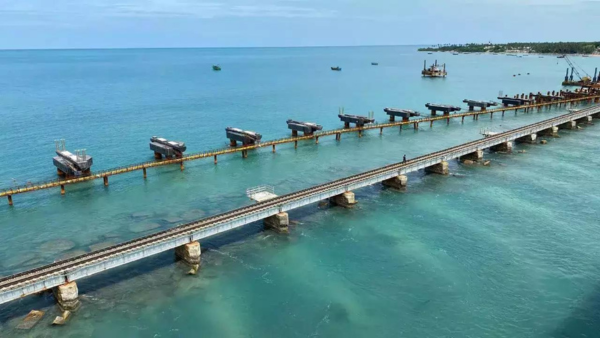
India's first-ever vertical lift bridge over sea is near completion. Jaya Varma Sinha, Chairperson of the Railway Board, recently announced that the Pamban railway bridge, India's pioneering vertical-lift bridge connecting the mainland with Rameswaram Island, will be ready soon, and in all likelihood, will be ready for use too. Following a recent visit to Rameswaram to assess the project's progress, Varma affirmed that the reconstruction is advancing smoothly. Although there were numerous challenges faced during the reconstruction, the dedicated team demonstrated remarkable commitment. Referring to this, the Railway Board Chairperson and CEO added that erecting a vertical-lift bridge, a first-of-its-kind in the nation, over turbulent seas presents significant challenges. The new Pamban bridge, which will be India's inaugural vertical lift railway bridge over the sea, is indeed an engineering marvel. Constructed parallel to the old Pamban bridge by Rail Vikas Nigam Limited at an estimated cost of INR 535 crore, it will serve as a vital link between Rameswaram on Pamban Island and Mandapam on the mainland. Prime Minister Narendra Modi laid the foundation stone for the new Pamban bridge in November 2019. Construction commenced in February 2020, with an initial completion target of December 2021, extended due to the COVID-19 pandemic.

Read more

Arunachal: Dalai Lama’s escape trail to be developed into a tourism spot

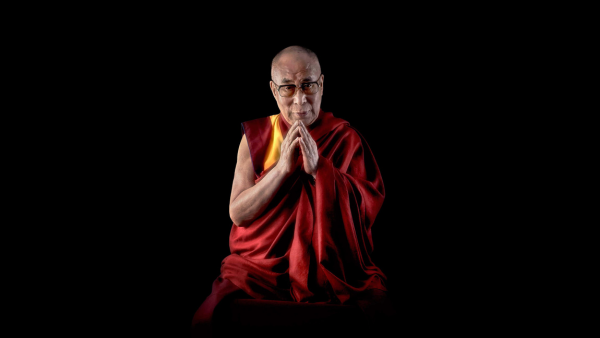
As per the latest development, the Arunachal Pradesh government is actively transforming the escape trail of the Dalai Lama, the revered Tibetan spiritual leader, into a vibrant spiritual and religious tourism circuit. If reports are to go by, Lumla, situated in the Tawang district, is poised to make a mark in the national tourism map, as it played a pivotal role during the Dalai Lama's escape from Lhasa to India in 1959. Spearheaded by the public works department, this ambitious project involves the construction of five monoliths at locations where the Dalai Lama rested overnight during his historic journey. The Swadesh Darshan scheme focuses on developing quality infrastructure to provide a better experience for visitors and foster economic growth. Arunachal Pradesh has received allocations for various circuits, including the Bhalukpong-Bomdila-Tawang circuit. The completed Maitreya Buddha statue and ongoing developments are anticipated to significantly enhance tourism in the region. MLA Tsering Lhamu from Lumla stressed the significance of Gorsam Chorten Gonpa, attracting tourists during the Kora festival. Plans to develop adventure tourism, including organizing festivals to celebrate the black-necked crane and red panda, are in the pipeline to appeal to nature enthusiasts. These initiatives align with the region's cultural and ecological richness, positioning it as an emerging destination for spiritual, religious, and adventure tourism.

Read more

Air India’s new inflight safety video celebrates India's rich cultural heritage

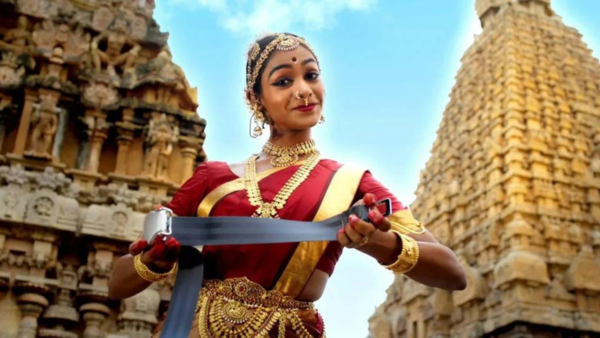
Air India's latest inflight safety video, Safety Mudra, supported by the Tata Group, celebrates India's cultural richness and traditions. The video, shared on X, invites passengers to immerse themselves in the captivating world of Indian classical dance and folk art while receiving essential safety instructions. Recognising the timeless role of these art forms as mediums for storytelling and education, Air India's post on X emphasised the seamless integration of tradition and modernity in the safety demonstration. By incorporating elements from India's diverse dance traditions, the airline aims to not only ensure passengers' safety but also showcase the beauty and depth of the country's cultural heritage. With 'Safety Mudra', Air India endeavours to elevate the inflight safety experience, offering passengers a unique and engaging presentation that reflects the essence of India's artistic legacy. Through this initiative, the airline not only fulfils its safety obligations but also contributes to the promotion and preservation of India's rich culture on a global platform.

Read more

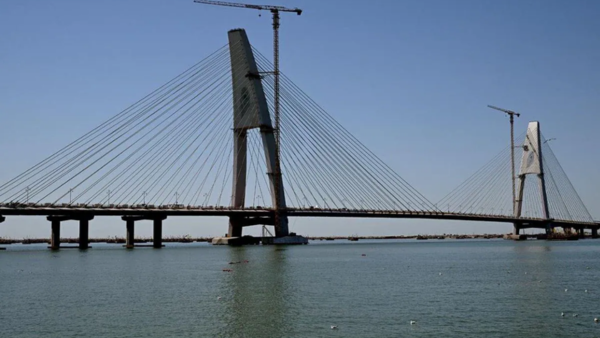
Gujarat: Sudarshan Setu, India's longest cable-stayed bridge inaugurated by PM Modi

The inauguration of Sudarshan Setu by Prime Minister Narendra Modi marked a significant milestone for infrastructure development in India. With a total length of 2.32 kilometers, Sudarshan Setu is now India’s longest cable-stayed bridge. The bridge spans the distance between the Okha mainland and Beyt Dwarka in Gujarat. What sets Sudarshan Setu apart is not just its impressive length but also its unique design elements. The inclusion of a footpath adorned with verses from the Bhagavad Gita and images of Lord Krishna adds a cultural and spiritual dimension to the bridge. This design choice not only showcases India's rich cultural heritage but also offers a serene and contemplative experience for those crossing the bridge. Moreover, Sudarshan Setu is not just a bridge for transportation but also a step towards sustainability. By generating one megawatt of electricity, the bridge contributes to reducing carbon emissions and promoting clean energy solutions.

Read more

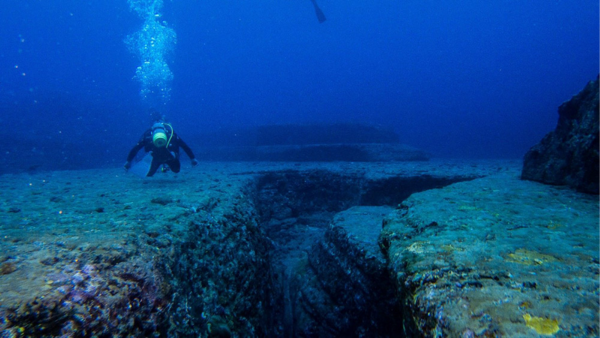
PM Modi goes diving in Dwarka; calls it 'divine experience'

Prime Minister Narendra Modi embarked on a unique adventure on February 25, participating in scuba diving off the Arabian Sea coast at Panchkui beach in Gujarat. Following this exhilarating activity, he visited the ancient site of Dwarka and offered prayers. Submerging underwater, he described the experience as deeply spiritual, highlighting the profound connection between nature and spirituality. Here, amidst the ruins of the legendary city submerged underwater, he offered prayers, connecting with the rich heritage and deep spirituality of the region. Describing the dive as profoundly spiritual, PM Modi emphasised the sense of awe and wonder inspired by the underwater world, underscoring the harmony between humanity and nature. Dwarka holds immense importance in Hindu mythology and is believed to be the kingdom of Lord Krishna. Scuba diving off the coast of Dwarka near Beyt Dwarka island offers a unique opportunity for enthusiasts to explore the underwater remnants of ancient Dwarka. These archaeological remains, meticulously excavated by experts, provide valuable insights into the historical and cultural landscape of the region. Through initiatives like scuba diving expeditions, efforts are made to promote awareness and appreciation of India's rich heritage, allowing people to connect with their roots in a tangible and immersive manner. In a heartfelt post on X, Prime Minister Narendra Modi shared his reflections following his scuba diving expedition in Dwarka. Expressing his reverence for the spiritual significance of the ancient city, submerged beneath the waters, PM Modi conveyed a profound sense of connection to a bygone era.

Read more