Malaysia, Thailand & Vietnam Push Smart Tourism Growth for 2026

In 2026, Asian tourism is undergoing a transformation, moving away from the traditional volume-based recovery towards a more sustainable, high-value, and digitally-integrated future. This shift is being driven by national tourism organizations (NTOs) and government ministries across the continent, who are launching ambitious campaigns aimed at changing global perceptions while also stimulating domestic markets. The convergence of cultural festivals, trade exhibitions, and bilateral agreements during May and June 2026 serves as a critical moment for these campaigns, offering an exciting glimpse into the region’s future tourism landscape. Malaysia: Visit Malaysia 2026 (VM2026) Campaign Malaysia is set to have its most significant tourism year in decades with the launch of “Visit Malaysia 2026” (VM2026). This multi-billion ringgit initiative, announced on January 6, 2026, by Prime Minister Datuk Seri Anwar Ibrahim, marks the sixth edition of the iconic “Visit Malaysia” program. Its theme, “Surreal Experiences,” captures the essence of the country’s unique tourism offering. With ambitious goals to attract 35.6 million international tourists and generate RM 147.1 billion in revenue, Malaysia is positioning itself as a top destination for medical tourism, ecotourism, and affordable luxury. Thailand’s tourism strategy in 2026 focuses on attracting high-spending visitors through world-class events and targeted promotions. The Tourism Authority of Thailand (TAT) has launched a new campaign that is heavily influenced by pop culture, appointing Lisa Manobal (Lisa of BLACKPINK) as the “Amazing Thailand Ambassador.” Key festivals and events in May and June, such as the Inthakhil Festival in Chiang Mai and the Boon Bang Fai Talai Lan in Kalasin, offer tourists the chance to experience Thailand’s deep cultural roots. Through a blend of culinary experiences, handicraft workshops, and cultural performances, Thailand aims to solidify its position as a global tourism hub.

Read more

Europe Air Passenger Traffic Rises 3.8% Despite Global Challenges

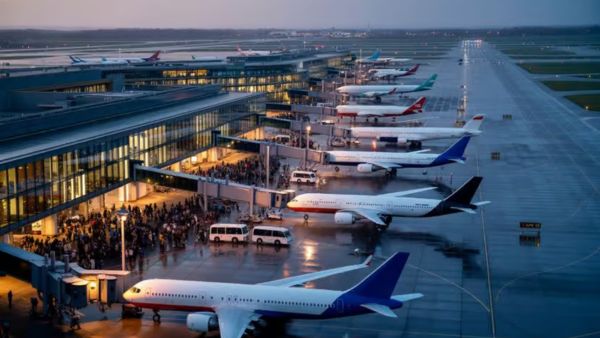
European airports continue to show resilience, with passenger traffic rising by 3.8% in March 2026, despite the geopolitical challenges posed by the ongoing conflict in the Middle East. This growth signals the aviation industry’s ability to weather significant disruptions and adapt to changing circumstances. According to the latest ACI Europe report, the EU+ market—which includes airports in the European Union, EEA, Switzerland, and the UK—saw an impressive growth rate of 4.1% in March compared to the same period in 2025. This increase is remarkable considering the negative impact of the conflict that erupted in February, particularly on airports with direct connections to the Middle East. The Middle Eastern conflict caused a drop in passenger numbers in some regions, especially affecting Israeli airports, where traffic fell by a staggering 86.3%. In contrast, airports outside the EU+ market, including regions like North Macedonia, Moldova, and Bosnia & Herzegovina, experienced even stronger growth rates, showcasing that other parts of Europe are recovering rapidly. Introduction: European Aviation Shows Resilience Amid Turmoil European aviation continues its steady growth, demonstrating the resilience of the air travel market even in the face of unprecedented challenges. Passenger numbers in European airports grew by an impressive 3.8% in March 2026, reflecting the aviation sector’s strength and adaptability. This growth is especially significant considering the backdrop of the Middle East conflict and its ripple effects on global air traffic. Despite the disruptions, European airports have proven their ability to maintain steady growth, driven by strong performances in EU+ markets and emerging markets in Eastern Europe.

Read more

India Passport 2026: 56 Visa-Free Destinations Revealed

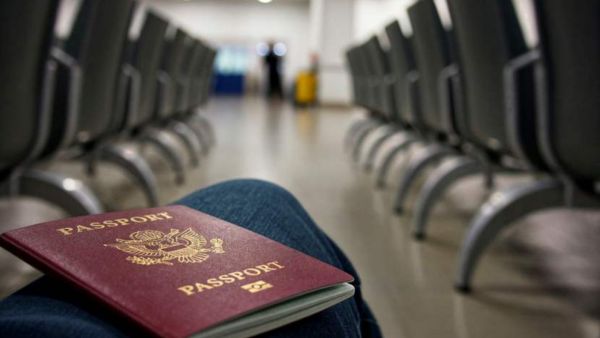
The global landscape of travel mobility is frequently monitored through the Henley Passport Index, a specialized tool used to rank the world’s passports according to the number of destinations their holders can access without a prior visa. In the most recent data release for May 2026, it is noted that the Indian passport has experienced a transition from its previous 75th position to the 78th spot. This evaluation is based on exclusive data provided by the International Air Transport Association (IATA), which maintains the world’s largest and most accurate database of travel information. It is explained by experts that such a shift in ranking does not necessarily indicate a decline in the diplomatic strength of the nation. Rather, it is often a reflection of the evolving visa policies of other sovereign states and the shifting positions of other countries within the index. It is further highlighted that the total number of destinations accessible to Indian citizens without a pre-arranged visa has remained stable at 56, even as the numerical rank adjusted. Understanding the Three Tiers of Entry Access to international territories for Indian nationals is categorized into three distinct simplified entry methods. These are designed to facilitate easier movement across borders without the traditional, often cumbersome, visa application process. The first category is visa-free entry, which is extended by 30 different nations. In these jurisdictions, the passport is presented upon arrival, and entry is granted for a specified duration without any prior documentation or fees. The second category is the visa-on-arrival facility, which is currently offered by 23 countries. This system allows travelers to obtain their entry permits at the airport or border checkpoints of the destination country. Lastly, a small group of three destinations requires an Electronic Travel Authorisation (ETA). This is a digital screening process that must be completed online before departure, providing a streamlined alternative to traditional consular visas.

Read more

Singapore Drives Surge in Global Medical Tourism

Bangladesh is reportedly experiencing a major transformation as Medical Tourism steadily develops into one of the most influential sectors connected with healthcare, aviation, hospitality, and international travel. Every year, thousands of patients are believed to be traveling overseas in search of advanced treatment procedures, specialized surgeries, quicker diagnoses, and improved healthcare experiences. As this movement continues expanding globally, Medical Tourism is no longer being viewed merely as a journey connected to hospital treatment abroad. Instead, it is increasingly evolving into a large international ecosystem that combines healthcare coordination, accommodation planning, transportation management, patient assistance, and long-term travel support services. Simultaneously, the increasing demand for cross-border healthcare is reportedly reshaping the global travel industry in significant ways. Patients are now prioritizing advanced medical technology, international-standard healthcare systems, and specialized treatment facilities while selecting overseas destinations. Consequently, countries such as India, Thailand, Singapore, Malaysia, and Turkey are steadily strengthening their positions as leading healthcare destinations for travelers from Bangladesh. This ongoing transformation is also boosting airline connectivity, expanding hospitality services, influencing tourism patterns, and creating new opportunities across international tourism markets. As global healthcare awareness continues rising, Medical Tourism is expected to become one of the world’s most influential international service industries in the years ahead. The Extraordinary Growth of Overseas Healthcare Travel The demand for overseas healthcare services among patients from Bangladesh is reportedly increasing at an extraordinary pace. A growing number of individuals are believed to be traveling abroad in order to gain access to better healthcare infrastructure, advanced treatment procedures, specialized surgeries, and modern medical technologies that may not always be available locally.

Read more

Cambodia Tourism Declines Amid Regional Travel Shift

Vietnam joins Thailand, US, South Korea, Japan, Indonesia, Laos, and more in contributing to Cambodia’s over sixteen percent decline in tourist arrivals in 2025, significantly impacting the country’s tourism growth. This sharp drop in international visitors can be attributed to a combination of economic challenges, regional geopolitical tensions, and changing travel behaviors. Neighboring countries like Vietnam, Thailand, and South Korea saw reduced outbound tourism due to rising travel costs, shifting preferences, and global uncertainties. As a result, Cambodia, a traditionally popular destination in Southeast Asia, faced considerable challenges in maintaining its tourism momentum, affecting both tourism revenue and sector employment. In 2025, Cambodia’s tourism industry faced a challenging year, marked by a significant decline in international visitor numbers. Official statistics revealed a 16.9% drop in foreign arrivals compared to the previous year. While Cambodia remains a key destination in Southeast Asia, the decline in tourist arrivals can be attributed to a combination of geopolitical tensions, global economic instability, and regional shifts in travel behavior. The most notable declines came from neighboring countries, including Vietnam, Thailand, South Korea, Japan, and Indonesia, with each contributing to the overall decrease in visitor numbers. This article explores the key countries that played a role in Cambodia’s tourism downturn in 2025 and examines the implications for the industry moving forward. Vietnam: The Largest Decline from ASEAN Markets Vietnam, Cambodia’s close neighbor and one of its largest source markets, experienced a substantial decline in tourist traffic. The number of Vietnamese tourists visiting Cambodia dropped sharply in 2025, marking a significant shift from previous years. This decline can be attributed to a combination of border issues, tighter travel regulations, and changes in consumer behavior. With travel restrictions tightening in the region and economic uncertainty affecting disposable income, Vietnamese visitors made fewer trips to Cambodia, contributing to a notable decrease in overall tourism figures.

Read more

Thailand Launches 5-Year Multi-Entry Visa for Indians

Thailand’s groundbreaking Rs Twenty-Five Thousand visa is a game-changer for Indian travelers, offering a 5-year opportunity to explore the country with multiple entries. This innovative visa allows you to live, work remotely, and immerse yourself in the culture of one of Southeast Asia’s most popular destinations, all while enjoying the flexibility of a long-term stay. With endless possibilities for remote work, cultural experiences, and affordable living, this visa provides a unique way for Indians to combine work and travel like never before. Here’s everything you need to know about this exciting and life-changing opportunity. As the world of work continues to evolve with the rise of remote job opportunities and flexible careers, countries are increasingly vying for the attention of digital nomads, freelancers, and long-term travellers. Thailand has now entered this growing competition with a new long-term visa programme designed to attract those who wish to live abroad while continuing to work remotely. This initiative, called the Destination Thailand Visa (DTV), offers a fresh opportunity for eligible foreigners, including Indian citizens, to enjoy an extended stay in Thailand while maintaining their remote work lifestyle. The Destination Thailand Visa offers an innovative solution for individuals seeking to spend an extended period in the country without losing the flexibility of their remote jobs. The DTV is structured as a five-year multiple-entry visa, which allows foreign nationals to stay in Thailand for longer periods and make multiple entries over the course of five years. This new visa programme represents Thailand’s broader strategy to boost long-term tourism, promote the remote work culture, and use its rich cultural experiences as part of its global marketing strategy.

Read more