
Japan Expands Eco Tourism with Record Visitor Growth
- May 15,2026
- Travel and tour world
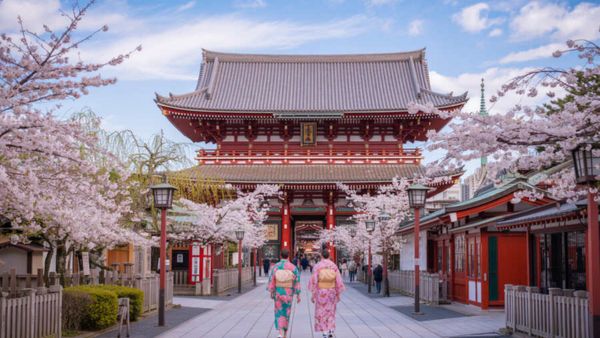
Japan joins Australia, Singapore, South Korea, Costa Rica, Brazil, Tanzania, and more countries in boosting tourism growth with eco travel spots, record-breaking arrivals, and sustainable destination initiatives due to the increasing demand for nature-based experiences that align with sustainability. As global tourism rebounds, nations worldwide are embracing eco-tourism to not only attract a diverse range of visitors but also to preserve their unique natural environments. With a growing emphasis on sustainability, these countries are capitalizing on their natural beauty and rich ecosystems, offering travelers authentic, eco-friendly experiences while fostering conservation and supporting local communities. The tourism industry is booming worldwide, with numerous countries reporting record-breaking numbers of international visitors. Japan, once solely dependent on its traditional tourism sources, is now embracing eco-tourism and sustainability as central pillars of its tourism strategy. It joins other tourism leaders, including Australia, Singapore, South Korea, Costa Rica, Brazil, and Tanzania, in a global push towards growth through nature-based and sustainable travel destinations. These countries have recognized the increasing demand for eco-tourism, focusing on experiences that allow visitors to connect with nature while supporting conservation efforts. In this article, we explore how each of these nations is utilizing eco-tourism to boost their tourism sectors, attract record numbers of visitors, and preserve their natural environments. Japan’s Record-Breaking Arrivals and Eco-Tourism Shift Japan, known for its blend of tradition and modernity, is riding a wave of tourism growth, surpassing 42.7 million international visitors in 2025, a new record for the nation. While geopolitical tensions have disrupted traditional visitor flows, Japan’s shift toward eco-tourism has kept the sector resilient.
Read more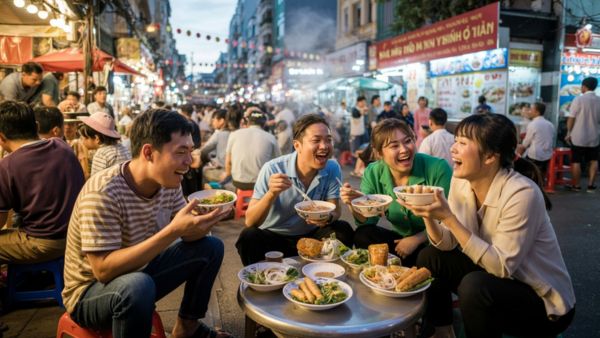
Ho Chi Minh City Culinary Tourism Booms with Record Banh Mi Festival Crowds
- May 15,2026
- Travel and tour world
The Asia tourism news scene has been buzzing with Vietnam’s latest culinary milestone, as the Ho Chi Minh City banh mi festival once again turned into a massive crowd-puller. Over four days from April 23 to 26, the event welcomed around 250,000 visitors, making it the biggest turnout since the festival first began. According to Asia tourism news, this surge reflects how food-driven travel experiences are becoming a major part of regional tourism trends. The Ho Chi Minh City banh mi festival didn’t just celebrate a famous sandwich—it also showed how seriously organizers are now treating hygiene, crowd safety, and food handling in large public gatherings. A Festival That Drew Unprecedented Crowds What stood out most this year was just how quickly the festival turned into a citywide attraction. From early mornings to late evenings, stalls stayed packed, and queues barely stopped moving. Some of the key crowd highlights: Around 250,000 total visitors over four days Strong turnout from both local residents and international travelers Continuous high footfall throughout the event hours Largest attendance recorded in the festival’s history The popularity of the Ho Chi Minh City banh mi festival shows how deeply food culture is tied to modern travel experiences. It’s no longer just about eating—it’s about being part of the atmosphere. This growing attention is also a key talking point in Asia tourism news, where Vietnam is increasingly being highlighted as a top food destination in Southeast Asia.
Read more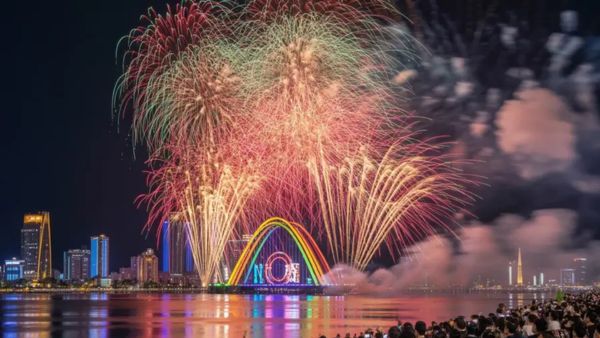
Da Nang Hosts Global Fireworks Festival 2026
- May 15,2026
- Travel and tour world
The Da Nang International Fireworks Festival 2026 is set to be an extraordinary global spectacle as Vietnam joins Portugal, Japan, China, Italy, Germany, France, Australia, and several other countries in an awe-inspiring celebration of pyrotechnic artistry. Scheduled to run from May 30 to July 11, 2026, this festival will not only showcase stunning firework displays but will also play a pivotal role in elevating tourism to new heights. With teams from diverse cultural backgrounds, the festival promises to captivate audiences from around the world, strengthening Da Nang’s position as a global tourism destination and fostering international connections through a shared love of creativity and innovation. The Da Nang International Fireworks Festival (DIFF) is set to become one of the most significant global cultural events of 2026, attracting international attention as Vietnam joins forces with top nations around the world for an unforgettable pyrotechnic extravaganza. Scheduled to take place from May 30 to July 11, 2026, the festival will not only highlight Da Nang’s unique cultural identity but will also serve as a powerful tool to propel global tourism to new heights. With a theme of “Da Nang – United Horizons – Connecting Horizons,” this year’s festival promises to be a breathtaking celebration of creativity, innovation, and international collaboration. Teams from nine different countries and regions will come together to light up the skies of Da Nang, showcasing their pyrotechnic artistry while drawing thousands of tourists from around the world. The countries participating in the festival represent a diverse array of cultures, each bringing its unique touch to the competition. Here’s a breakdown of the countries and regions that will be lighting up Da Nang’s skyline:
Read more
Thailand Leads Demand for Easy Short-Haul Travel in 2026
- May 15,2026
- Travel and tour world
Thailand is becoming a hotspot for short-distance and easily accessible destinations like Rayong, Pattaya, and Ho Chi Minh City in 2026, as travellers are increasingly opting for quick, convenient getaways that offer both relaxation and affordability. The rising demand for domestic and nearby international holidays reflects changing travel habits, with Thai tourists placing greater value on simplicity, cost-effectiveness, and short travel times. In particular, destinations like Rayong and Pattaya, located just a few hours from Bangkok, have seen significant growth in accommodation searches, while regional cities such as Ho Chi Minh City are experiencing a surge in popularity. These shifts in travel preferences can be attributed to a combination of factors: the need for more budget-friendly options, the increasing desire for more spontaneous travel, and the ease of accessing destinations that offer a balance of comfort, culture, and affordability. As 2026 unfolds, Thailand’s tourism market is set to continue embracing these regional favourites, reshaping the way Thai travellers experience both domestic and international holidays. This emerging trend is not only reshaping domestic tourism but also influencing outbound travel choices. As long-haul holidays take a back seat, short and easy trips are becoming the go-to option for Thai holidaymakers. Boom in Domestic Travel: Quick Escapes to Nearby Locations During the long weekend from April 30 to May 4, 2026, there was a surge in accommodation searches, especially for domestic destinations within easy reach of Bangkok. Short trips to nearby cities have proven to be the preferred option for Thai travellers, reflecting a growing demand for destinations that are simple to reach and easy to navigate. Among the most popular destinations, Rayong saw the highest growth in accommodation searches, with a remarkable 44% increase. Pattaya followed closely with a 40% rise, while Chonburi experienced a 29% increase in searches. These destinations, just a short drive away from Bangkok, offer travellers the opportunity to unwind without the time and expense associated with long-distance travel.
Read more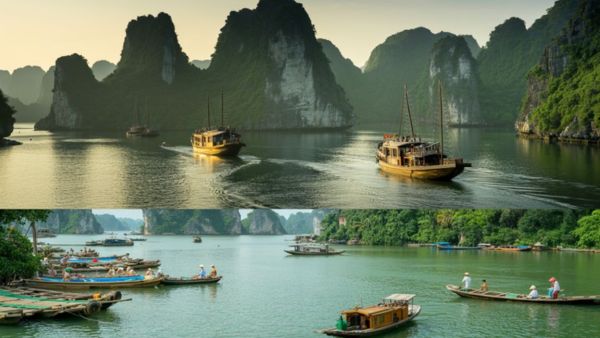
Hanoi Takes Full Control of Ethnic Culture & Tourism Village
- May 15,2026
- Travel and tour world
In a significant move to enhance the management and development of the Village of Culture and Tourism for Vietnamese Ethnic Groups, the government of Vietnam has officially handed over full control to the Hanoi People’s Committee. This decision, effective starting July 1, aims to empower the city with the authority to oversee, transform, and propel the village into a more dynamic hub for cultural preservation and tourism. The handover comes as part of a broader effort to streamline governance, foster greater local involvement, and ensure the site’s long-term sustainability, allowing it to flourish as a key symbol of Vietnam’s ethnic diversity and cultural heritage. Hanoi to Take Over Management of the Village of Culture and Tourism of Vietnamese Ethnic Groups (VHDT Village) In a significant move to centralize and enhance the management of the Village of Culture and Tourism of Vietnamese Ethnic Groups (VHDT Village), the Vietnamese government has issued Resolution No. 126/NQ-CP. This resolution approves the transfer of management responsibilities from the Ministry of Culture, Sports and Tourism (MCST) to the Hanoi People’s Committee. With the completion of this handover scheduled for July 1, 2026, this shift marks a new chapter for the cultural landmark, aimed at fostering more direct control and streamlined governance. Key Highlights of the Transfer: Resolution Issued: The Vietnamese government has granted approval through Resolution No. 126/NQ-CP, which outlines the terms and conditions for the transition of the VHDT Village’s management to the Hanoi People’s Committee. Transfer of Management: The transfer of the VHDT Village, which was previously under the jurisdiction of the Ministry of Culture, Sports and Tourism, will now fall directly under the Hanoi People’s Committee. This transfer is a response to a request made jointly by the Minister of Culture, Sports and Tourism and the Chairman of the Hanoi People’s Committee. Deadline for Handover: The handover process is set to conclude by July 1, 2026, after which the Hanoi City People’s Committee will officially take over management. This timeline has been carefully set to allow for a smooth transition, with a clear mandate to ensure operational continuity. Legal Framework and Regulations: The Hanoi People’s Committee will be responsible for overseeing the VHDT Village’s day-to-day operations. This will include the management of its cultural, land, financial, personnel, and asset activities, all of which will be carried out in full accordance with relevant laws. This involves the application of laws pertaining to culture, land use, investment, public finance, and assets. Collaborative Effort: To facilitate this handover, the Ministry of Culture, Sports and Tourism will take a lead role in coordinating with the Hanoi People’s Committee and other relevant ministries. Their task will be to ensure that all procedures related to the transfer of organizational structure, personnel, and assets are conducted in compliance with the law. Coordination with the Prime Minister: The Ministry of Culture, Sports and Tourism will also be responsible for working on the draft of a Decision that will be submitted to the Prime Minister. This decision will provide the legal framework for the original handover of the VHDT Village, according to the stipulations laid out in Resolution No. 126/NQ-CP. Handover of Operations: The handover process will cover all aspects of the VHDT Village’s operations, including its organizational structure, personnel, assets, finances, documents, related rights and obligations, and any ongoing public investment projects. Once finalized, these elements will be transferred to the Hanoi People’s Committee. Ensuring Continuity: Importantly, the VHDT Village will continue to operate under the allocated state budget plan during the transition period. This ensures that all activities and projects continue without disruption as the transfer process unfolds. Role of Hanoi People’s Committee: After the official handover, the Hanoi People’s Committee will assume full control of the VHDT Village. This will include overseeing the cultural and tourism-related activities, managing the site’s assets, and organizing its ongoing and future development projects in alignment with the legal framework set by the government. New Organizational Structure and Budgeting: The Hanoi People’s Committee will also issue a decision to define the functions, tasks, and powers of the VHDT Village. The decision will also outline its organizational structure in accordance with legal regulations, as well as provide a budget allocation to ensure the uninterrupted operation of the site.
Read more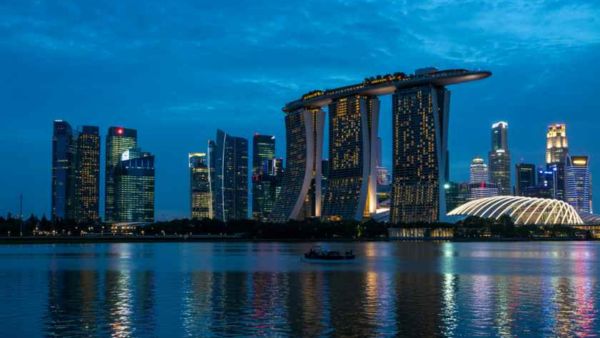
Singapore Unveils $582M Tourism Investment Plan
- May 15,2026
- Travel and tour world
In a bold move to secure its position as a global tourism leader, Singapore has announced a monumental investment of US$582 million to transform its tourism sector over the next five years. This strategic funding aligns with the country’s vision to further enhance its appeal, alongside regional partners Indonesia, Malaysia, and Thailand, as key players in the Asia-Pacific tourism market. The investment aims to drive unprecedented growth by boosting infrastructure, improving visitor experiences, and reinforcing Singapore’s status as a top-tier travel hub. By infusing capital into both sustainable growth and innovative tourism strategies, Singapore is set to elevate its global standing, paving the way for enhanced regional collaboration and economic prosperity. The tourism sector in Singapore is poised for significant expansion over the next decade, underpinned by new investments, ambitious targets, and strategic developments. The Singapore Tourism Board (STB) has outlined an optimistic roadmap, Tourism 2040, projecting substantial growth despite potential global challenges that could hinder near-term recovery. With a combination of strategic funding, forward-looking infrastructure upgrades, and a resilient outlook, Singapore is preparing to transform its tourism landscape. A Fresh Boost to the Tourism Development Fund In a major move to strengthen Singapore’s tourism sector, Ms. Fu, Singapore’s Minister for Trade and Industry, announced an additional funding allocation of S$740 million (approximately US$582 million) to the Tourism Development Fund. This investment will be spread across the next five years, supplementing the already substantial S$300 million (around US$235 million) committed in 2024. The funding will be directed towards enhancing infrastructure, improving tourism experiences, and further boosting the country’s position as a global travel hub. The allocation is a clear signal of the government’s commitment to maintaining Singapore’s competitive edge in the international tourism industry. By injecting fresh capital, the government aims to address emerging challenges and explore new opportunities in the tourism sector. Minister Fu emphasized that the funds would be used to upgrade existing infrastructure, promote sustainable tourism, and attract new business and leisure visitors.
Read more