
Canada announces 2-year cap on international student visas; move likely to impact Indians
- Jan 27,2024
- Economic Times
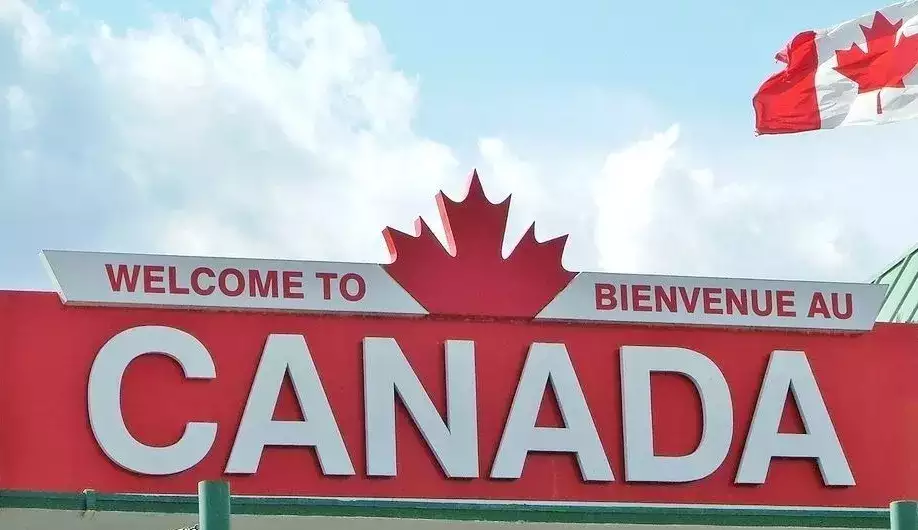
Canada has announced that it is imposing an immediate two-year cap on new international student visas to tackle a housing crisis and target institutional "bad actors", a move that is likely to impact Indians planning to study in the country. Immigration Minister Marc Miller said as part of the cap there will be a 35 per cent reduction in new study visas in 2024. The cap is expected to result in 364,000 new approved permits in 2024. Nearly 560,000 such visas were issued last year. The cap will be in place for two years; the number of permits to be issued in 2025 will be reassessed at the end of this year, he said. "To maintain a sustainable level of temporary residence in Canada, as well to ensure that there is no further growth in the number of international students in Canada for 2024, we are setting a national application intake cap for two years from 2024," Global News quoted Miller as saying. The move comes amid pressure on the federal government from provinces on the increasing numbers of non-permanent residents entering Canada while the country struggles with a housing crisis, CBC News said. Miller earlier this month said that a cap on international students would not be a "one-size-fits-all solution" to housing shortages across Canada. More than 800,000 international students were issued temporary study visas in 2022. Miller said last fall that 2023's numbers were on track to be more than triple the number accepted 10 years ago. The move is expected to impact students from India who see Canada as a preferred destination for higher studies. India was the first among the top ten origin countries of study permit holders in 2022 in Canada, with a total of 319,000 students. Miller said that by imposing the cap, the federal government is taking action against some small private colleges. The move will help the government to target institutional "bad actors", he said. "It's unacceptable that some private institutions have taken advantage of international students by operating under-resourced campuses, lacking supports for students and charging high tuition fees all the while significantly increasing their intake of international students," Miller said. In some provinces, Miller said, the total reduction in permits will be approximately 50 per cent. Provinces and territories will be left to decide how permits are distributed among universities and colleges in their jurisdictions. The cap will be in place for two years; the number of permits to be issued in 2025 will be reassessed at the end of this year. In an interview with CBC News on Monday, Miller spoke of "degreegranting institutions that are giving fake business degrees" to students who hope to stay in Canada. The minister said there could be "hundreds" of such schools operating in Canada and that the number has "exploded in the last couple of years." In addition to the cap, the federal government will also require international students applying for a permit to provide an attestation letter from a province or territory. "These measures are not against individual international students," Miller said. "They are to ensure that as future students arrive in Canada, they receive the quality of education that they signed up for and the hope that they were provided in their home countries." Miller also announced changes to the post-graduation work permit programme. Starting in September, international students who begin a programme that's part of a curriculum licensing arrangement (one where a private college has been licensed to deliver the curriculum of an associated public college) will no longer be eligible for a post-graduation work permit. Graduates of master's and other "short graduate-level programmes" will "soon" be able to apply for a three-year work permit, the government says. Open work permits will also be made available to the spouses of international students in master's and doctoral programs. The changes announced Monday come a little over a month after Miller first announced measures intended to target what the minister described as "the diploma equivalent of puppy mills." Conservative Leader Pierre Poilievre said the blame lies entirely with Prime Minister Justin Trudeau and called the prime minister "incompetent." "He is the one that granted the study permits. That is a federal responsibility," Poilievre said. Jenny Kwan, the New Democratic Party leader, also blamed Trudeau's "mismanagement." She also warned that the new cap "might punish talented students who seek to build a better life." In a media statement, Ontario's Minister of Colleges and Universities Jill Dunlop said her government recognises that "some bad actors are taking advantage of these students with false promises of guaranteed employment, residency and Canadian citizenship." The minister said Ontario has been engaging with the federal government on "ways to crack down on these practices, like predatory recruitment." A statement issued by Nova Scotia's department of advanced education said the province "will need to assess the impacts of the changes made by the federal government once we have more details, including provincial allocations."
Read more
Exploring Kenya's no-visa policy: 6 key facts
- Jan 27,2024
- Times Travel
In December, the Kenyan President, William Ruto, unveiled a new visa system, declaring that travellers from across the world would no longer need a visa to enter the country. His idea behind the need to eliminate the visa requirement visas was to turn Kenya into a hub for tourism and nonprofit activities. Ruto added that it shall no longer be necessary for any person from any corner of the globe to carry the burden of applying for a visa to come to Kenya. The initiative received acclaim, particularly from social media users, who believed that it would swiftly enhance tourism in a continent where travel between nations remains challenging due to stringent visa restrictions and other logistical hurdles. However, the implementation of the policy has prompted numerous travellers to assert that instead of simplifying travel to Kenya, the new visa policy has made it more complicated. The government has introduced a ‘digital platform’ designed to ensure the prior identification of all travellers to Kenya on an electronic system. Deputy President Ruto emphasised that all travellers will be required to obtain electronic travel authorization, with stringent background checks serving as a prerequisite for entry into Kenya. Meanwhile, Principal Secretary Korir Sing'oei stressed Kenya's right to admission, clarifying that entry into the country will not be granted to everyone. In lieu of traditional visas, Kenya has adopted the Electronic Travel Authorization (ETA), a measure the government claims was implemented to enhance security and establish a comprehensive database of individuals entering and leaving the country. Also, nationals from countries that previously enjoyed visa-free travel to Kenya are now required to pay between $34 and $52 for authorisation to enter the country. Nevertheless, for those who were previously subject to higher fees, the new ETA charges seem to be cost-effective. Kenya aspires to draw in five million tourists each year, a significant increase from the 1.75 million visitors recorded in 2023 and 1.48 million in 2022, as outlined in a report released by the Ministry of Tourism and Wildlife. Experts argue that the implementation of the no-visa policy is a calculated move by the government to achieve this target and generate revenue for the billion-dollar tourism industry. This comes at a time when the nation's financially strained economy is grappling with debt obligations and a depreciating currency, according to critics. The government's visa decision raises security concerns, as visas globally serve not only for travel facilitation and revenue generation but also to safeguard host country security, says Professor Macharia Munene of USIU-Africa. The implementation of the no-visa policy is a strategic move to boost Kenya's tourism industry and stimulate economic growth. By removing barriers to entry, Kenya aims to attract more tourists, encourage business investments, and enhance its standing as a global travel destination. Beyond tourism, the no-visa policy will also facilitate ease of doing business and encourages foreign investment. Business travellers will find it more convenient to explore opportunities in Kenya without the bureaucratic hurdles of obtaining a visa, thereby fostering economic collaborations and partnerships.
Read more
Japan to implement fee and visitor cap at Mount Fuji in effort to combat pollution
- Jan 27,2024
- Travel Trade Journal
Japan is taking decisive steps to address concerns about overtourism at Mount Fuji, one of its major attractions, by introducing new visitor restrictions. The move comes in response to a surge in visitor numbers leading to issues such as discarded rubbish and concerns over hiker safety. To protect the iconic site’s environment, Japanese authorities are implementing a fee and a daily visitor cap along the most popular trail, effective from July 1, 2024. Beginning July 1, 2024, visitors to Mount Fuji will be required to pay a fee to hike along the Yoshida trail, the most popular ascent known for its easy access from Tokyo and the availability of mountain huts providing accommodation and meals. The Yamanashi prefectural government, overseeing hiking activities at the UNESCO World Heritage site, has deemed the fee necessary to protect the environment. Additionally, a daily limit of 4,000 people climbing the mountain via the Yoshida trail will be enforced to alleviate congestion. Climbers will be prohibited from starting the ascent between 4 pm and 2 am. This restriction is aimed at managing the number of hikers and ensuring their safety during the climb. The Yoshida trail experienced an “unprecedented number” of climbers last year, leading to issues such as rubbish accumulation, traffic jams, accidents, and injuries. The government anticipates a similar influx of visitors in the upcoming climbing season. The fee amount has not been disclosed yet, but authorities plan to announce it by February. Plans include installing a gate at the entrance to the Yoshida trail for toll collection. Proceeds from the fee will be utilized to construct shelters along the path and maintain the hiking route, with a focus on volcanic eruption preparedness. Since 2014, climbers using any of Mount Fuji’s trails have been encouraged to voluntarily contribute ¥1,000 ($6.75) per person to support the preservation of the site.
Read more
Ministry of Tourism showcases ‘Incredible India’ at FITUR in Madrid, Spain
- Jan 27,2024
- Travel Trade Journal
The Ministry of Tourism, Government of India, has taken a proactive step in revitalizing tourism by participating in FITUR, a prominent global travel exhibition held in Madrid, Spain, from January 24 – 28, 2024. With a big delegation representing the Union Government, State Governments, and private travel stakeholders, India aims to boost inbound tourism, aiming to restore pre-pandemic levels from key source markets worldwide. The Incredible India pavilion at FITUR was inaugurated by HE Shri Dinesh K. Patnaik, Ambassador of India to Spain in the presence of the Minister of Tourism, Government of Punjab, Anmol Gagan Mann and other officials from the Ministry of Tourism and State Governments on 24th January. India has some aggressive promotional plans to promote India globally and major identified source markets of the world including the Latin American countries. Ministry of Tourism, Government of India is participating with a space of around 315 sq metre, which is one of the biggest pavilions at FITUR in recent years and a substantial delegation comprised of 40 plus co-exhibitors. Some of the State Governments that are marking their presence at FITUR include Punjab, Jharkhand, Tamil Nadu, Telangana, Kerala, Madhya Pradesh and Karnataka. FITUR has evolved into one of the leading international events in the tourism sector attracting over 150,000 visitors annually (from travel agents to tour operators and embassies). The event attracts a diverse range of attendees, including travel agencies, tour operators, airlines, hoteliers, cruise lines, travel technology providers, tourism boards, and other professionals in the travel and hospitality sector. The Incredible India Pavilion aims to showcase varied tourism products and destinations and serve as a platform for the private tour operator industry to connect with their global counterparts. The focus at the exhibition is to highlight India`s varied tourism products especially the culture, wellness and culinary heritage. It is being promoted as one of the important MICE, wedding and wellness destination in the region. The India pavilion aims to bring forth the rich traditional, cultural, musical traditions of the country with Yoga sessions, classical dance performances and Mehendi application were organised at the Pavilion which garnered a lot of attention amongst the visitors. Spain is an important source market for India, with foreign tourist arrivals from Spain nearing pre-pandemic levels.
Read more
Are Vietnam, Thailand Cheaper Than Goa For A Beach Holiday?
- Jan 20,2024
- Live Mint
Vietnam, a coastal country in Southeast Asia, has emerged as one of the top tourist destinations in recent times, with many more Indian tourists choosing this nation over Goa - which is known for its pristine beaches and nightlife. A fund manager, Viraj Mehta, on Tuesday explained this new trend of travellers heading to the South East Asian countries like Vietnam, Thailand, Indonesia, and Cambodia instead of visiting Goa. Mehta said India was losing out tourists to Southeast Asian countries due to high real estate prices that have pushed the hotel prices. He said that Vietnam has become the new Thailand. "Mass affordable tours with direct flights and good value for money," he said. "We losing out to Southeast Asian countries due to high real estate prices leading to such inflated hotel rentals. Cheaper to go to Bali/Hanoi than Goa..Strange..Solution?" "Basically you get direct flight connections to top 8-10 cities and cheap hotels with a clean environments and then see the power of Indian consumer," Mehta said. The fund manager's post sparked a debate with many offering their two cents. Harsh Shah, a chartered accountant and investor, said that more than the property prices, it was the culture honestly. "Clean and less polluting environment," Shah said. "And sensitize people's attitude towards tourists. Can a woman traveler roam around in skimpy clothes without getting creepily ogled at?" he asked. Saurabh Parmar, an entrepreneur, jumped into the conversation and said he had lived as a digital nomad and also in Vietnam for two years. "This is not new, tourism in India was always more expensive. In fact, now the costs are coming closer because Vietnam and Thailand are getting more expensive," he said. In May this year, Vietnam+ reported that the search volume of accommodations in Vietnam was rising rapidly, ranking 11th in the world. The biggest sources of search about Vietnam's tourism included the US, Japan, Australia, Singapore, India, Thailand, France, Germany, the UK, and the Republic of Korea. Two months later in July, the Vietnam National Authority of Tourism said the country had welcomed nearly 5.6 million international visitors in the first half of this year, accounting for 66 per cent of the figure the country recorded in 2019 before the Covid outbreak. Abhishek Rai, an investor, said that he visited Bali, Hanoi, and Phuket three times while Goa only once as it was two-and-half times costlier. "Go to Bali/Hanoi/Phuket only. Been there 3 times this year. And one time to Goa. Goa was 2.5x costlier, filthier, and most importantly, didn't feel good after spending so much money for the family. Compared to this, Vietnam Nha Trang was so much better. Goa has lost it," he wrote on X. Bali was placed second in Trip Advisor's 'Best of the Best Destinations' ranking for 2023. Interestingly, Bali was the only Southeast Asian city in the top ten destinations. Ubud, a town in Bali, was ranked at fourth position in the ranking by Travel + Leisure Readers' 25 Favorite Cities in the World of 2023. Monil Nitin Parikh, an entrepreneur, said Goa had become super expensive due to over-tourism. "It is not really cheaper even a week-long tour would cost over 1 lakh per person even if you take basic Bed & Breakfast type hotels. Goa has become super expensive due to over-tourism." In November last year, Savills, an international real estate consultant, said Goa had become a favourite location for people looking to purchase a second home because of its high rental yields. This rental yield, it said, ranges from 4 to 10 per cent. According to the consultant, the districts of Porvorim, Parra, Assagaon, Saligao, Anjuna, and Siolim had witnessed massive demand for independent residences and rented villas in gated communities. Depending on the size of the room and the number of villas, it said, the costs per night range from Rs 15,000 to Rs 100,000.
Read more
Indians are ditching the plain holiday for a Hobbiday, the big travel trend this year
- Jan 20,2024
- India Today
In January every year, the Indian service class gets a list in their mail: the holidays. 'Holidays 2024' is the first email that I really looked forward to receiving this year, ngl. This list came with 15 long weekends; and when a holiday falls on a Thursday or a Tuesday, you know what to do. These 15 long weekends will perhaps translate to 8-10 short trips, and if your work too takes a toll on your other, real life, you would want to leave the office for biannual long vacations. But are holidays just about vegetating on a beach somewhere or walking around the Mall Road in the hills anymore? Post-Covid, what people like to do on holidays has also changed. Those days of being stuck at home, where the crematorium was a cough away, ensured we made time for better things. We were making dalgona coffee and baking banana bread, and if you survived that epidemic, you wanted to get in touch with the lost hobbies of singing, dancing, painting, cooking, et al (and documenting it all on Reels, of course). Well. It's 2024. Work From Home or the Hills is a thing of the past. Our hobbies have taken a back seat. So, what can you fall back on? Holidays, of course. And nothing like clubbing a hobby and a holiday together, no? Make way for Hobbiday. What is Hobbiday? The big trend in 2024 travel is Hobbiday. A portmanteau of the words 'hobby' and 'holiday', for the holidays that you don't want to be plain holidays. So, think those pottery lessons that you took as a kid and then forgot about in the mad race between work and home? A hobbiday is just the answer. The pandemic-driven YOLO has seeped into the travel industry too. In 2024, travel is no longer about just visiting a place. After all, how much sight-seeing can you do if your trip is centred on one city; and spans, say, two weeks? Travel has now become about incorporating experiences too. Experience scores one over plain travel Sajin Nawshad, director, Akbar Travels Pvt Ltd, spoke to India Today about the shifts he is noticing in travellers, especially since Covid. "As modern travellers evolve, the traditional sightseeing routine for two weeks has given way to a growing sense of holiday fatigue. People crave more than just passive observation; they seek active engagement. Hence, the rising demand for holidays centred around personal hobbies," says Nawshad. Travellers don't mind paying a steep amount for these customised holidays either, says Nawshad, "Whether it's the thrill of driving experiences or other niche interests, these tailored vacations cater to individual preferences, creating a more fulfilling and rejuvenating experience. This trend has notably gained momentum since the onset of the Covid era, emphasising a desire for meaningful and personally enriching escapes."
Read more