

UNESCO: Bengaluru Airport’s T2 named among ‘world’s most beautiful airports’
- Dec 22,2023
- timestravel
In a recent announcement from UNESCO's Prix Versailles 2023, Bengaluru's Kempegowda International Airport (KIA) Terminal 2 (T2) managed to stand out, and has been recognized as one of the 'world's most beautiful airports.' The world judges panel, chaired by renowned fashion designer Elie Saab, bestowed this honour, and honoured T2 with the recognition, making it the sole Indian airport to receive such esteemed recognition. The airport was honoured with the prestigious 'Special Prize for an Interior' in recognition of its outstanding design. This global acknowledgment highlights the airport's commitment to exceptional design and architectural brilliance on an international level. Referring to this, Hari Marar, MD & CEO of Bengaluru International Airport Ltd, expressed his joy, and added that the nomination of Terminal 2 for the 2023 Prix Versailles Award is a moment of immense pride. He highlighted the unique combination of art and technology within T2, presenting it as a distinctive gateway that manages to leave a lasting impression on global travellers while showcasing the rich offerings of the state and the country. Terminal 2's acclaim extends beyond this recent recognition; it had previously earned the prestigious IGBC platinum certification from the Indian Green Building Council. Designed to accommodate 25 million passengers annually in phase 1, T2 aligns with its vision of blending functionality with aesthetic appeal. The terminal guarantees passengers a visually delightful experience by integrating meticulously selected art and decor elements as part of its recently introduced art program, ensuring a memorable journey throughout the terminal. The sustainable design of Terminal 2, which also happens to be the world's largest terminal pre-certified with a platinum LEED rating by the US Green Building Council before operational commencement, reflects the airport's commitment to environmental responsibility. Additionally, it has received the prestigious platinum certification under the IGBC Green New Building Rating System, reinforcing its dedication to sustainability. This accomplishment firmly establishes Bengaluru's Kempegowda International Airport among the leading airports globally, setting a high standard for design, sustainability, and passenger experience on the world stage. As reported earlier, Bengaluru's Kempegowda International Airport Terminal 2 (T2) announced the commencement of a trial run for the Computer Tomography X-ray (CTX) machine in the coming weeks. This will let passengers enjoy the convenience of not having to remove personal electronic devices, such as mobile phones and laptops, from their handbags during pre-embarkation security checks. If reports are to go by, this system is expected to apply exclusively to domestic passengers.
Read more
10 budget-friendly international destinations and the best time to visit them
- Dec 22,2023
- timestravel
Traveling on a budget definitely doesn’t mean that you should compromise on experiences. As such, plan a budget-friendly international trip from India, for which it’s essential to consider the destination's peak seasons, local festivals, and weather conditions. By strategically timing your visit, you can make the most of your travel budget without compromising on the experiences. So, for all those Indian globetrotters seeking economical yet enriching adventures, here we bring to you a curated list of 10 budget-friendly countries and the ideal time to explore them. Nepal (Best Times: September to November) Nestled in the lap of the Himalayas, Nepal offers breathtaking landscapes and rich cultural experiences. Autumn, from September to November, provides clear skies and pleasant weather for trekking in the Annapurna or Everest region. Sri Lanka (Best Time: December to mid-April) A tropical paradise, Sri Lanka becomes budget-friendly during its dry season from December to mid-April. Explore ancient temples, pristine beaches, and lush tea plantations without breaking the bank. Vietnam (Best Time: November to April) From the bustling streets of Hanoi to the serene landscapes of Ha Long Bay, Vietnam is a budget traveler's dream. Visit during the dry season from November to April to enjoy pleasant weather, and avoid heavy rainfall. Thailand (Best Time: November to February) Renowned for its vibrant culture and stunning beaches, Thailand offers budget-friendly options year-round. However, the cool, dry season from November to February is ideal for exploring without the discomfort of extreme heat. Cambodia (Best Time: November to March) Home to the iconic Angkor Wat, Cambodia welcomes budget travellers during its dry season from November to March. Explore ancient temples and immerse yourself in Khmer culture without worrying about heavy rains. Indonesia (Best Time: May to September) With its diverse landscapes, Indonesia is a haven for budget-conscious travelers. Visit during the dry season from May to September for pleasant weather in Bali, Java, and beyond. Read More: Explore these places in India now or they’ll disappear soon! Malaysia (Best Time: November to February) Malaysia offers a blend of modernity and natural beauty on a budget. The months from November to February bring cooler temperatures, making it an ideal time to explore Kuala Lumpur, Penang, and the rainforests. Myanmar (Best Time: November to February) Formerly known as Burma, Myanmar is gaining popularity among budget travelers. Visit during the cool, dry season from November to February to explore ancient temples and witness the unique cultural tapestry. Philippines (Best Time: November to April) The Philippines, with its stunning beaches and diverse marine life, offers budget-friendly options. The dry season from November to April ensures optimal conditions for island hopping and water activities. Laos (Best Time: November to February) Laos is known for its tranquil beauty, and is budget-friendly, especially during the dry season from November to February. Explore the temples of Luang Prabang and the scenic landscapes without monsoon interruptions.
Read more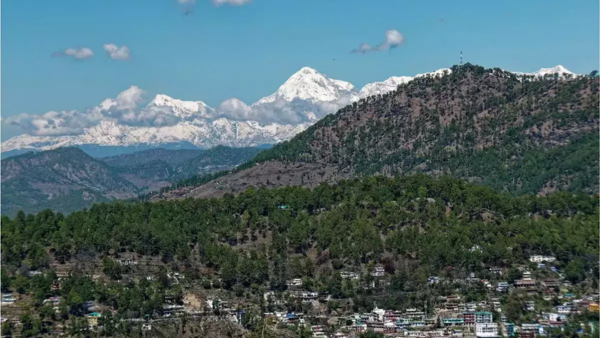
ASI plans to uncover a “lost city” in Uttarakhand's Almora
- Dec 21,2023
- timestravel
The ASI believes that an ancient city might be hidden under the soil in this region. A group of ASI experts has conducted a survey of the valley, and the process of uncovering the "lost habitation" is expected to commence in the near future, as per officials. Manoj Saxena, the superintending archaeologist of the Dehradun circle, informed TOI, "The findings from our survey are highly compelling. We are presently conducting an in-depth survey for a more detailed examination of the valley within the Chaukhutia area. A proposal for excavation is in the process of being prepared." When asked what led ASI to believe that there was an ancient city beneath Gevad valley, the ASI official said, "The area, spread over 10 km along Ramganga, consisting of flat land, has numerous temples dating back to the 9th and 10th centuries which were built by Katyuri rulers. Presence of the cluster of centuries-old temples indicates that there must have been a civilization there even before the temples were built." Dr Chandra Singh Chauhan, regional state archaeological officer, said that they discovered several small 'devasthanams' (small temples) in the region which are one to two feet high. A survey was conducted in the 1990s, wherein a temple of Vakratundeshvar (Ganesh) built in the 9th century and seven other temples of Nath Sampraday were discovered. Professor Rakesh Chandra Bhatt, who was part of the team that conducted the survey in 1993, said, "During the excavation, we found secondary burials, chambers and big jars in which remains of the dead were kept. We also found painted pottery and bowls which are similar to the pottery found in the Gangetic Doab in Meerut's Hastinapur and Ahichchhatra in Bareilly, dating back to the 1st- 5th century BC." Notably, a big Shivling of 1.2 m in height and about 2 ft in diameter was also discovered some time back in the same region. He further said that they could not find any human settlement at that time. The discovery indicates that a lost city is “waiting to be discovered”.
Read more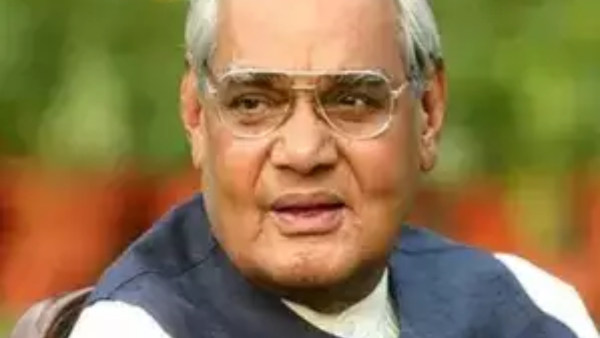
UP govt to develop Vajpayee's village as tourist destination
- Dec 21,2023
- The Economic Times
The Uttar Pradesh government plans to develop former Prime Minister Atal Bihari Vajpay native village, Bateshwar in Agra district, as a major religious tourism centre. Chief Minister Yogi Adityanath is likely to lay the foundation stone of development projects worth over 100 crore in Bateshwar on December 25, the birth anniversary of the late leader. The Uttar Pradesh government plans to develop former Prime Minister Atal Bihari Vajpayee's native village, Bateshwar in Agra district, as a major religious tourism centre. Chief Minister Yogi Adityanath is likely to lay the foundation stone of development projects worth over Rs 100 crore in Bateshwar on December 25, the birth anniversary of the late leader. State tourism and culture Minister Jaiveer Singh said the chief minister would also address a public meeting after inaugurating heliport services for Agra and Mathura.There are 101 ancient and famous temples in Bateshwar. The ancient temple of Lord Shankar is revered by people across the country. A state government spokesperson said: "The chief minister will inaugurate the Atal Bihari Vajpayee Cultural Complex Centre building and unveil a statue of Vajpayee on the same premises. He will also lay the foundation stone and inaugurate various projects and schemes. He will visit the three-day Atal Agricultural Fair and Agricultural Exhibition to felicitate beneficiaries of government schemes."
Read more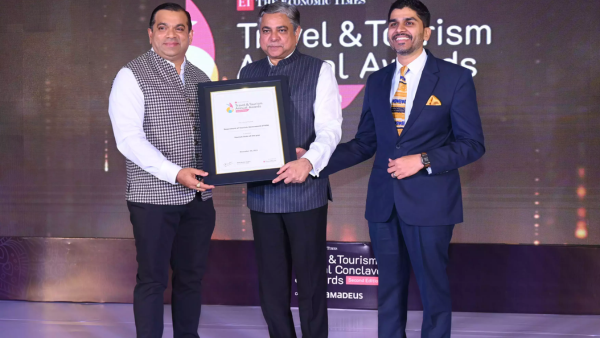
Tourism Minister unveils new policies on the horizon; maps path for Goa Tourism 2.0
- Dec 21,2023
- The Economic Times
While the Homestay and Caravan Tourism Policies have taken centre stage already, the government is gearing up for the introduction of additional policies such as agro-eco tourism, wellness, and adventure, focusing on attracting investments while ensuring transparency and regulation in the tourism landscape. The Minister for Tourism, IT, E&C a Printing and Stationary, Rohan Khaunte shared all and more with ETTravelWorld. In a bid to transform Goa's tourism landscape, the government's strategic introduction of the Caravan & Homestay Tourism Policies recently has become the catalyst for a local economic renaissance. These initiatives were envisioned not merely as announcements but as transformative tools, aiming to generate employment opportunities and spotlight the state's diverse offerings, according to Minister for Tourism, IT, E&C and Printing and Stationary, Rohan Khaunte. Now, the state preps to roll out another set of policies that seamlessly align with the vision of promoting Goa beyond beaches. “Our focus has been on integrating these policies effectively. We're working on implementing them in a way that not only meets objectives but also aligns with industry needs. The response has been encouraging; industry players are supportive and eager to see these policies in action. The goal is not just to announce policies but to ensure their practical realisation, benefitting both the locals and the tourism sector,” added Khaunte who has been closely involved with the policy rollouts. Goa's allure for its sun-kissed beaches and vibrant party scene is a wellknown narrative, however, there's a growing need to spotlight theplethora of experiences the state offers beyond its beaches especially post-Covid, Khaunte reiterated. The focus, he said, has shifted towards providing diverse experiences to tourists, culminating in extensive research efforts, while leading to fomaryion of Homestay Policy which is intricately linked to a sustainable tourism model, primarily targeting the rural belt. Amid ongoing operations of existing homestays, the policy focusing on rural tourism has garnered substantial interest, as per Khaunte. “Plans for new development of homestays are in progress, carefully balancing tourism growth with the preservation of Goa's cultural heritage,” shared Khaunte. “In collaboration with Airbnb, we've established an MoU ensuring the framework for SOPs, capacity building, and standardised quality, collaboratively working with the government. Post this, we've begun receiving applications under this policy and expect to discuss our progress in a month or two. Additionally, the Homestay policy specifically champions women's empowerment, encouraging their involvement in running these homestays. Incentives, such as grants up to INR 2 lakh rupees and considerations for utilities under domestic use, not commercial, have been instrumental in supporting these endeavours, as per Khaunte. Similarly, in a collaborative effort with industry stakeholders, the Caravan Tourism policy is strategically designed to attract suitable investors and investments. “The emphasis remains on responsible promotion and avoiding overexploitation,” the minister told ETTravelWorld. “Thorough evaluations of applicants are imperative, considering the volume of applications received for both policies. Our aim is to meticulously assess and select the right stakeholders, particularly concerning the caravan segment,” said Khaunte. While the Homestay and Caravan Tourism Policies have taken centre stage already, the government is gearing up for the introduction of additional policies such as agro-eco tourism, wellness, and adventure, focusing on attracting investments while ensuring transparency and regulation in the tourism landscape. “For us, simply launching policies isn't enough. Our ambition is to ensure that all these policies see the light of day by the end of this fiscal year, by March 31. Our primary focus has been on the Homestay and Caravan policies, and while the drafts for the remaining three policies are prepared, timing is critical. We aim not to confuse the market with loads of policies but to orchestrate a strategic and timely release,” shared Khaunte. For the upcoming year, the tourism department aims to focus on quality tourism and diversify target markets and focus on other key markets. “Understanding tourists' potential spending, industry insights advocate that tourists are willing to spend more if provided with the right offerings. To tap into these opportunities, we're exploring uncharted territories, aiming to connect with emerging markets. US, Japan, South Korea, South Asia, and the Middle East are on the radar, alongside domestic travellers from tier two cities. There's a significant opportunity for us in hosting weddings and MICE events, aligning with the PM’s initiative to host weddings in India,” the minister stated. Connectivity, he added, stands as another pivotal aspect in meeting the economic and employment objectives within Goa’s tourism industry. “Collaborative efforts with Indigo Airlines have facilitated improved connectivity to several cities like Guwahati, Nagpur, Nashik, Amritsar, Kashi, Varanasi, Ranchi as well as tier two regions, bolstering our outreach. Our efforts align well with the Dekho Apna Desh scheme encouraging tourists visiting India to explore various states within the country,” he stated. On the international front, Khaunte shared that there are several ongoing discussions with the Ministry of Civil Aviation aimed at securing increased seat allocations for international airlines or exploring cooperative arrangements to attract more visitors from the mentioned emerging markets. Further, building upon earlier conversations with ETTravelWorld on attracting digital nomads to Goa, Khaunte shared that Goa's innovative initiative, in collaboration with private operators, for launching seahubs resembling beachfront shacks, is set to kick off next month. “We anticipate digital nomads, who traditionally stay in hotels, utilising our homestays. Domestically, we already host a significant number of digital nomads, approximately 10 to 12,000, predominantly working in creative spheres,” he shared. Beyond just supporting the local ecosystem, these individuals contribute to capacity building, fostering the narrative of tech tourism in the state, said Khaunte. However, as the state govt looks towards positioning Goa and the country on the international digital nomad map, the primary concern is the International digital nomad visa. “Goa's aspiration to establish itself as a hub for tech tourism hinges significantly on overcoming these visa challenges. A successful resolution would not only benefit Goa but the entire country,” he shared. With an optimistic outlook, Khaunte hopes that these challenges will get resolved, potentially post the 2024 elections and asserted that it could significantly augment the country’s capabilities to accommodate more digital nomads. In the post-Covid era, tourists have shown interest to immerse themselves in the culture and traditions of Goa, he reiterated. “When we talk about #Goabeyondbeaches, we're encompassing wellness, MICE, spiritual journeys, weddings, food, and sports tourism. The recent surge in global-level sports events has also expanded this perspective. It's crucial for us to explore these diverse avenues thoughtfully,” he said. Festivals, he said, also play a pivotal role in promoting the essence of Goa. “While Shigmo and Goa Carnaval have been iconic, we aim to elevate festivals held throughout the year that enrich our cultural tapestry. Celebrations like Sao Jao, Feast of St. John the Baptist, Chikal Kalo, and more contribute to Goa's historical recognition and spiritual heritage. We plan to scale up these festivities to attract tourists seeking authentic experiences,” the minister added. Looking ahead, the upcoming year promises an expanded lineup of festivals, he told ETTravelWorld, adding that the visitors can now anticipate a diverse array of events scheduled each month. “It's an opportunity to explore and experience these cultural celebrations firsthand, aligning with the vision of Goa tourism 2.0,” he concluded optimistically. Khaunte was sharing the insights with ETTravelWorld during the 2nd edition of the Economic Times Travel & Tourism Conclave & Awards. Present as a Guest of Honour at both the inaugural and 2nd edition, the minister highlighted the ET Travel & Tourism Conclave & Awards’ significance in acknowledging industry innovation, creativity, and dedication. He emphasised that initiatives like these not only applaud accomplishments but also serve as catalysts for ongoing industry excellence, fostering growth and success within the tourism sector and its stakeholders, while also encouraging those in the government sector as well.
Read more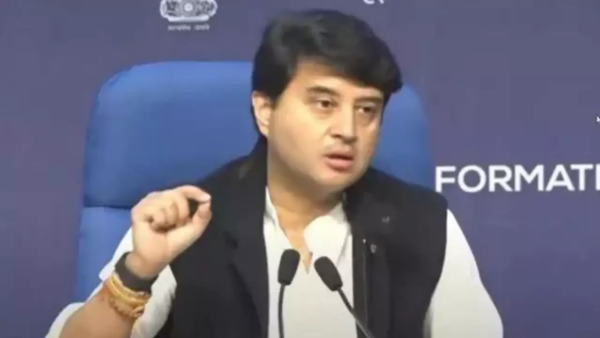
Scindia facilitates measures to ease festive airport congestion, urges DigiYatra usage
- Dec 21,2023
- The Economic Times
The key topic discussed was the promotion of 'DigiYatra' to streamline and expedite the from manual to digital check-ins and entry gate processes. Currently operational in 13 domestic airports, the proposal to extend 'DigiYatra' to international passengers for both arrivals and departures was deliberated upon. The Minister urged airport operators to exp and present successful biometric-enabled models utilised in other countries. The Union Minister for Civil Aviation and Steel, Jyotiraditya M Scindia, recently chaired an Advisory Group Meeting with Airport Operators on December 19, 2023, ahead of the anticipated festive season. The primary focus was on strategising to prevent congestion at airports during this period. Scindia emphasised the ministry's proactive measures to ensure a seamless and efficient travel experience for passengers. During the meeting, the Minister engaged with airport operators, addressing their queries and offering guidance to optimise operations for passenger convenience. The key topic discussed was the promotion of 'DigiYatra' to streamline and expedite the shift from manual to digital check-ins and entry gate processes. Currently operational in 13 domestic airports, including Lucknow, Mumbai, Ahmedabad, and others, the proposal to extend 'DigiYatra' to international passengers for both arrivals and departures was deliberated upon. The Minister urged airport operators to explore and present successful biometric-enabled models utilized in other countries to enhance passenger facilitation. Further, Scindia also reviewed the Capital Expenditure targets of all airport operators, aligning these goals with the achieved results in the third quarter. Representatives from major airport operators such as GMR Airports, Adani Airports, BIAL, Cochin Airport, and the Airports Authority of India were present at this crucial meeting. In addition to the Advisory Group Meeting, the Minister chaired the Cargo Advisory Committee session on the same day. Discussions within this committee primarily revolved around bolstering collaboration within the cargo industry. Scindia reassured the committee members of the government's commitment to proactively address concerns within the cargo sector and promote collaborative efforts among stakeholders. The necessity for a digital transformation in air cargo, incorporating elements like E-KYC and digital shipping invoices, was a key focus. The Minister urged the committee to devise a comprehensive action plan to explore and implement digital transformations in the industry.
Read more