

No plan to make Covid testing mandatory at airports as of now, say health ministry sources
- Dec 21,2023
- The Economic Times
There are no plans to make RT-PCR testing mandatory for COVID-19 at airports for traveler India, according to Union health ministry sources. The country has seen an uptick in coronavirus infections, but officials note that 92% of those infected are opting for homebased treatment, indicating mild illness. There is no immediate cause for concern, as hospitalization rates have not increased. There is no plan so far to make RT-PCR testing for COVID-19 mandatory at airports for travellers, Union health ministry sources said on Thursday, amid an uptick in coronavirus infections in India. Even though the number of cases is rising and the JN.1 sub-variant has been detected in the country, there is no cause of immediate concern as 92 per cent of those infected are opting for home-based treatment, indicating mild illness, they said. There is also no increase in hospitalisation rates and COVID-19 is an incidental finding in people hospitalised due to other medical conditions. In the last two weeks, 22 people have died due to COVID-19 in the country. India on Thursday recorded 594 fresh COVID-19 infections while the number of active cases increased to 2,669 from 2,311 the previous day, according to Union health ministry data. The death toll has climbed to 5,33,327 with six more people -- three from Kerala, two from Karnataka and one from Punjab -- succumbing to the viral disease, the data updated at 8 am stated. As many as 21 cases of the JN.1 variant had been detected across the country till Wednesday. NITI Aayog member (Health) Dr V K Paul on Wednesday said that the scientific community in India is closely investigating the new variant as he emphasised the need for states to ramp up testing and strengthen surveillance systems. "There is no plan so far to make RT-PCR testing for COVID-19 mandatory at airports," a source said. In July, India had issued revised guidelines, dropping the requirement for RT-PCR based testing of a random 2 per cent of travellers entering India. In view of the recent surge in COVID-19 cases and the detection of the first case of the JN.1 variant in the country, the Centre has urged states and union territories to maintain constant vigil. In a letter to states and union territories, Union Health Secretary Sudhansh Pant on Monday underlined the critical COVID-19 control and management strategies considering the upcoming festive season and advised them to put in place requisite public health measures to minimise the risk of increase in transmission of the disease. States have been urged to ensure effective compliance of the detailed operational guidelines for revised surveillance strategy for COVID-19 shared by the Union Ministry of Health and FamilyWelfare. They have asked to monitor and report district-wise cases of Influenza-like Illness (ILI) and Severe Acute Respiratory Illness (SARI) in all health facilities regularly for early detection of rising trend of cases. It is not currently known whether the JN.1 infection produces symptoms different from other variants, the ministry had said. In general, symptoms of COVID-19 tend to be similar across variants. There is also no indication of increased severity from JN.1 At this time, there is no evidence that JN.1 presents an increased risk to public health compared to other currently circulating variants, according to the ministry. The existing treatment line for COVID-19 is expected to be effective against JN.1 infection and updated vaccines are expected to increase protection against the variant, the ministry had said.
Read more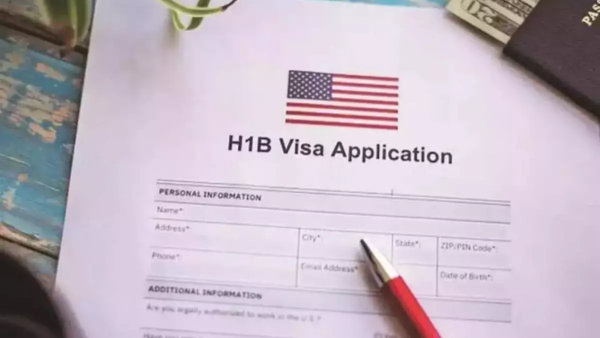
US releases H-1B visa pilot program only for Indians and Canadians; all that you need to know
- Dec 21,2023
- timestravel
The US officials have officially announced the eligibility criteria and application specifics for the H-1B non-immigrant visa renewal pilot program. If reports are to go by, the process is scheduled to commence in January 2024, and will begin with a quota of 20,000 individuals, exclusively open to Indians and Canadians based on the outlined eligibility requirements. Application dates for H-1B Pilot Program: From January 29 to April 1, 2024, the Department of State will receive applications for the H-1B pilot program, aimed at assessing the Department's capability to resume domestic visa renewals. Eligible candidates will be required to submit online applications within the three-month application window. The department has set a deadline of midnight April 15, 2024 for written comments and related materials. H-1B Pilot Program: Indians to receive 2000 weekly slots On a weekly basis, the Department will make available approximately 4,000 application slots for H-1B visa renewals. Within this allocation, around 2,000 slots are designated for applicants with their latest H-1B visas issued by Mission Canada, while another 2,000 slots are specifically allocated for individuals whose visas were granted by Mission India. These slots will be available on the following dates: January 29 February 5 February 12 February 19 February 26 Therefore, if your most recent H-1B visa was issued by Mission India, you have the opportunity to apply for renewal during one of these weekly slots. H-1B Pilot Program: Application submission details Applicants can post their applications on: https://travel.state.gov/content/travel/en/us-visas/employment/domestic-renewal.html Applicants can check the summary of this rule at www.regulations.gov by searching for “1400-AF79” from the home page. Applicants can also write to - Jami Thompson, Senior Regulatory Coordinator, Visa Services, Bureau of Consular Affairs, Department of State; email: VisaRegs@state.gov. H-1B Pilot Program: Eligibility requirements To seek the renewal of an H-1B visa through the pilot program, applicants must fulfill the criteria outlined below: Only H-1B visa renewals will be processed during the pilot phase; other visa types are excluded. The H-1B visa to be renewed must have been issued by Mission Canada between January 1, 2020, and April 1, 2023, or by Mission India from February 1, 2021, to September 30, 2021. Applicants should not be subject to a non-immigrant visa issuance fee, also known as a reciprocity fee. Eligibility for a waiver of the in-person interview is a prerequisite. Applicants are required to have previously submitted ten fingerprints to the Department as part of a prior visa application. The prior visa must not bear a 'clearance received' annotation. Applicants cannot possess a visa ineligibility that necessitates a waiver for issuance. Applicants must hold an approved and unexpired H-1B petition. The applicant's most recent entry to the US must have been under H-1B status. Applicants are obligated to currently maintain H-1B status in the United States. The period of authorized admission in H-1B status should not be expired. Applicants must express an intention to reenter the US in H-1B status after a temporary period abroad. H-1B Pilot Program: Fees Applicants will have to pay the $205.00 non-refundable and non-transferable MRV fee through the online portal.
Read more
Gujarat Tourism's pre-Vibrant Summit focuses to make India amongst top adventure tourism destinations
- Dec 20,2023
- Hindustan Times
The Summit, which lasted from December 16 to 18, has set the direction for India to be amongst the top 10 global destinations for Adventure Tourism.As a precursor to the upcoming Vibrant Gujarat Global Summit, the association of adventure tour operators in India has held its 15th annual convention at the Statue of Unity in Kevadiya.The three-day event of the Adventure Tour Operators Association of India convened on December 16-18 was supported by the Tourism Corporation of Gujarat. The convention has set the direction for India to be amongst the top 10 global destinations for Adventure Tourism. The three-day convention brought together over 300 adventure tour operators, adventure enthusiasts, travellers and industry leaders from across India. To keep the commitment to promote sustainable tourism and reduce carbon emissions, a charter was drawn to calculate the carbon emissions for the entire three-day event. To successfully offset the emission, various key sustainable initiatives were implemented. More than 68 per cent reduction in energy usage was observed by hosting this conference in winter which reduced cooling load as well as diesel consumption. Additionally, the delegates were encouraged to minimize their carbon footprint wherever possible for their in-room consumption. It was recognised that approximately 4,700 bottles of water per day would be utilized during the event, to eliminate the same a Zero Plastic Waste policy was implemented, which resulted in eliminating 15,000 plastic bottles. The delegates were encouraged to drink from glass or reusable bottles. Water dispensers were installed at various locations during three days. To avoid plastic on the badges and tags, about 400 seed papers for badges and luggage tags were provided as a sustainable alternative. Participants were also encouraged to plant their badges. By going 'Paperless' in printing informational material and Itinerary, over 2,000 sheets of paper were estimated to have been saved. The convention also emphasized reducing food wastage by displaying the amount of food wasted after each meal and encouraging participants to minimize food waste during meals, thus promoting conscious consumption. Further to promote sustainable dining practices during the convention plastic sachets for butter, jam, and sugar were eliminated. Moreover, in addition to implementing sustainable practices, the tour operators and Gujarat Tourism also focused on knowledge sharing with convention attendees about the importance of sustainable event management. The convention served as a platform to exchange information on eco-friendly practices and their impact on the adventure tourism industry through multiple sessions led by practitioners. Furthermore, to offset emissions, the adventure tour operators association with Gujarat Tourism and the Forest Department of Gujarat is planting 200 saplings near the event area which will be maintained by the forest department of the region for 15 years. The tenth edition of the Vibrant Gujarat Global Summit is scheduled from January 10 to January 12, 2024. The Vibrant Gujarat Global Summit was conceptualised in 2003 by Prime Minister Narendra Modi, who was then the Chief Minister of Gujarat.
Read more
oneworld becomes first Airline Alliance to join IATA CO2 Connect
- Dec 20,2023
- The Economic Times
In a recent opinion poll, 90 per cent of travellers stated that they have a responsibility to about the carbon emissions of their flight, but only two in five actually do so. While 84 per cent of those surveyed acknowledged that it is easy to find tools to accurately estimate the carbon emissions, about 90 per cent expect airlines or travel agents to provide them with information. The International Air Transport Association (IATA) and the oneworld Alliance will now work together in the field of CO2 emission calculations with all 13 oneworld member airlines committing to contributing operational data to IATA’s CO2 Connect emissions calculator. According to the associations, this will further improve the quality and accuracy of the tool, as the percentage of airline-specific fuel burn data used by the calculator will substantially increase, with the data provided by the following oneworld member airlines: Alaska Airlines, American Airlines, British Airways, Cathay Pacific, Finnair, Iberia, Japan Airlines, Malaysia Airlines, Qatar Airways, Qantas, Royal Air Maroc, Royal Jordanian, and SriLankan Airlines. “Travellers want to make informed choices regarding their CO2 footprint and IATA CO2 Connect set out to provide CO2 emission calculations based on operational data. We are delighted that oneworld will become the first airline alliance to join this initiative, bringing in its 13 member airlines as data contributors. Their decision underscores the importance of the industry’s objective of providing consistency and alignment in this field,” said IATA Senior Vice President, Sustainability and Chief Economist, Marie Owens Thomsen. “oneworld is proud to be the first global airline alliance to support IATA’s work to provide customers with high-quality estimates of the CO2 emissions of their flights. Our collaboration with IATA on CO2 Connect will in turn help key players across the aviation sector, including airlines, aircraft manufacturers and travel management companies among others, to make better and more informed choices for travelers and enhanced ESG reporting,” added oneworld Environmental and Sustainability Board Chair and General Manager Sustainability, Cathay Pacific, Grace Cheung. In a recent opinion poll, 90 per cent of travellers stated that they have a responsibility to know about the carbon emissions of their flight, but only two in five actually do so. And while 84 per cent of those surveyed acknowledged that it is easy to find tools to accurately estimate their carbon emissions, the vast majority (90 per cent) expect airlines or travel agents to provide them with this information, indicating a reliance on the industry to proactively inform passengers about the carbon impact of their flights. IATA launched CO2 Connect in June 2022, with the objective of using member airline data, such as fuel burn, belly cargo and load factors, to provide high-quality per flight passenger CO2 emission calculations. Paired with other IATA and open market data sources, IATA CO2 Connect calculates CO2 emissions for 74 aircraft types, representing 98 per cent of the active global passenger fleet, and considers traffic data from 881 aircraft operators representing 93 per cent of global air travel. Additionally, the IATA CO2 Connect data calculations are available to industry partners through an API or flat file, as well as via airline sales channels and travel management companies. A Cargo calculator is also in development to launch in 2024, supporting demands from shippers and freight forwarders to access accurate CO2 emissions derived from actual airline data. Further, IATA CO2 Connect will continue to evolve and include new features, having just launched a corporate reporting solution to support the demand to accurately report CO2 emissions from business travel, and next year will be introducing CO2 compensation solutions to support airlines and other industry partners.
Read more
Unveiling Authenticity: A journey through local experiences and tourist traps
- Dec 20,2023
- The Economic Times
In the dynamic world of hospitality and travel, the distinction between offering authentic local experiences and falling into the clichéd abyss of tourist traps holds significant implications. According to Raoof Razak Dhanani, Managing Director, Sayaji Hotels Group Investing in local experiences is not just a cultural nod but a strategic move towards foster equitable economic benefits. In the dynamic world of hospitality and travel, the distinction between offering authentic local experiences and falling into the clichéd abyss of tourist traps holds significant implications. In an era dominated by Instagram-worthy destinations and travel influencers, the essence of authentic travel often gets overshadowed. As the allure of travel continues to captivate global enthusiasts, through my experiences, I extend a strategic dialogue to shed light on the pivotal role authentic travel plays in shaping the business landscape. Unveiling the economic realities Let’s delve into the economic dimensions of prioritizing local experiences over tourist traps. Drawing on insights from a Unveiling Authenticity: A journey through local experiences and tourist traps, ET TravelWorld https://travel.economictimes.indiatimes.com/blog/unveiling-authenticity-a-journey-through-local-experiences-and-tourist-traps/106152705 3/8 comprehensive study by the Ministry of Tourism in India, it's revealed that a substantial portion of tourist spending in mainstream destinations tends to bypass local economies, disproportionately benefiting only a handful of businesses. Investing in local experiences is not just a cultural nod but a strategic move towards fostering equitable economic benefits. By supporting local artisans, markets, and authentic eateries, businesses within our industry become instrumental in driving sustainable economic growth within communities. The numbers speak for themselves, with a 20 per cent increase in customer satisfaction reported when travelers engage with authentic local offerings, according to recent industry surveys. Preserving cultural integrity: A branding advantage From a branding perspective, the choice between local experiences and tourist traps goes beyond economic impact. It extends to preserving the cultural integrity of the destinations we serve. Authenticity resonates with the modern traveller, and businesses that align with this ethos stand to gain a competitive edge. Consider the case of Varanasi, where traditional rituals along the Ganges River provide a genuine cultural experience. By integrating such authentic offerings into our services, we not only contribute to the preservation of cultural treasures but also enhance the brand value of our establishments. A recent industry report indicates a 15 per cent increase in brand loyalty among customers who perceive a genuine commitment to local culture. Strategies for business-driven authentic exploration Navigating the fine line between local experiences and tourist traps requires strategic foresight. Engaging with communities, participating in local events, and promoting off-peak travel seasons are not just altruistic gestures but sound business strategies. A deliberate effort in this direction not only enhances the customer experience but also positions our industry as a responsible player in the global travel market. In conclusion, authentic travel is not just a matter of personal choice; it is a strategic imperative for businesses in the hospitality and travel sector. By investing in local experiences, we not only contribute to the economic well-being of the communities we serve but also fortify our brand positioning in an increasingly discerning market. As industry leaders, let us collectively embrace the challenge of navigating between local authenticity and tourist traps to redefine the future of travel.
Read more
Here's what Japan’s post-pandemic tourists are spending on
- Dec 20,2023
- Hindustan Times
Some product categories in Japan are enjoying a boom, thanks to the changing tourism demographics. Here's what Japan’s post-pandemic tourists are spending on Post-pandemic tourists to Japan are increasingly snapping up folk crafts and jewellery, while sales of cosmetics and medicines has waned, reflecting the changing demographics of visitors as more people from Europe show up and China’s citizens stay at home. Average spending on traditional handicrafts per visitor was ¥13,338 ($92) in the July-September quarter, up 80% from the same period in 2019, according to the Japan Tourism Agency, extending a trend that started in early 2023. Sales of cosmetics shrank 30% over the same timeframe. Although inbound tourism has been one of the few bright spots in Japan’s patchy economic recovery, drugstores and retailers can no longer count on busloads of travelers from China clearing out shelves, a common sight up until 2019. Fewer spenders from the mainland also reflect the slowing economy there, despite the weaker yen making tours to the archipelago more affordable. “I wanted something Japanese and found this store on the internet,” Daniel Forrester, visiting from New York, said as he paid ¥90,000 for a lacquered box at Traditional Crafts Aoyama Square. “I’m going to use this to store pens in my office.” Duty-free sales at the shop during April through October are up about 20% from pre-pandemic levels, according to Kazuhiko Asakawa, the store’s manager. On the shelves holding 7,000 to 8,000 items are iron kettles, ceramics and other hand-made merchandise. “We’re seeing more travelers from places such as Mexico, Brazil and Poland since around the end of 2022,” he said. Chinese tourists now make up about 10% of the total number of visitors, compared with 30% in 2019, according to the Japan National Tourism Organization. Travelers from the US, Canada, Germany and other countries, meanwhile, have increased. Some product categories are enjoying a boom, thanks to the changing tourism demographics. Ito-ya Ltd., which operates a storied shop in Ginza selling pens, notebooks and other stationery, has seen duty-free sales more than double from before the pandemic. Many customers discover the store the via social media, according to manager Atsushi Fujiki. “We seem to be becoming a destination,” he said. Sinduja Venkat, who was recently visiting from India with her family, was among the shoppers at Ito-ya looking at at pens, sketchbooks and other products. “I want to buy stationery for my children to use at school,” she said. Despite the growth of consumption by tourists in Japan, the country still lags behind others in the region when it comes to total spending per visitor, which stood at $2,411 in 2022, according to the UN World Tourism Organization. That compares with $5,524 per tourist in Hong Kong and $6,526 in Australia, which stands at the top of the list. “Japan is losing ground to other countries when it comes to entertainment and services,” said Noriko Yagasaki, professor at Tokyo Woman’s Christian University. There’s a lack of guides who can accompany tourists, with demand outstripping labor supply, she said. Spending by visitors can be boosted by focusing not just on selling good, but providing experiences, Yagasaki said. Even if spending remains low, there’s also the view that more tourists will help lift economic activity anyway. But that’s also difficult, given the labor shortage in the industry. The Japanese inn and hotel sector reported the highest-ever level of staffing shortages, according to an October survey by Teikoku Databank. “While the number of visitors is important, it could become unmanageable,” Yagasaki said. “There’s a need to focus on improving the quality of services in the coming years.”
Read more