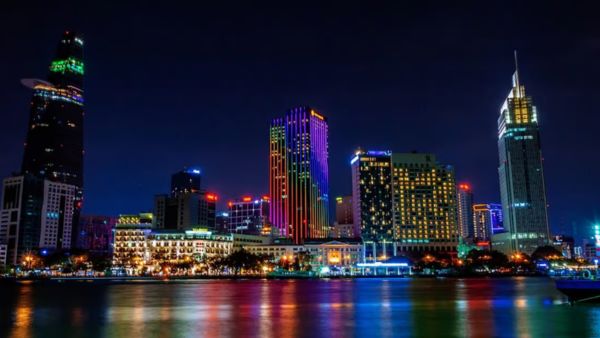
Ho Chi Minh City and other cities are seeing tourism grow. Their booming education sectors are driving visitor numbers.
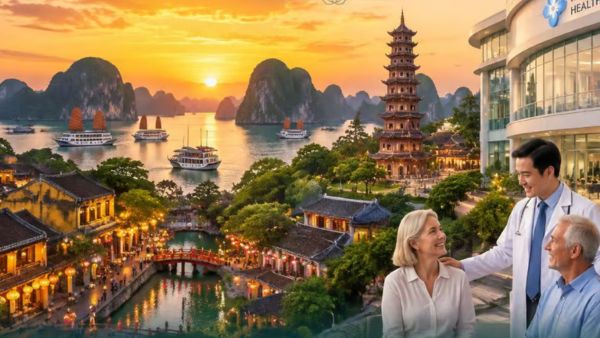
By 2026, Southeast Asia will have one of the most important travel-meets-academia economies in the world, with Vietnam’s education boom tourism creating new opportunities for the country to grow internationally. Now, cities like Hanoi, Ho Chi Minh City, and Da Nang no longer have to wait for an international break to fill their reservoirs with students and visitors for scholarly and curriculum-related events. These cities are sustaining and growing full international students and scholarly events circuits. This is the competitive edge that other countries do not yet possess to recover from the effects of the pandemic and is persuading millions of people to travel to Vietnam to experience the country’s heritage while studying. Learning this symmetry will show how the economy of Vietnam will look in the coming years.
Beyond the immediate economic metrics, the influx of international students serves as a powerful conduit for cultural exchange and soft power diplomacy. When young people from Europe, the Americas, or neighbouring Asian nations spend their formative academic years in Vietnam, they develop a deep-seated appreciation for the country’s culture, language, and people. These individuals return to their home countries as unofficial ambassadors, carrying with them nuanced, positive narratives about modern Vietnam. In the long term, this cultivated goodwill translates into stronger bilateral trade relations, increased foreign direct investment, and elevated geopolitical standing. The soft power generated by establishing Vietnam as an international educational hub is an invaluable, intangible asset that will yield diplomatic dividends for decades to come.