Mallorca Pact Falls Short as Balearic Islands Seek Tourism Growth

In May of last year, the Balearic Government introduced an ambitious sustainability pact, which at the time appeared to be a timely response to increasing traffic congestion and growing discontent within local communities, particularly in Mallorca. The pact, initially designed to address both the region’s tourism and economic models, aimed to provide a long-term solution to these pressing issues. The government’s motivation was to establish a new framework for the future, with the pact envisioned as a cornerstone for reshaping the island’s future economic landscape. The plan was broad in scope, involving a range of stakeholders, including political parties, business associations, unions, environmentalists, farmers, and even academic institutions. Around 150 entities were invited to engage in debates and provide feedback on proposed changes. This included an online platform to allow the general public to contribute, ensuring that all voices had an opportunity to be heard. The hope was that through this wide-ranging consultation, the pact would be able to find common ground and create a roadmap for sustainable growth, addressing key issues such as tourism, transportation, and environmental preservation.

Read more

Greece & Japan Boost Tourism with New Flights & Cultural Exchange

A direct air link betwee Greece and Japan was in the spotlight on Friday during talks held in Athens between a visiting delegation of Japanese parliamentarians and Greek Tourism Minister Olga Kefalogianni. The discussion centered on new possibilities for further reinforcing bilateral tourism cooperation, more specifically through the opening of a nonstop air route that could substantially boost tourist flows and trade relations between the two countries. Enhancing Connectivity to Boost Tourism Minister Kefalogianni highlighted that a direct flight connection would provide a significant boost to the growing interest among Japanese travelers in Greek culture and tourism experiences. With Greece consistently ranking among the world’s top tourism destinations, attracting an impressive 40 million visitors annually, the minister emphasized that this new connectivity would capitalize on this popularity, drawing more Japanese tourists to Greece.

Read more

Malaysia Showcases Sarawak’s Culture & Eco-Tourism at CelebrASIA UK

Malaysia will underscore Sarawak’s eco-tourism, artisanal mastery, and ancestral cultural legacy during the forthcoming CelebrASIA event in the UK. Serving as the centrepiece of its pavilion, the Sarawak Tourism Board will curate a sequence of participatory workshops and live cultural showcases, designed to transport attendees to the heart of Borneo. Visitors will be immersed in the meticulous movements of traditional bead and rattan craft, while the resonant stories of ancient dances and music animate the space. This engaging cultural dialogue provides a rare, multisensory aperture into Sarawak’s breathtaking landscapes and innate cultural plurality, encouraging the international community to embark on journeys toward its lesser-trodden yet extraordinary marvels. Malaysia’s Sarawak Region, situated on Borneo Island, will be attending the cultural festival CelebrASIA 2025 for the very first time, which will be held in London. This cultural festival will occur from 5th to 7th September 2025, located at the Battersea Power Station, and will aim to showcase Southeast Asian culture, food, and traditions. Following the success of the inaugural CelebrASIA 2024 which garnered over 154,000 attendees, Sarawak is eager to participate in the event and STB is elated to be part of the international cultural exchange.

Read more

TikTok & Instagram Transform Global Food Tourism Trends

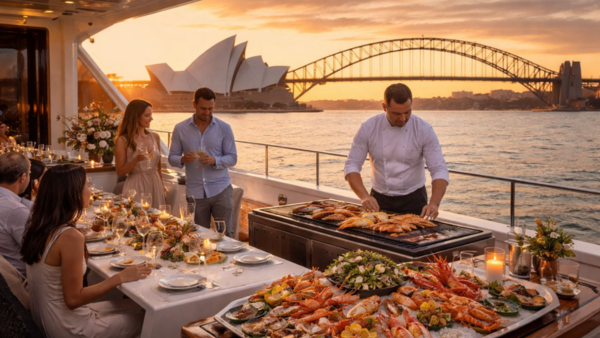
Social media sites such as TikTok and Instagram are revolutionizing food tourism, encouraging international travelers to go on new food adventures. Viral food fads, stunning food videos, and colorful food-focused content influence millions of travelers to visit off-the-beaten-path culinary spots and taste authentic local cuisine. With these sites bringing attention to emerging food experiences, they reframe the way individuals think about and interact with food tourism, making it integral to travel itinerary planning. Food tourism has emerged as one of the leading travel trends in 2025. The trend is being driven by increased demand for authentic local experiences, cultural immersion, and social media influence, all combining to create a successful market for culinary travel. With food travelers on the hunt for new locales and experiences providing novel and diverse gastronomic offerings, tour operators are finding new ways to capitalize on this growing demand.

Read more

Sri Lanka Bets on Luxury Casinos to Drive Tourism & Economic Revival

Sri Lanka is turning to casinos as a key strategy to drive its post-crisis tourism revival. By introducing high-end gaming resorts like the $1.2 billion City of Dreams, the government aims to attract affluent tourists, particularly from India and China. This ambitious move is expected to significantly boost tourism revenue, potentially reaching $5 billion by 2025, up from $3.7 billion in 2024. The casino expansion, coupled with new gambling regulations, is seen as a vital step in diversifying the country’s tourism sector, positioning Sri Lanka as a premier destination for both leisure and luxury travel. Sri Lanka Unveils $1.2 Billion “City of Dreams” Resort, Eyes Record Tourist Arrivals in 2025 Sri Lanka is on the brink of a new era in tourism with the opening of its $1.2 billion “City of Dreams” resort in Colombo. This ambitious integrated resort, marking South Asia’s first venture of its kind, is designed to elevate the country’s appeal to affluent tourists, particularly from India and China, both of which enjoy visa-free entry to Sri Lanka. The government’s hopes rest heavily on the success of this venture, as it seeks to boost the tourism sector and drive economic recovery following the severe financial crises of the last few years.

Read more

Philippines Aims to Lead Asian Tourism with Culture & Development

The Philippines is taking bold strides toward becoming a dominant tourism player in Asia by 2028. The nation’s ambitious plans, underpinned by a commitment to cultural preservation and sustainable tourism, are outlined in the National Tourism Development Plan (NTDP) for 2023–2028. The country’s tourism goals are far-reaching, with an emphasis on inclusivity, resilience, and long-term sustainability, positioning the Philippines as a tourism powerhouse in Southeast Asia. A Vision for Sustainable Tourism and Heritage Promotion At the core of the NTDP is the recognition of the Philippines’ rich cultural heritage as a key driver for tourism growth. The government has outlined a strategic approach that integrates heritage and cultural tourism with modern infrastructure development. This holistic model aims to offer diverse, authentic experiences to tourists while preserving the nation’s cultural integrity for future generations. The NTDP stresses the importance of building a tourism sector that benefits local communities, promotes economic growth, and ensures environmental sustainability. The initiative places cultural heritage tourism at the forefront, intending to attract international visitors interested in authentic, immersive experiences. Additionally, sustainability and resilience have been integrated into the framework, focusing on eco-friendly tourism practices and community empowerment. Infrastructure Development to Support Tourism Growth Infrastructure development is a crucial element of the Philippines’ tourism strategy. Over 700 kilometers of tourism roads are being constructed nationwide, with the Department of Public Works and Highways (DPWH) spearheading the project. These roads are designed to improve access to previously hard-to-reach destinations, facilitating smoother travel for tourists and boosting economic activity in underserved regions.

Read more