
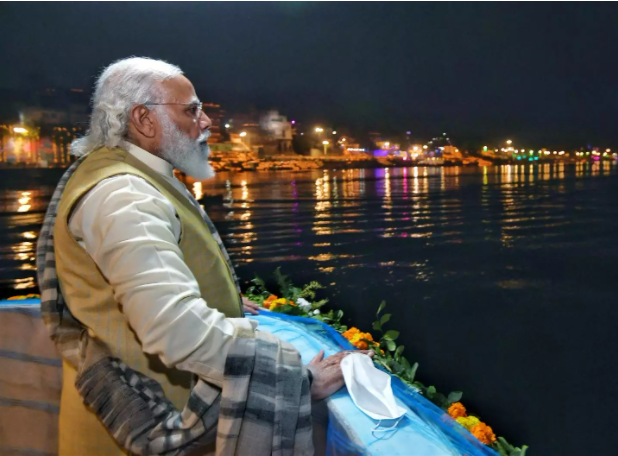
In Varanasi, Modi once again invokes tourism
- Dec 02,2020
- Economic Times
While support to the Covid-19 hit tourism and hospitality sectors of India may not figure in the government’s agenda, as yet, Prime Minister Narendra Modi sure seems to know how crucial tourism is for the upliftment of the community at large. While inaugurating a six-lane widening project of the Varanasi-Prayagraj section of NH-19 in the PM’s Lok Sabha constituency, Modi went on to say that better facilities also help to encourage tourism in and around the areas. Stressing on the importance of connectivity, the PM said, “Whether it is a place related to faith or any specific work, people definitely see how easy it is to get there before going anywhere. Such facilities also encourage indigenous and foreign tourists, all types of tourists and devotees. Good roads, good railroads, good and cheap air facilities provide convenience to every section of the society.” Talking about the various projects that have been initiated in Varanasi, Modi said that while the road connecting the city to the airport has become the hallmark of development work in the city today, the connectivity of the railway station has also improved. He also pointed out the ongoing work at Ring Road Phase-2 and remarked that with its completion, heavy vehicles coming from Sultanpur, Azamgarh and Ghazipur will be able to directly exit this new six lane highway without entering the city. He added, “At the same time, efforts are being made to complete the construction work on the other highways soon. With the construction of these highways, travel to Varanasi, Lucknow, Azamgarh and Gorakhpur will become easier.”
Read more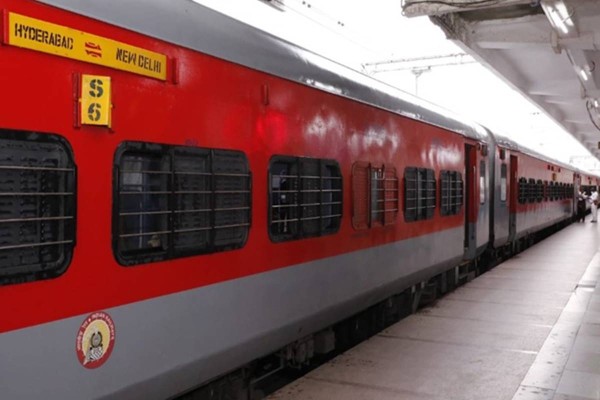
IRCTC Special Trains: Indian Railways passengers, note! Timings of these 11 trains revised; details
- Dec 02,2020
- Financial Express
The timings of the various festival, as well as other special trains originating/terminating over Western Railways, have been changed with effect from 1 December 2020. Revised timings of special IRCTC trains: Indian Railways passengers, if you are planning to travel by train in the coming days then it is advisable to check the train timings before booking your tickets. Recently, the national transporter has revised the timings of various festival special and other special trains. According to a press release issued by the Western Railway zone, the timings of the various festival as well as other special trains originating/terminating over Western Railways have been changed with effect from 1 December 2020. Take a look at the details of 11 special trains with their revised timings and stoppages with effect from 1, 2 and 3 December 2020: 1) Dadar-Bhuj Superfast Special Train (Daily): Train Number 09115 Special will leave Dadar station at 3.20 PM and arrive Bhuj station at 06.35 AM, the next day from 2 December 2020. While Train Number 09116 Special will leave Bhuj station at 10.35 PM and arrive Dadar station at 1.55 PM, the next day from 1 December 2020. The train will halt at Borivali, Navsari, Vapi, Valsad, Surat, Ankleshwar, Anand, Vadodara, Ahmedabad, Dhrangandhra, Viramgam, Samakhiyali and Gandhidham stations of western railways. 2) Porbandar-Delhi Special Train (Bi-weekly): Train Number 09263 Special will leave Porbandar station at 7.40 PM and arrive Delhi at 7.30 PM, the next day with effect from 1 December 2020. While Train Number 09264 Special will leave Delhi at 08.10 AM and arrive Porbandar station at 09.00 AM, the next day from 3 December 2020. The halts over Western Railways include Jamnagar, Surendranagar, Rajkot, Viramgam, Ambli Road, Mahesana and Palanpur railway stations. 3) Dr Ambedkar Nagar-Bhopal Special Train (Daily): Train Number 09323 Special will leave Dr Ambedkar Nagar station at 06.15 AM and reach Bhopal station at 10.55 AM, the same day with effect from 1 December 2020. While Train Number 09324 Special will leave Bhopal station at 5.00 PM and arrive Dr Ambedkar Nagar station at 10.15 PM, the same day from 1 December 2020. The train’s halts over Western Railways include Indore, Maksi, Dewas and Shujalpur stations. 4) Dr Ambedkar Nagar-Kamakhya Special Train (Daily): Train Number 09305 Special will leave Dr Ambedkar Nagar railway station at 12.45 PM and reach Kamakhya station at 1.50 PM, on the third day with effect from 3 December 2020. While Train Number 09306 Special will leave Kamakhya station at 05.35 AM and arrive Dr Ambedkar Nagar station at 06.05 AM, on the third day from 6 December 2020. The train will halt on Western Railways’ Indore, Ujjain, Dewas and Shujalpur stations. 5) Indore-Howrah Superfast Special Train (Tri-weekly): Train Number 02911 Special will leave Indore railway station at 11.30 PM and arrive Howrah station at 06.55 AM, the third day with effect from 1 December 2020. While Train Number 02912 Special will leave Howrah station at 5.45 PM and arrive Indore at 12.25 AM, the third day with effect from 3 December 2020. The train will halt on Western Railways’ Dewas, Shujalpur and Ujjain stations. 6) Mumbai Central-Okha Superfast Special Train (Daily): Train Number 02945 Special will leave Mumbai Central railway station at 9.15 PM and reach Okha station at 2.55 PM, the next day with effect from 1 December 2020. While Train Number 02946 Special will leave Okha station at 11.05 AM and arrive Mumbai Central station at 04.55 AM, the next day from 1 December 2020. The train will halt on Western Railways’ Dadar, Borivali, Valsad, Palghar, Vapi, Surat, Bharuch, Ahmedabad, Viramgam, Vadodara, Anand, Surendranagar, Rajkot, Khambaliya, Jamnagar, and Dwarka stations. 7) Valsad-Haridwar Special Train (Weekly): Train Number 09111 Special will leave Valsad railway station at 3.25 PM and reach Haridwar railway station at 2.40 PM, the next day with effect from 1 December 2020. While Train Number 09112 Special will leave Haridwar station at 5.30 PM and arrive Valsad station at 2.25 PM, the next day from 2 December 2020. The train will halt on Western Railways’ Navsari, Vadodara, Surat, Ankleshwar, Dahod and Ratlam stations. 8) Surat-Bhagalpur Special Train (Weekly): Train Number 09147 Special will leave Surat railway station at 10.10 AM and arrive Bhagalpur railway station at 7.00 PM, the next day with effect from 1 December 2020. While Train Number 09148 Special will leave Bhagalpur at 06.45 AM and arrive Surat railway station at 4.10 PM, the next day from 3 December 2020. The train will halt on Western Railways’ Udhna, Navapur, Dondaicha, Nandurbar and Amalner stations. 9) Bandra Terminus-Bhuj Special Train (Weekly): Train Number 09455 Special will leave Bandra (T) at 5.45 PM and arrive Bhuj railway station at 08.30 AM, the next day with effect from 1 December 2020. While Train Number 09456 Special will leave Bhuj station at 8.15 PM and arrive Bandra (T) station at 11.45 AM, the next day from 1 December 2020. The train will halt on Western Railways’ Borivali, Navsari, Surat, Vapi, Valsad, Ankleshwar, Bharuch, Anand, Vadodara, Dhrangandhra, Ahmedabad, Viramgam, Samakhiyali and Gandhidham stations. 10) Gandhidham-Puri Special Train (Weekly): Train Number 02973 Special will leave Gandhidham station at 1.45 PM and arrive Puri railway station at 08.05 AM, on the third day from 2 December 2020. While Train Number 02974 Special will leave Puri railway station at 11.10 AM and arrive Gandhidham station at 06.00 AM, on the third day from 5 December 2020. It will halt on Viramgam, Surat, Ahmedabad, Vadodara, Anand, and Nandurbar stations of Western Railways. 11) Ahmedabad-Puri Special Train (four days a week): Train Number 02844 Special will leave Ahmedabad station at 7.00 PM and arrive Puri railway station at 8.05 AM, on the third day with effect from 3 December 2020. While Train Number 02843 Special will leave Puri railway station at 5.30 PM and arrive Ahmedabad railway station at 06.35 AM, on the third day with effect from 1 December 2020. The train will halt on Anand, Bharuch, Vadodara, Surat and Nandurbar railway stations of Western Railways.
Read more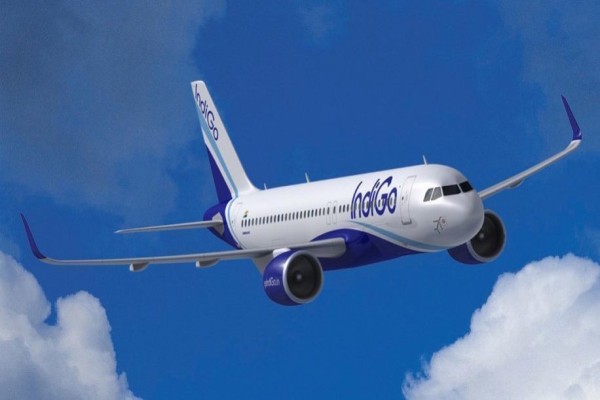
IndiGo commenced flights to Vijayawada, Tirupati & Vizag from Dec 1
- Dec 02,2020
- Travel biz Monitor
IndiGo has announced daily flights on the Bengaluru-Tirupati-Vijayawada- Visakhapatnam sectors with effect from yesterday,i.e, December 1. Flight No. 6E7282 Bengaluru – Tirupati will leave Bengaluru at 10.40 a.m. and reach Tirupati at 11.40 a.m, 6E7293 Tirupati – Vijayawada will leave Tirupati at 12.05 p.m. and reach Vijayawada at 1.20 p.m., 6E7172 Vijayawada – Visakhapatnam will leave Vijayawada at 1.45 p.m. and land in Visakhapatnam at 2.50 p.m. No. 6E7167 will take off from Visakhapatnam at 3.15 p.m. and reach Vijayawada at 4.25 p.m., 6E7247 will leave Vijayawada at 4.50 p.m. and reach Tirupati at 6.20 p.m. Flight No. 7317 Tirupati – Bengaluru will leave Tirupati at 6.45 p.m. and reach Bengaluru at 7.45 p.m. Tours and Travels Association of Andhra (TTAA) State President K. Vijay Mohan said in a statement that IndiGo had accepted the appeal of TTAA to connect the flight to Vizag. Passengers from Vizag can now book their tickets to Tirupati.
Read more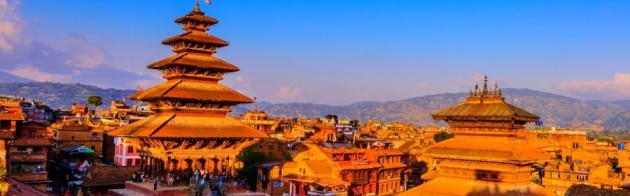
India-Nepal ties heading for reset with travel air bubble, foreign minister visit on cards
- Dec 02,2020
- Aaj Tak
Nepal has been sending some constructive indicators and is eager on transferring ahead on its relationship with India. During the practically one hour assembly between India’s overseas secretary, Harsh Shringla and Nepal’s Prime Minister, Okay P Oli, the discussions had been centered round normalising relations, which have been hit as a result of Lipulekh boundary row. Sources inform OneIndia that whereas Nepal desires the ties to be bettered, it will additionally like to debate the border row. The two international locations may revive negotiations over the Pancheshwar multi-modal challenge and likewise arrange a journey air bubble, the supply additionally stated. However India would tread cautiously as China seems to be wielding some affect over Nepal. India then again can also be wanting ahead to the go to by Nepal’s overseas minister, Pradeep Kumar Gyawali in December. The dates of the identical are presently being labored out. Indian Army Chief General M M Naravane’s current three-day go to to Nepal was largely geared toward resetting bilateral ties that got here below extreme pressure following a bitter border row between the 2 international locations. The assembly between Gen Naravane and Oli, who can also be the Defence Minister of Nepal, happened at his official residence in Baluwatar, Nepal Army sources stated. Prime Minister Oli stated that there was good friendship between Nepal and India, in accordance with his overseas affairs advisor Rajan Bhattarai. Oli expressed hope that the issues between the 2 international locations could be resolved by means of dialogue, Bhattarai stated in a tweet after the assembly. The Nepal Prime Minister talked about the centuries-old particular relations present between Nepal and India, and the custom of conferring Honorary General of Army on one another’s Army chiefs, Bhattarai stated. PM Modi to mark Dev Deepawali in Varanasi | Kashi decked up | Oneindia News The Indian Embassy stated that through the assembly, either side additionally exchanged views on the in depth bilateral partnership between India and Nepal. Gen Naravane reaffirmed that he would work to additional strengthen the defence cooperation between the 2 international locations.
Read more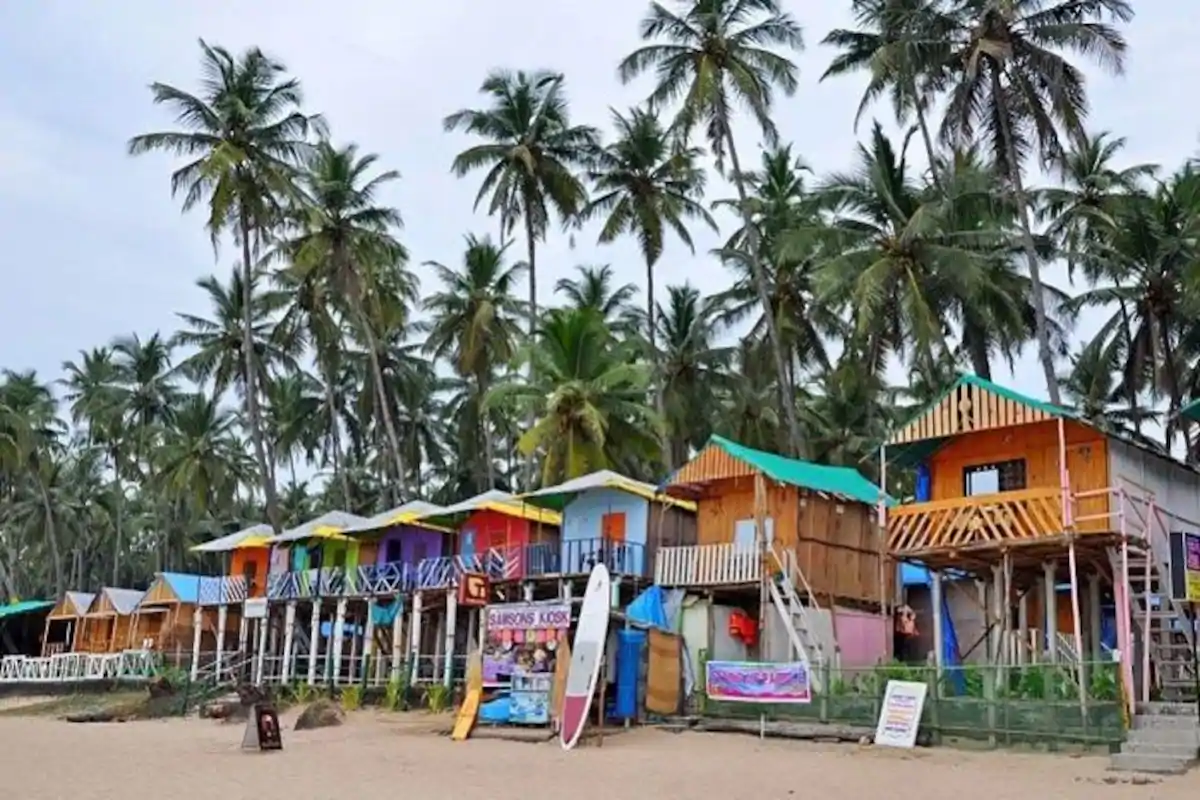
COVID-19 update: Tourists in Goa to be photographed and fined if found without masks
- Dec 01,2020
- Times Of India
In the latest COVID-19 update, Goan government has decided to photograph and fine tourists who are found roaming in the city without masks. Recently, several tourists in Goa have been noticed without masks and arguing with the authorities unnecessarily. Panaji Mayor Uday Madkaikar made the crucial announcement on Monday and said that police will now find such tourists, photograph them, and impose a fine to teach a lesson. There have been reports that tourists, when asked to wear masks, become abusive towards Panaji Municipal Corporation officials. Madkaikar said, "In view of these unnecessary tussles, police will now accompany our municipality officials during drives to enforce the use of face masks in public. Photos of tourists who do not follow the rule will also be taken before they are directed to pay fines." He further said that they don’t want to harass people, but there are some tourists who create a ruckus during enforcement drives and that it is a pan-India SOP. "People should visit Goa, but they should not take the state's people for granted. The objective of wearing masks is to keep everyone safe from coronavirus," Madkaikar said. It was only last week that the government announced a doubling of the fine for not wearing masks to INR 200. Of late, Goa has been flooded with tourists (since the borders reopened). People have been pouring in from all over the country, which has resulted in unmanageable crowds at some of the most prominent attractions in the beach state.
Read more
Odisha Gears UP To Promote Five Eco -Tourism Destinations
- Dec 01,2020
- Travel Daily Media
Odisha is ready to promote Eco Retreat in five unique locations – Konark, Hirakud, Bhitarkanika, Daringbadi and Satkosia, Jyoti Prakash Panigrahi, Tourism Minister of state said while addressing the the ‘Odisha Tourism Virtual Roadshow – 2020’ held for the Raipur, Bilaspur and Durg-Bhilai tourism fraternity. Aimed at the timely revival of the tourism and hospitality sector post-COVID-19, Odisha is extensively marketing its flagship campaigns, Odisha By Road complemented by the highly acclaimed Eco Retreat Odisha glamping festival, which is set to begin on 8 December 2020, upto 28 February 2021, he added. Panigrahi said that the Eco Retreats will offer tourists an opportunity to discover Odisha’s diverse tourism offerings, in style. “Chhattisgarh and Odisha are cultural siblings, with deep-rooted commonalities. Despite this, we have our own unique offerings to exhibit to explorers. Together, our states can make this region the most sought-after winter destination for Indians, looking forward to a getaway after reeling under the pandemic for eight months,” he said. He also assured the full support of Odisha tourism for the revival of domestic tourism between the states. Vishal Kumar Dev, Commissioner – cum – Secretary, Tourism Department and Sports and Youth Services Department, Government of Odisha said, “Odisha’s excellent road connectivity enables enjoyable road trips throughout the state. We have designed two exciting road itineraries starting from Chhattisgarh, including key destinations such as Hirakud and Debrigarh Sanctuary in one leg and Nrusinghnath and Satkosia Tiger Reserve in the other.” Providing a glimpse of the upcoming Eco Retreat Odisha, Dev said, “Eco Retreat Hirakud, Satkosia and Daringbadi are easily accessible by road, within 450 km. Worldclass amenities for camping in luxury tents are complemented by experiences ranging from jungle trails to water sports, camp-fires to boat rides, cycling tours to adrenaline pumping games, and lip smacking food. All this comes with Odisha’s stamp of tourist safety assurance, backed by its stellar record in COVID management. The synergised application of SOPs and technology for added safety will secure tourists’ experience at every Eco Retreat.” To enable concrete measures for the holistic revival of the tourism and hospitality sector, Government of Odisha is planning a series of concurrent legislative and policy measures which will help harmonising investor interests and tourist wellbeing, while offering a conducive environment for the growth of niche tourism offerings such as houseboat and cruise tourism, caravan and camping tourism, arts & crafts tourism and a lot more, Dev added. Anbalagan P, Secretary, Tourism, Government of Chhattisgarh, said, “Chhattisgarh is focusing on domestic tourism and the state is looking forward to the joint MoU on regional cooperation with Odisha Tourism to restart the tourism exchange between the two states with all safety protocols and guidelines in place. Tourism has the potential to revive the economy which has been impacted by the pandemic.” Sachin Ramchandra Jadhav, Director & Addl Secretary, Department of Tourism, Government of Odisha, highlighted the steps taken by Odisha to train the local stakeholders on safety protocols and assured that all the necessary precautions are in place. “A dedicated online portal will update tourists about the safety of the destination to boost their confidence to travel. Odisha is one state with varied experiences like spiritual & heritage tourism, coastland & wetland tourism, eco-tourism, wildlife tourism, handicrafts tourism, ethnic tourism and fairs & festivals,” he added.
Read more