

Bethelhem Dibaba appointed Regional Director – Indian Subcontinent at Ethiopian Airlines
- Jun 26,2025
- Travel Trade Journal
Ethiopian Airlines has announced the appointment of Bethelhem Dibaba as its new Regional Director for the Indian Subcontinent. She will be based in Mumbai and will oversee the airline’s operations across one of its key international markets. Bethelhem brings over a decade of experience with Ethiopian Airlines, having joined the carrier on January 16, 2012. She has held several key positions within the organisation, including roles at the Global Customer Interaction Centre (GCIC) and, most recently, as Station Manager in Chennai (MAA). Her rich, varied and long-standing experience will be an opportunity towards elevating ET’s operation in the Indian Sub-Continent. “We are delighted to welcome another woman leader to India and are proud of Ethiopian Airlines’ commitment to empowering women in its future objectives,” the airline said in an official statement. Ethiopian Airlines has witnessed rapid growth, network extension, upgrading level of services rendered to its valued customers, introduction of the New Generation Boeings and use of the state of art technology and programs that cope with the successive advancements in the airline industry. Currently, Ethiopian is the largest and fastest-growing and most profitable Airline in Africa, and one of the few such airlines in the world. Ethiopian is also the winner of many prestigious awards. “Ethiopian Airlines will continue to strive to live up to its motto of being ‘The New Spirit of Africa’ in India with Bethelhem at the helm,” the statement concluded.
Read more
Magnicity hosts Indian travel delegates at 360 Chicago during IPW 2025
- Jun 26,2025
- Travel Trade Journal
Indian travel trade delegates, who were in Chicago, USA, to attend IPW, were recently hosted for an exclusive evening at 360 Chicago, where panoramic skyline views met curated hospitality in a personalized showcase by Magnicity. From handcrafted cocktails at CloudBar to a chef-curated menu served high above Lake Michigan, the experience underscored the strengthening ties between the Indian and U.S. travel industries. Held alongside IPW 2025 in Chicago, the evening brought the city’s elevated appeal to life for key trade partners from India. Located on the 94th floor (formerly the John Hancock Center), 360 Chicago offers sweeping views of the skyline and lakefront, and is home to TILT, Chicago’s only outward-tilting thrill ride, and CloudWalk, the city’s highest open-air deck featuring local art. CloudBar, its cocktail lounge, draws inspiration from Chicago’s neighbourhoods, blending elevated views with a distinctly local flavour. The 17,000-square-foot space also hosts seasonal programming and offers front-row access to major events, from fireworks to the Air & Water Show. In June 2024, Magnicity acquired the 95th and 96th floors of the tower, marking a bold next chapter for its flagship property. Following a multimillion-dollar renovation, the new levels will open in 2027, joined to the 94th floor by a grand staircase and expanded visitor experience. Over the past decade, the company has invested nearly $20 million into 360 Chicago, resulting in a 60% rise in visitation and reinforcing its place as a cornerstone of immersive city exploration. “At Magnicity, we believe cities have stories to tell, and the best way to hear them is from above. Welcoming our Indian partners to 360 Chicago was a celebration of connection, culture, and shared ambition. As we expand globally, we remain rooted in creating meaningful, localised experiences that resonate across borders,” said Alexia Vettier, CEO of Magnicity. Jim Vozzella, Senior Sales Manager at 360 Chicago, added, “It was an absolute pleasure hosting our Indian trade guests for an evening that blended skyline views with authentic hospitality. The energy, engagement, and feedback we received reinforce how vital this market is, and how excited we are for what’s next.” The event also paved the way for confirming the active development of the Magnicity group, currently in negotiations for new observation platforms in Asia, the Americas or Europe, as well as a potential launch of its Spiral Tower concept, a sustainable structure built from spiral modules. As Magnicity enters its next chapter of expansion, the vision remains focused: redefine urban exploration by delivering world-class, story-driven experiences across continents, one skyline at a time.
Read more
Jamaica’s Cruise Sector Surges with Disney Treasure and Celebrity Ascent Inaugural Visits"
- Jun 26,2025
- Travel Trade Journal
Jamaica’s cruise tourism sector has reached exciting new heights as world-renowned ships like Disney Treasure and Celebrity Ascent make their inaugural calls to the island, underscoring its rising prominence as a premier cruise destination in the Caribbean. These landmark visits reflect Jamaica’s growing appeal on the global stage, driven by enhanced port infrastructure, strong tourism partnerships, and the island’s unmatched cultural and natural attractions. The Ministry of Tourism is actively working to expand the cruise tourism sector, acknowledging its significant role in Jamaica’s growing number of international visitors. Cruise tourism has proven to be an invaluable part of Jamaica’s tourism industry, bringing thousands of tourists to the island each year. Recognizing this, the Ministry of Tourism, led by Minister Edmund Bartlett, is focusing on capitalizing on the increasing popularity of cruise travel. Minister Bartlett emphasized the vital contribution of renowned cruise lines to Jamaica’s tourism, particularly highlighting recent inaugural calls to the island from esteemed vessels such as Disney Treasure and Celebrity Ascent. The arrival of these high-profile ships underscores Jamaica’s rising stature as one of the Caribbean’s leading cruise destinations. These developments in cruise tourism are a key component of Minister Bartlett’s broader strategy for the 2025–2026 fiscal year. During his address to Parliament on June 17, 2025, Minister Bartlett outlined fifteen strategic priorities aimed at improving the tourism sector’s contribution to Jamaica’s economic prosperity. Cruise tourism is a major focus within this framework, reflecting the government’s commitment to enhancing the sector’s overall impact. One of the standout initiatives in this plan is the “Local First” initiative, which seeks to increase local involvement in the tourism value chain. Minister Bartlett introduced this initiative as a way to ensure that a greater portion of tourism-generated income remains within Jamaica. The core idea is to create a tourism model where local businesses—especially farmers, artisans, and professionals—play a more prominent role in serving the needs of the sector. The Minister has also announced plans for new legislation and incentive programs designed to promote the participation of Jamaican producers in the tourism industry, encouraging domestic growth and sustainability. The “Local First” initiative is crucial for ensuring that the economic benefits of tourism are more widely distributed among the Jamaican population. By ensuring that tourism dollars flow back into local communities, the government aims to foster more equitable economic growth and enhance the resilience of local economies. Minister Bartlett stressed that this initiative will be key to preserving the long-term success of the industry, creating a positive cycle where local businesses continue to thrive alongside the influx of international tourists. In supporting this vision, the Ministry of Tourism is also looking to expand upon the success of the Agri-Linkages Exchange (ALEX) platform. This digital tool has played an important role in connecting local farmers directly with hotel purchasing managers, creating a more efficient and direct supply chain. By cutting out intermediaries, the platform has allowed farmers to secure better prices for their goods, resulting in better returns for local producers. ALEX has demonstrated the effectiveness of localized collaboration, and the Ministry aims to extend this model across other sectors of Jamaica’s tourism industry. Minister Bartlett has highlighted that tourism dollar retention—the proportion of money spent by tourists that stays within the country—is a key indicator of the success of these initiatives. Jamaica’s tourism sector has already achieved an impressive retention rate of 40.8 percent, one of the highest in the Caribbean. The government intends to increase this figure through the ongoing “Local First” initiative, with the goal of ensuring that a larger percentage of tourism revenue benefits local communities directly. Building on these efforts, the government also plans to focus on other aspects of Jamaica’s tourism infrastructure, including enhancing the island’s port facilities and strengthening connections between international cruise lines and local businesses. A key part of the strategy is to provide Jamaican businesses with the tools, resources, and incentives they need to meet the demands of the growing cruise tourism market. This includes expanding the range of local products and services available to cruise passengers, ensuring that more revenue from tourism stays within the country. In addition to expanding cruise tourism, Minister Bartlett also emphasized the importance of improving Jamaica’s overall tourism offering. This involves not only upgrading facilities but also promoting sustainable tourism practices that will benefit both visitors and local communities. Through this comprehensive approach, the Ministry of Tourism aims to position Jamaica as a global leader in sustainable tourism while ensuring that the local population benefits from the expanding tourism sector. Minister Bartlett concluded by reaffirming his commitment to making Jamaica’s tourism industry more inclusive, sustainable, and economically resilient. By strengthening local participation and continuing to attract high-quality cruise tourism, the Ministry aims to build a more balanced and prosperous future for the country. As the tourism sector grows, the focus will be on ensuring that its benefits are felt by a wider cross-section of the Jamaican population, ensuring that all Jamaicans are able to share in the success of this vital industry. In summary, the Ministry of Tourism’s strategies for expanding cruise tourism and strengthening local supply chains are designed to create a more sustainable and inclusive model for the future. With the “Local First” initiative at the forefront of the plan, Jamaica is positioning itself to capitalize on its growing cruise industry while ensuring that more of the economic benefits stay within the country. These efforts reflect the government’s commitment to fostering a competitive, resilient, and equitable tourism sector that will continue to benefit Jamaica for years to come.
Read more
Serena Hotels targets pan-African growth while expanding brand presence in India
- Jun 26,2025
- Travel Trade Journal
Serena Hotels, one of the leading brands in Africa’s hospitality sector, is entering a new phase of strategic growth, driven by innovation and commitment to sustainability. Ashish Sharma, Chief Executive Officer, Serena Hotels Africa, is focused on strengthening brand visibility in emerging markets such as India to support this long-term growth. Serena Hotels currently operates with a portfolio of 22 properties in six countries of East and Southern Africa, spanning Kenya, Tanzania (including Zanzibar), Uganda, Rwanda, Mozambique, and the Democratic Republic of Congo. The hotel chain features an extensive portfolio thoughtfully balanced across city hotels, safari lodges, beach resorts, and wilderness camps, each offering a unique window into the landscapes, cultures, and histories of the destinations. From gorilla trekking Rwanda to circuit safaris across Kenya and Tanzania, to heritage stays in coastal destinations like Zanzibar, the Serena properties are designed to deliver immersive, seamless, and unforgettable journeys. Serena Hotels, one of the leading brands in Africa’s hospitality sector, is entering a new phase of strategic growth, driven by innovation and commitment to sustainability. Ashish Sharma, Chief Executive Officer, Serena Hotels Africa, is focused on strengthening brand visibility in emerging markets such as India to support this long-term growth. Serena Hotels currently operates with a portfolio of 22 properties in six countries of East and Southern Africa, spanning Kenya, Tanzania (including Zanzibar), Uganda, Rwanda, Mozambique, and the Democratic Republic of Congo. The hotel chain features an extensive portfolio thoughtfully balanced across city hotels, safari lodges, beach resorts, and wilderness camps, each offering a unique window into the landscapes, cultures, and histories of the destinations. From gorilla trekking Rwanda to circuit safaris across Kenya and Tanzania, to heritage stays in coastal destinations like Zanzibar, the Serena properties are designed to deliver immersive, seamless, and unforgettable journeys.
Read more
Artificial Intelligence (AI) is taking over travel faster than you think
- Jun 25,2025
- Travel Trade Journal
Artificial Intelligence (AI) is rapidly reshaping the global B2B travel trade, bringing new efficiencies and capabilities to companies planning, booking, and managing corporate travel in an industry built on complex logistics and vast data, including flight schedules, hotel rates, and corporate travel policies. AI-driven tools are helping travel providers and corporate travel managers make smarter decisions. This analytical overview examines how key AI innovations are transforming business-to-business travel services today and what future developments lie ahead. The content explores generative AI chatbots for trip planning, intelligent itinerary optimisation, agentic AI systems capable of autonomous action, and emerging concepts set to transform travel procurement and service delivery. Throughout, the focus is on how these technologies enhance personalisation, efficiency, and strategic decision-making in corporate travel management. Generative AI and Chat-Based Travel Planning One of the most visible advances has been the rise of generative AI in travel planning. Generative AI models (such as GPT-based systems) can understand natural language queries and produce human-like responses. In the travel context, this enables chat-based planning tools where users can converse with an AI assistant to research and organise trips. For example, a travel manager or employee might type, “Find me a three-day itinerary in Singapore with client meetings, and suggest evening networking activities.” The AI can instantly parse this request and provide tailored recommendations, drawing on vast travel databases and contextual knowledge. This chat-driven approach makes trip planning more interactive and intuitive than traditional keyword-based search forms. It feels akin to consulting a knowledgeable human agent, except that it is available 24/7 and can sift through far more options in seconds. Recent industry analyses indicate growing adoption of AI planning tools among travellers and travel managers. Many business travellers, especially younger professionals, are experimenting with AI chatbots to plan trips or seek advice during travel. Travel management companies (TMCs) are also piloting AI-driven chat interfaces in their online booking tools. While this trend is still in early stages for corporate programmes, it mirrors the enthusiastic uptake seen in the consumer travel sector. The promise is that chat-based AI planners will reduce the time spent researching trips and empower employees to handle simple arrangements themselves, freeing human travel consultants to focus on more complex or high-value tasks. AI-Driven Itinerary Creation and Optimisation Beyond chat interfaces, AI is being leveraged to create and optimise travel itineraries automatically. An AI trip planner can take a set of parameters, such as destinations, dates, meeting times, budget constraints, and traveller preferences, and construct an optimal itinerary in moments. This involves complex decision-making that AI excels at: selecting flights that minimise total travel time, choosing hotels that balance cost with proximity to meeting venues, scheduling ground transport, and accommodating any required layovers or rest periods. AI itinerary tools are also improving travel procurement by analysing historical trip data. They can identify patterns such as frequently visited city pairs or seasonal spikes in travel, and then optimise future itineraries accordingly. By crunching big data on past travel, AI helps travel managers refine their travel programmes with evidence-based insights. Overall, AI-driven itinerary creation not only saves time but ensures each trip is as cost-effective and smooth as possible, benefiting both the traveller’s experience and the company’s bottom line. Agentic AI As AI capabilities advance, the concept of agentic AI has emerged; AI systems can act autonomously across platforms and travel APIs to execute tasks without needing step-by-step human instructions. In corporate travel management, agentic AI refers to an intelligent assistant that not only makes recommendations but also carries out travel tasks end-to-end. This is revolutionising how travel bookings and changes are handled behind the scenes. The agentic AI approach goes beyond reactive assistance; it anticipates and manages needs. Because the agent operates via APIs, it can interface with various systems, including airline reservation systems, hotel booking platforms, rideshare apps, expense management software, and more. This interconnectedness enables it to perform complex cross-system tasks, such as synchronising travel booking details with expense reports or calendar entries, without human intervention. However, adopting autonomous AI also calls for careful governance. Travel policies, preferred suppliers, and duty of care considerations must be coded correctly into the AI’s decision logic. The balance may shift toward greater autonomy, but in the interim, the collaboration of AI speed with human judgment defines the best practice.
Read more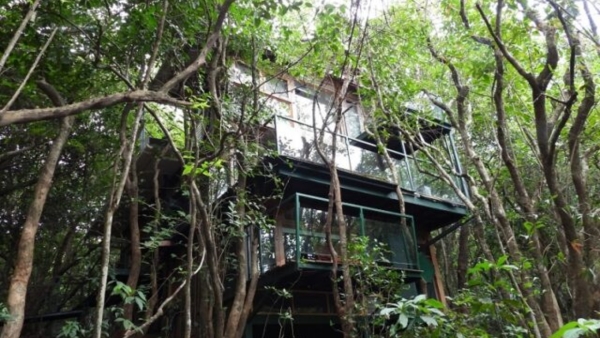
The Machan’s sustainable expansion across India is rooted in the ethos of thoughtful travel
- Jun 25,2025
- Travel Trade Journal
The Machan Lonavala is located in the heart of the Western Ghats in Maharashtra, one of the world’s eight “hottest hotspots” of biodiversity. Here, we have created entirely off-grid treehouses, suspended 30 to 50 feet above the forest floor, offering guests a truly immersive experience in nature. Each structure is powered by renewable energy, built with minimal environmental disruption, and designed to allow guests to disconnect from digital noise and reconnect with the natural world. It is a rare escape where luxury and wilderness coexist in harmony. Q. With several new properties set to open in Rajasthan and Maharashtra, how is The Machan ensuring consistency in its eco-luxury philosophy while scaling across diverse destinations? Consistency for us is not about replication; it is about staying true to our philosophy while responding to the unique context of each site. Before we break ground at any location, we invest time in understanding the ecology, culture, and community around it. Our “design with nature” approach ensures each property is built using local materials, integrates renewable energy, and respects the natural contours of the land. We have a stringent internal sustainability framework that guides every aspect, from architectural footprint to waste management and local hiring, ensuring the guest experience remains authentically eco-luxurious, regardless of the destination. Q. Of your upcoming sites, Karjat, Jaisalmer, Udaipur, Mulshi, etc., which destination presents the greatest challenge in sustainability, and how do you address it? Karjat, due to its close proximity to Mumbai and Pune, brings a distinct challenge. While its accessibility is a clear advantage, it also makes the region vulnerable to overdevelopment and ecological strain. The natural beauty of Karjat is under pressure from unregulated construction, shrinking green cover, and increasing tourism. Our approach here is regenerative rather than merely sustainable. We are restoring native vegetation, practising soil and water conservation through landscape-sensitive planning, and constructing low-footprint structures that respect the land’s topography. Water harvesting, solar energy, and natural ventilation are integral to the design. Importantly, we are also building strong relationships with the local community to ensure the project supports livelihoods and enhances the region’s ecological wealth without compromising it. Q. As The Machan expands, how are you integrating eco-friendly design and technologies across new properties while staying true to your core values of sustainability and responsible growth? Every new Machan property is an opportunity to push the boundaries of what responsible luxury can look like. Whether it is architecture that breathes or operations that minimise waste, every decision is made through the lens of environmental stewardship. We use site-sensitive construction, source materials locally, and incorporate passive cooling, solar power, greywater recycling, and rainwater harvesting systems. But beyond tech, we are also designing for experience, giving guests the chance to live in harmony with nature, without sacrificing comfort or aesthetics. Our growth is not about building more; it is about building better.
Read more