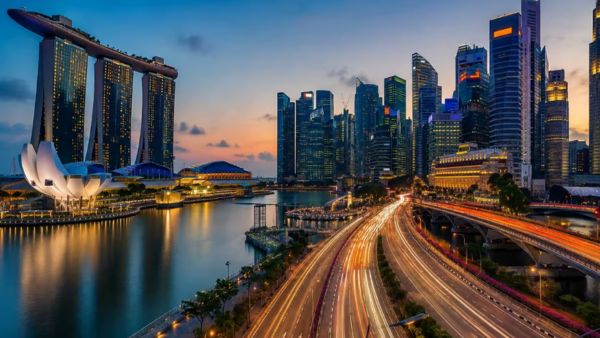
Singapore travel magic unfolds through Fort Canning Hill, Kampong Gelam and Jewel Changi Airport.

Standing in modern Singapore where ancient trade winds meet future advancements is surreal. The mesh of history and the state-of-the-art become one in the cityscape, and seasoned travelers are brought together. Industry specialists are in agreement that the avant-garde achievements developed side by side with Singapore’s trade history, especially the marine findings, build an intense emotional experience for the international tourists. Elaborating architecture research, the specialists revealed that Singapore is the one of the first countries to establish a new technique in the management of international tourism. It boasts the coexistence of modern and ancient in its urban design, keeping both readily available to travelers. Tourists need not worry about choosing between the futuristic luxuries and the historically preserved areas; both coexisting dimensions are made available in the design of the services and facilities!

Read more

Singapore travel magic unfolds through Fort Canning Hill, Kampong Gelam and Jewel Changi Airport.

Standing in modern Singapore where ancient trade winds meet future advancements is surreal. The mesh of history and the state-of-the-art become one in the cityscape, and seasoned travelers are brought together. Industry specialists are in agreement that the avant-garde achievements developed side by side with Singapore’s trade history, especially the marine findings, build an intense emotional experience for the international tourists. Elaborating architecture research, the specialists revealed that Singapore is the one of the first countries to establish a new technique in the management of international tourism. It boasts the coexistence of modern and ancient in its urban design, keeping both readily available to travelers. Tourists need not worry about choosing between the futuristic luxuries and the historically preserved areas; both coexisting dimensions are made available in the design of the services and facilities!

Read more

Kenya is transforming tourism mobility as the NTSA drives safer roads and smarter transport for tourists.

Kenya is strengthening its transport safety framework as the National Transport and Safety Authority (NTSA) continues to improve road management, vehicle compliance and digital transport services across the country. The developments are becoming increasingly important for international travellers exploring Kenya’s famous safari destinations, coastal escapes and cultural attractions. NTSA’s work supports safer movement for visitors travelling between Nairobi, Mombasa, national parks and remote adventure locations. For tourists, reliable transport remains a major part of the holiday experience. Whether visitors are travelling to the Maasai Mara, Amboseli National Park, Tsavo, Lake Nakuru or Kenya’s Indian Ocean beaches, road safety and regulated transport services directly influence comfort and confidence. NTSA’s initiatives are helping create a more organised travel environment where visitors can explore the country with greater peace of mind.

Read more

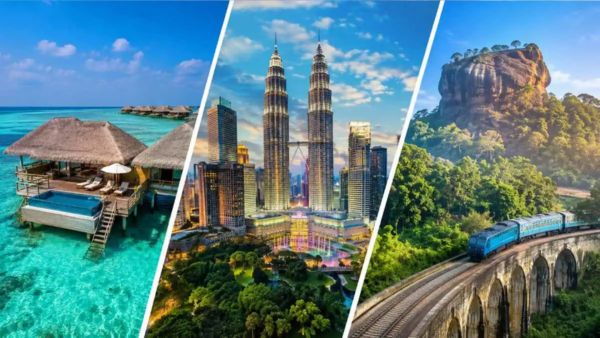
Bengaluru travellers are eyeing the Maldives, Malaysia and Sri Lanka for budget September escapes.

With international travel becoming more affordable for value-driven Indian holidaymakers, September is emerging as one of the most attractive months for overseas trips from Bengaluru. The month falls between the frantic summer holiday period and the end of year festive rush and offers cheaper airfares, competitive hotel prices and fewer tourists in a number of popular Asian destinations. The travel industry’s observations indicate that cost-conscious travellers are seeking destinations that provide value for money and meaningful experiences. September is the shoulder season for travel, which offers just this balance. The fall in demand on a few regional routes has made return fares less than Rs25,000 for a number of international destinations, making vacations abroad affordable for families, couples, solo travellers and young professionals.

Read more

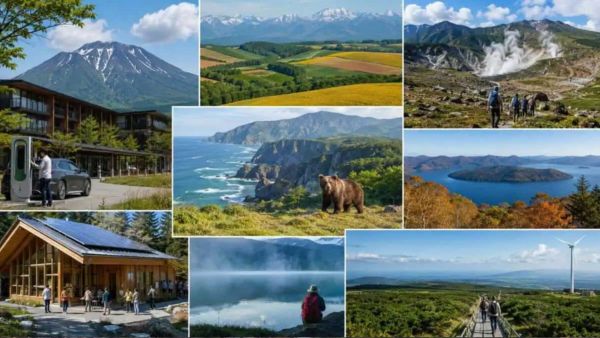
Japan's Biei and Niseko Set the Blueprint for Zero-Carbon Travel in Hokkaido

Japan’s internationally celebrated winter landscapes have long been associated with powder snow, alpine adventures and world-class hospitality. Today, however, a quieter transformation is gathering momentum across Hokkaido and beyond. Rather than competing solely on snowfall, accommodation capacity or visitor numbers, several destinations are reimagining how protected landscapes, hospitality businesses and local communities can reduce emissions while safeguarding the natural environments that attract travellers in the first place. This shift is being driven by Japan’s Zero Carbon Park initiative, a national programme led by the Ministry of the Environment that seeks to integrate decarbonisation with visitor experiences, biodiversity conservation and regional revitalisation. Unlike individual carbon-neutral certifications, the initiative encourages entire destinations to work collectively on renewable energy, cleaner mobility, resource efficiency and environmentally responsible tourism.

Read more

Benin Emerges as West Africa's Ecotourism Star with Three New Heritage Circuits

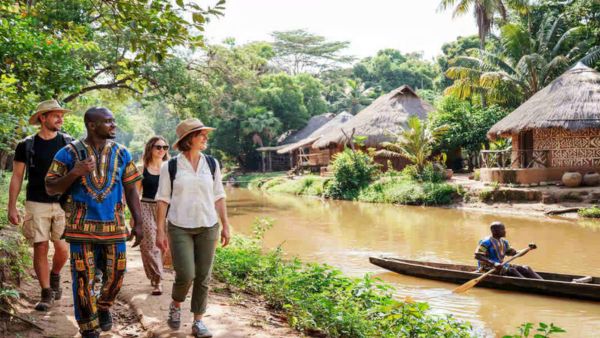
Benin is gaining attention across Africa’s tourism landscape because its three new ecotourism circuits combine cultural heritage, natural exploration and authentic culinary experiences to create a sustainable travel model for the future. As Ghana, Kenya and other African destinations continue expanding their tourism offerings, Benin is taking a different route by focusing on immersive journeys that connect visitors with local communities, historic sites and protected environments. Backed by the Strategic Development Plan 2025–2029 and a tourism-focused investment vision of around US$1.4 billion, the country is aiming to strengthen its global tourism appeal while ensuring that responsible travel supports conservation, cultural preservation and local economic growth. Benin is emerging as a rising force in African sustainable tourism after introducing three new ecotourism circuits designed to showcase its ancient heritage, natural landscapes, local cuisine and community-driven travel experiences. While tourism destinations such as Ghana, Kenya and other African markets continue strengthening their own cultural and nature-based tourism offerings, Benin is creating a distinctive position by combining history, conservation and authentic local experiences into one responsible travel model.

Read more